A mother in San Diego is counting down the days until her son comes home.
asserted
son → count → days
“I had a big sign made, welcoming him back,” she said.
asserted
she → have → him
“I can’t wait to see him.”
asserted
I → wait → him
Her son is one of roughly 5,000 sailors and marines onboard the USS Abraham Lincoln, the US aircraft carrier that has been deployed for nearly a year, and since late February was supporting US military operations against Iran.
asserted
that → deploy → Iran
What began as a deployment bound for the Pacific, anticipated to return in the spring, became something entirely different after the United States launched its war with Iran.
asserted
States → begin → Iran
The Lincoln was diverted to the Middle East, and the deployment became what one military official described as “one of the most operationally intense and consequential of the modern era”.
asserted
official → divert → era
The months that followed were marked by combat operations, deployment extensions, a record-breaking stretch at sea, and reports of shortages of food and basic supplies and deteriorating mental health among some crew members, including reports that several crew members had attempted to jump overboard.
asserted
members → follow → reports
Senior Trump administration officials pushed back against accounts of poor conditions, but some families and veterans warned that the length and intensity of the deployment were taking a toll on both those serving onboard and their loved ones.
asserted
length → push → those
As reports of conditions leaked out, the Lincoln soon became a flashpoint in the increasingly contentious debate over the war and, for some, a symbol of the strains and pressures the conflict has placed on the US military and the people serving in it.
asserted
conflict → leak → it
Now, after months at sea, the Lincoln is in the final stretch of its journey back to San Diego, where it is expected in the coming days.
asserted
it → expect → days
But as the carrier heads home, the toll of the deployment has come into sharper focus.
asserted
toll → head → focus
In late September, the navy disclosed that during the deployment, eight service members from the Lincoln and its accompanying strike group had attempted to take their own lives.
asserted
members → disclose → lives
When the Lincoln left San Diego last November, its deployment was expected to be relatively routine.
asserted
deployment → leave → Diego
The carrier was scheduled to spend several months in the Pacific region before returning home to California in the spring.
asserted
carrier → schedule → spring
Instead, as the US and Israel launched their war against Iran, the carrier was redirected to the Middle East.
asserted
carrier → launch → East
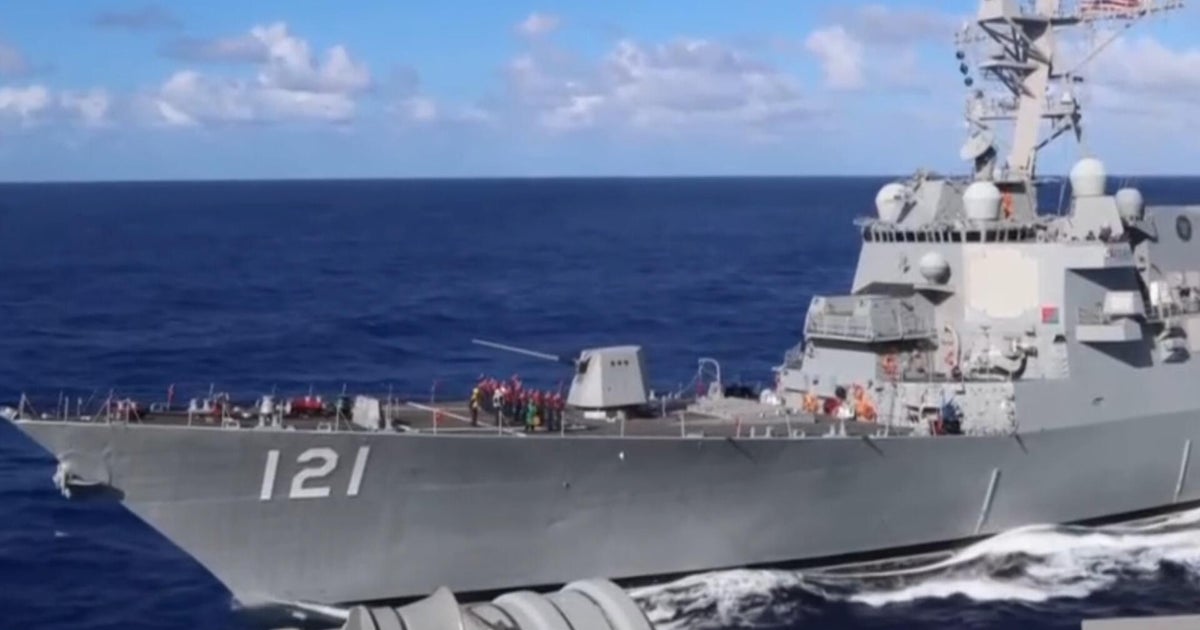
The Lincoln and its strike group, carrying approximately 6,000 to 7,000 sailors across roughly a half-dozen ships, were soon pulled into combat operations, which would see them shoot down “more than 200 Islamic Revolutionary Guard Corps drones threatening international shipping and US forces”, according to Adm Brad Cooper, who heads US Central Command.
uncertain
who → carry → Command
The group’s guided-missile destroyers, he said, engaged in “arguably the most intense combat at sea the navy has seen” since the second world war while the carrier’s air wing carried out hundreds of “decisive strikes on IRGC targets”.
asserted
wing → guide → targets
The crew worked long hours as the carrier remained at sea for months without a port visit.
asserted
carrier → work → visit
The war disrupted regional resupply routes and traditional hubs, making it harder to replenish the ship and rotate personnel, especially after Iran damaged a US navy base in Bahrain.
asserted
Iran → disrupt → Bahrain
By August, the Lincoln had spent more than 250 consecutive days at sea.
asserted
Lincoln → spend → sea
Armen Kurdian, a retired US navy captain who served on the Lincoln in 2005, described the carrier as a “giant floating city” where sailors live in close quarters, and “you’ve got aircraft smacking down on decks repeatedly, hundreds of times per day, and that rattles the ship”.
asserted
that → retire → ship
The strain of this deployment was compounded by uncertainty over when the sailors would come home.
asserted
sailors → compound → uncertainty
Some familiessaid they went weeks without hearing from their loved ones, and for stretches of time, they said, those onboard did not receive letters and care packages from home.
asserted
those → go → home
Then reports began to emerge about conditions on the ship.
asserted
reports → begin → ship
In April, photographs purporting to show poor-quality meals on the Lincoln circulated widely online.
asserted
photographs → purport → Lincoln
The US navy denied reports of food shortages, calling such claims “false”.
uncertain
navy → deny → claims
But by August, some families began describing a more troubling picture of what their loved ones onboard had told them about the conditions: shortages of food and basic supplies, plumbing problems, and exhaustion and deteriorating mental health among the crew.
asserted
ones → begin → crew
Two leading military newspapers also reported that there had been two attempts by sailors to jump overboard, causing concern among families and military health experts.
asserted
newspapers → lead → families
That month, it was reported that more than 200 family members attended a virtual town hall with navy leaders to discuss their concerns.
asserted
members → report → concerns
One spouse reportedly said her husband, a sailor onboard, had texted her that day, saying: “He hopes he doesn’t wake up tomorrow.”
uncertain
he → say → her
One mother whose 19-year-old son is onboard the carrier said this week that there were periods when she went a month without hearing from him.
asserted
she → say → him
When they did communicate, she said, he sometimes sent photographs of the food, which she said looked “horrible”.
asserted
she → communicate → food
At one point, he told her about a power outage on the ship, but assured her that he was doing OK.
asserted
he → tell → her
He would tell her how other sailors had begun “to not be themselves” and were “losing themselves”.
asserted
sailors → tell → themselves
“It’s been hard knowing the conditions and the type of food they’re being fed, and just not having any contact for long periods of time, and them being gone so long,” the woman, who requested anonymity, said.
asserted
who → know → anonymity
The reports of supply shortages and declining morale and mental health prompted outrage from Democrats, and swift pushback from senior officials in the Trump administration.
asserted
reports → decline → administration
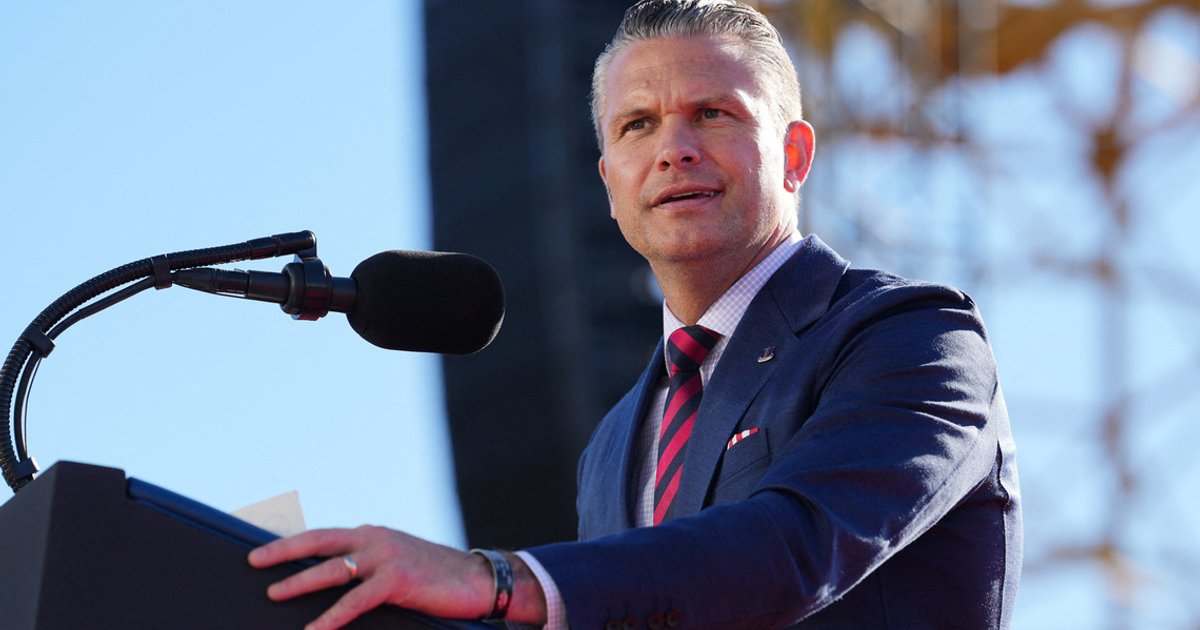
Pete Hegseth, the US defense secretary who has pledged to restore the “warrior ethos” to the US military, said the conditions on the Lincoln had been “completely misrepresented”.
asserted
conditions → pledge → Lincoln
Navy officials acknowledged that the war had disrupted traditional supply networks, but maintained that the carrier had adequate food, medical care and supplies.
asserted
carrier → acknowledge → food
When reporters asked Donald Trump whether the families were concerned about the reported conditions on the vessel, he claimed, “No, they’re not,” and when asked if he thought the deployment had gone on too long, he responded: “Not nearly long enough.”
asserted
he → ask → vessel
For some naval families, that comment was difficult to hear.
asserted
comment → hear → families
…and 114 more, not listed.
 The Aporia