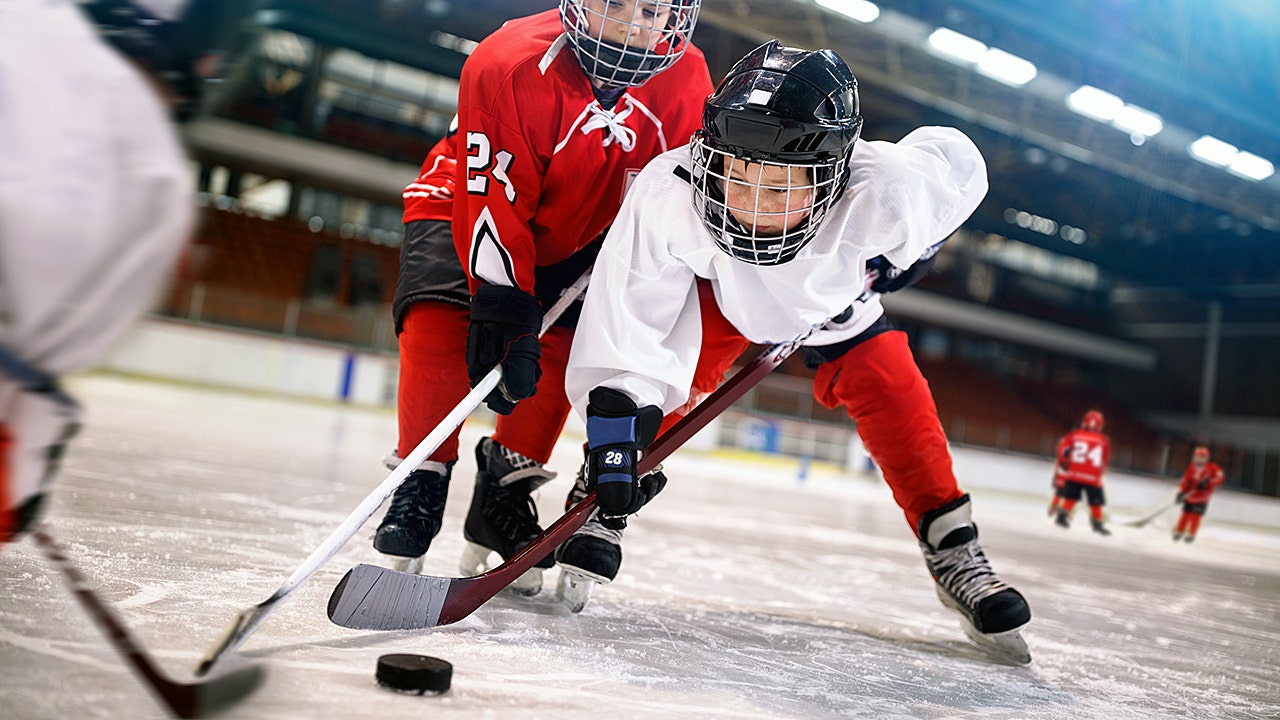
The fall youth sports season has barely begun, yet millions of parents have already filled up their kids' late summer and autumn calendars with practices, private coaching lessons and travel tournaments.
asserted
millions → begin → practices
These parents mean well.
asserted
parents → mean → ?
They're trying to give their children every possible opportunity to succeed on the field or court.
asserted
They → try → field
But many parents have lost sight of what youth sports are meant to achieve.
asserted
sports → lose → what
And worse, they're inadvertently putting their kids at risk of injuries or burnout that could harm their long-term health.
uncertain
that → put → health
I grew up playing sports.
asserted
I → grow → sports
I love watching my own kids play them.
asserted
kids → watch → them
As an orthopedic surgeon who has worked with the New York Mets, I've spent much of my life on, or near, the field.
asserted
I → work → field
Those experiences have taught me that we're approaching youth sports all wrong.
asserted
we → teach → sports
Too many parents and coaches view youth sports as a pathway to fame or fortune – to win a championship, earn a scholarship, or go pro.
asserted
parents → view → scholarship
So, they push children to do too much, too soon.
asserted
they → push → much
Their bones, muscles, tendons and movement patterns are still developing, sometimes at different rates.
asserted
bones → develop → rates
During puberty, bones can be particularly vulnerable to repetitive stress, while rapid changes in height and body proportions can temporarily affect strength and coordination.
asserted
changes → affect → strength
Their training and recovery regimens need to be designed for their biology.
asserted
regimens → need → biology
Instead, adults keep increasing the demands on young athletes – more games, more reps, more competition – while giving their growing bodies less time to recover.
And I often see the consequences in the operating room.
asserted
I → keep → room
About 1% of girls who play soccer – which puts unique strains on young athletes' knees – will suffer an ACL injury in any given season.
asserted
which → play → season
That may sound like a manageable risk, but for girls who specialize in soccer early and play it year-round, the repeated exposure adds up.
uncertain
exposure → sound → it
For example, a girl who plays soccer year-round throughout high school may face a 16% cumulative risk of sustaining an ACL tear over the course of her high school career.
uncertain
who → play → career
Injuries, like ACL tears, are one way to shorten a person's "playspan" – the number of years they keep moving and playing with confidence throughout their lives.
asserted
they → shorten → lives
An injury like an ACL tear in high school can lead to early arthritis and long-term disability.
asserted
injury → lead → arthritis
These downstream consequences can limit participation in recreational sports during adulthood and community activities like pickleball later in life.
asserted
consequences → limit → life
As we increasingly recognize the lifelong physical, mental and social benefits of movement and sport, sacrificing a child's extended "playspan" for the pressured hyperfocus of youth sports is remarkably shortsighted.
asserted
sacrificing → recognize → sports
Burnout can have an effect on lifetime playspan as well.
asserted
Burnout → have → playspan
When sports stop being fun, and kids come to associate physical activity with pressure, many never rediscover the joy of being active as adults.
asserted
many → stop → adults
Some countries have organized youth sports around a different philosophy.
asserted
countries → organize → philosophy
Norway's guiding principle is simple: "As many as possible, for as long as possible, and as good as possible."
asserted
principle → guide → ?
Rather than pushing early specialization, children are encouraged to play multiple sports, compete close to home, and develop at their own pace.
asserted
children → push → pace
Winning matters, but so does making sure children are still playing years later, since staying active is so crucial for adults' long-term health.
asserted
staying → matter → health
Far from producing mediocre athletes, that approach has helped develop stars like Norway’s Erling Haaland, a star of the recent World Cup.
asserted
approach → produce → Cup
Even more impressive, of the 40 boys who grew up playing at Haaland's youth club, 35 are still playing soccer as adults.
asserted
35 → grow → adults
That's the standard we should aspire to.
asserted
we → aspire → ?
In the United States, by contrast, the average child spends less than three years playing a sport and quits before middle school, most often because it isn't fun anymore.
asserted
it → spend → school
A youth sports system built around maximizing lifetime playspan would look different.
asserted
system → build → playspan
It would encourage children to play multiple sports and build a broad foundation of movement before specializing.
asserted
It → encourage → movement
It would teach them to run, jump, throw, cut and balance before asking them to compete year-round.
asserted
It → teach → them
It would recognize that even children of the same age develop at different rates.
asserted
children → recognize → rates
And it would leave room for rest and recovery – and for kids to simply play.
asserted
kids → leave → rest
If some children go on to earn scholarships or play professionally, that's wonderful.
asserted
that → go → scholarships
But the true measure of youth sports' success – the score that really matters – is how many lifelong athletes it creates.
asserted
it → matter → athletes
 The Aporia