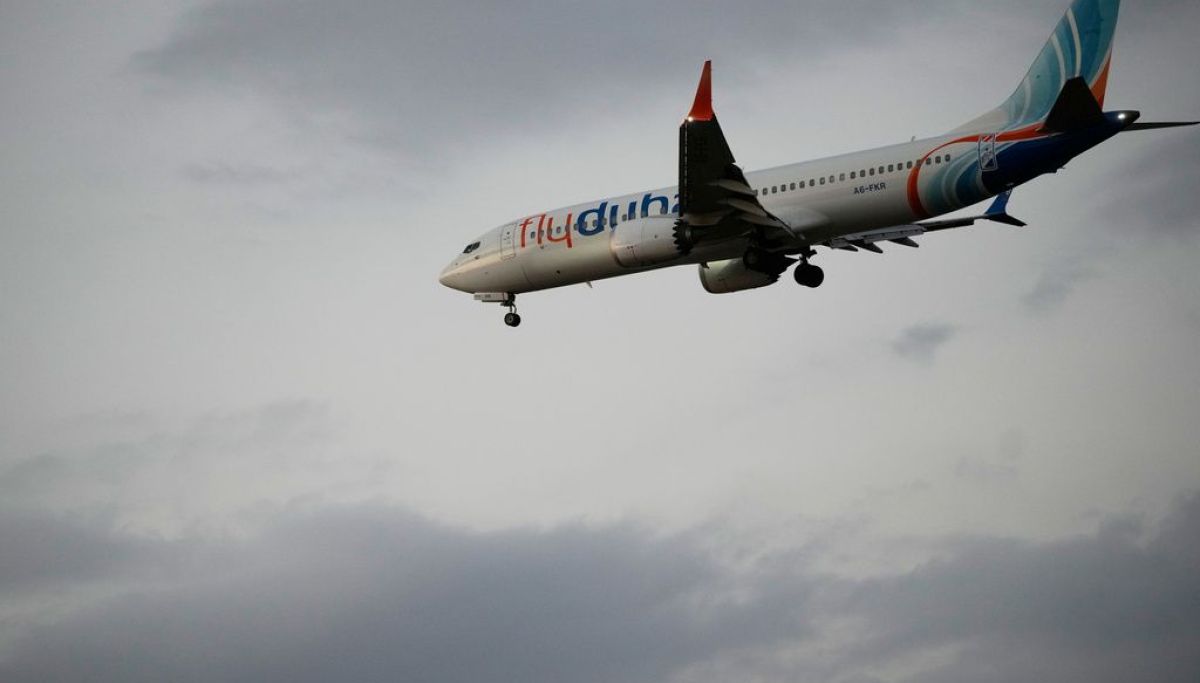
When news of a potential terrorist attack breaks, the first draft can sound like an attempt to maintain political correctness.
asserted
draft → break → correctness
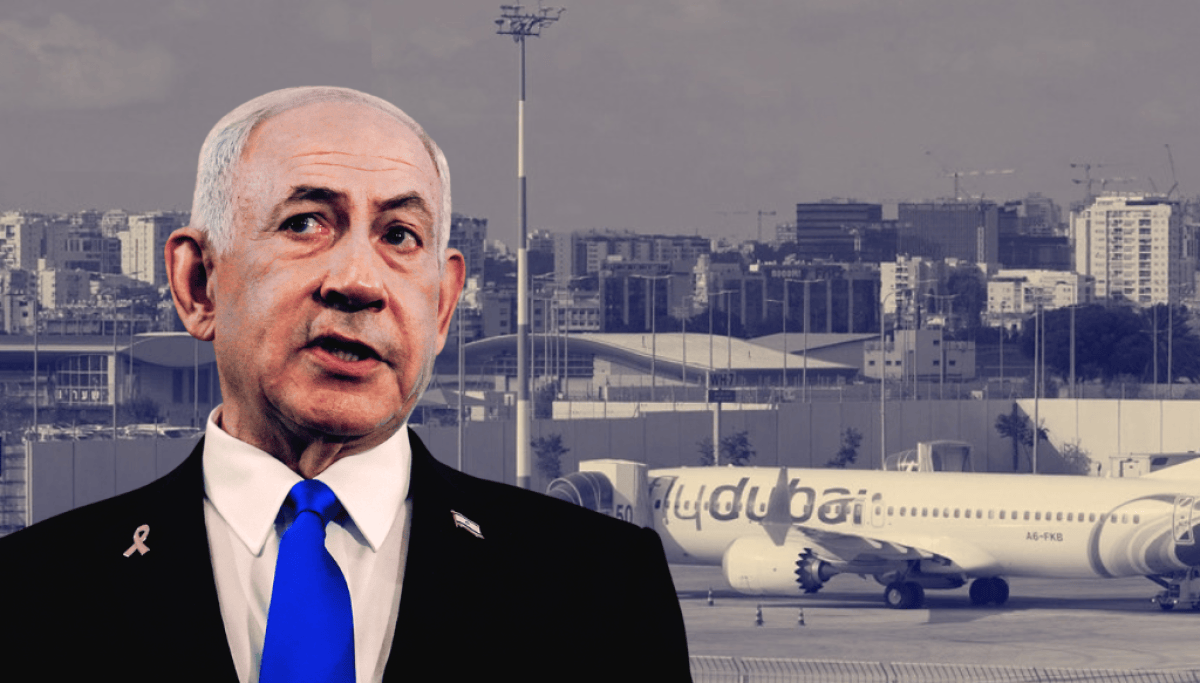
The New York Times came under attack on Wednesday for tweeting, "A plane flying from Dubai to Israel was diverted after an altercation between the pilot and co-pilot, Israeli officials said.
asserted
officials → come → pilot
After people mocked the "altercation" lingo, the Times PR team counter-attacked: "Our headlines and live coverage contain all the facts we're able to confirm as we confirm them.
asserted
we → mock → them
Unlike activists and partisans, we don't publish speculation or unverified information."
uncertain
we → publish → speculation
Anyone who thinks The Times doesn’t give off partisan activist vibes isn’t reading it.
asserted
Times → think → it
The British Broadcasting Corporation posted a similarly bland breaking-news headline: "Israel-bound flight diverted after fight between pilots."
asserted
flight → post → pilots
This sounded a little like a verbal spat.
asserted
This → sound → spat
At least the brief report underneath relayed, "Two Israeli officials said the co-pilot is believed to have stabbed the captain and tried to crash the plane.
asserted
pilot → relay → plane
The American broadcast networks didn’t perform this way on Wednesday morning.
asserted
networks → perform → morning
On "Today," NBC reporter Matt Bradley was more straightforward: "There was some sort of violent incident on board that flight.
asserted
Bradley → be → board
The plane sent out a hijacking alert."
asserted
plane → send → alert
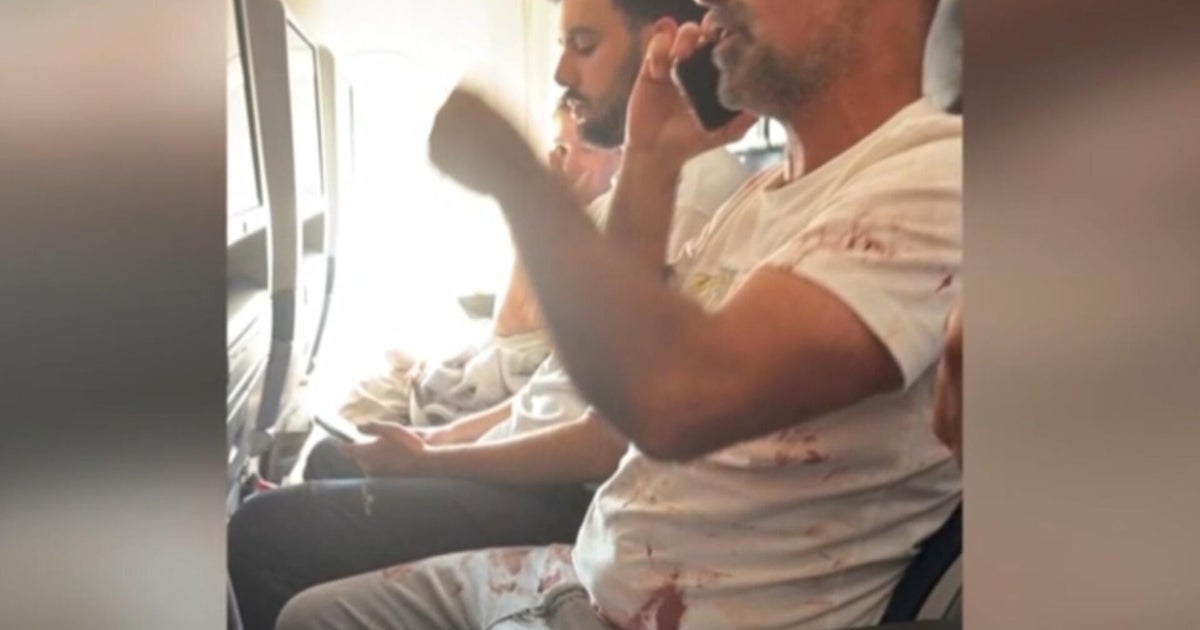
A passenger on the plane correctly relayed the pilot had been stabbed.
asserted
pilot → relay → plane
ABC’s Ian Pannell used the T-word: "This is a rapidly developing story, but it is looking increasingly like a terrorist incident.
asserted
it → use → incident
But the usual instinct for elitist media is to move very slowly to guess about the motive – even if it might seem obvious.
uncertain
it → move → motive
An attempted hijacking of a plane full of Israelis headed for Tel Aviv suggests a hostility to Israel.
uncertain
hijacking → attempt → Israel
The Israelis clearly suspected a new version of the 9/11 hijacking, as the networks reported they scrambled jets to intercept the Boeing 737 Max before standing down.
asserted
they → suspect → Max
But some networks had to smell politics in their hunt for a motive.
asserted
networks → have → motive
"PBS News Hour" anchor Geoff Bennett talked to former Clinton and Obama official Juliette Kayyem.
asserted
Bennett → talk → Kayyem
He began: "Israel's prime minister says the co-pilot underwent what he called Islamist radical indoctrination.
asserted
he → begin → what
President [Donald] Trump has pointed to Iran.
asserted
Trump → point → Iran
Neither has provided evidence. …
asserted
Neither → provide → evidence
What can we responsibly say, if anything, about the motive at this point?"
asserted
we → say → point
Kayyem replied: "Right.
asserted
Kayyem → reply → ?
So, and I'm glad you say that about responsibly say.
asserted
you → say → that
After every crisis, terror incident, disaster, there's a narrative that forms very early that is often pushed for political reasons.
asserted
that → be → reasons
I think we should just put those to the side aside right now, that that just happens.
asserted
that → think → side
Then Kayyem acknowledged that it seems obvious that the "leading theory" would be a co-pilot trying to crash a plane of Israelis in Israel suggests terrorism.
uncertain
theory → acknowledge → terrorism
"What we don't know and the suspicion or allegations that this is related to a terrorist organization or even Iran is what that radicalization process was like."
asserted
process → know → what
It could be self-radicalization, or "If it's state-sponsored terrorism, like Iran, a country that Israel and the United States have started a war against, that is a very different consequence."
uncertain
that → sponsor → war
But she suggested it could just be "mental-health" issues.
uncertain
it → suggest → ?
An expert on CNN suggested it might just be "workplace violence."
uncertain
it → suggest → CNN
NPR’s "Morning Edition" turned to Democrat-leaning former CNN analyst Philip Mudd, asking him if the political motivations of Trump and Israeli Prime Minister Benjamin "Bibi" Netanyahu are going to cloud the investigation.
asserted
motivations → turn → investigation
The British Broadcasting Corporation posted a similarly bland breaking-news headline: "Israel-bound flight diverted after fight between pilots."
asserted
flight → post → pilots
This sounded a little like a verbal spat.
asserted
This → sound → spat
Terrorism incidents during election season might remind Americans of Sept. 11, 2012 – when a pack of terrorists broke into the American consulate in Benghazi, Libya, leading to the death of the U.S. ambassador and three other Americans.
uncertain
pack → remind → ambassador
All the networks turned on Republican nominee Mitt Romney for questioning President Barack Obama’s handling of Libya.
asserted
networks → turn → Libya
A Media Research Center analysis of the first night of Benghazi coverage found the Romney-is-rude angle received nine minutes and 28 seconds of coverage on ABC, CBS, and NBC, while only 25 seconds focused on Obama’s Middle East policies.
asserted
seconds → find → policies
Obama turned to CBS reporter Steve Kroft, his reliable "60 Minutes" softball pitcher, and said, "Governor Romney seems to have a tendency to shoot first and aim later" when you have to "make sure that the statements you make are backed up by the facts."
asserted
you → turn → facts
Kroft nudged: "Do you think it was irresponsible?"
asserted
it → nudge → ?
Obama said, "I’ll let the American people judge that."
asserted
people → say → that
…and 5 more, not listed.
 The Aporia