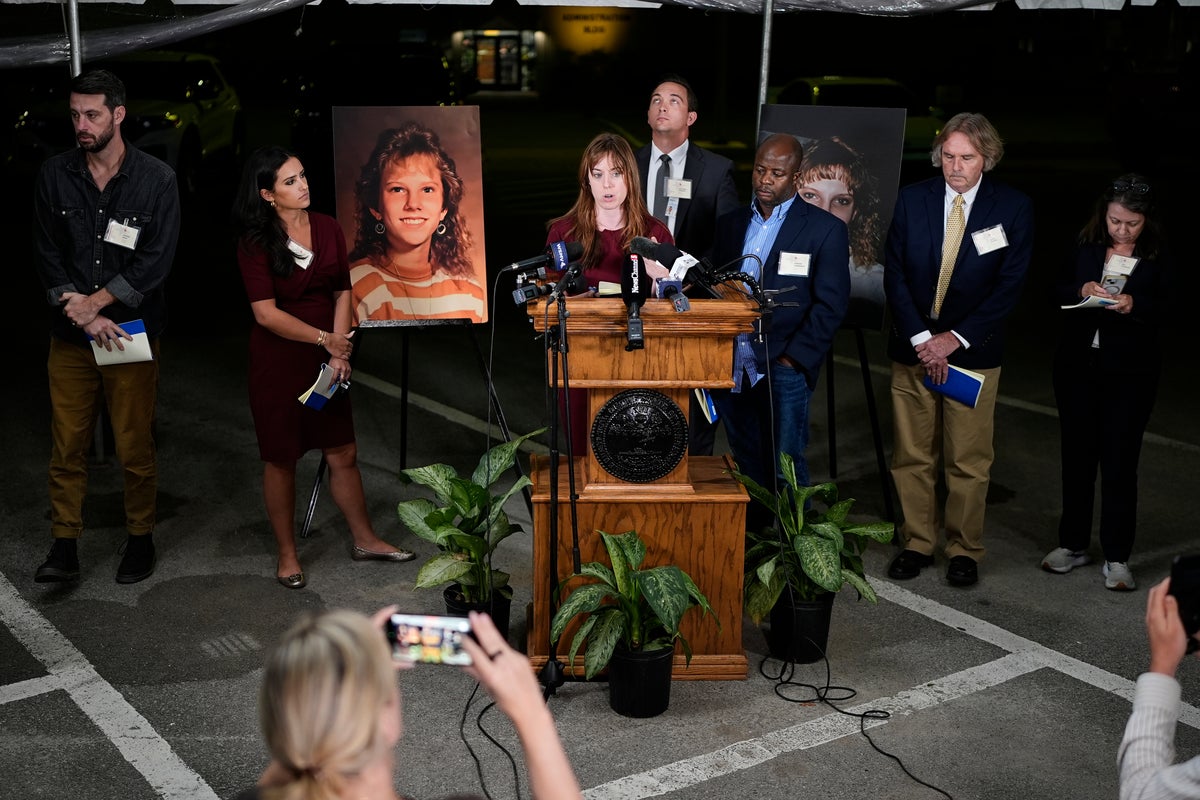
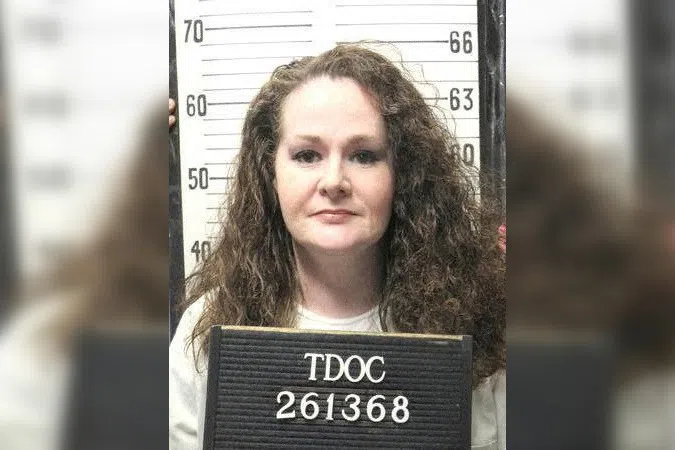
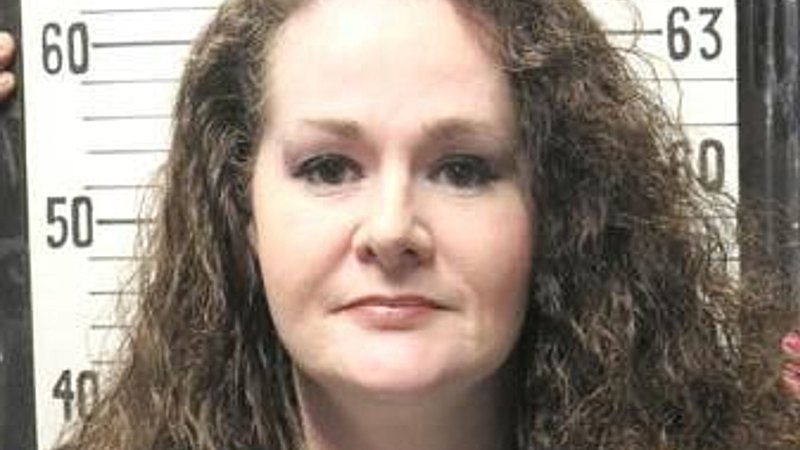
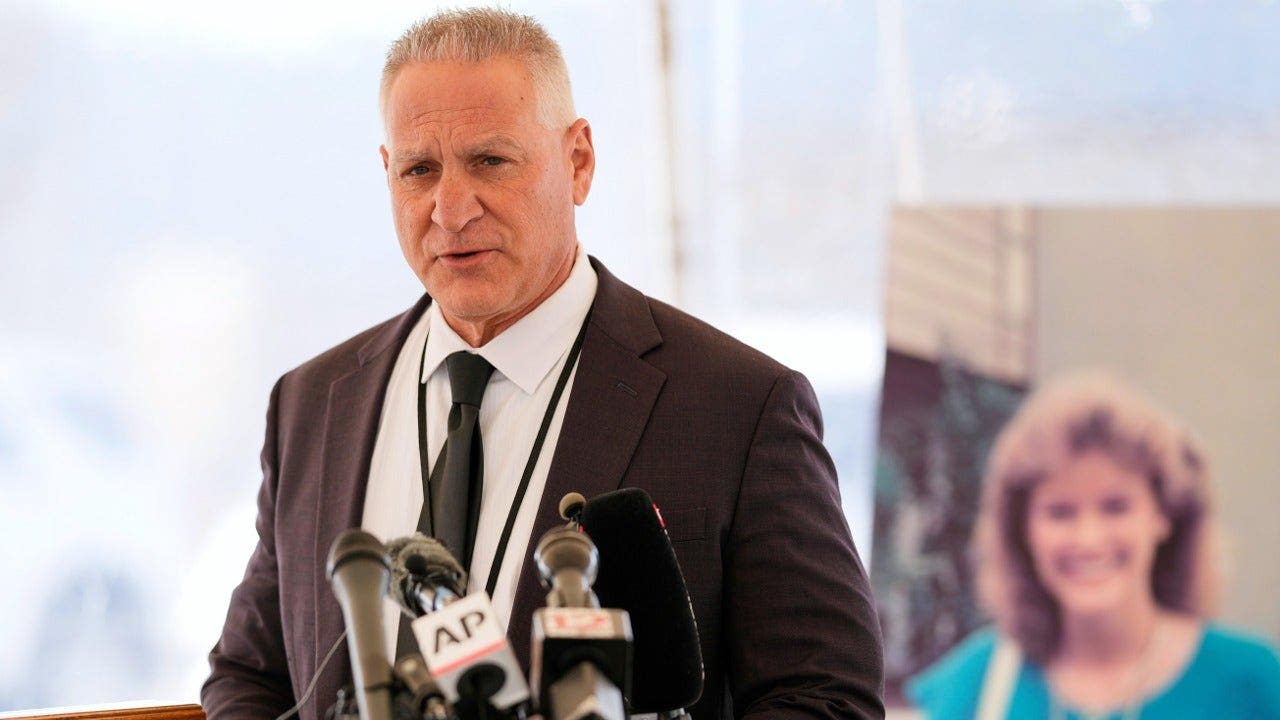
The head of Tennessee’s prison system is resigning after the failed execution of Christa Pike, Gov. Bill Lee announced Saturday.
asserted
Lee → resign → Pike
Lee said that Department of Correction Commissioner Frank Strada will step down this month.
asserted
Strada → say → Correction
Strada said in a statement that stepping aside “is in the best interests” of the state as an independent review is carried out to determine why Pike’s execution failed Wednesday.
asserted
execution → say → state
Convicted killer Pike was left gravely ill, unconscious and hospitalized on life support after Tennessee's failed attempt to execute her by lethal injection, her lawyers said on Friday, providing the first detailed account of the injuries she suffered.
asserted
she → convict → injuries
The stunning failure in Tennessee’s execution chamber on Wednesday has left both sides of the death penalty debate demanding answers.
asserted
failure → leave → answers
Lee has ordered an independent review.
asserted
Lee → order → review
Pike’s attorneys said they believed problems with the IV lines caused the pentobarbital to flow into her body instead of her bloodstream.
asserted
pentobarbital → say → body
“Apparently at no point did any member of the execution team realize that the IV lines were not correctly placed or that the veins had blown and that the pentobarbital was, in whole or in part, entering Ms. Pike’s body,” they wrote in the court filing.
asserted
they → realize → filing
Hospital staff were working to save Pike's life and clear the drug pentobarbital from her system, her attorneys said in an emergency motion, which seeks a court order for Tennessee's Department of Correction to preserve evidence from Wednesday night's botched execution.
asserted
Department → work → execution
Pike remained in critical condition, intubated and hooked to a mechanical ventilator to breathe, her lawyers said, after two doses of pentobarbital were administered to her intravenously at the Riverbend Maximum Security Institution in Nashville, the state capital.
asserted
doses → remain → Nashville
The bungled attempt to establish intravenous lines also left both her arms "swollen, burned and blistered," the apparent result of the pentobarbital, a highly alkaline and caustic substance, seeping into the tissues under her skin, the court filing said.
asserted
filing → bungle → skin
The lawyers accused Correction Department officials of shrugging off prior warnings from Pike's doctors that pre-existing medical conditions — small veins and a blood disorder called thrombocytosis — would make placing IV lines especially difficult.
asserted
placing → accuse → lines
"At no point did any member of the execution team realize that the IV lines were not correctly placed or that the veins had blown and that the pentobarbital was, in whole or in part, entering Ms. Pike's body," her lawyers said in a filing in the Chancery Court for Tennessee's 20th Judicial District.
asserted
lawyers → realize → District
It said witnesses to the execution attempt could hear Pike "crying, whimpering and breathing loudly throughout the procedure."
The filing provided the fullest picture yet of the medical consequences of an attempted execution that Tennessee Governor Bill Lee said followed the state's established protocol.
It was the state's second botched execution this year, prompting Lee to halt any further attempts to carry out the death penalty for the rest of 2026.
uncertain
It → say → 2026
He also ordered an independent review of what went wrong.
asserted
what → order → review
Pike, 50, was convicted three decades ago of first-degree murder for her role in the torture and killing of a 19-year-old vocational school classmate, Colleen Slemmer, at the University of Tennessee campus in Knoxville in 1995, when Pike was 18.
asserted
Pike → convict → 1995
She had been scheduled to become the first woman executed in Tennessee in more than two centuries, and the only person in the modern era of US capital punishment to be executed in that state for a crime committed by a teenager.
asserted
She → schedule → teenager
Pike's then-17-year-old boyfriend was tried as an adult and convicted of murder as well, but received a life sentence with eligibility for parole.
asserted
boyfriend → try → parole
A third schoolmate who was 18 at the time and acted as a lookout for the two others ended up testifying for the prosecution and received probation.
asserted
who → act → probation
Lee earlier this week rejected a clemency petition seeking to commute Pike's death penalty to a life prison term without the possibility of parole.
asserted
Lee → reject → parole
The petition argued for leniency, in part, on the basis of her childhood history of severe neglect, sexual abuse that included two rapes, and untreated mental illness.
asserted
that → argue → rapes
The clemency petition also cited evidence that Pike's mother drank heavily during pregnancy, contributing to faulty brain development that made it difficult for her to control her impulses.
asserted
her → cite → impulses
The US Supreme Court on Wednesday lifted an 11th-hour stay of execution, which was issued earlier in the day by a federal appeals court to give more time to weigh Pike's claim that her childhood trauma was not properly considered in her sentencing.
uncertain
trauma → lift → sentencing
In their filing on Friday, Pike's lawyers urged the state Chancery Court to order preservation of evidence they said would show that state prison personnel violated her constitutional rights by subjecting her to cruel and unusual punishment.
asserted
personnel → urge → punishment
 The Aporia