It’s not unreasonable to approach election polls from a position of mild — maybe even more-than-mild — skepticism.
asserted
It → ’ → skepticism
In some cases this year, they’re projecting remarkable things, like Democrats having a chance to win a Senate seat in Kansas for the first time since 1932.
asserted
Democrats → project → 1932
In the period that I’ve been covering politics, since 2008, remarkable things have happened, of course.
asserted
things → cover → course
America elected its first Black president.
asserted
America → elect → president
And then a reality-TV star was elected as his successor — and re-elected after a four-year hiatus after he’d twice been impeached.
asserted
he → elect → hiatus
Republicans won a special Senate election in Massachusetts.
asserted
Republicans → win → Massachusetts
Democrats won one in Alabama.
asserted
Democrats → win → Alabama
Georgia became a swing state, while Ohio and Florida fell off the battleground map.
asserted
Ohio → become → map
I argued earlier this week that what models like FLIPR are projecting for November isn’t necessarily all that bold.
asserted
projecting → argue → November
Yes, these forecasts predict a 10- or 11-point swing toward Democrats compared to the 2024 election.
asserted
forecasts → predict → election
But the typical midterm swing is 7 or 8 points and the projected change isn’t any greater than in 2018, the previous Trump midterm — at which time, the president was considerably less unpopular than he is now and gas was much cheaper.
asserted
gas → project → 2018
The current state of the generic ballot is almost enough on its own to erase the large Republican advantage in states like Texas and Iowa where Democrats haven’t won in a long time.
asserted
Democrats → erase → time
Pair that with some subpar Republican candidates, or unusually strong Democratic ones, and the math mostly checks out.
asserted
math → pair → candidates
Still, and somewhat contrary to their reputation, models like FLIPR don’t just “trust the polls”.
asserted
models → trust → polls
They adjust them in various ways and combine them with other sorts of evidence.
asserted
They → adjust → evidence
The burden of proof is higher in states like Kansas where a Democratic win would represent more of a deviation.
asserted
win → represent → deviation
And they employ complex techniques to account for the possibility of polling error, including the chance that polls in the most important states all miss in the same direction.
asserted
polls → employ → direction
To be honest — maybe this is an indication of the dark Republican mood — we haven’t actually seen all that much poll “unskewing” as compared to past cycles.
asserted
we → see → cycles
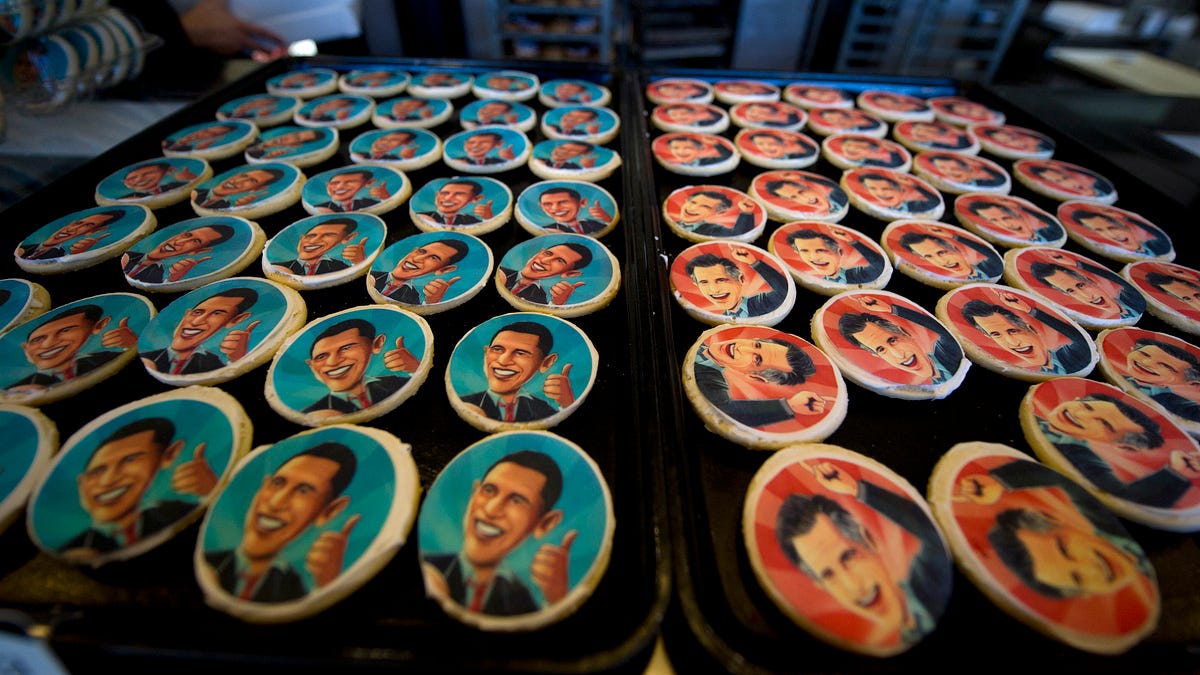
I take the term from unskewedpolls.com, the 2012 website founded by a man named Dean Chambers, which basically just shifted every poll in Mitt Romney’s direction.
asserted
which → take → direction
But not only did Barack Obama win almost every swing state; he won them by more than polls predicted.
asserted
polls → win → more
In 2024, some Democrats came up with elaborate justifications for why polls were underrating Joe Biden and Kamala Harris.
asserted
polls → come → Biden
But Trump beat his polling for the third presidential election in a row.
asserted
Trump → beat → row
Where exactly is the line between hedging against the polls in various ways, as FLIPR does, and “unskewing” them?
asserted
FLIPR → hedge → them
Welcome to the latest edition of “Nate’s tweets, explained,” which also doubles as a Model Talk:
asserted
which → welcome → Talk
This post on the Application Formerly Known as Twitter triggered a big reaction, with almost one million views as of this morning.
asserted
post → know → morning
As I said, I’ve been forecasting elections since FiveThirtyEight launched in 2008.
asserted
FiveThirtyEight → say → 2008
I’ve been lucky in many ways, including that both 2008 and 2010 were almost freakishly accurate years for polling.
asserted
2008 → include → polling
This was always a bit ironic given that much of the purpose of a probabilistic model is to emphasize the uncertainty in the forecast.
asserted
much → give → forecast
Then in 2012, we got even luckier, with the FiveThirtyEight model “calling” every state correctly.
asserted
model → get → state
But that counts Florida, where the odds were basically 50/50, and Obama only inched ahead in our forecast at the last minute.
asserted
Obama → count → minute
Our internal diagnostics gave us only a slim chance of getting a perfect score.
asserted
diagnostics → give → score
Instead, they overestimated Romney and other Republicans by about 3 percentage points.
asserted
they → overestimate → points
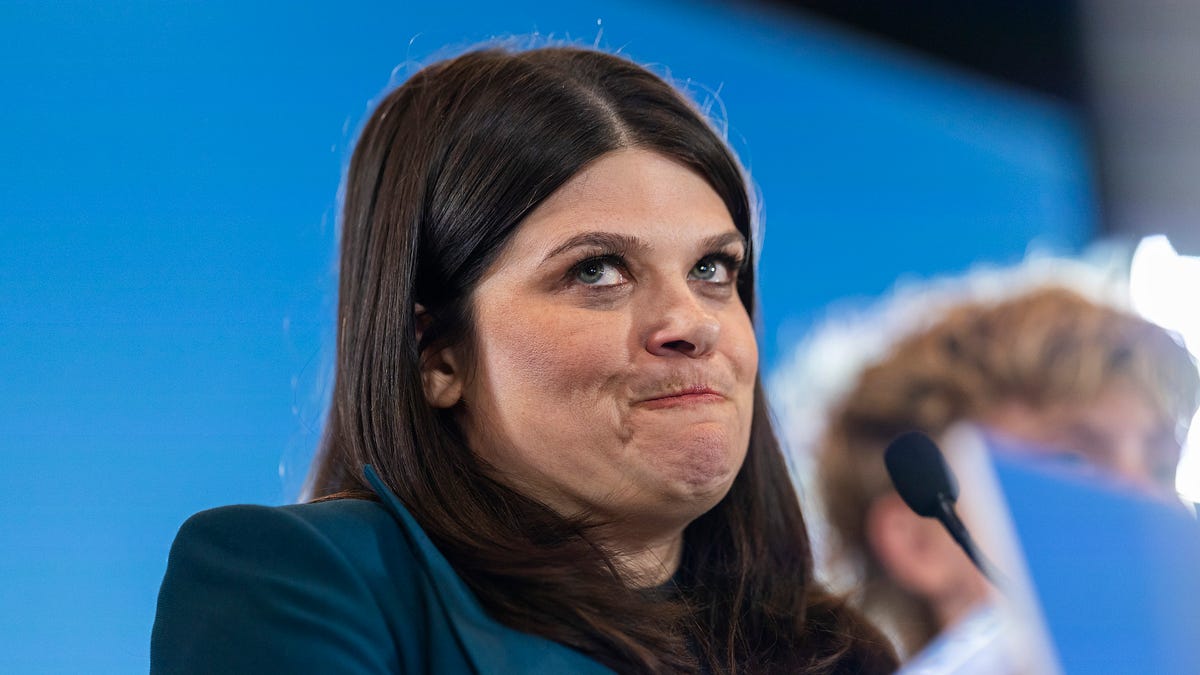
Nobody that I can recall, except for former North Dakota Sen. Heidi Heitkamp1, has ever given me a hard time for this.
asserted
I → recall → this
Since all of our “calls” were right, nobody cared that some of the margins were a bit off.
asserted
some → care → margins
Take a look at the final RealClearPolitics polling averages nationally in 2012, and in the 11 states they deemed “toss-ups.”
asserted
they → take → ups
Obama beat his national polls by 3 points.
asserted
Obama → beat → points
He also beat his state-by-state polling averages by around 3 points, with his final margins improving upon the RCP averages in all 11 states.2
(I’m not mentioning this to pick on RCP.
asserted
I → beat → RCP
They shouldn’t be confused with UnskewedPolls.com.
asserted
They → confuse → UnskewedPolls.com
After all, their averages had the right winner everywhere but Florida.3
asserted
averages → have → winner
Polls missed low on Trump three times in a row
Since 2012, of course, there have been other systematic polling errors — but they usually haven’t been in Democrats’ favor.
asserted
they → miss → favor
…and 44 more, not listed.
 The Aporia