The Aporia
Llewellyn, A. (2026, October 4). 5 dead in 3 weeks: are Indonesia’s whale strandings on the rise? South China Morning Post. https://www.scmp.com/week-asia/health-environment/article/3369613/5-dead-3-weeks-are-indonesias-whale-strandings-rise?utm_source=rss_feed
Llewellyn, Aisyah. “5 dead in 3 weeks: are Indonesia’s whale strandings on the rise?” South China Morning Post, 4 Oct. 2026, https://www.scmp.com/week-asia/health-environment/article/3369613/5-dead-3-weeks-are-indonesias-whale-strandings-rise?utm_source=rss_feed.
Llewellyn, Aisyah. “5 dead in 3 weeks: are Indonesia’s whale strandings on the rise?” South China Morning Post, October 4, 2026. https://www.scmp.com/week-asia/health-environment/article/3369613/5-dead-3-weeks-are-indonesias-whale-strandings-rise?utm_source=rss_feed.
Dated when The Aporia collected the article, usually within hours of publication. Check the original for its exact date and byline.
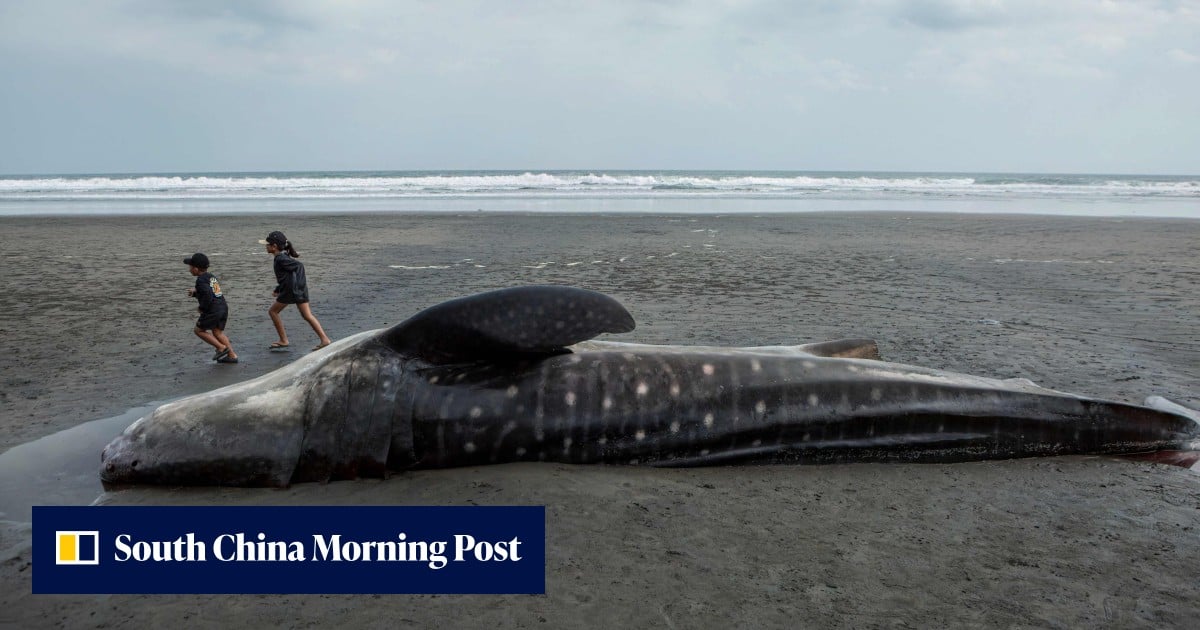
Since September 12, five whale and whale shark deaths have occurred within a three-week period along the coasts of Indonesia. These incidents include a dead whale shark on Bali, another dead whale shark in South Sulawesi, a decomposed whale carcass in mangroves of Riau province, and a stranded whale that died in West Java. Another whale shark became stranded and died on a beach in Aceh province just days later.
A 2025 study published in Scientific Reports by the Elasmobranch Institute Indonesia and Konservasi Indonesia observed an increase from fewer than 10 whale shark strandings per year between 2011 to 2019 to more than 22 cases a year starting from 2020. Researchers link these strandings to seasonal changes, oceanographic conditions such as sea-surface temperatures and wave height, as well as marine productivity influenced by upwelling processes that draw feeding marine life closer to the coastlines. However, experts also note an increase in smartphone use and social media reporting which might contribute significantly to perceived increases in stranding incidents.