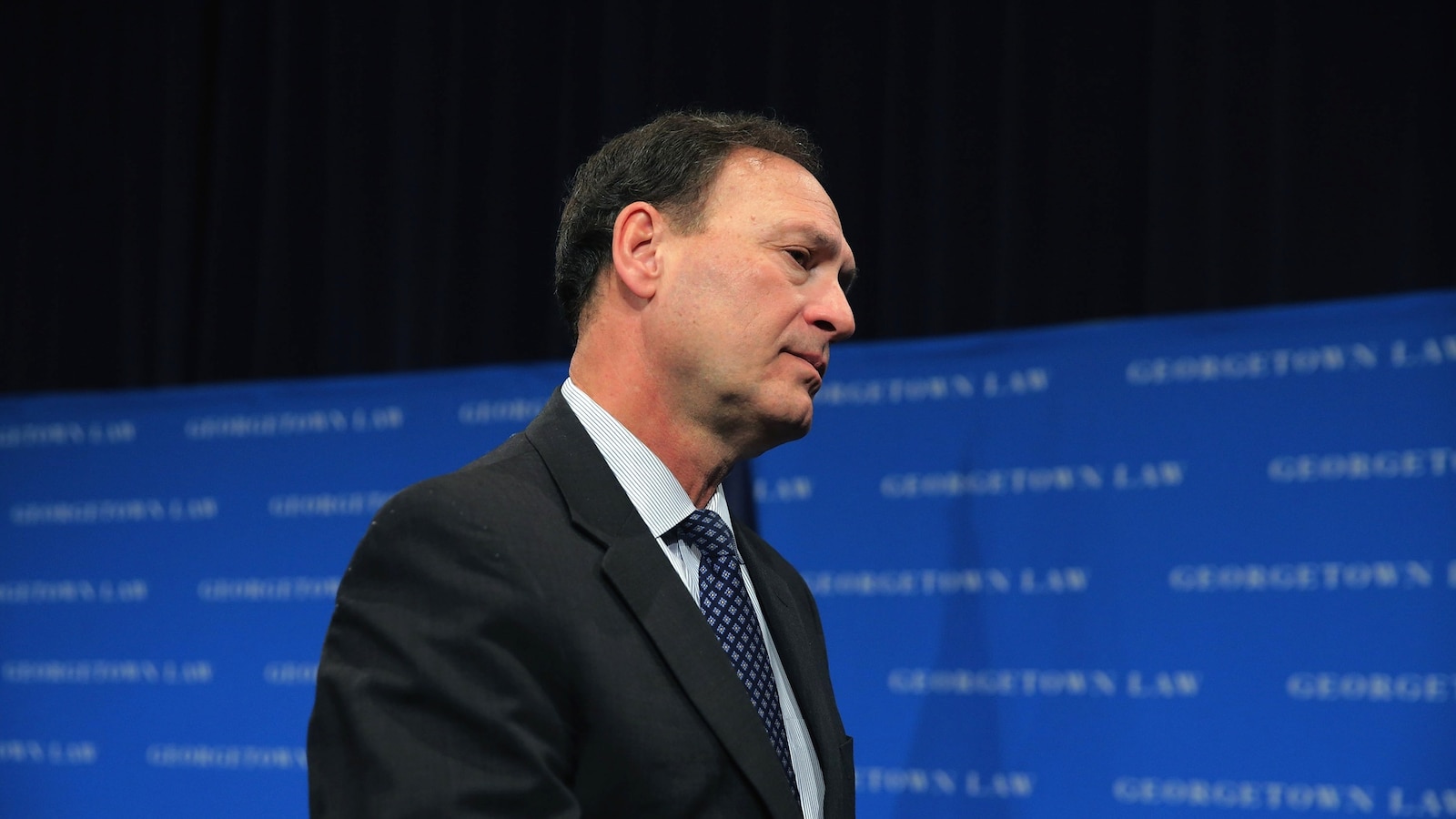
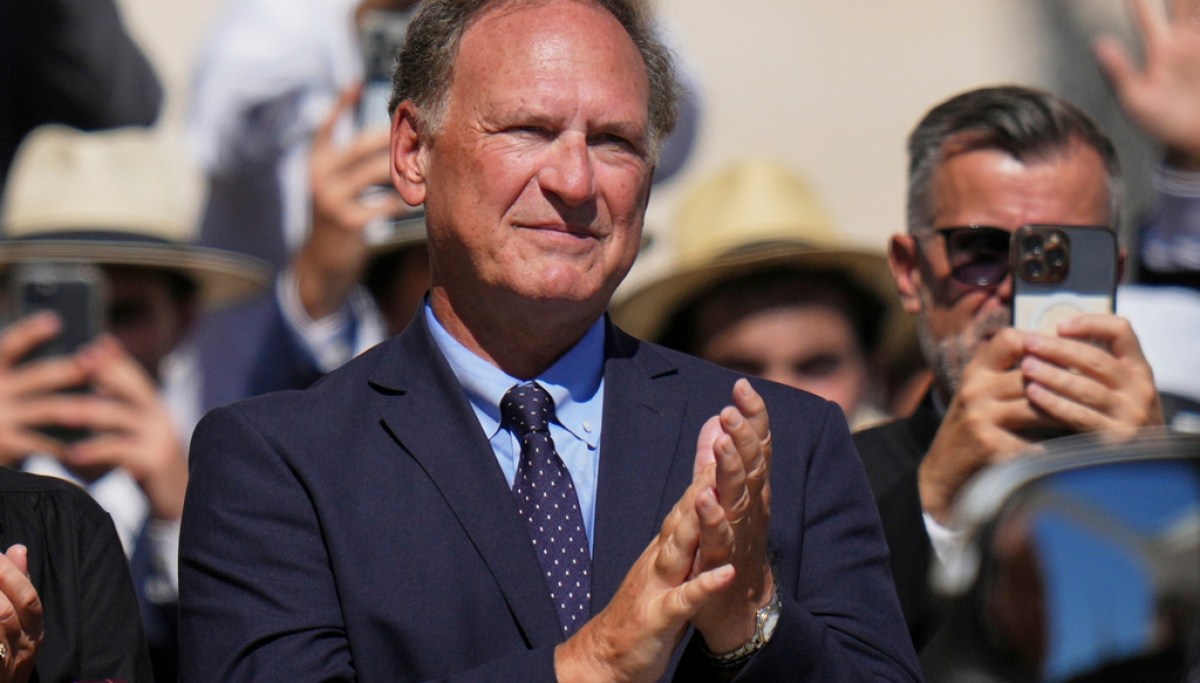
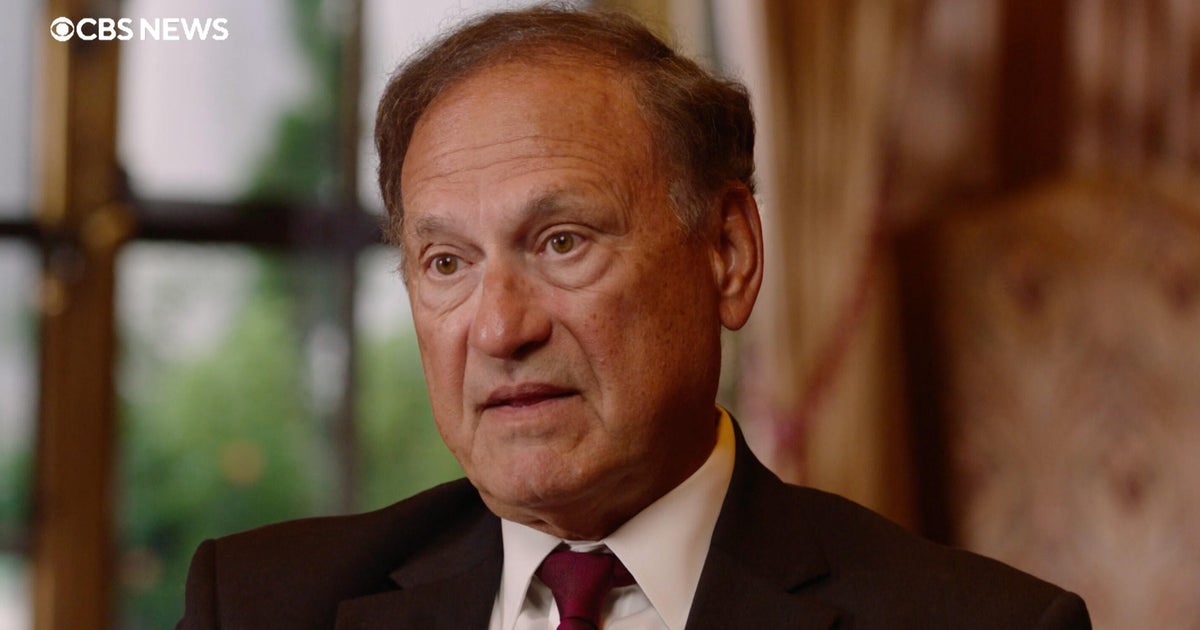
Samuel Alito, the conservative US supreme court justice, has said “I think I have to” contemplate retiring every year at his age.
asserted
I → say → age
Alito, 76, delivered that comment in a rare interview with CBS News scheduled to air on Monday, a little more than six months after a widely publicized hospital visit invited speculation about his potential retirement.
asserted
visit → deliver → retirement
In a preview clip circulated online by the network, Alito told Jan Crawford, CBS national correspondent, that “I thought about” retiring at the end of the supreme court term that ended in June, saying: “It’s something that I think someone at my age has to think about.”
“But,” Alito continued, “I thought I could still make a valuable contribution – which is why I became a justice and a judge in the first place.
uncertain
I → circulate → place
Crawford then said: “So you’ll be considering this probably every year – rethinking it.”
asserted
you → say → it
And Alito replied: “Yeah, I think I have to.”
asserted
I → reply → ?
Asked whether he was unduly undermining Republicans’ wish to confirm a conservative replacement at a time when their party controlled the US Senate, Alito rejoined: “It’s too hard to predict … how for anybody, and particularly when you reach a certain age, what your situation will be.
asserted
situation → ask → age
“A year from now, two years from now and so forth – it’s too hard to predict what the political situation will be and what any president might do with respect to a replacement.”
uncertain
president → ’ → replacement
Crawford’s conversation with Alito came after he became sick at a Federalist Society dinner in Philadelphia on 20 March and was brought to a hospital.
asserted
he → come → hospital
A supreme court spokesperson later said that Alito was treated for dehydration; returned to his Virginia home that night, as had been previously planned; and returned to work by 23 March.
asserted
Alito → say → March
Nonetheless, news of the hospital trip prompted commentary across the political spectrum about whether Alito – who secured his supreme court appointment during George W Bush’s presidency in 2006 – may retire.
uncertain
who → prompt → 2006
Much of it centered on the possibility that his retirement would give Donald Trump the chance to appoint a fourth justice to the nine-member court, in all likelihood someone both younger and equally or more conservative than Alito.
asserted
retirement → center → Alito
Progressive groups have also been girding themselves for the possibility that Alito’s fellow conservative supreme court justice Clarence Thomas, 78, could retire while Trump is in office.
uncertain
Trump → gird → office
Trump appointed three justices during the first of his two presidencies: Neil Gorsuch, Brett Kavanaugh and Amy Coney Barrett.
asserted
Trump → appoint → presidencies
They established a conservative supreme court supermajority alongside Alito, Thomas and John Roberts that has frequently – though not always – ruled in favor of Trump’s administration.
asserted
that → establish → administration
Alito also spoke to Crawford about how he had endured everything from “the loss of old friendships” to “physical threats and harassment” after writing the 2022 majority opinion that struck down the federal right to an abortion created by the Roe v Wade decision nearly 50 years earlier.
asserted
that → speak → decision
He asserted that overturning Roe v Wade – a decision disapproved by nearly six in 10 Americans, according to polling by the Pew Research Center – required “courage” from him and the four justices who joined his opinion: Gorsuch, Kavanaugh, Barrett and Thomas.
uncertain
who → assert → opinion
Lost friendships were “something you have to live with,” Alito said, because it is “part of the job that you are going to displease people by making decisions on controversial matters”.
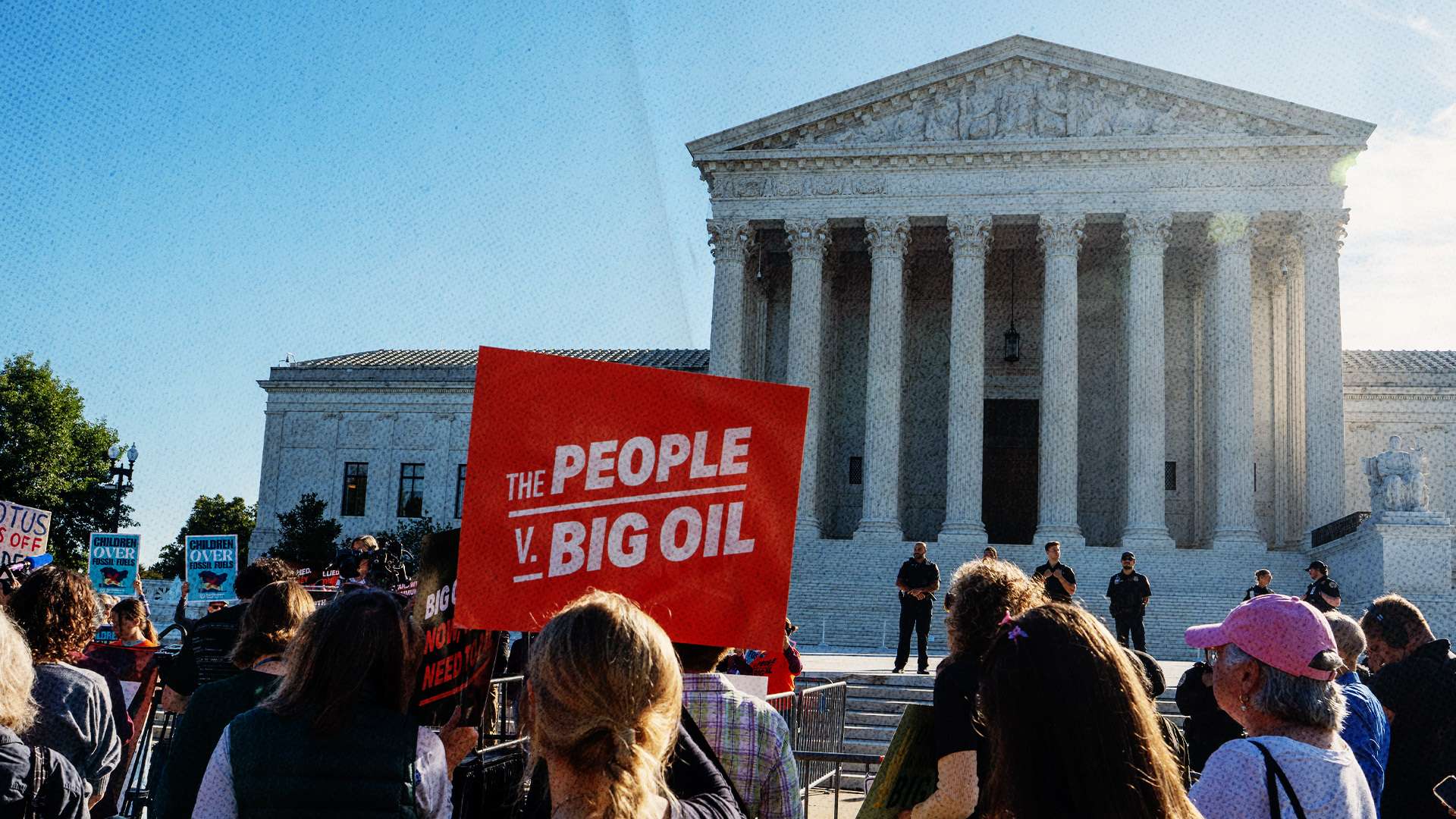
“One side or the other is going to really dislike you because of the decision,” said Alito, who in late September recused himself from a major climate change case amid scrutiny over his stock holdings in oil companies.
asserted
who → lose → companies
But, the justice said, threats and harassment were “quite disturbing” as well as “a danger for the courts and … others in public life”.
asserted
threats → say → life
Those remarks echoed rare testimony before the US House in July by Barrett and her liberal colleague Elena Kagan as they made the case for upgraded supreme court security, saying a rise in threats had increasingly affected the justices’ personal and family lives.
asserted
rise → echo → lives
One notable case was the arrest of a would-be assassin near the home of Kavanaugh with weapons and zip ties in 2022 after word leaked that the supreme court would overturn Roe v Wade.
asserted
court → leak → Roe
Alito additionally expressed his belief that “very harsh criticism” by Trump as well as his presidential successor and predecessor Joe Biden could be “quite damaging” to the supreme court.
uncertain
criticism → express → court
And he insisted that the supreme court’s job was to interpret the US constitution “as best we can” and apply it to the cases it handles, while rejecting the notion that it had evolved into a political institution.
asserted
it → insist → institution
“We are not part of any political movement,” said Alito, whose memoir – titled So Ordered: An Originalist’s View of the Constitution, the Court and Our Country – was given a Tuesday release date.
asserted
memoir → say → date
“And we are not attempting to further any political agenda.”
asserted
we → attempt → agenda
 The Aporia