Photo via Times of India

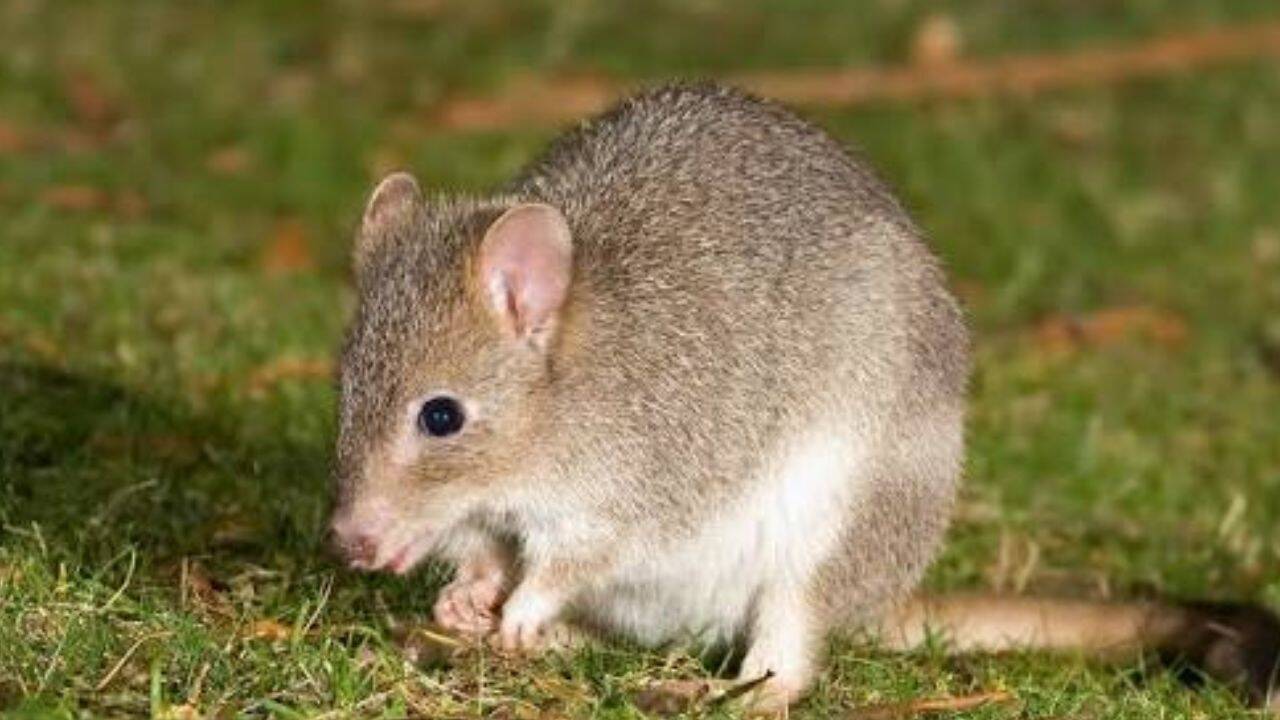
Australia released 17 threatened bettongs into a predator-free reserve

Read the original at Times of India ↗
Cite

TOI Science Desk. (2026, October 4). Australia released 17 threatened bettongs into a predator-free reserve. Times of India. https://timesofindia.indiatimes.com/science/wildlife/australia-released-17-threatened-bettongs-into-a-predator-free-reserve-the-digging-marsupials-could-help-restore-the-forest-ecosystem/articleshow/134567785.cms

Dated when The Aporia collected the article, usually within hours of publication. Check the original for its exact date and byline.

Times of India · collected 2026-10-04 · by TOI Science Desk

Quick Summary

The article reports on the release of 17 adult rufous bettongs into Ngambaa Nature Reserve in New South Wales, Australia. The animals were translocated from Aussie Ark’s Barrington Tops facility and include 10 males and 7 females. This reintroduction is part of a larger conservation effort by the NSW National Parks and Wildlife Service, Aussie Ark, and the University of Newcastle to restore threatened native species to protected areas free from feral predators. The bettongs play a crucial ecological role by digging and dispersing fungi and nutrients, which helps maintain healthy ecosystems.
Written by AI on 2026-10-04, from this article's own text only (the story summary below draws on all the coverage).

AI analysis

Story summary

The NSW National Parks and Wildlife Service, in collaboration with Aussie Ark and the University of Newcastle, released 17 adult rufous bettongs into a predator-free area at Ngambaa Nature Reserve on Australia's mid-north coast. The group consists of 10 males and 7 females, translocated from Aussie Ark’s Barrington Tops facility. This initial release is part of an ongoing plan to reintroduce approximately 30 rufous bettongs over the next 18 months. Rufous bettongs are nocturnal marsupials that play a crucial role in their ecosystem by digging and turning over soil, which helps disperse fungi and nutrients. The aim is to protect and restore these vulnerable native animals from the threats posed by feral cats and foxes.

Written for “Bettong Release In Reserve” on 2026-11-02, grounded in this article and the 0 other(s) covering the same event.

Story

📰 Bettong Release In Reserve
Environment · 1 article(s) covering the same event.

Compared with similar articles

Nothing to compare against. No article is close enough to this one for the pipeline to have linked or judged the pair.
How this article was measured signals, leaning charts, publisher record, byline, topics and claims

Signals How these are calculated →

Claims extracted
29
sentences that state something as happening or true
Uncertain
3%
1 of 29 hedged ("reportedly", "may", "according to")
Leaning
not political
takes no side on a contested political question
Publisher signals
59/100
Times of India's corrections and hedging, across everything collected from it. Not a measure of accuracy.
Outlets on this story
1
Environment
Same framing elsewhere
1
articles that frame the event the way this one does
Analyzed 2026-10-04 · how these are computed

How this is being covered How these are calculated →

Article leaning vs. publisher reliability
Source leaning vs. consistency

Publisher

Times of India · 3966 article(s) · 3 correction(s) detected
Running correction rate · 3 correction(s)

Who wrote this

TOI Science Desk
306 article(s) here · 1 carrying a prediction
🔮 “Normally, my job is quite monotonous, so I wanted to create something that would entertain people, turning my ‘serious’ job into something fun,” he said in a Guinness World Records news release.
🔮 The subsequent collision between the two galaxy clusters may then have compressed the cloud or re-energised its particles, causing it to shine more brightly in radio wavelengths once again.
🔮 The mathematicians at the University of California, Davis, argue that the answer may already lie within Einstein’s own equations and that an invisible form of energy may not be needed at all.
🔮 The work will be carried out by the West Tennessee River Basin Authority, which is preparing a plan to restore the river and the land around it.
🔮 Cornell University scientists have developed genetically engineered tomato plants that turn red-purple when nitrogen becomes scarce, giving farmers a visible warning that crops may need fertiliser.
🔮 By studying these crystals and other mineral grains, scientists could establish the meteorite's age and identify later changes caused by water.
🔮 Centuries later, bronze objects found in Scandinavia would preserve chemical signatures consistent with the metals produced at this Spanish site, offering evidence of connections that may have crossed much of Europe.
🔮 Deposited impurities and staining may also have contributed, while low temperatures and humidity could cause the fabric to crack.
🔮 Two male king cobras meeting during the breeding season may engage in a prolonged contest, using their bodies to wrestle for control rather than relying on the venomous strikes associated with these snakes.
🔮 The project could offer a new way to build more affordable and sustainable homes across Canada.
Wire or desk byline, not an individual reporter.
Also by TOI Science Desk
Nothing else under this byline is closely related to this article, so these are simply their most recent.
All 306 articles by TOI Science Desk →

Topics

Aussie Ark Aussie Ark’s NSW The NSW National Parks and Wildlife Service the University of Newcastle

Subjects

NSW GPE · 9× Aussie Ark ORG · 4× NPWS ORG · 3× The NSW National Parks and Wildlife Service ORG · 3× the University of Newcastle ORG · 3× Aussie Ark’s ORG · 2× Australia GPE · 1× Koalas David Kelly PERSON · 1× the NSW Government’s ORG · 1×

Narrative

The feral predator-free areas in NSW were established to protect and restore some of Australia’s most vulnerable threatened native animals in NSW from the impacts of feral cats and foxes.
framing: assertive · carried by 1 article(s) · first seen 2026-10-04
🔮 said returning rufous bettongs to Ngambaa Nature Reserve would help restore an important ecosystem engineer to the landscape while contributing to the long-term security of the species.
2026-10-04 · Times of India
Australia released 17 threatened bettongs into a predator-free reserve · assertive framing

Claims (29 extracted, 1 hedged)

A threatened native species is returning to Ngambaa Nature Reserve on the NSW mid-north coast, with 17 adult rufous bettongs released into a feral predator-free area. asserted
bettongs → return → area
The NSW National Parks and Wildlife Service, Aussie Ark and the University of Newcastle carried out the first state-wide wild release of the species. asserted
Service → carry → species
The group includes 10 males and 7 females, which were translocated from Aussie Ark’s Barrington Tops facility in NSW. asserted
which → include → NSW
According to the NSW Government’s Environment and Heritage, they form the first cohort of approximately 30 rufous bettongs planned for reintroduction to Ngambaa Nature Reserve over the next 18 months. uncertain
they → accord → months
They also play an important ecological role by digging and turning over soil and helping disperse fungi and nutrients. asserted
They → play → fungi
How did 17 rufous bettongs return to Ngambaa Nature Reserve asserted
bettongs → return → Reserve
The first release brings 17 adult rufous bettongs to Ngambaa Nature Reserve. asserted
release → bring → Reserve
The animals were translocated from Aussie Ark’s Barrington Tops facility after years of careful planning and preparation. asserted
animals → translocate → planning
The group includes 10 males and 7 females. asserted
group → include → males
This is the first release under the partnership and marks a state-first release involving the NSW National Parks and Wildlife Service, Aussie Ark and the University of Newcastle. asserted
This → mark → Newcastle
The 17 animals form the first cohort of approximately 30 rufous bettongs that are planned to be reintroduced to the reserve over the next 18 months. asserted
that → form → months
The release took place in a feral predator-free area at Ngambaa Nature Reserve, on the NSW mid-north coast. asserted
release → take → coast
The project returns the threatened native species to a protected area. asserted
project → return → area
They have an important ecological role because they dig and turn over soil while helping disperse fungi and nutrients. asserted
they → have → fungi
These activities support healthier forest and woodland ecosystems. asserted
activities → support → ecosystems
Recent surveys indicate a significant reduction in the distribution and abundance of rufous bettongs in NSW, where they were previously well-known to occur. asserted
they → indicate → NSW
The species is therefore being returned as part of a broader effort to rebuild healthier ecosystems in parks. asserted
species → return → parks
said returning rufous bettongs to Ngambaa Nature Reserve would help restore an important ecosystem engineer to the landscape while contributing to the long-term security of the species. asserted
returning → say → species
How the released bettongs will be monitored The rufous bettongs are being monitored in Ngambaa Nature Reserve through cameras, remote microchip scanners and health checks after release. asserted
bettongs → release → release
The project is part of NPWS’ 10 feral predator-free area sites, which span more than 60,000 hectares. asserted
which → span → hectares
These sites aim to support the conservation of more than 50 threatened native species across NSW. asserted
sites → aim → NSW
They also include plans for the re-establishment of nearly 30 species that are now either extinct in NSW or in local ecosystems. asserted
that → include → ecosystems
The feral predator-free areas in NSW were established to protect and restore some of Australia’s most vulnerable threatened native animals in NSW from the impacts of feral cats and foxes. asserted
areas → establish → cats
This work forms part of NPWS’ commitment to zero extinctions in NSW parks. asserted
work → form → parks
Rufous bettongs become the second species returned to the reserve The rufous bettong is the second species to be returned to Ngambaa Nature Reserve. asserted
bettong → become → Reserve
It joins a population of Parma wallabies that were reintroduced to the area last year. asserted
that → join → area
The rufous bettong release comes after years of planning and preparation by the NSW National Parks and Wildlife Service, Aussie Ark and the University of Newcastle. asserted
release → come → Newcastle
Aussie Ark said the 17 adults had been successfully conditioned for the wild after living in its 400-hectare feral-proof Barrington Wildlife Sanctuary. asserted
adults → say → Sanctuary
The release is part of a wider conservation effort focused on threatened native animals. asserted
release → focus → animals

💬Give feedback
🕘History 🎫Support