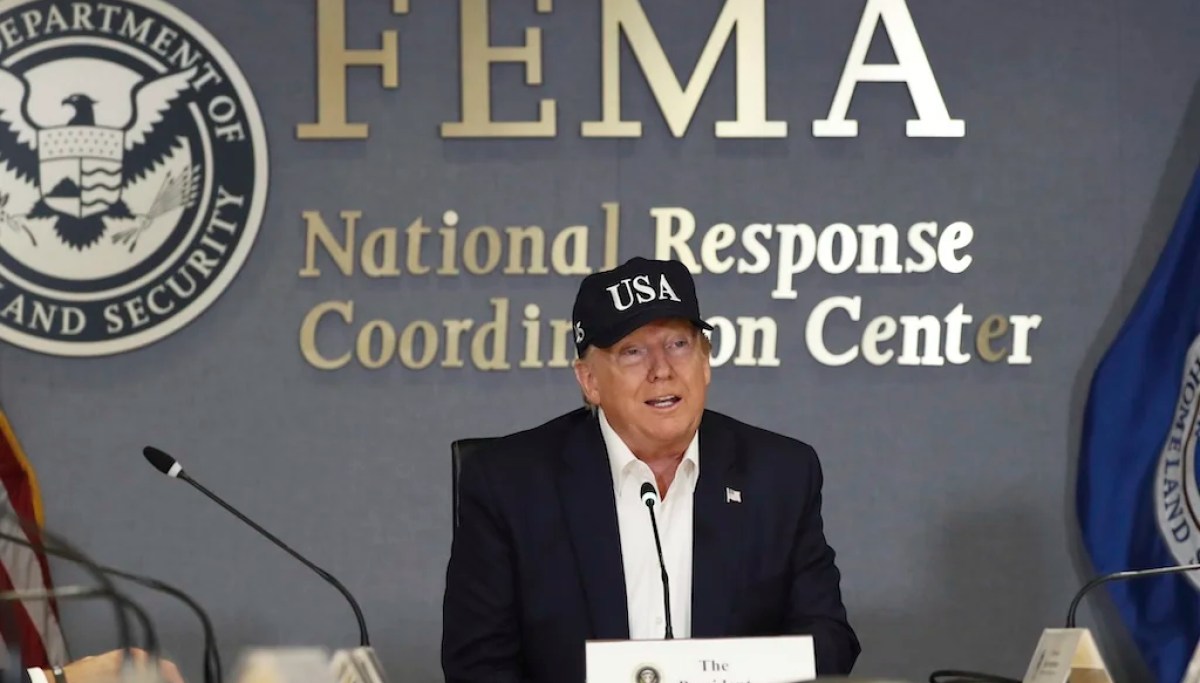
President Donald Trump ushered in a new era that ended the postwar years.
asserted
that → usher → years
Language defining it will emerge over the next decade, but, eventually, few will deny that Trump, nearly single-handedly and through pure Nietzschean will, kicked off this era.
asserted
Trump → define → era
For those on the Left and in the ranks of the federal government, there will be much howling and gnashing of teeth as they seethe at the mere mention of Trump’s name.
asserted
they → seethe → name
But the spirit of this new era can be understood through an idea Ronald Reagan captured perfectly: the need to keep government in check and out of your business.
asserted
Reagan → understand → business
In his time, Reagan was vilified as an extremist; he was mild compared to Trump.
asserted
he → vilify → Trump
Ronnie’s quips and offhand remarks sound folksy and canned next to those Trump uses to crush his cellophane detractors.
asserted
Trump → sound → detractors
Yet there is one Reagan quote I believe should be carved on the backdrop of his statue that graces the entrance to Ronald Reagan Washington National Airport.
asserted
that → be → Airport
To me, it was his most profound statement because it captures perfectly the essence and spirit of an American attitude many simply don’t understand: “The nine most terrifying words in the English language are: I’m from the government, and I’m here to help.”
asserted
I → capture → government
Reagan said that in Chicago after a morning at the Illinois State Fair.
asserted
Reagan → say → Fair
The quote captures the idea that precise language is necessary to keep government in check and out of your business, even in our Orwellian world of constant surveillance and forever wars.
asserted
language → capture → surveillance
Ronnie likely used the word help purposely; he knew how insidious the word can be and how, under the banner of help, the proverbial camel gradually nudges its nose under the tent.
asserted
camel → use → tent
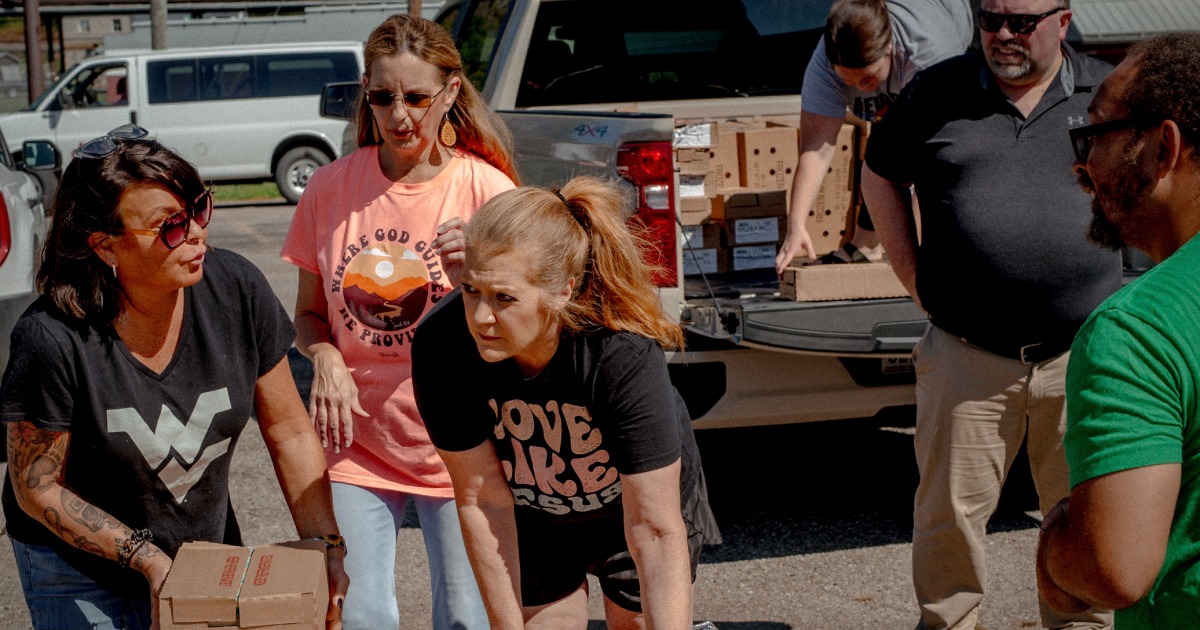
In our day, bureaucrats in Washington, D.C., send hordes of underlings to roam the heartland and fringes of America, engaging in busywork that gives them job security and a license to meddle in the name of help.
asserted
that → send → help
Under the banner of help, thousands of bureaucrats are living in hotels across the country, collecting per diem for months and years on end.
asserted
thousands → live → end
They hail from the Federal Emergency Management Agency.
asserted
They → hail → Agency
Mostly due to disaster threshold levels that have not kept pace with inflation, major disaster declarations have climbed from about 25 a year in FEMA’s first decade to more than 60 today, and the agency has been handed missions that have nothing to do with hurricanes: migrant surges, Afghan refugees, even the pandemic.
asserted
that → keep → hurricanes
Give a word like help no boundary, and it will always find more work to do.
asserted
it → give → work
In my book Texas Flood: 4 July 2025, I mention help or helping a lot.
asserted
I → mention → help
It appears when I’m about to be sent to FEMA to nurse the agency through hurricane season and then shut it down or radically transform it.
asserted
I → appear → it
Prior to going, my team analyzed the laws outlining FEMA’s purpose.
asserted
team → go → purpose
The volumes we sifted through didn’t mention help, yet it’s featured prominently in FEMA’s mission statement: “Helping people before, during and after disasters.”
asserted
it → sift → disasters
Somehow, FEMA had managed to reverse-engineer Reagan’s statement.
asserted
FEMA → manage → statement
When I first read the mission statement, I was silent, wondering if it was a parody of Reagan’s statement, the Deep State of Incompetency, prone to the Left, making fun of Ronnie.
asserted
it → read → Ronnie
My team stood by as I read it.
asserted
I → stand → it
Finally, I asked, “What the f*** does that mean?”
asserted
that → ask → *
Nobody at FEMA, the news networks, think tanks, or anywhere else has been able to answer that question.
asserted
Nobody → answer → question
In short, it could mean anything.
uncertain
it → mean → anything
Help falls on the far end of open-ended.
asserted
Help → fall → ended
This is the tone of a mission statement one expects to see at the Department of Motor Vehicles, Dairy Queen, or the Unemployment Office.
asserted
one → expect → Vehicles
Help encourages the encroachment of the federal government on state and local responsibilities and allows FEMA to intervene as it sees fit.
asserted
it → encourage → responsibilities
Disaster recovery and response become a pile-on sport, a morass of aimless and uncoordinated actions.
asserted
recovery → become → actions
Go to any FEMA location nationwide, peek through the window, and that’s what you see inside: aimless action and paper churn.
asserted
you → go → what
That’s one reason you can’t get in without a badge.
asserted
you → ’ → badge
They don’t want you to know.
asserted
you → want → ?
The word help also encourages state and local authorities to rely on the agency as the first defense during disasters.
asserted
word → encourage → disasters
By helping, FEMA gets to be Sugar Daddy.
asserted
FEMA → help → ?
There is a real mission statement in the law, and it does not mention help.
asserted
it → be → help
In law, 6 U.S.C. § 313, FEMA’s primary mission is “to reduce the loss of life and property and protect the Nation from all hazards … by leading and supporting the Nation in a risk-based, comprehensive emergency management system of preparedness, protection, response, recovery, and mitigation.
asserted
mission → reduce → preparedness
By now, you may be discouraged and warily looking out the window, trying to spot FEMA employees strolling over the grass and toward your front door, dressed in not-so-uniform uniforms that are not really uniforms but commercially branded apparel purchased from FEMA gift shops.
uncertain
that → discourage → shops
FEMA likes to look official to the naive public.
asserted
FEMA → like → public
But let me suggest what a real mission statement should look like.
asserted
statement → let → what
…and 16 more, not listed.
 The Aporia