The Aporia
Yadav, K. (2026, October 5). Sent back to war zone? 1,500 migrants arrive in Myanmar from Malaysia despite UN safety warning. Times of India. https://timesofindia.indiatimes.com/world/rest-of-world/sent-back-to-war-zone-1500-migrants-arrive-in-myanmar-from-malaysia-despite-un-safety-warning/articleshow/134684204.cms
Yadav, Kanchan. “Sent back to war zone? 1,500 migrants arrive in Myanmar from Malaysia despite UN safety warning.” Times of India, 5 Oct. 2026, https://timesofindia.indiatimes.com/world/rest-of-world/sent-back-to-war-zone-1500-migrants-arrive-in-myanmar-from-malaysia-despite-un-safety-warning/articleshow/134684204.cms.
Yadav, Kanchan. “Sent back to war zone? 1,500 migrants arrive in Myanmar from Malaysia despite UN safety warning.” Times of India, October 5, 2026. https://timesofindia.indiatimes.com/world/rest-of-world/sent-back-to-war-zone-1500-migrants-arrive-in-myanmar-from-malaysia-despite-un-safety-warning/articleshow/134684204.cms.
Dated when The Aporia collected the article, usually within hours of publication. Check the original for its exact date and byline.
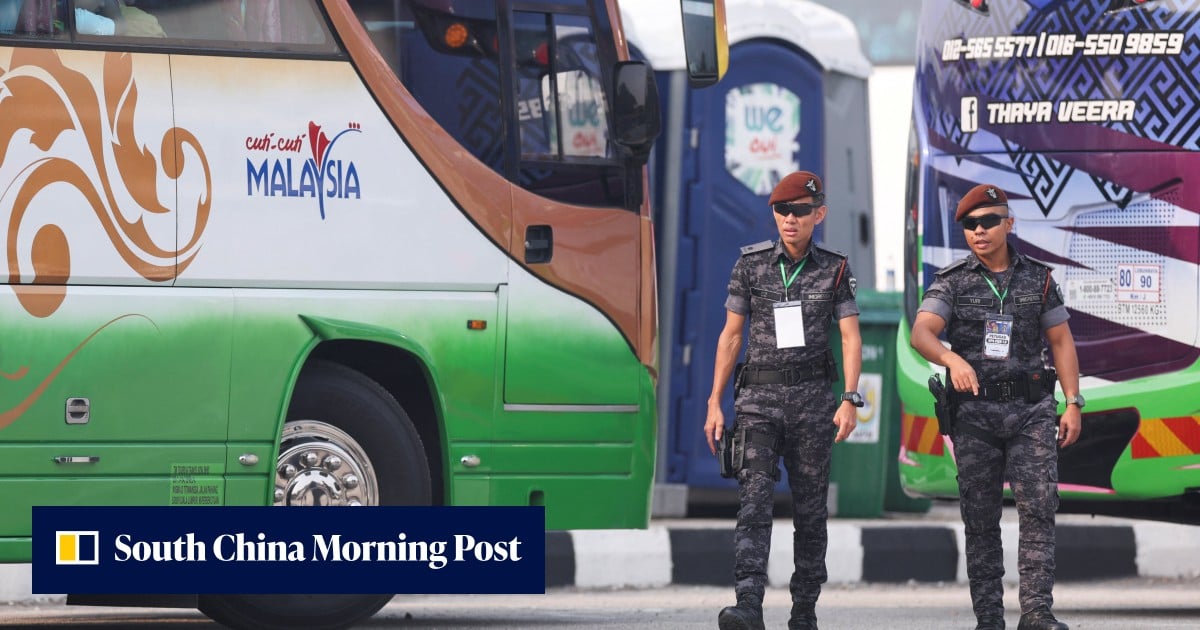
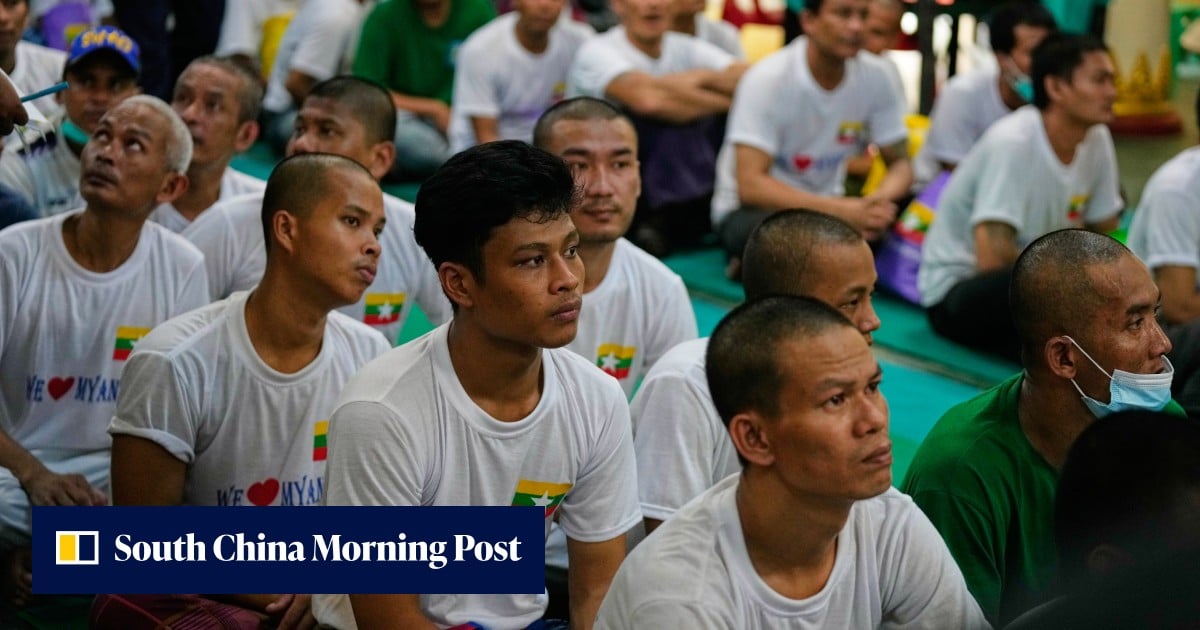
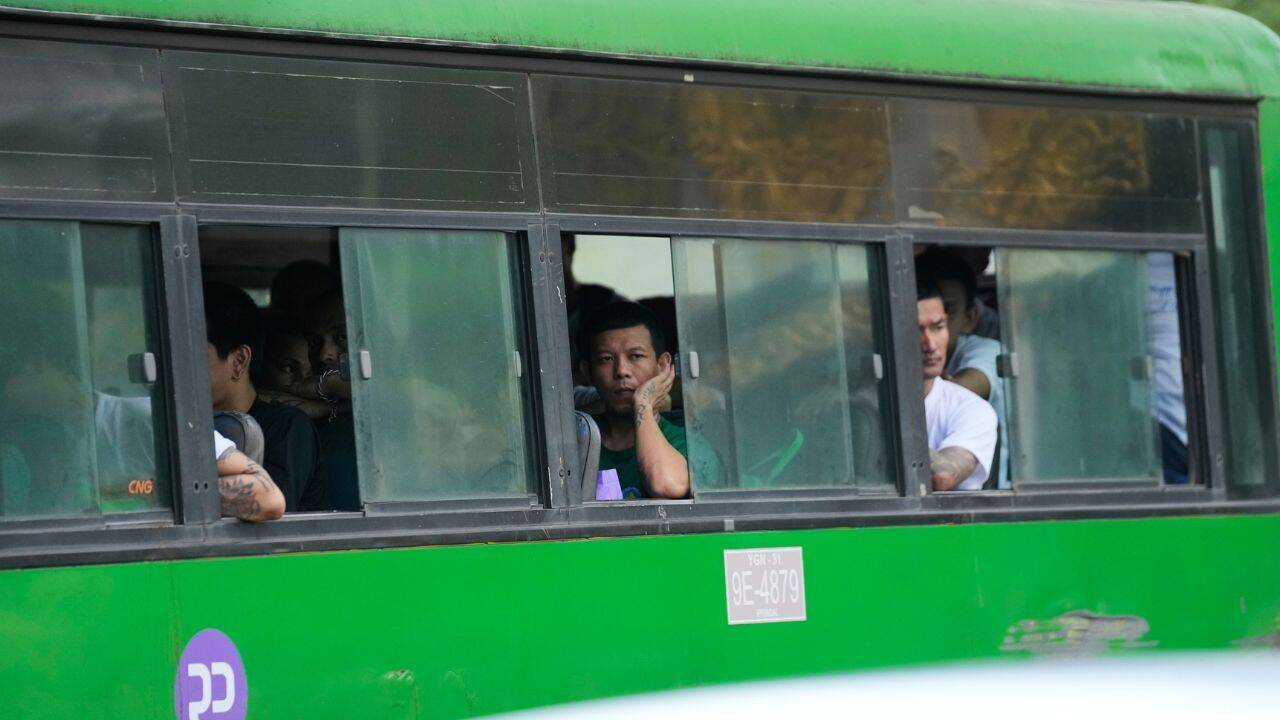
Malaysia began repatriating 1,476 Myanmar nationals, including Rohingya refugees, on Tuesday, despite warnings from the United Nations and human rights groups that returning them to war-torn Myanmar is unsafe. The operation involves 5,000 people in total who are described by Kuala Lumpur as having agreed to "voluntary" repatriation from Malaysian detention centers. However, critics argue this may not be voluntary due to poor conditions and fear of violence at home. Buses carrying the migrants arrived under police escort at a stadium near the Lumut naval base before being transported to three Myanmar navy ships docked nearby for their return voyage.
Rights groups have expressed deep concern over potential persecution and forced conscription in Myanmar, particularly given the country's ongoing civil war since 2021. Approximately two-thirds of the roughly 190,000 Myanmar refugees and asylum seekers in Malaysia are Rohingya Muslims who fled a brutal military crackdown in 2017. Malaysian Prime Minister Anwar Ibrahim defended the decision as a response to public hostility towards the large Rohingya population but faced criticism for violating international refugee law by sending people back into danger.