The Aporia

Reuters. (2026, October 5). Middle East oil exports surpass pre-war levels despite tensions, data shows. Al Jazeera. https://www.aljazeera.com/news/2026/10/5/middle-east-oil-exports-surpass-pre-war-levels-despite-tensions-data-shows?traffic_source=rss
Reuters. “Middle East oil exports surpass pre-war levels despite tensions, data shows.” Al Jazeera, 5 Oct. 2026, https://www.aljazeera.com/news/2026/10/5/middle-east-oil-exports-surpass-pre-war-levels-despite-tensions-data-shows?traffic_source=rss.
Reuters. “Middle East oil exports surpass pre-war levels despite tensions, data shows.” Al Jazeera, October 5, 2026. https://www.aljazeera.com/news/2026/10/5/middle-east-oil-exports-surpass-pre-war-levels-despite-tensions-data-shows?traffic_source=rss.
Dated when The Aporia collected the article, usually within hours of publication. Check the original for its exact date and byline.
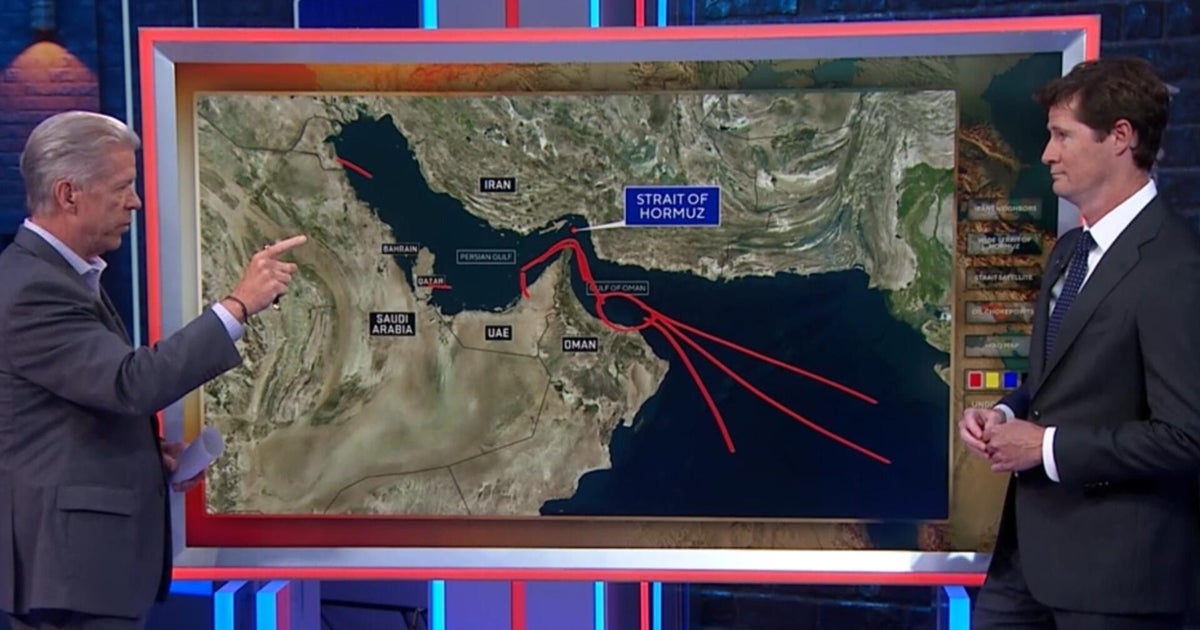
Crude oil exports from West Asia exceeded pre-war levels in four out of seven days at the end of September 2026, according to provisional data from ship-tracking firm Kpler. Despite ongoing tanker attacks, including one incident involving an unknown projectile hitting a large crude carrier (VLCC) named Kazimah III near the Strait of Hormuz on October 1st, which caused onboard fires and injuries to crew members. Before the war started in February 2026 between the U.S.-Israeli coalition and Iran, the region's exports averaged about 18 million barrels per day (bpd). During September, however, Kpler recorded peak daily export volumes ranging from 19.5 million bpd to 22.5 million bpd. This resurgence comes despite claims by senior Islamic Revolutionary Guard Corps commander Ali Fadavi that only 3-4 million bpd are currently moving through the route compared to pre-war traffic, dismissing this amount as "negligible." The increase is attributed partly to increased ship-to-ship transfers reducing risks of Iranian missile or drone strikes.