Photo via Washington Examiner

Iran weaponized one chokepoint in the Gulf. We have dozens unprotected at home

Read the original at Washington Examiner ↗
Cite

Martin, R. (2026, October 5). Iran weaponized one chokepoint in the Gulf. We have dozens unprotected at home. Washington Examiner. https://www.washingtonexaminer.com/op-eds/4751857/us-critical-infrastructure-vulnerabilities-iran-threat/

Dated when The Aporia collected the article, usually within hours of publication. Check the original for its exact date and byline.

Washington Examiner · collected 2026-10-05 · by Rachel Martin

Quick Summary

The article discusses how Iran's actions in the Gulf region demonstrate the potential for adversaries to weaponize critical infrastructure and chokepoints. It cites the Strait of Hormuz as an example where Iranian threats led to disruptions in shipping and energy prices. The author argues that similar vulnerabilities exist within the United States, particularly in civilian systems like water, electricity, food production, communications, transportation, ports, and fuel. These interdependent systems can become targets for coordinated attacks by adversaries such as Iran, Russia, China, and North Korea.
Written by AI on 2026-10-05, from this article's own text only (the story summary below draws on all the coverage).

AI analysis

Story summary

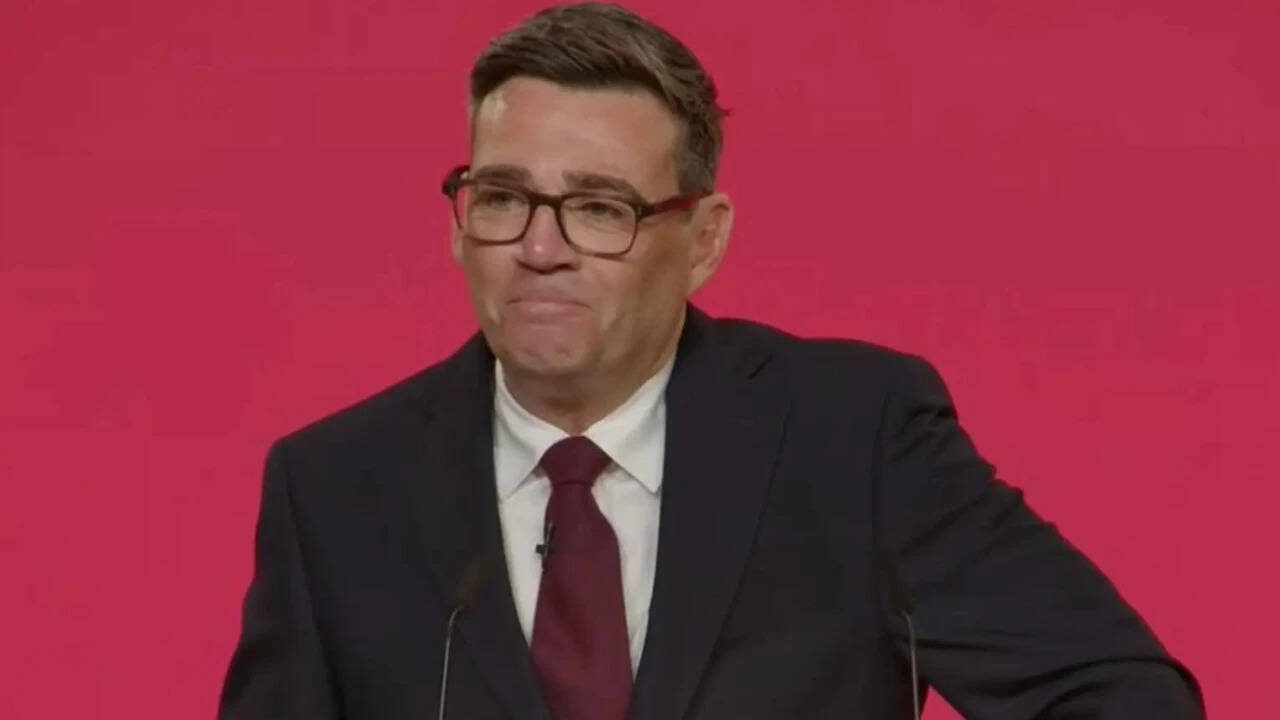
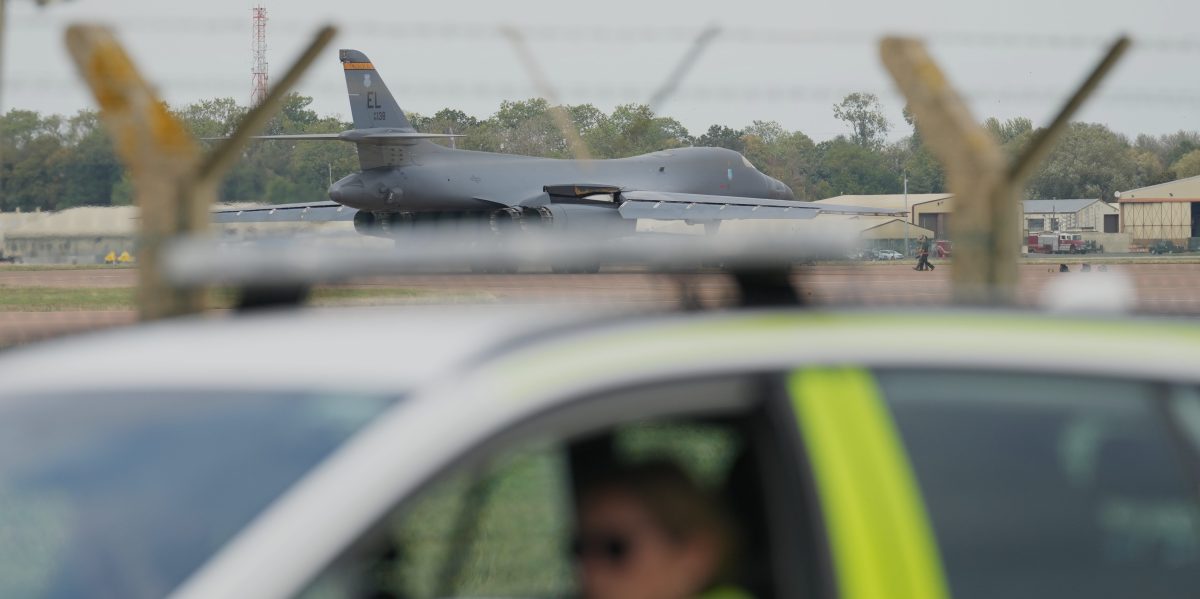
Iran is suspected of involvement in two recent incidents: a terror plot near RAF Fairford, a British airbase used by U.S. forces during operations against Iran, and a stabbing aboard a FlyDubai flight headed for Israel. In the former case, five men were arrested on suspicion of preparing terrorist acts; while in the latter, a co-pilot allegedly stabbed the captain and tried to crash the aircraft with over 180 people aboard. British Prime Minister Andy Burnham said there are "strong indications" that Iran was involved at RAF Fairford, though Tehran denies any role. Security has been significantly increased at RAF Fairford in response to the threats. Meanwhile, US Secretary of State Marco Rubio confirmed a “foreign actor” was involved and suggested it could be linked to Iran, warning potential repercussions if such threats continue. These incidents raise concerns about Iran shifting its war strategy towards more covert tactics as tensions with the U.S., Israel, and others persist.

Written for “Iran Threats RAF Fairford Incident” on 2026-11-03, grounded in this article and the 201 other(s) covering the same event.

Story

📰 Iran Threats RAF Fairford Incident
Politics · 202 article(s) covering the same event. Compare every outlet's account →

Compared with similar articles

This article reads leans right and hedges 11% of its claims. Each row says how that neighbour differs.
The Guardian
Hedges 2 of 26 claims Outlet record 66/100
Evening Standard
⚖️ Leans right Hedges 3 of 29 claims Outlet record 64/100
Times of India
Hedges 0 of 9 claims Outlet record 59/100
Evening Standard
Hedges 1 of 40 claims Outlet record 64/100
“Article A discusses initial arrests of five British nationals near RAF Fairford over a weekend before they were bailed, while Article B mentions a subsequent arrest of a dual UK-Iranian national in connection with the same incident.”
Al Jazeera
Hedges 12 of 56 claims Outlet record 60/100
The Hindu
Hedges 0 of 12 claims Outlet record 60/100
The Intercept
⚖️ Leans left further left than this Hedges 14 of 95 claims Outlet record 97/100
NPR
⚖️ Leans right Hedges 4 of 58 claims Outlet record 60/100
“Article A discusses an alleged Iranian-sponsored attack and arrests at RAF Fairford, while Article B reports on U.S. moving long-range bombers from the UK after the incident described in Article A.”
CBS News
Hedges 0 of 2 claims Outlet record 66/100
“The articles describe different attacks at distinct locations (RAF Fairford and a U.S. base in Kuwait).”
How this article was measured signals, leaning charts, publisher record, byline, topics and claims

Signals How these are calculated →

Claims extracted
61
sentences that state something as happening or true
Uncertain
11%
7 of 61 hedged ("reportedly", "may", "according to")
Leaning
Leans right
of the writing, not the subject · beta estimate
Publisher signals
70/100
Washington Examiner's corrections and hedging, across everything collected from it. Not a measure of accuracy.
Outlets on this story
202
Politics
Same framing elsewhere
1
articles that frame the event the way this one does
Analyzed 2026-10-05 · how these are computed

How this is being covered How these are calculated →

Article leaning vs. publisher reliability
Source leaning vs. consistency

Publisher

Washington Examiner · 3988 article(s) · 7 correction(s) detected
Running correction rate · 7 correction(s)

Who wrote this

Rachel Martin
1 article(s) here · 1 carrying a prediction
🔮 The battlefield may already be expanding.
The only article under this byline in the corpus.

Topics

America British China Iran Russia

Subjects

Iran GPE · 8× China GPE · 4× America GPE · 3× British NORP · 3× Russia GPE · 3× American NORP · 2× Iranian NORP · 2× Israeli NORP · 2× North Korea GPE · 2× Benjamin Netanyahu PERSON · 1×

Narrative

She has more than two decades of experience working with local, state, and federal law enforcement, fire agencies, and military professionals on homeland security, public safety, and critical-infrastructure issues.
framing: assertive · carried by 1 article(s) · first seen 2026-10-05
🔮 The battlefield may already be expanding.
2026-10-05 · Washington Examiner
Iran weaponized one chokepoint in the Gulf. We have dozens unprotected at home · assertive framing

Claims (61 extracted, 7 hedged)

The battlefield may already be expanding. uncertain
battlefield → expand → ?
British authorities say there are strong indications Iran played a role in the incident at RAF Fairford, the British base used by American bombers against Iran. asserted
Iran → say → Iran
Israeli Prime Minister Benjamin Netanyahu says Israeli intelligence warned Britain beforehand of what he described as an Iranian-sponsored attack. asserted
he → say → attack
British counterterrorism police have since arrested a dual UK-Iranian national on suspicion of preparing terrorist acts in connection with the investigation. asserted
police → arrest → investigation
Iran denies involvement, and the investigation continues. asserted
investigation → deny → involvement
But the warning is unmistakable: America’s adversaries are looking beyond the traditional battlefield. asserted
adversaries → look → battlefield
We should be looking at what they might target next. uncertain
they → look → what
The war with Iran has already demonstrated how quickly critical infrastructure can become a weapon. asserted
infrastructure → demonstrate → Iran
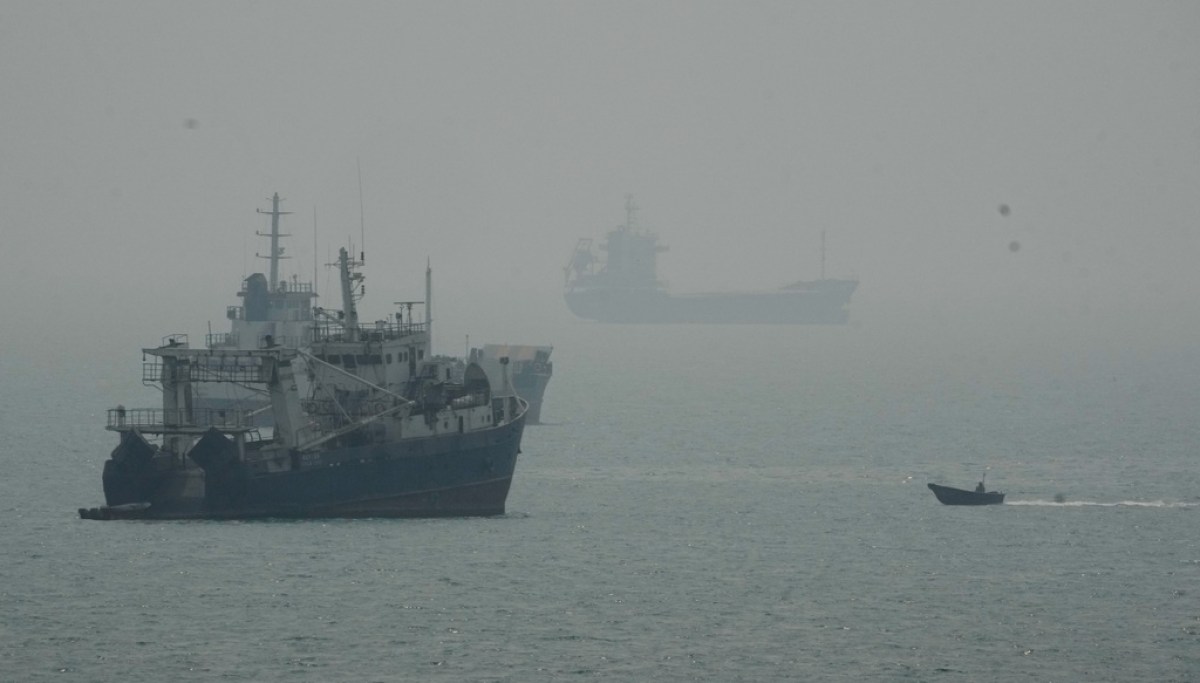
Iran did not have to destroy the world’s energy infrastructure to create global consequences. asserted
Iran → have → consequences
It only had to threaten a narrow maritime chokepoint through which much of the world’s energy supply travels. asserted
much → have → supply
Ships were attacked. asserted
Ships → attack → ?
Commercial traffic plunged. asserted
traffic → plunge → ?
Energy prices surged. asserted
prices → surge → ?
American military resources were redirected to protect shipping. asserted
resources → redirect → shipping
That should force Americans to ask a more uncomfortable question: What happens when the chokepoint is here? America’s greatest vulnerabilities aren’t necessarily military bases. asserted
vulnerabilities → force → question
They are systems the public assumes will work every morning: water, electricity, food production, communications, transportation, ports, and fuel. asserted
public → assume → ?
These systems depend on one another. asserted
systems → depend → one
Electricity moves water. asserted
Electricity → move → water
Water sustains agriculture. asserted
Water → sustain → agriculture
Agriculture supplies food. asserted
Agriculture → supply → food
Food processing requires water and power. asserted
processing → require → water
Transportation requires fuel. asserted
Transportation → require → fuel
Emergency responders require communication. asserted
responders → require → communication
Military installations themselves depend heavily on the surrounding civilian infrastructure. asserted
installations → depend → infrastructure
Attack one system, and America can respond — several simultaneously, and the consequences multiply. asserted
consequences → attack → system
For more than two decades, I have worked with law enforcement, fire agencies, and military professionals. asserted
I → work → enforcement
In recent years, I also experienced another side of security firsthand as a California farmer and agricultural processor. asserted
I → experience → farmer
Those experiences taught me something Washington too often treats as separate policy questions. asserted
Washington → teach → questions
Our adversaries understand dependencies. asserted
adversaries → understand → dependencies
We need to understand our own. asserted
We → need → own
We also need to stop viewing China, Russia, Iran, and North Korea as four entirely separate threats. asserted
We → need → threats
They don’t need a formal alliance. asserted
They → need → alliance
They only need to cooperate when their interests overlap. asserted
interests → need → ?
Russia and Iran have deepened their relationship. asserted
Russia → deepen → relationship
North Korea has supported Russia militarily. asserted
Korea → support → Russia
China remains economically indispensable to Tehran, and China does not have to direct every Iranian, Russian, or North Korean action to benefit. asserted
China → remain → action
China is playing the longest game. asserted
China → play → game
Every crisis that consumes U.S. resources, strains alliances, or exposes vulnerabilities gives Beijing another opportunity to observe how we respond. asserted
we → consume → opportunity
How quickly can we adapt? asserted
we → adapt → ?
How many simultaneous crises can we sustain? asserted
we → sustain → crises
…and 21 more, not listed.

💬Give feedback
🕘History 🎫Support