Photo via Times of India

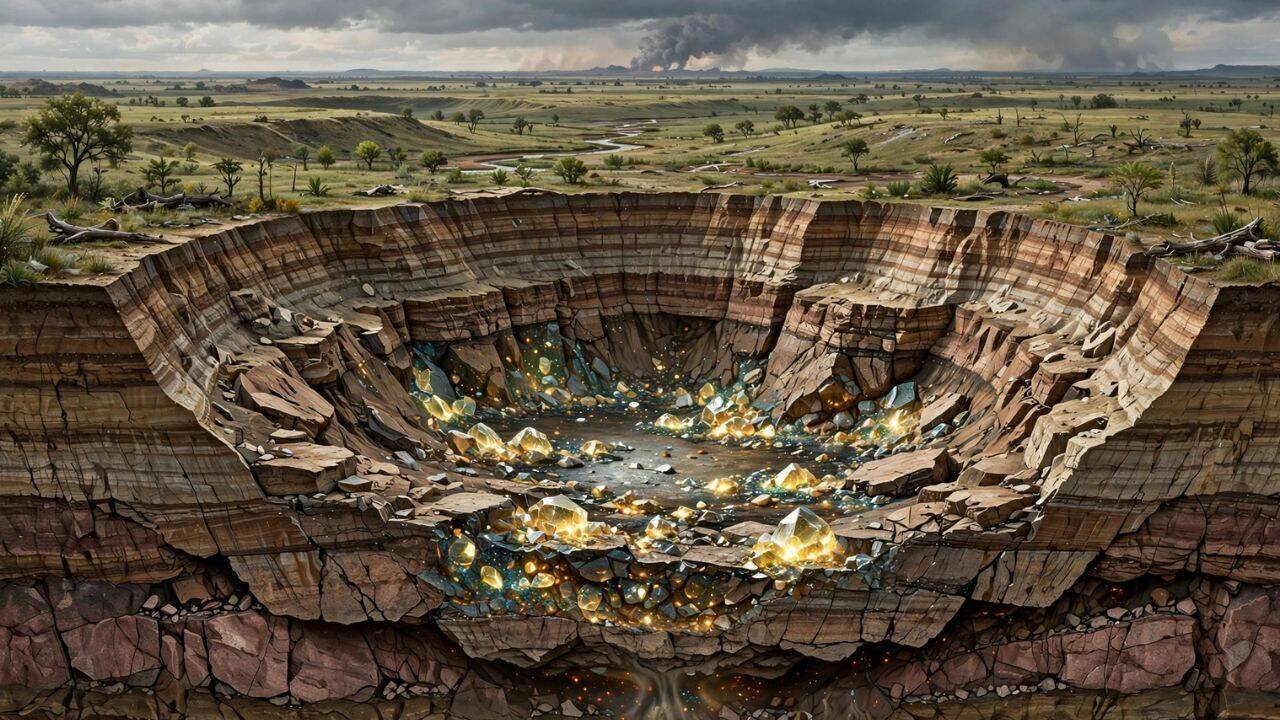
Ames crater, once linked to a 470-million-year-old event, may be nearly 370 million years old

Read the original at Times of India ↗
Cite

TOI Science Desk. (2026, October 5). Ames crater, once linked to a 470-million-year-old event, may be nearly 370 million years old. Times of India. https://timesofindia.indiatimes.com/science/archaeology/oklahomas-ames-crater-was-linked-to-a-470-million-year-old-event-zircon-dating-suggests-it-may-be-nearly-370-million-years-old-near-an-extinction/articleshow/134694088.cms

Dated when The Aporia collected the article, usually within hours of publication. Check the original for its exact date and byline.

Times of India · collected 2026-10-05 · by TOI Science Desk

Quick Summary

Scientists previously believed that Oklahoma’s Ames impact structure was formed around 470 million years ago due to a meteor event. However, new research published in Meteoritics & Planetary Science suggests that the crater may actually be nearly 370 million years old, placing it in the Late Devonian period rather than the Ordovician. This conclusion is based on radioisotopic dating of zircon from impact-melted granite, where 10 out of 11 measurements indicated an age close to 370 million years, shifting the Ames impact's timeline closer to a major extinction event known as the Frasnian-Famennian boundary.
Written by AI on 2026-10-05, from this article's own text only (the story summary below draws on all the coverage).

AI analysis

Story summary

Researchers studying Ames crater in Oklahoma have discovered that it may be nearly 370 million years old instead of around 470 million years as previously thought. The new research, published in *Meteoritics & Planetary Science*, involved analyzing zircon from impact-melted granite using advanced dating techniques such as secondary ion mass spectrometry and laser ablation-inductively coupled plasma-mass spectrometry. This revised age places the crater formation during the Late Devonian period, closer to the Frasnian-Famennian boundary and the Upper Kellwasser Crisis, a significant extinction event. The Ames structure is located beneath Ames, Oklahoma, with an outer rim measuring 14-16 km in diameter. Previously, it was associated with the Ordovician Meteor Event around 466-468 million years ago due to conodonts and molds found within the crater fill material. This new dating could provide important insights into North American impact chronology and paleontology.

Written for “Ancient Crater Redated” on 2026-11-01, grounded in this article and the 0 other(s) covering the same event.

Story

📰 Ancient Crater Redated
Science · 1 article(s) covering the same event.

Compared with similar articles

Nothing to compare against. No article is close enough to this one for the pipeline to have linked or judged the pair.
How this article was measured signals, leaning charts, publisher record, byline, topics and claims

Signals How these are calculated →

Claims extracted
29
sentences that state something as happening or true
Uncertain
21%
6 of 29 hedged ("reportedly", "may", "according to")
Leaning
not political
takes no side on a contested political question
Publisher signals
59/100
Times of India's corrections and hedging, across everything collected from it. Not a measure of accuracy.
Outlets on this story
1
Science
Same framing elsewhere
1
articles that frame the event the way this one does
Analyzed 2026-10-05 · how these are computed

How this is being covered How these are calculated →

Article leaning vs. publisher reliability
Source leaning vs. consistency

Publisher

Times of India · 3858 article(s) · 2 correction(s) detected
Running correction rate · 2 correction(s)

Who wrote this

TOI Science Desk
299 article(s) here · 1 carrying a prediction
🔮 The work will be carried out by the West Tennessee River Basin Authority, which is preparing a plan to restore the river and the land around it.
🔮 Cornell University scientists have developed genetically engineered tomato plants that turn red-purple when nitrogen becomes scarce, giving farmers a visible warning that crops may need fertiliser.
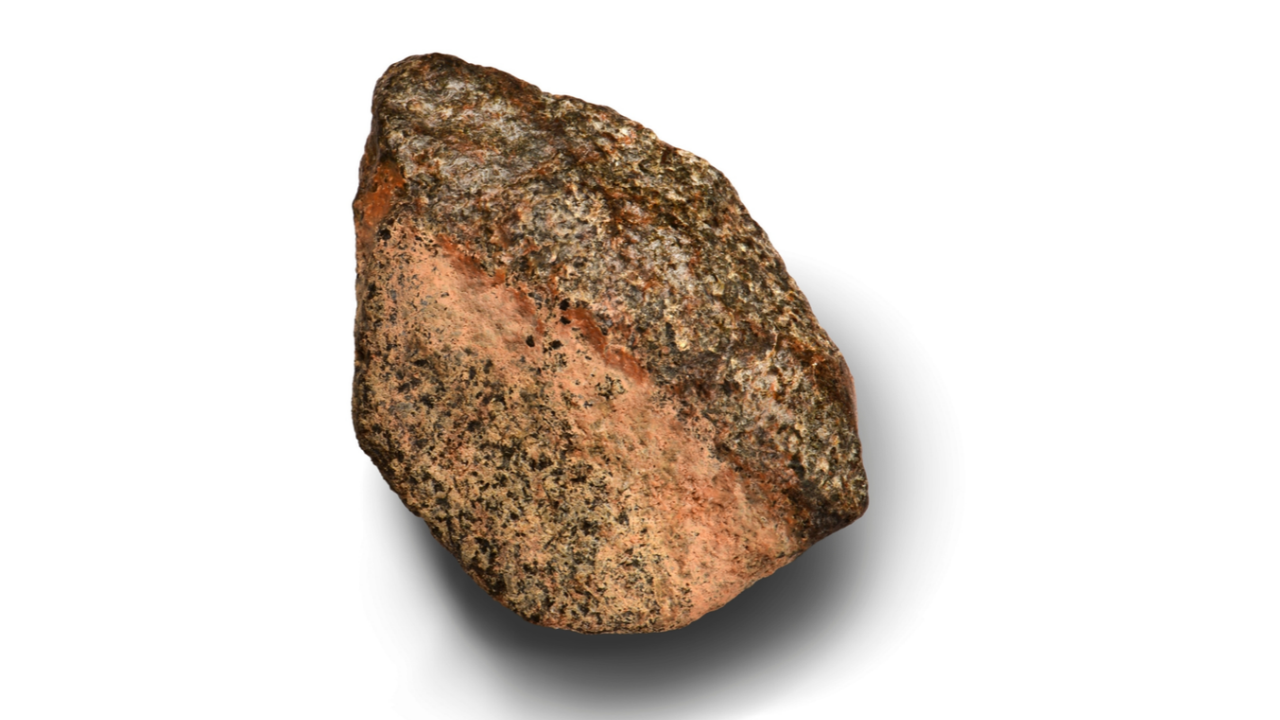
🔮 By studying these crystals and other mineral grains, scientists could establish the meteorite's age and identify later changes caused by water.
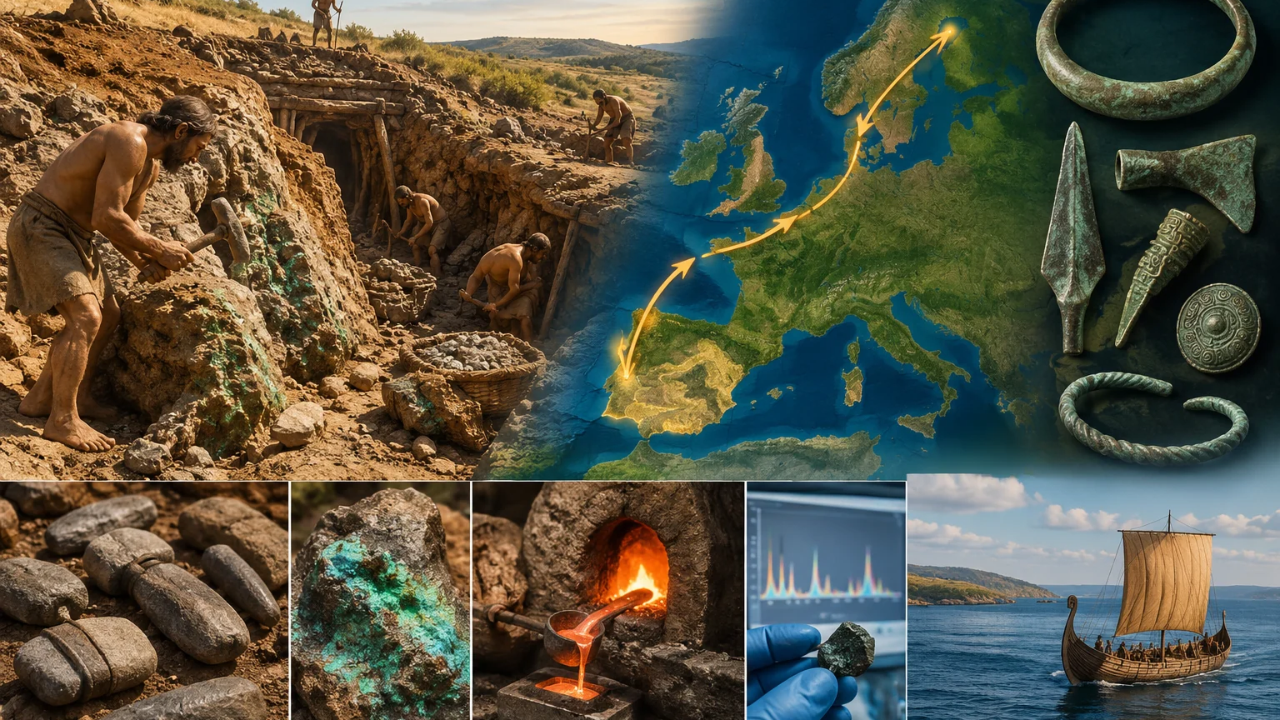
🔮 Centuries later, bronze objects found in Scandinavia would preserve chemical signatures consistent with the metals produced at this Spanish site, offering evidence of connections that may have crossed much of Europe.
🔮 She explored whether an inexpensive device could capture airborne genetic material and support the detection of bacterial pathogens.
🔮 This control may help it maintain its orientation and move along a narrow path without losing its bearings.
🔮 The university says the sculpture will subsequently go on permanent display at its Turner Museum of Glass.
🔮 By bringing together nature, wellness facilities and educational spaces, Winter Garden aimed to create a setting where visitors could exercise, learn about nutrition and gardening, and spend time outdoors.
🔮 Also discovered was a 4,500-year-old humanoid idol, which archaeologists hope will help shed light on the cultural traditions of the region.
🔮 When garlic mustard spreads across the forest floor, other plants may struggle to obtain the resources they need to survive.
Wire or desk byline, not an individual reporter.
Also by TOI Science Desk
Nothing else under this byline is closely related to this article, so these are simply their most recent.
All 299 articles by TOI Science Desk →

Topics

Ames Meteoritics & Planetary Science North American Oklahoma the Upper Kellwasser Crisis

Subjects

North American NORP · 3× Oklahoma GPE · 2× Ames GPE · 1× Canada GPE · 1× Meteoritics & Planetary Science ORG · 1× Nevada GPE · 1× Tennessee GPE · 1×

Narrative

How did zircon dating reveal the age of the Ames impact Researchers analysed zircon from the impact-melt portion of the Ames structure using secondary ion mass spectrometry and laser ablation-inductively coupled plasma-mass spectrometry.
framing: mixed · carried by 1 article(s) · first seen 2026-10-05
🔮 By dating zircon from impact-melted granite, researchers may have found a distinct group of grains with an age of nearly 370 million years, suggesting the crater formed during the Late Devonian.

Claims (29 extracted, 6 hedged)

For decades, scientists linked Oklahoma’s Ames impact structure to a meteor event that swept across Earth nearly 470 million years ago. asserted
that → link → Earth
According to research published in Meteoritics & Planetary Science titled ‘ The Ames impact structure, Oklahoma: New radioisotopic constraints and implications for North American impact chronology’, new evidence points to a very different timeline. uncertain
evidence → accord → timeline
By dating zircon from impact-melted granite, researchers may have found a distinct group of grains with an age of nearly 370 million years, suggesting the crater formed during the Late Devonian. uncertain
crater → date → Devonian
That would place the impact close to the Frasnian-Famennian boundary and the Upper Kellwasser Crisis, a major extinction event. asserted
That → place → boundary
How did new dating place the Ames impact near a major extinction The Ames impact structure lies beneath Ames, Oklahoma, with an outer rim measuring 14-16 km in diameter. asserted
structure → place → diameter
It was previously considered one of the largest impact structures associated with the Ordovician Meteor Event, which began about 466-468 million years ago. asserted
which → consider → Event
This connection was based on conodonts and moulds identified in material filling the crater. asserted
connection → base → crater
To test the age of the impact, researchers used radioisotopic dating on zircon and plagioclase from impacted granite. asserted
researchers → test → granite
The youngest zircon population had a weighted mean age of nearly 370 million years. asserted
population → have → years
The researchers interpret this as a maximum age for the impact event. asserted
researchers → interpret → event
If correct, this would place the Ames impact in the Late Devonian rather than the Ordovician, changing its position in North American impact chronology. asserted
this → place → chronology
How did zircon dating reveal the age of the Ames impact Researchers analysed zircon from the impact-melt portion of the Ames structure using secondary ion mass spectrometry and laser ablation-inductively coupled plasma-mass spectrometry. asserted
Researchers → reveal → spectrometry
They made 37 measurements. asserted
They → make → measurements
The youngest zircon dates formed a distinct population. asserted
dates → form → population
10 of the 11 analyses gave a weighted mean age of nearly 370 million years after one statistical outlier was excluded. asserted
outlier → give → years
Most zircons, including the youngest Devonian-age grains, retained their primary oscillatory zoning and showed no signs of deformation. asserted
zircons → include → deformation
Two zircons displayed impact-related textures, including low-angle grain boundaries within microcracks and granular zircon arrays crossing their growth zoning. asserted
zircons → display → zoning
Why did the earlier fossil evidence place the Ames impact in the Ordovician asserted
evidence → place → Ordovician
The earlier Ordovician age for Ames came from Middle Ordovician conodonts and moulds found in the Crater Shale. asserted
age → come → Shale
The study says this age was based on only four small chips and that the Crater Shale has poorly understood and debated stratigraphic relationships. asserted
Shale → say → relationships
The researchers propose that the impact excavated Middle to Upper Ordovician Simpson Group strata and disrupted fossil-bearing sediments. asserted
impact → propose → sediments
Those materials could then have been redeposited inside the crater during resurge and tsunami backwash. uncertain
materials → redeposit → backwash
Under this interpretation, the conodonts came from older rocks struck by the impact and were later deposited inside the crater. asserted
conodonts → come → crater
Rapid redeposition and burial inside the crater may also have helped preserve the delicate fossil remains. uncertain
redeposition → help → remains
Ames impact dates to the period of the Late Devonian extinction The nearly 370-million-year-old zircon age falls close to the Frasnian-Famennian boundary, which marks the Upper Kellwasser Crisis, an extinction event. asserted
which → date → Crisis
The Ames result falls within the broader Middle to Late Devonian window of other North American impacts, though some are somewhat older. asserted
some → fall → impacts
The paper lists Flynn Creek in Tennessee at about 382 million years, Nicholson Lake in Canada at about 385 million years, and the Alamo impact-related deposits in Nevada at 355-382 million years. asserted
paper → list → years
If the zircon interpretation is correct, the Ames impact may provide additional evidence for one or more large bolide impacts during the Late Devonian. uncertain
impact → provide → Devonian
The researchers say this could inform discussions about links between extraterrestrial impacts and environmental disturbances associated with the Frasnian-Famennian mass extinction. uncertain
this → say → extinction

💬Give feedback
🕘History 🎫Support