Photo via BBC News

US 'watching closely' after plague researcher dies in Russia, Rubio says

Read the original at BBC News ↗
Cite

Jackson, P. (2026, October 5). US 'watching closely' after plague researcher dies in Russia, Rubio says. BBC News. https://www.bbc.co.uk/news/articles/cv5yn3nwp5n5o?at_medium=RSS&at_campaign=rss

Dated when The Aporia collected the article, usually within hours of publication. Check the original for its exact date and byline.

BBC News · collected 2026-10-05 · by Patrick Jackson

Quick Summary

US Secretary of State Marco Rubio stated that the United States is closely monitoring a case in Siberia where a female lab technician died at a Russian plague research center. Reports suggest she may have been exposed while working or during a field trip to an area with naturally occurring plague among rodents. However, Russia's health watchdog Rospotrebnadzor reported no signs of dangerous micro-organisms linked to her work and conducted inspections that found no emergency situation at the lab. Kremlin spokesman Dmitry Peskov urged reliance on official statements rather than rumors.
Written by AI on 2026-10-05, from this article's own text only (the story summary below draws on all the coverage).

AI analysis

Story summary

A 28-year-old laboratory assistant named Darya Shipilova died in early October after reportedly breaking a test tube containing potentially dangerous pathogens at the Irkutsk Anti-Plague Research Institute in Shelekhov, Russia. Despite extensive speculation that she may have contracted pneumonic plague, Russian authorities continue to maintain that her death was due to pneumonia of unknown origin and have not identified the specific pathogen involved. At least 197 people who had close contact with Shipilova were placed under quarantine or surveillance, while international health organizations like the CDC remain vigilant but assert that the risk to other countries is minimal. The incident has sparked concerns about Russia's transparency regarding biological research and safety protocols at such facilities.

Written for “Plague Outbreak In Siberia” on 2026-11-04, grounded in this article and the 113 other(s) covering the same event.

Story

📰 Plague Outbreak In Siberia
Health · 114 article(s) covering the same event. Compare every outlet's account →

Compared with similar articles

This article reads unscored and hedges 21% of its claims. Each row says how that neighbour differs.
NBC News
Hedges 0 of 3 claims Outlet record 78/100
Al Jazeera
Hedges 2 of 13 claims Outlet record 60/100
The Straits Times
Hedges 1 of 8 claims Outlet record 66/100
The Sydney Morning Herald
Hedges 7 of 20 claims Outlet record 61/100
New York Post
Hedges 4 of 8 claims Outlet record 66/100
CBS News
Hedges 0 of 2 claims Outlet record 65/100
The Straits Times
Hedges 2 of 21 claims Outlet record 66/100
The Straits Times
Hedges 1 of 10 claims Outlet record 66/100
The Straits Times
Hedges 1 of 13 claims Outlet record 66/100
NBC News
Hedges 4 of 21 claims Outlet record 78/100
How this article was measured signals, leaning charts, publisher record, byline, topics and claims

Signals How these are calculated →

Claims extracted
19
sentences that state something as happening or true
Uncertain
21%
4 of 19 hedged ("reportedly", "may", "according to")
Leaning
not political
takes no side on a contested political question
Publisher signals
66/100
BBC News's corrections and hedging, across everything collected from it. Not a measure of accuracy.
Outlets on this story
114
Health
Same framing elsewhere
1
articles that frame the event the way this one does
Analyzed 2026-10-05 · how these are computed

How this is being covered How these are calculated →

Article leaning vs. publisher reliability
Source leaning vs. consistency

Publisher

BBC News · 5079 article(s) · 7 correction(s) detected
Running correction rate · 7 correction(s)

Who wrote this

Patrick Jackson
15 article(s) here · 1 carrying a prediction
🔮 He added that officers were continuing to search the bush nearby for people who might have been killed or wounded, and warned the death toll could still rise.
🔮 - Published More than £1bn for social and affordable housing in England will be provided in the Wednesday's Budget, taking funding for the government's 10-year homes programme past £40bn.
🔮 Bolsonaro's supporters were jubilant at his final campaign rallies, confident that he would bring change to Brazil through his promised tough crackdown on organised crime, as well as tax and public spending cuts.
🔮 More than 4,000 people have died in Africa since Ebola was confirmed in DR Congo in May, making it the second most deadly outbreak of the disease.
🔮 Macron vowed afterwards that the authorities would be "uncompromising" towards "agitators from ultra-left fringe groups", which he blamed for much of the trouble.
🔮 - Published Australian MP Helen Haines is critically ill in hospital in Melbourne after being hit by a car in what Prime Minister Anthony Albanese says may have been a deliberate attack.
🔮 All of Eurostar trains will run as expected."
🔮 Secretary of State Marco Rubio said there was concern the incident could have led to the spread of pneumonic plague, but that there was no cause for alarm. Announcing the cause of death as "pneumonia of undetermined etiology", Irkutsk's governor said that "no micro-organisms" linked to the woman's work had been found "in her biological samples". Unconfirmed reports had suggested the woman fell ill either after breaking a test tube containing the pathogen or following a field trip to a region where plague is found naturally among wild rodents. No other cases of staff from the plague institute seeking medical attention since her death had been reported, Irkutsk governor Igor Kobzev said, quoting Russia's consumer and health watchdog, Rospotrebnadzor.
🔮 - Published Specialist courts to handle cases of rape and other sexual offences will be introduced across England and Wales over the next two years, Prime Minister Andy Burnham has announced.
🔮 An AFP journalist reported that firefighters could be seen trying to extinguish the flames of a burnt-out fuel tank belonging to state oil and gas company Aramco.
Also by Patrick Jackson
Nothing else under this byline is closely related to this article, so these are simply their most recent.
All 15 articles by Patrick Jackson →

Topics

Irkutsk Russia Russian State the Anti-Plague Institute of Siberia and the Far East

Subjects

Irkutsk GPE · 3× Russia GPE · 3× Russian NORP · 3× Clarke PERSON · 2× Rospotrebnadzor ORG · 2× the Anti-Plague Institute of Siberia and the Far East ORG · 2× Igor Kobzev PERSON · 1× Kremlin ORG · 1× Marco Rubio PERSON · 1× State ORG · 1×

Narrative

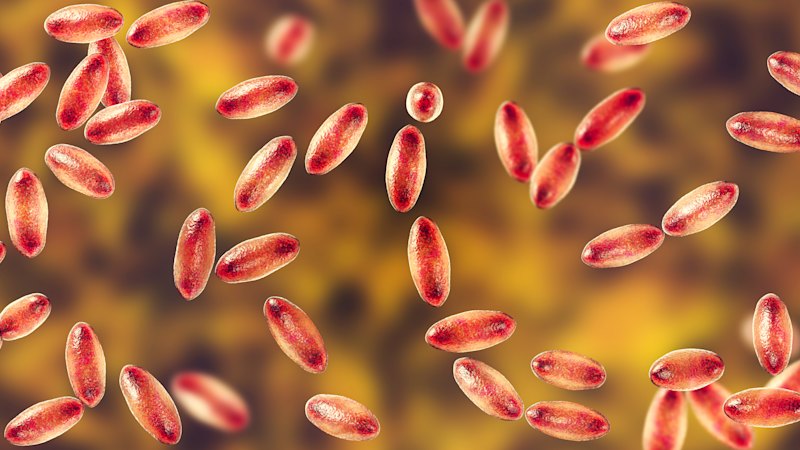
The plague bacterium or Yersinia pestis, external, which killed up to half the population of Europe in the 14th Century when it was known as the Black Death, is found among rodents such as marmots in the area.
framing: mixed · carried by 1 article(s) · first seen 2026-10-05
🔮 Secretary of State Marco Rubio said there was concern the incident could have led to the spread of pneumonic plague, but that there was no cause for alarm. Announcing the cause of death as "pneumonia of undetermined etiology", Irkutsk's governor said that "no micro-organisms" linked to the woman's work had been found "in her biological samples". Unconfirmed reports had suggested the woman fell ill either after breaking a test tube containing the pathogen or following a field trip to a region where plague is found naturally among wild rodents. No other cases of staff from the plague institute seeking medical attention since her death had been reported, Irkutsk governor Igor Kobzev said, quoting Russia's consumer and health watchdog, Rospotrebnadzor.

Claims (19 extracted, 4 hedged)

- Published The US says it is closely monitoring the case of a Russian lab technician who died at a plague research centre in Siberia. asserted
who → publish → Siberia
Secretary of State Marco Rubio said there was concern the incident could have led to the spread of pneumonic plague, but that there was no cause for alarm. Announcing the cause of death as "pneumonia of undetermined etiology", Irkutsk's governor said that "no micro-organisms" linked to the woman's work had been found "in her biological samples". Unconfirmed reports had suggested the woman fell ill either after breaking a test tube containing the pathogen or following a field trip to a region where plague is found naturally among wild rodents. No other cases of staff from the plague institute seeking medical attention since her death had been reported, Irkutsk governor Igor Kobzev said, quoting Russia's consumer and health watchdog, Rospotrebnadzor. uncertain
Kobzev → say → watchdog
The watchdog said a biological safety team had inspected the Anti-Plague Institute of Siberia and the Far East in Irkutsk and found no emergency situation there. asserted
team → say → situation
Kremlin spokesman Dmitry Peskov urged people not to "listen to various rumours" but "rely on Rospotrebnadzor's official statements" instead. asserted
Peskov → urge → statements
Russian media reported last week that nearly 200 people known to have had contact with the dead woman were under medical observation as a precaution. asserted
people → report → precaution
Asked by a reporter for an "update on the suspected plague case in Russia", Rubio said: "It seems that there was a worker at the lab that was infected and there's concern that that, you know, could have spread, at least internally - you've seen them do quarantine of this and that nature. " uncertain
them → ask → this
If something like that gets out, it can quickly spread. asserted
it → get → that
So we're watching and monitoring it closely. asserted
we → watch → it
I don't think it's cause for alarm, but it is cause for focus and the cause to just keep an eye on it and we're doing that." asserted
we → think → that
The woman who died, whose first name was given by Russian media as Daria and who was in her late twenties, had recently visited the Buryatia region on the border with Mongolia. asserted
who → die → Mongolia
The plague bacterium or Yersinia pestis, external, which killed up to half the population of Europe in the 14th Century when it was known as the Black Death, is found among rodents such as marmots in the area. asserted
it → kill → area
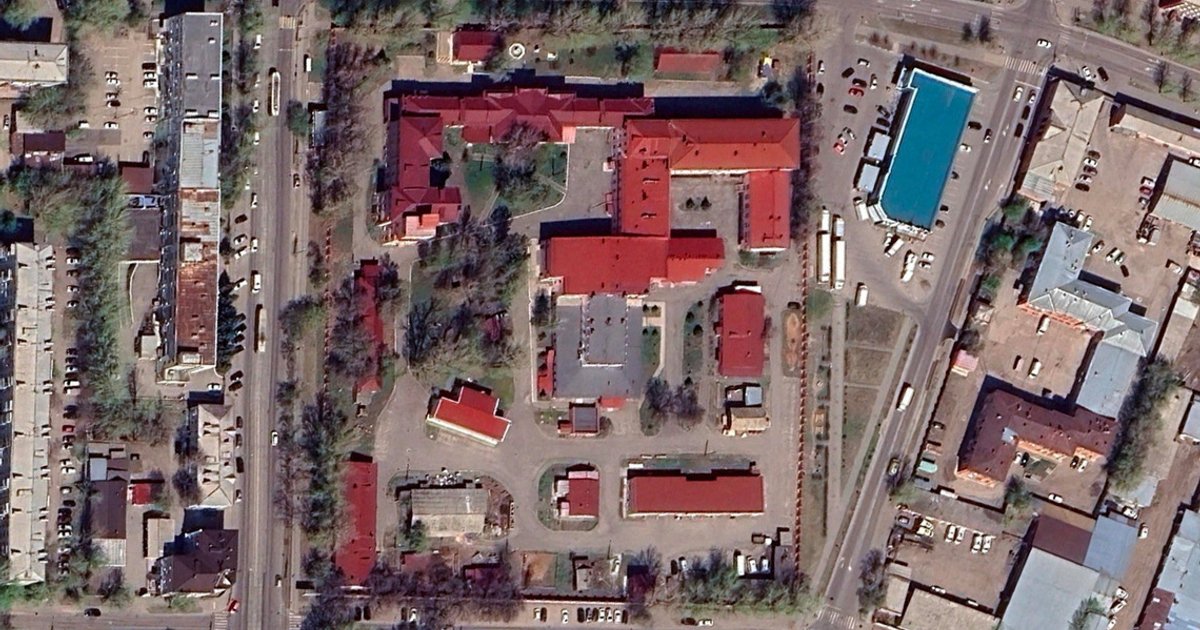
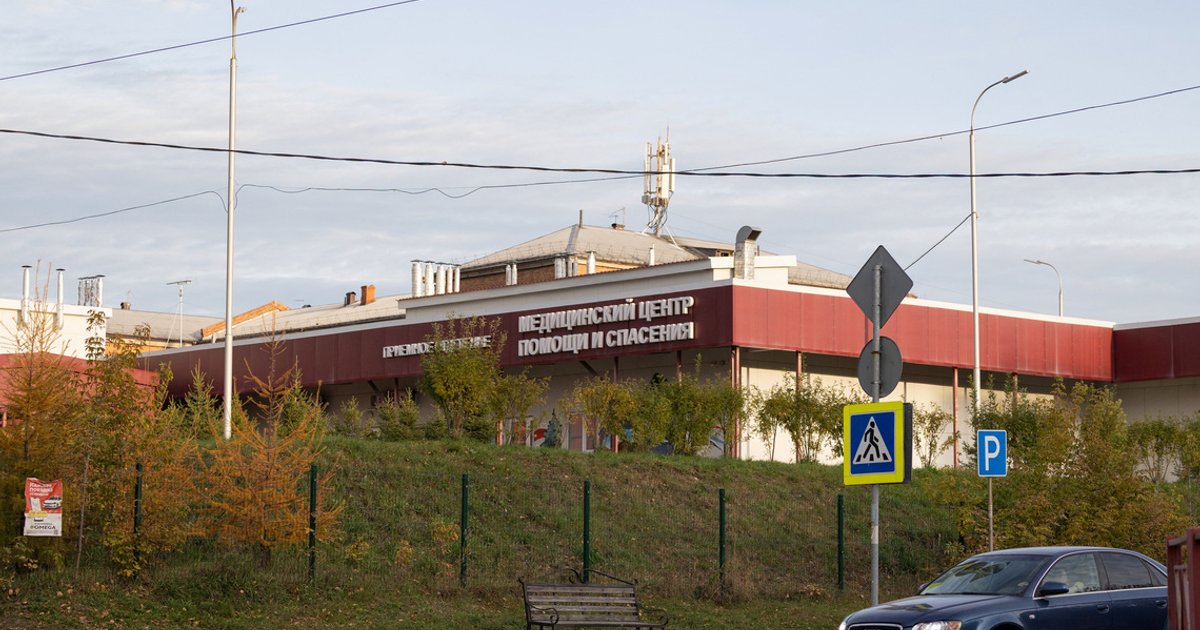
It was in response to an outbreak in the 1920s that the Anti-Plague Institute of Siberia and the Far East, external was founded just over 100 years ago. asserted
Institute → found → Siberia
Dr Simon Clarke, an associate professor in cellular microbiology at the University of Reading, told BBC Radio 4's PM programme that the pneumonic version of Yersinia pestis was nearly always fatal if left untreated, but could be overcome with antibiotics. uncertain
version → tell → antibiotics
"Pneumonic plague can transmit from person to person and that is why there is the concern around this," he said. asserted
he → transmit → this
He added: "But of course people's thought with any outbreak of infectious disease at all runs to... lockdowns and Covid and that is just not what's going to happen here." asserted
what → add → lockdowns
"People think, 'Oh the plague, that's gone, that went hundreds of years ago,' but it hasn't," Clarke said. " asserted
Clarke → think → years
It's still around and in certain parts of the world, it's a threat to human health and that's why they need to study it." asserted
they → need → it
Asked if the pathogen might have been studied for potential use as a bio-weapon, the scientist agreed it was possible. uncertain
it → ask → weapon
"Because this is Russia people's thoughts are running to that, but I think my earlier explanation is probably more likely," Clarke said. asserted
Clarke → run → that

💬Give feedback · no sign-in needed

No sign-in needed for now. Your note is sent without a name, so it cannot be answered.

🕘History 🎫Support