Claims extracted
15
sentences that state something as happening or true
Uncertain
7%
1 of 15 hedged
("reportedly", "may", "according to")
Leaning
Leans left
of the writing, not the subject · beta estimate
Publisher signals
60/100
Mother Jones's corrections and
hedging, across everything collected from it. Not a measure of accuracy.
Outlets on this story
1
Entertainment
Same framing elsewhere
1
articles that frame the event the way this one does
Early reports around Artificial, directed by Challengers’ Luca Guadagnino, starring Andrew Garfield as Altman, and covering his firing and reinstatement as OpenAI CEO in under a week in 2023, suggest that the film will have a more critical view on the executive—the Altman of Artificial says “yes” to everyone, Vulture wrote in a piece interviewing Guadagnino on Friday.
framing: assertive ·
carried by 1 article(s) ·
first seen 2026-10-05
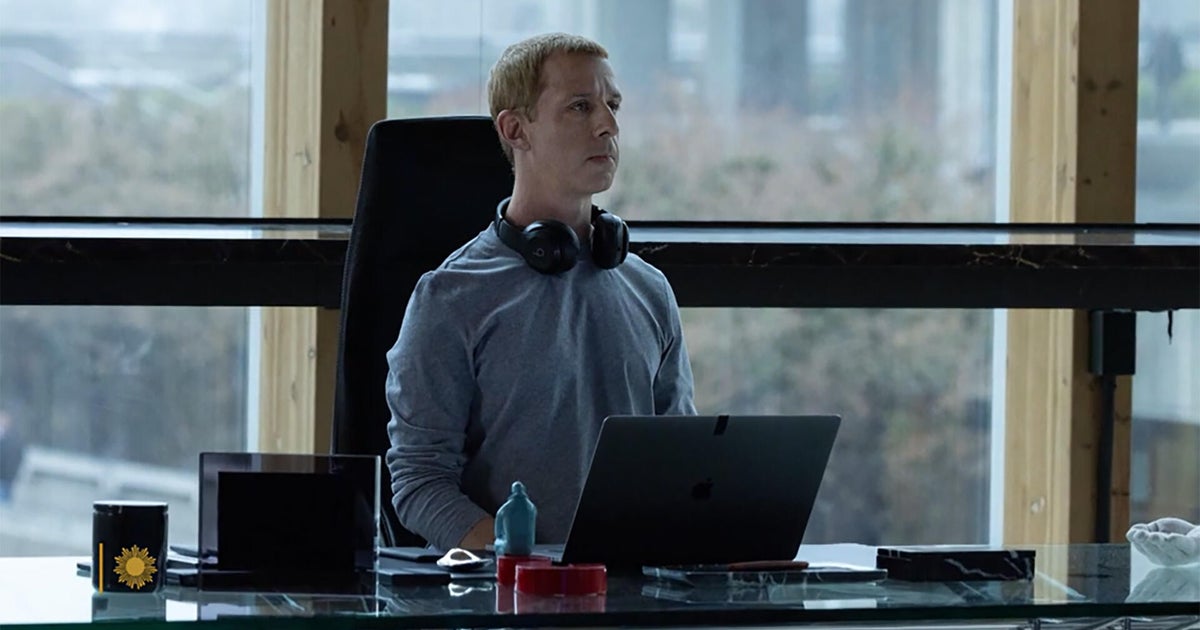
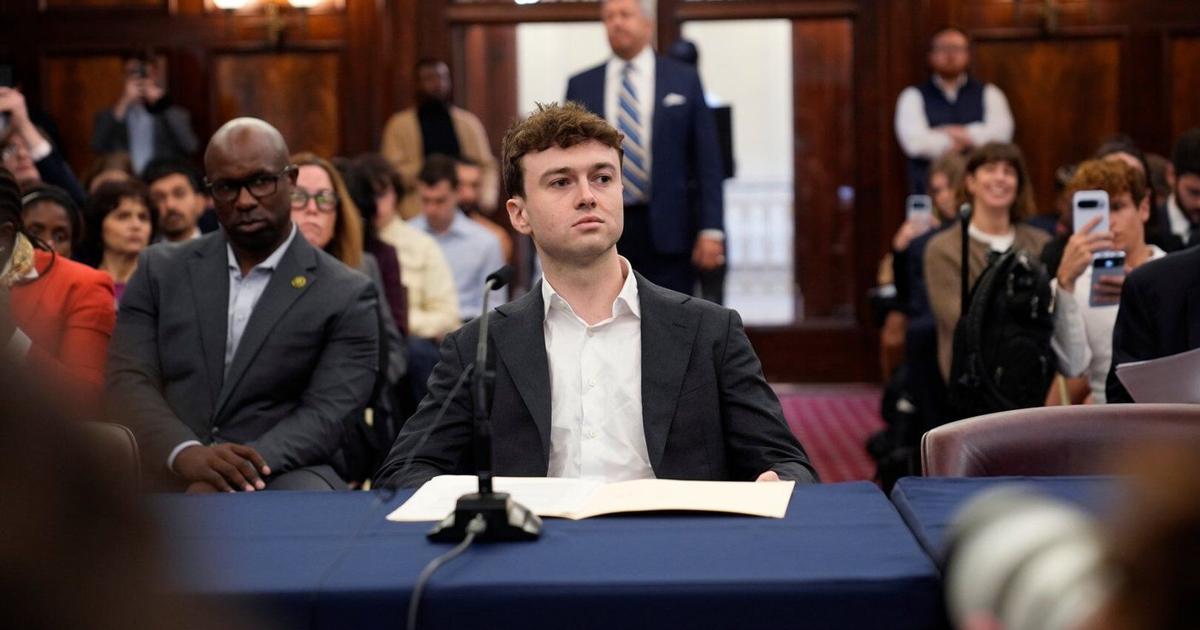
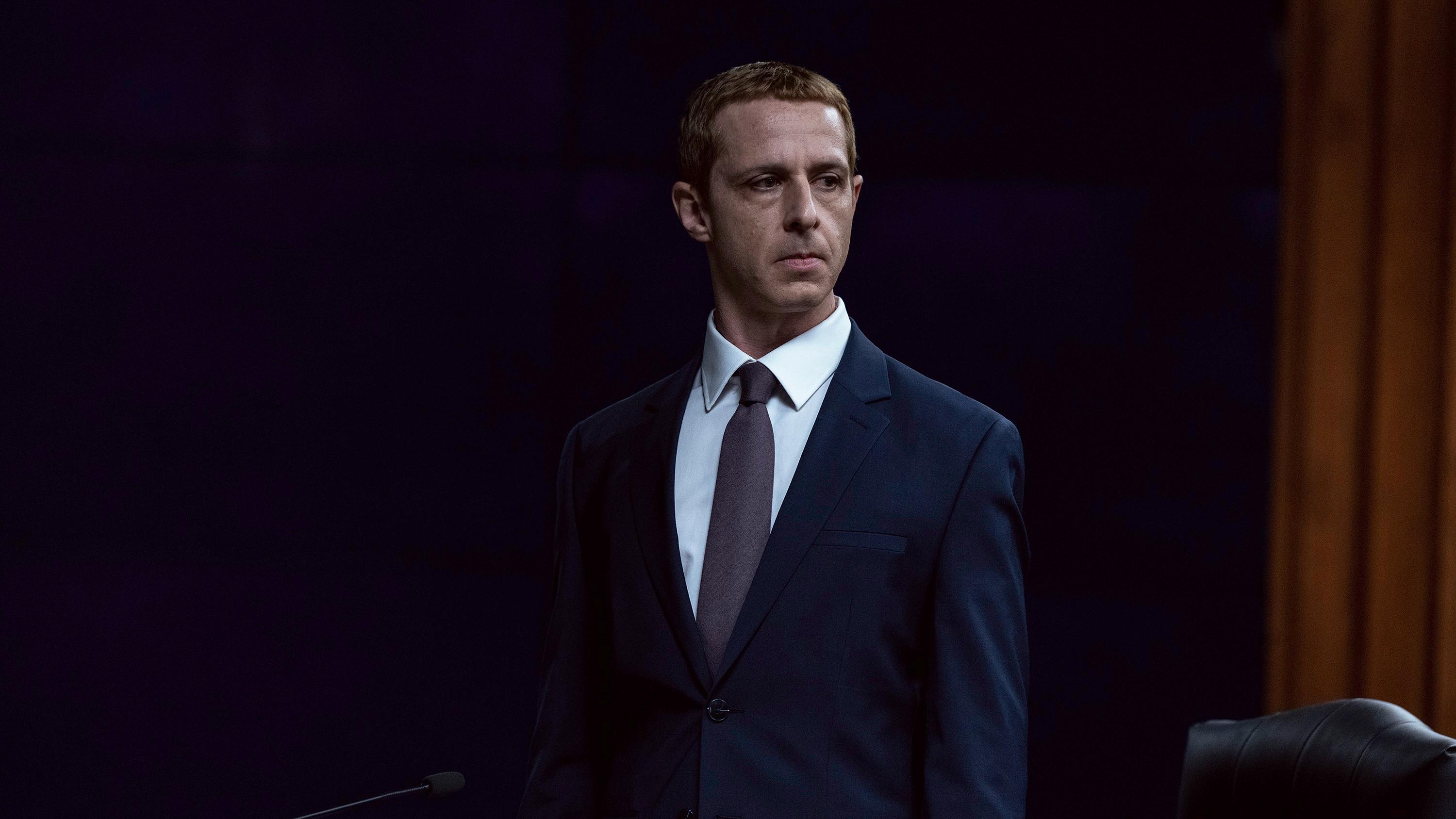
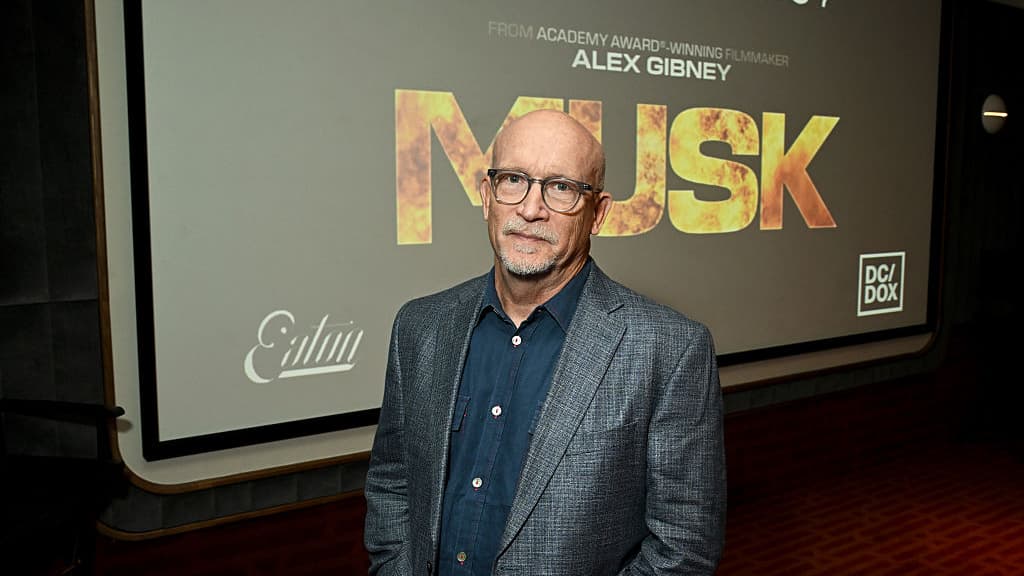
🔮 This fall, Hollywood will release four movies on tech executives: Luca Guadagnino’s Artificial, on CEO Sam Altman’s tumultuous time as the head of OpenAI; Aaron Sorkin’s The Social Reckoning, on the investigation into Facebook and CEO Mark Zuckerberg dismissing its platforms’ negative impacts on young users and inciting violence and hate speech; the all-encompassing Musk, by documentarian Alex Gibney, on the Tesla and SpaceX CEO’s family life, corporate controversies, and engagement in right-wing politics; and You Can See Everything, an unsettling documentary in which directors Nathan Fielder and Lance Oppenheim follow Elizabeth Holmes, who invited them to film her in the weeks before she began serving her federal prison sentence for defrauding investors at the now-defunct health tech company Theranos.
If the 2010s brought the first major wave of examining Silicon Valley leaders, such as relatively human depictions of Zuckerberg with The Social Network and multiple movies on longtime Apple CEO Steve Jobs—they largely paint pictures of difficult, ambitious individuals who may have burned a few bridges to achieve the remarkable—this recent group represents an opportunity, as I wrote in September, to rethink that perspective.
This fall, Hollywood will release four movies on tech executives: Luca Guadagnino’s Artificial, on CEO Sam Altman’s tumultuous time as the head of OpenAI; Aaron Sorkin’s The Social Reckoning, on the investigation into Facebook and CEO Mark Zuckerberg dismissing its platforms’ negative impacts on young users and inciting violence and hate speech; the all-encompassing Musk, by documentarian Alex Gibney, on the Tesla and SpaceX CEO’s family life, corporate controversies, and engagement in right-wing politics; and You Can See Everything, an unsettling documentary in which directors Nathan Fielder and Lance Oppenheim follow Elizabeth Holmes, who invited them to film her in the weeks before she began serving her federal prison sentence for defrauding investors at the now-defunct health tech company Theranos.
If the 2010s brought the first major wave of examining Silicon Valley leaders, such as relatively human depictions of Zuckerberg with The Social Network and multiple movies on longtime Apple CEO Steve Jobs—they largely paint pictures of difficult, ambitious individuals who may have burned a few bridges to achieve the remarkable—this recent group represents an opportunity, as I wrote in September, to rethink that perspective.
uncertain
I → release → perspective
Since the 2010s, public opinion about Big Tech companies has tanked.
asserted
opinion → tank → companies
My colleagues and I have extensively covered the increasingly apparent harms that tech CEOs have overseen, including using AI in wars overseas and the continuing development of a mass surveillance state at home.
asserted
CEOs → cover → home
In a July poll reported by Axios, about seven in ten Americans said they believe tech companies and their CEOs hold too much power.
asserted
companies → report → power
On Politico’s Decoded podcast this week, Altman asserted that “the world should accept some bad things happening for the benefits of this [AI] technology” as people will do “tremendously—orders of magnitude more—good stuff than bad stuff” with it.
asserted
people → assert → it
Early reports around Artificial, directed by Challengers’ Luca Guadagnino, starring Andrew Garfield as Altman, and covering his firing and reinstatement as OpenAI CEO in under a week in 2023, suggest that the film will have a more critical view on the executive—the Altman of Artificial says “yes” to everyone, Vulture wrote in a piece interviewing Guadagnino on Friday.
asserted
Vulture → direct → Friday
“The narcissist has the ability to understand the terrain and adapt to it, shape-shift,” Guadagnino told Vulture—which he sees as having larger ramifications: “People that have a lot of power should be very much aware that you must be responsible for the community.”
asserted
you → have → community
“I think anyone who takes on that level of responsibility for a company or a technology that you know is going to do a hell of a lot of damage to the soul of humanity [must have] a certain ability to dissociate,” Garfield told Esquire in August.
asserted
Garfield → think → August
Amazon MGM Studios dropped the movie in June, shortly after Amazon announced a $50 billion investment into OpenAI.
asserted
Amazon → drop → OpenAI
Big Tech and the wealthy elite are now more closely tied to culture, art, and media.
asserted
Tech → tie → culture
In a Vanity Fair cover story released Monday, Altman said that he did not speak to anyone at Amazon about Artificial and that, based on the movie trailer, he didn’t feel the filmmakers were “going for accuracy.”
asserted
filmmakers → release → accuracy
“Countries will fall.
asserted
Countries → fall → ?
Industries are gonna collapse,” Garfield says in that trailer.
asserted
Garfield → go → trailer
“And we get to be the ones to shepherd people into this new world.”
asserted
we → get → world
Artificial, which independent film company Neon acquired later that month, premieres Monday at the New York Film Festival.
asserted
Neon → acquire → Festival
 The Aporia