Photo via Times of India

D’Arros shearwater colony grew nearly 10-fold after rats were eradicated

Read the original at Times of India ↗
Cite

TOI Science Desk. (2026, October 5). D’Arros shearwater colony grew nearly 10-fold after rats were eradicated. Times of India. https://timesofindia.indiatimes.com/science/wildlife/rats-were-eradicated-from-seychelles-darros-island-in-2003-by-2016-its-wedge-tailed-shearwater-colony-had-grown-nearly-10-fold-to-2768-pairs/articleshow/134706892.cms

Dated when The Aporia collected the article, usually within hours of publication. Check the original for its exact date and byline.

Times of India · collected 2026-10-05 · by TOI Science Desk

Quick Summary

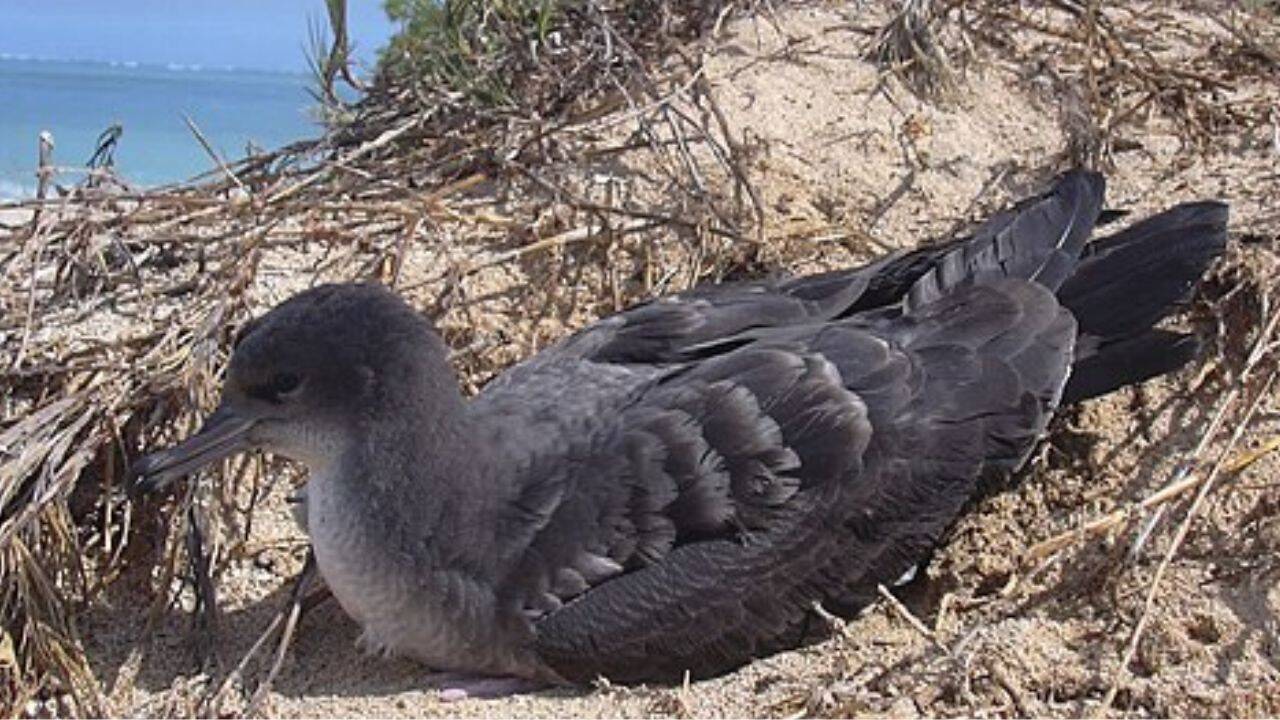
Researchers found a significant increase in Wedge-tailed Shearwater breeding pairs on D’Arros Island in Seychelles following rat eradication in 2003. Breeding pairs increased from approximately 254 in 2009 to 2,768 in 2016 and 2,406 in 2021—nearly ten times the pre-eradication count. The colony also expanded its territory and showed higher nesting densities, supporting the conclusion of genuine population growth.
Written by AI on 2026-10-05, from this article's own text only (the story summary below draws on all the coverage).

AI analysis

Story summary

Researchers found that D’Arros Island in Seychelles experienced a significant increase in its Wedge-tailed Shearwater breeding population after rats were eradicated in 2003. The total number of breeding pairs rose from approximately 254 in 2009 to 2,768 in 2016 and then slightly declined to 2,406 by 2021. This represents an almost ten-fold increase compared to the initial count. The colony also expanded its coverage area from six sites spanning 3.40 hectares with higher nesting density, supporting the genuine population growth observed post-eradication. The study, published in Marine Ornithology, underscores the positive impact of rat eradication on seabird populations.

Written for “Rat Eradication Success D'Arros Island” on 2026-10-31, grounded in this article and the 0 other(s) covering the same event.

Story

📰 Rat Eradication Success D'Arros Island
Environment · 1 article(s) covering the same event.

Compared with similar articles

Nothing to compare against. No article is close enough to this one for the pipeline to have linked or judged the pair.
How this article was measured signals, leaning charts, publisher record, byline, topics and claims

Signals How these are calculated →

Claims extracted
29
sentences that state something as happening or true
Uncertain
7%
2 of 29 hedged ("reportedly", "may", "according to")
Leaning
not political
takes no side on a contested political question
Publisher signals
59/100
Times of India's corrections and hedging, across everything collected from it. Not a measure of accuracy.
Outlets on this story
1
Environment
Same framing elsewhere
1
articles that frame the event the way this one does
Analyzed 2026-10-05 · how these are computed

How this is being covered How these are calculated →

Article leaning vs. publisher reliability
Source leaning vs. consistency

Publisher

Times of India · 3798 article(s) · 2 correction(s) detected
Running correction rate · 2 correction(s)

Who wrote this

TOI Science Desk
295 article(s) here · 1 carrying a prediction
🔮 She explored whether an inexpensive device could capture airborne genetic material and support the detection of bacterial pathogens.
🔮 This control may help it maintain its orientation and move along a narrow path without losing its bearings.
🔮 The university says the sculpture will subsequently go on permanent display at its Turner Museum of Glass.
🔮 By bringing together nature, wellness facilities and educational spaces, Winter Garden aimed to create a setting where visitors could exercise, learn about nutrition and gardening, and spend time outdoors.
🔮 Also discovered was a 4,500-year-old humanoid idol, which archaeologists hope will help shed light on the cultural traditions of the region.
🔮 When garlic mustard spreads across the forest floor, other plants may struggle to obtain the resources they need to survive.
🔮 The train delay that could not have happened in 1841 The mystery originated in an account published anonymously in the scientific journal Nature on October 5, 1871.
🔮 A late-night snack may do more than add extra calories to your day.
🔮 The work offers a glimpse of such a future, where living organisms could become an active part of the robotic systems.
🔮 A centuries-old archaeological puzzle at Westminster Abbey in London may finally be nearing a resolution, with new research suggesting that a skeleton discovered inside a Roman stone coffin belonged to a medieval abbot rather than the Roman-era man named on its inscription.
Wire or desk byline, not an individual reporter.
Also by TOI Science Desk
Nothing else under this byline is closely related to this article, so these are simply their most recent.
All 295 articles by TOI Science Desk →

Topics

D’Arros Island Marine Ornithology Seychelles

Subjects

D’Arros Island GPE · 1× Marine Ornithology ORG · 1× Seychelles GPE · 1×

Narrative

They also found that the colony occupied a larger area and had higher nesting density, supporting the conclusion that the population increase was genuine. PC: Wikipedia What changes were recorded in the Wedge-tailed Shearwater colony The total Wedge-tailed Shearwater colony covered 3.40 hectares across six colony sites in 2016.
framing: assertive · carried by 1 article(s) · first seen 2026-10-05
🔮 Researchers used direct counts in areas with relatively low burrow densities and area-based estimates in high-density areas where walking could collapse closely spaced burrows.
2026-10-05 · Times of India
D’Arros shearwater colony grew nearly 10-fold after rats were eradicated · assertive framing

Claims (29 extracted, 2 hedged)

D’Arros Island in Seychelles has recorded a sharp rise in its Wedge-tailed Shearwater breeding population after rats were eradicated in 2003. asserted
rats → record → 2003
Researchers counted 2,768 breeding pairs in 2016 and 2,406 in 2021, compared with about 254 pairs recorded in 2009. asserted
Researchers → count → 2009
The colony also spread across a larger area, while breeding burrow density increased during the later surveys. asserted
density → spread → surveys
According to research published in Marine Ornithology titled ‘ Rapid increase in size of Wedge-tailed Shearwater Ardenna pacifica colony following rat eradication’, the results indicate a true population increase. uncertain
results → accord → increase
The researchers noted that differences in census timing and methods affected comparisons, but the larger colony area and higher burrow density supported the finding. asserted
area → note → finding
How did rat eradication affect Wedge-tailed Shearwaters on D’Arros Island asserted
eradication → affect → Island
The researchers estimated 2,768 breeding pairs on D’Arros in November 2016 and 2,406 pairs in November 2021. asserted
researchers → estimate → November
Both figures were nearly ten times the approximately 254 breeding pairs estimated in 2009. asserted
figures → estimate → 2009
The 2016 estimate had a 95% confidence interval of 2,424-3,112 pairs, while the 2021 estimate had a 95% confidence interval of 2,143–2,667 pairs. asserted
estimate → have → pairs
The study described the change as a rapid increase in colony size following rat eradication. asserted
study → describe → eradication
D’Arros had been rat-free since 2003, giving the researchers a 13-year gap between eradication and the first new census. asserted
D’Arros → give → eradication
They also found that the colony occupied a larger area and had higher nesting density, supporting the conclusion that the population increase was genuine. PC: Wikipedia What changes were recorded in the Wedge-tailed Shearwater colony The total Wedge-tailed Shearwater colony covered 3.40 hectares across six colony sites in 2016. asserted
colony → find → 2016
By 2021, it covered 3.85 hectares across seven sites. asserted
it → cover → sites
The later estimate included a very small nesting area in the northwest of the island that had not previously been identified. asserted
that → include → island
The researchers also found Wedge-tailed Shearwaters vocalising at night inside dense coconut palm vegetation during both surveys, but no nests were found there, so those areas were excluded from the census. asserted
areas → find → census
Breeding burrow densities ranged from 21 to 1,866 pairs per hectare in 2016 and from 17 to 2,391 pairs per hectare in 2021. asserted
densities → range → 2021
The increase in total colony area and burrow density helped confirm that the population had increased. asserted
population → help → area
How did researchers estimate the number of breeding pairs The study combined direct counts with area-based estimates. asserted
study → estimate → estimates
Researchers used direct counts in areas with relatively low burrow densities and area-based estimates in high-density areas where walking could collapse closely spaced burrows. uncertain
walking → use → burrows
In those areas, they selected 50-square-metre plots and inspected burrows for signs of occupation. asserted
they → select → occupation
A burrow-scope helped researchers inspect deep and convoluted burrows, with some extending more than 70 centimetres below the ground. asserted
some → help → ground
In 2016, researchers also used call playback to confirm the status of burrows that appeared empty but showed signs of recent activity. asserted
that → use → activity
The researchers noted that differences in sampling methods made direct comparisons with the 2009 census difficult. asserted
comparisons → note → census
Researchers identify November as the peak incubation period on D’Arros asserted
Researchers → identify → D’Arros
The researchers examined burrow status from October to December 2021 to identify the peak incubation period on D’Arros. asserted
researchers → examine → D’Arros
They found that November had a significantly higher proportion of burrows occupied by incubating birds than October or December. asserted
November → find → October
In the high-density plots, the average number of total breeding burrows was seven in November, compared with two in October and one in December. asserted
number → compare → December
In the low-density area, seven breeding burrows were recorded in November, compared with six in October and seven in December. asserted
burrows → record → December
The researchers said identifying the peak incubation period was essential for future comparisons of population estimates. asserted
identifying → say → estimates

💬Give feedback
🕘History 🎫Support