The Aporia

Reuters, & Gordon, J. (2026, October 6). Trump signs executive order to allow tax-free diesel in effort to lower gas prices just weeks before midterm elections. Daily Mail. https://www.dailymail.com/news/article-16185625/Trump-signs-executive-order-tax-free-diesel-midterm-elections.html?ns_mchannel=rss&ns_campaign=1490&ito=1490
Reuters, and James Gordon. “Trump signs executive order to allow tax-free diesel in effort to lower gas prices just weeks before midterm elections.” Daily Mail, 6 Oct. 2026, https://www.dailymail.com/news/article-16185625/Trump-signs-executive-order-tax-free-diesel-midterm-elections.html?ns_mchannel=rss&ns_campaign=1490&ito=1490.
Reuters, and James Gordon. “Trump signs executive order to allow tax-free diesel in effort to lower gas prices just weeks before midterm elections.” Daily Mail, October 6, 2026. https://www.dailymail.com/news/article-16185625/Trump-signs-executive-order-tax-free-diesel-midterm-elections.html?ns_mchannel=rss&ns_campaign=1490&ito=1490.
Dated when The Aporia collected the article, usually within hours of publication. Check the original for its exact date and byline.
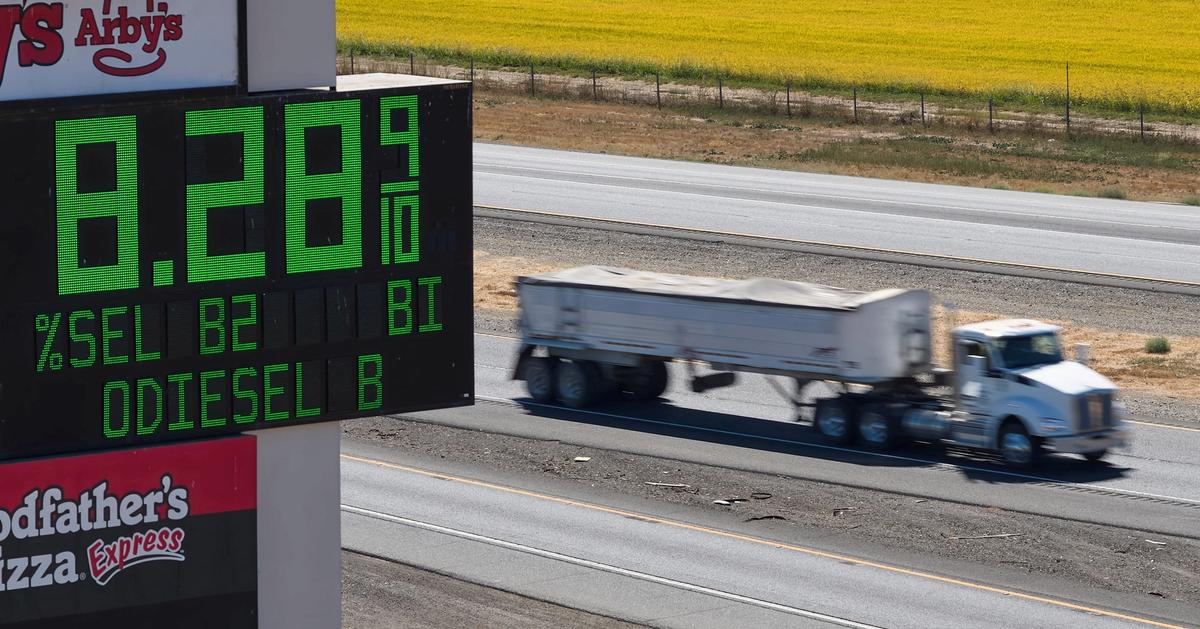
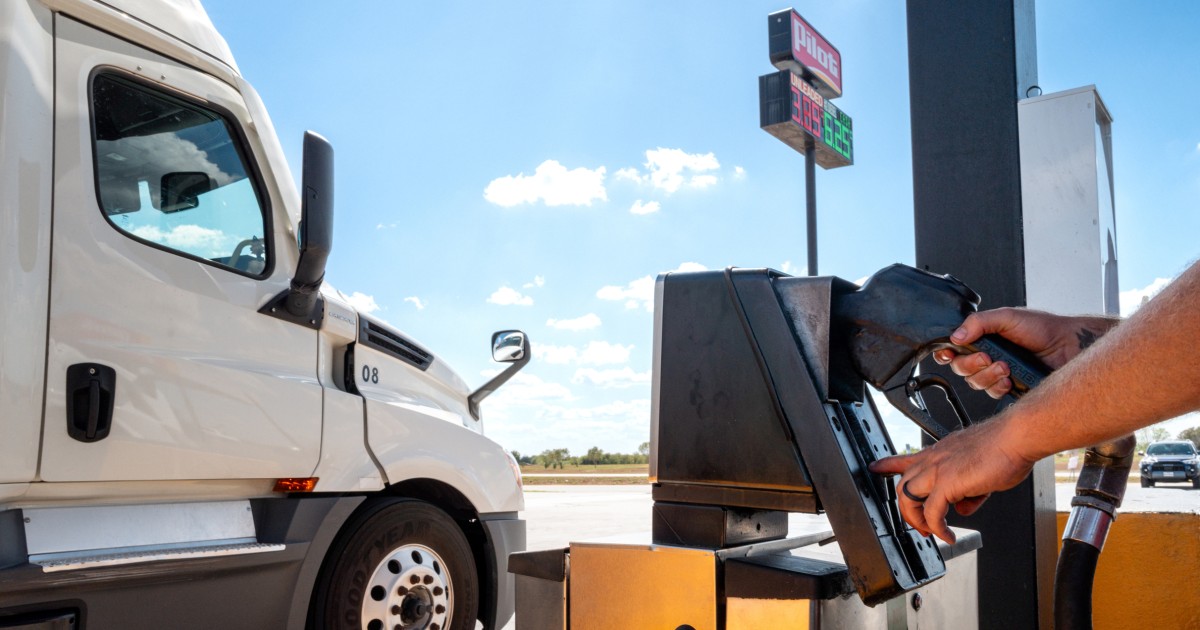
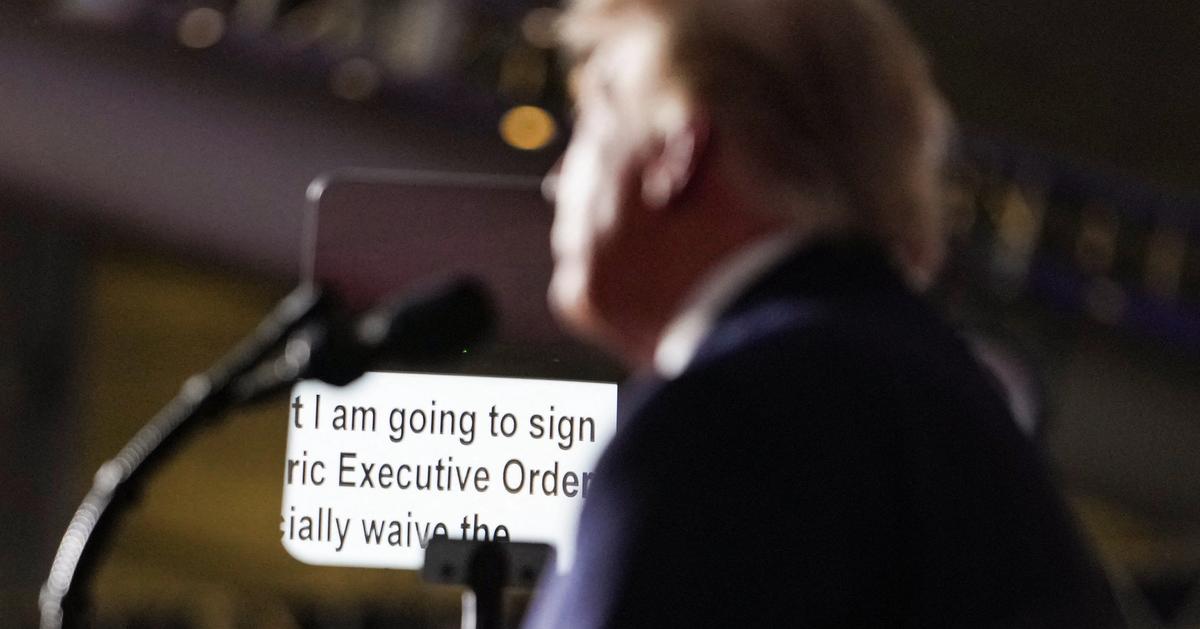
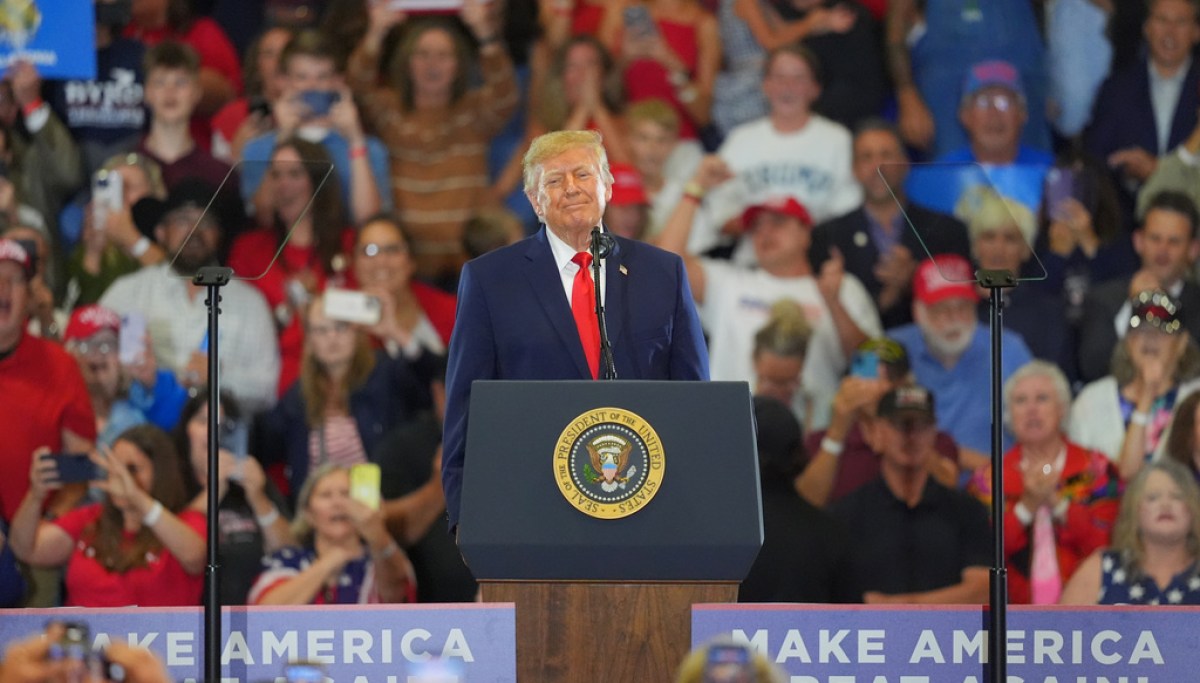
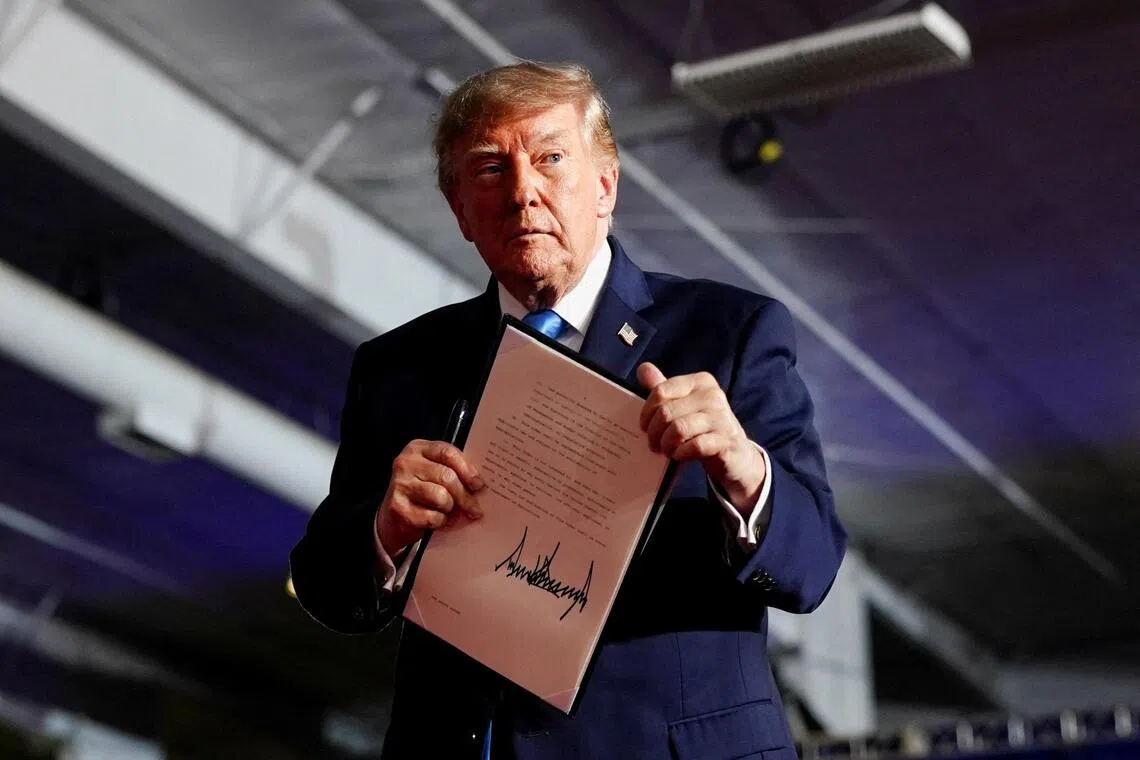
On October 5, President Donald Trump signed an executive order in Grand Island, Nebraska, waiving restrictions on red-dyed diesel fuel, which is typically tax-exempt for off-road use such as farming and construction. This move aims to lower record-high diesel prices by allowing anyone to purchase the cheaper, tax-free dyed diesel for any purpose, including transportation. The national average price for diesel was $6.32 per gallon at the time of announcement, driven up by conflicts in Ukraine and Iran that strained global fuel supplies.
The order directs the Department of Transportation to coordinate with states to waive taxes on road diesel, following actions already taken by several states like Ohio, Georgia, and Kentucky. Trump's decision was seen as a political move ahead of the November midterm elections, emphasizing support for rural communities where high diesel costs are particularly impactful. Critics argue that refiners may absorb most of the benefits, but the administration hopes this measure will ease financial burdens on truckers and reduce transportation costs for goods nationwide.