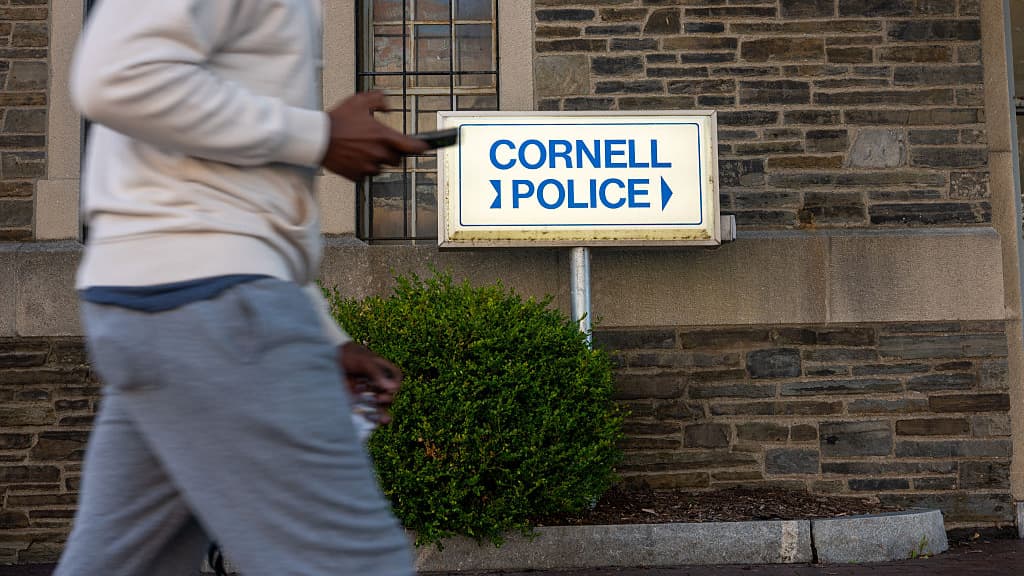
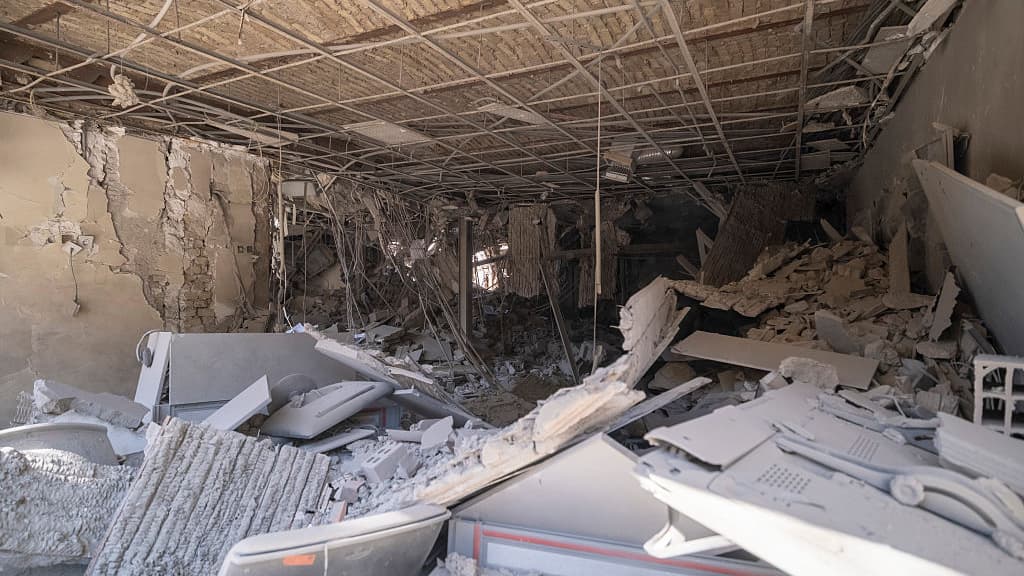
Photo via TIME

After the Cornell Case, Should Colleges Ban Fraternities?

Read the original at TIME ↗
Cite

Hall, R. (2026, October 7). After the Cornell Case, Should Colleges Ban Fraternities? TIME. https://time.com/article/2026/10/07/in-the-wake-of-cornell-should-fraternities-be-banned-/

Dated when The Aporia collected the article, usually within hours of publication. Check the original for its exact date and byline.

TIME · collected 2026-10-07 · by Richard Hall
Content note This article describes sexual violence.

Quick Summary

A lawsuit against Cornell University’s Chi Phi fraternity for alleged drugging and gang rape has sparked national debate about the role of fraternities on college campuses. Only two of the seven accused members were expelled, leading to criticism of both the university and local authorities for their handling of the case. In response, Cornell President Michael Kotlikoff announced a review of the presence and impact of fraternities and sororities. Nick Syrett, author of "The Company He Keeps: A History of White College Fraternities," suggests that the unique culture within fraternities—fueled by masculinity-driven pressures and lack of oversight—contributes to incidents like these.
Written by AI on 2026-10-07, from this article's own text only (the story summary below draws on all the coverage).

AI analysis

Story summary

A Cornell University student, identified only as Jane Doe, filed a civil lawsuit alleging she was drugged and gang-raped by seven fraternity members at the Chi Phi house on October 19, 2024. Despite initial investigations that concluded without criminal charges being brought forward, Tompkins County District Attorney Matthew Van Houten has reopened the case and intends to present it to a grand jury with Doe's cooperation, seeking new evidence not previously available.

Doe’s lawyer, Thomas Giuffra, reported that she is in constant fear due to intense public pressure and harassment. She suffers from insomnia and relies on medication to sleep. The case, which has garnered national attention, includes allegations against Cornell University, the fraternity, and other parties involved, leading the university president to suspend all fraternity parties until the end of the academic year for a thorough review.

The reopening of the investigation follows increased scrutiny over Title IX policies at educational institutions, focusing on handling sexual misconduct cases. Despite public campaigns aimed at unmasking Doe and defending the accused men—who deny any wrongdoing—the case remains highly sensitive with significant implications for university policy and legal procedures regarding sexual assault allegations.

Written for “Cornell Bans Fraternity Parties Over Assault Allegations” on 2026-11-04, grounded in this article and the 304 other(s) covering the same event.

Story

📰 Cornell Bans Fraternity Parties Over Assault Allegations
Education · 305 article(s) covering the same event. See how they differ ↓

Compared with similar articles

This article reads leans left and hedges 1% of its claims. Each row says how that neighbour differs.
CBS News
⚖️ Leans left Hedges 0 of 2 claims Outlet record 65/100
“While both articles discuss the same alleged incident of gang rape at Cornell University in 2024, they describe different occurrences: one is about a protest on campus over how the university handled the case, and the other discusses broader implications and calls for scrutiny or banning fraternities.”
Daily Mail
⚖️ Leans left Hedges 14 of 43 claims Outlet record 69/100
The Independent
Hedges 3 of 24 claims Outlet record 59/100
“The articles refer to different universities and distinct incidents involving fraternities, not the same specific occurrence.”
ABC News (AU)
⚖️ Leans strongly left further left than this Hedges 5 of 58 claims Outlet record 67/100
The Straits Times
⚖️ Leans strongly left further left than this Hedges 2 of 19 claims Outlet record 66/100
“While both articles discuss the same gang rape case at Cornell University involving Chi Phi fraternity members, they describe different aspects of the incident and its aftermath (i.e., one covers the initial allegations and public reaction while the other discusses calls for banning fraternities in response).”
Al Jazeera
Hedges 0 of 15 claims Outlet record 60/100
“Article A focuses on the president's response and pledge for transparency regarding a specific rape case, while Article B discusses broader calls for scrutiny or banning fraternities due to similar cases including the one mentioned.”
New York Post
Hedges 3 of 18 claims Outlet record 66/100
“Article A reports specifically on the disciplinary outcomes for some of the accused in the 'Cornell 7' case, while Article B discusses broader implications and calls for scrutiny or banning fraternities as a result of the incident.”
Fox News
⚖️ Leans left Hedges 5 of 21 claims Outlet record 68/100
“While both articles discuss issues related to sexual assault allegations against a fraternity at Cornell University, they describe different specific events: one focuses on calls for greater scrutiny of fraternities after a lawsuit, while the other reports on a city council decision to halt event permits for Cornell and its student groups.”
ABC News (AU)
Hedges 2 of 24 claims Outlet record 67/100
“The articles discuss related developments regarding fraternities at Cornell following alleged gang rape, but they do not describe the same specific incident or occurrence.”
TIME
⚖️ Leans left Hedges 5 of 88 claims Outlet record 59/100
“Article A describes the president's response to sexual assault allegations, while Article B focuses on a specific lawsuit and calls for banning fraternities.”
How this article was measured signals, leaning charts, publisher record, byline, topics and claims

Signals How these are calculated →

Claims extracted
67
sentences that state something as happening or true
Uncertain
1%
1 of 67 hedged ("reportedly", "may", "according to")
Leaning
Leans left
of the writing, not the subject · beta estimate
Publisher signals
59/100
TIME's corrections and hedging, across everything collected from it. Not a measure of accuracy.
Outlets on this story
305
Education
Same framing elsewhere
1
articles that frame the event the way this one does
Analyzed 2026-10-07 · how these are computed

How this is being covered How these are calculated →

Article leaning vs. publisher reliability
Source leaning vs. consistency

Publisher

TIME · 817 article(s) · 2 correction(s) detected
Running correction rate · 2 correction(s)

Who wrote this

Richard Hall
2 article(s) here · 1 carrying a prediction
🔮 “The loss of key data centers could collapse economies, disrupt public and private transportation with loss of GPS, and affect government essential services for health, emergency dispatch, and power grids.
2026-10-15 · mixed framing · Why Data Centers Have Become Military Targets
🔮 Cornell President Michael Kotlikoff said in a video message to the university community on Saturday that the school would take “a serious look at the role of fraternities and sororities in campus life” among other steps aimed at creating a safer campus environment.
Also by Richard Hall
Nothing else under this byline is closely related to this article, so these are simply their most recent.

Topics

Chi Phi Cornell Cornell University's TIME the University of Wisconsin-Madison

Subjects

TIME ORG · 4× Cornell ORG · 2× Chi Phi ORG · 1× Cornell University's ORG · 1× Michael Kotlikoff PERSON · 1× Nick Syrett PERSON · 1× the University of Wisconsin ORG · 1× the University of Wisconsin-Madison ORG · 1×

Narrative

TIME spoke to Nick Syrett, author of The Company He Keeps: A History of White College Fraternities and chair and professor of gender and women’s studies at the University of Wisconsin-Madison, about the case, what makes fraternities different, and why they have proved so hard to rein in.
framing: assertive · carried by 1 article(s) · first seen 2026-10-07
🔮 Cornell President Michael Kotlikoff said in a video message to the university community on Saturday that the school would take “a serious look at the role of fraternities and sororities in campus life” among other steps aimed at creating a safer campus environment.
2026-10-07 · TIME
After the Cornell Case, Should Colleges Ban Fraternities? · assertive framing

Claims (67 extracted, 1 hedged)

A lawsuit alleging the drugging and gang rape of a student by seven members of Cornell University's Chi Phi fraternity in 2024 has led to calls for greater scrutiny of fraternities on campus, and even banning them. asserted
lawsuit → allege → them
The case has drawn national attention in recent weeks after it was revealed that only two of the seven men alleged to have been involved were expelled. asserted
two → draw → men
Both the university and local authorities have come under criticism for their handling of the case. asserted
university → come → case
Cornell President Michael Kotlikoff said in a video message to the university community on Saturday that the school would take “a serious look at the role of fraternities and sororities in campus life” among other steps aimed at creating a safer campus environment. asserted
school → say → environment
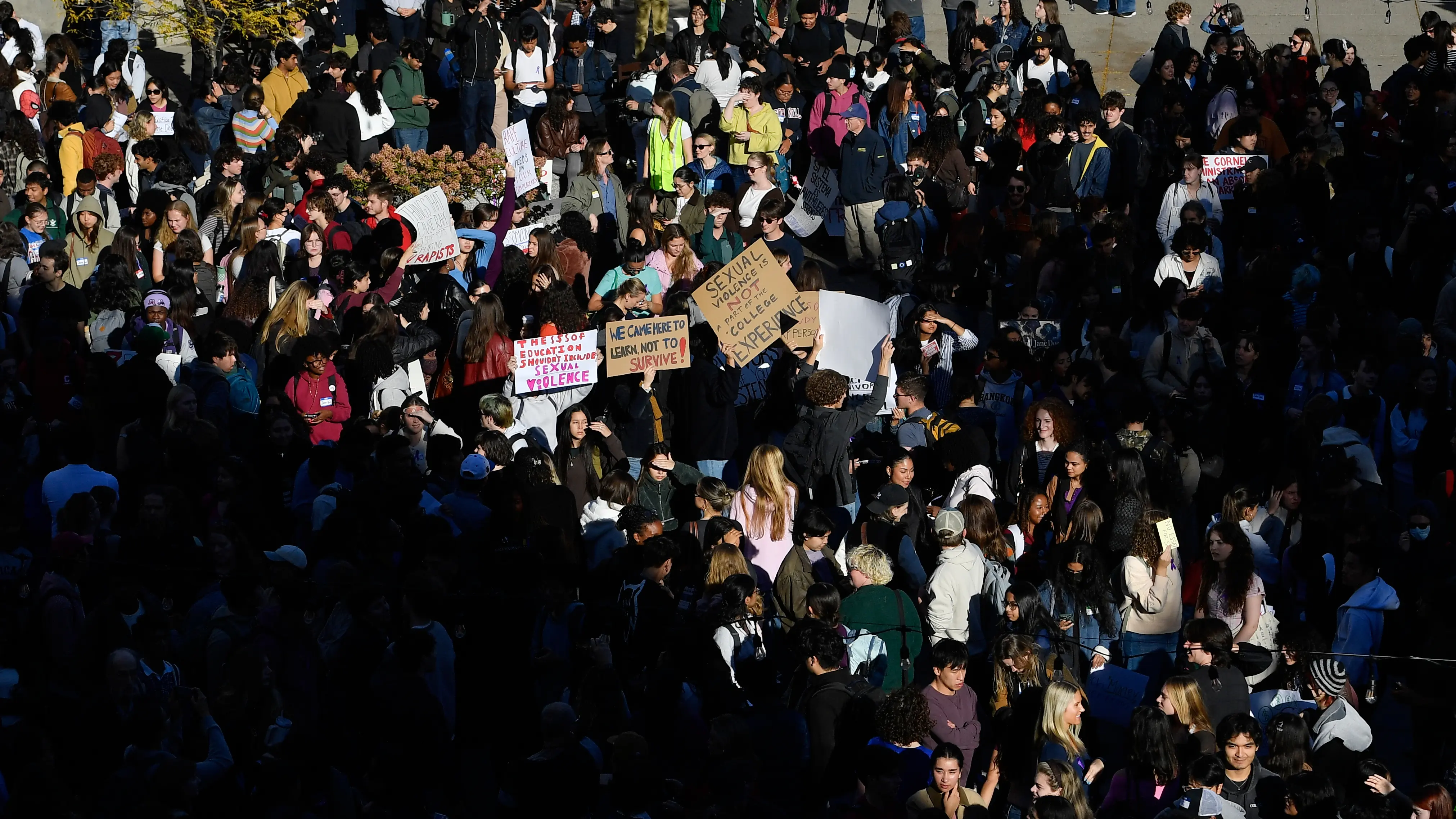
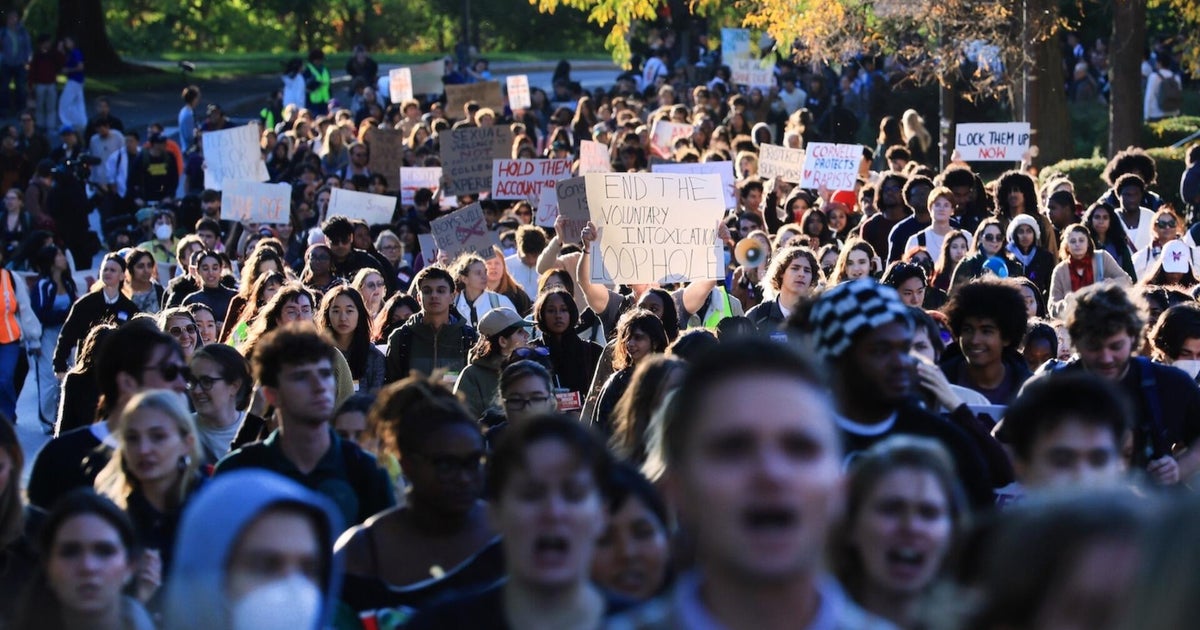
At a protest on the university campus on Monday, people chanted “Ban the frats!” asserted
people → chant → frats
TIME spoke to Nick Syrett, author of The Company He Keeps: A History of White College Fraternities and chair and professor of gender and women’s studies at the University of Wisconsin-Madison, about the case, what makes fraternities different, and why they have proved so hard to rein in. asserted
they → speak → case
This interview has been edited for length and clarity. asserted
interview → edit → length
You've written a book about white college fraternities. asserted
You → write → fraternities
What about this case shocked or surprised you, if anything? asserted
What → shock → you
There's a long history of events like this happening in fraternities. asserted
events → be → fraternities
So it is not surprising that it has happened once again. asserted
it → happen → ?
Is there something unique about fraternities that encourages this kind of behavior? asserted
that → encourage → behavior
I do think there is something particular about fraternities. asserted
I → think → fraternities
Aside from sports teams on college campuses, these are the only single-sex organizations, and the men who join them have decided that they want to be in a single-sex organization that allows them to live out their masculinity in particular kinds of ways. asserted
them → join → ways
They know that these organizations already have a reputation for partying, for drinking, for sometimes hazing, for being places where you can meet women, and so some men join them and other men don't. asserted
men → know → them
But when they get in the organizations, the pressure ratchets up because there is an emphasis upon sex and dating and hooking up. asserted
pressure → get → sex
That is some fraternities' mandate that like people report who they've hooked up with, who they've had sex with, they talk about these things. asserted
they → report → things
It's a way to enhance masculinity. asserted
It → enhance → masculinity
The other thing is fraternities just have lots of power on campus. asserted
fraternities → have → campus
Most of them own their own houses, which means they don't have lots of oversight from university officials. asserted
they → own → officials
What do you think those regulations would look like, or should look like? asserted
regulations → think → What
It's hard to say. asserted
It → say → ?
I think one of the things to know is that all fraternities and sororities are regulated at least to a certain degree. asserted
fraternities → think → degree
That is, they're recognized student organizations. asserted
they → recognize → ?
They have to abide by certain rules that often have to do with things like rushing and pledging—that is how people become members of the organizations in the first place. asserted
people → have → place
Social events where fraternities and sororities mix with one another and with unaffiliated members are usually at least registered with university officials. asserted
fraternities → mix → officials
The difficulty here is that when a university does the ultimate thing, which is to ban an organization from campus altogether, it loses any ability to regulate because now they're not an official organization. asserted
they → do → ability
But by and large, the fraternities own their own houses, and so young men who are students at any university can still choose to become members of that fraternity and live in that house if they want to, if that chapter remains recognized by its national organization. asserted
chapter → own → organization
So we see that happen with some regularity. asserted
that → see → regularity
There's a fraternity right here at my school, the University of Wisconsin, that two weeks ago the police busted for illegal hazing. asserted
police → be → hazing
That fraternity hasn't been recognized by the university for 10 years, but it's still admitting members, having them pledge, hazing them, and breaking the law. asserted
them → recognize → law
How widespread are these issues that you’re talking about among fraternities? asserted
you → talk → fraternities
Is it limited to a few bad fraternities, or is this kind of just a part of the life? asserted
kind → limit → life
It's a hard question to answer, in part because we don't always know how people are behaving behind closed doors. asserted
people → answer → doors
There are a few things we know. asserted
we → be → ?
One, we know that men in fraternities are more likely to sexually assault and participate in hazing than men who choose not to join fraternities. asserted
who → know → fraternities
Of course, not all men who are in fraternities do either of those things. asserted
who → do → things
It's just that they are more likely to do so than non-affiliated men. asserted
they → do → men
And most evidence suggests that people in fraternities do drink more than those who are unaffiliated, but it also gets to this question, sort of a chicken and egg question: like, are people who are more interested in those activities more likely to join fraternities in the first place? uncertain
who → suggest → place
I think the answer is probably yes, but then those behaviors are simply reinforced in fraternities by older members as well, who make environments that are conducive to those behaviors. asserted
that → think → behaviors
…and 27 more, not listed.

💬Give feedback · no sign-in needed

No sign-in needed for now. Your note is sent without a name, so it cannot be answered.

🕘History 🎫Support