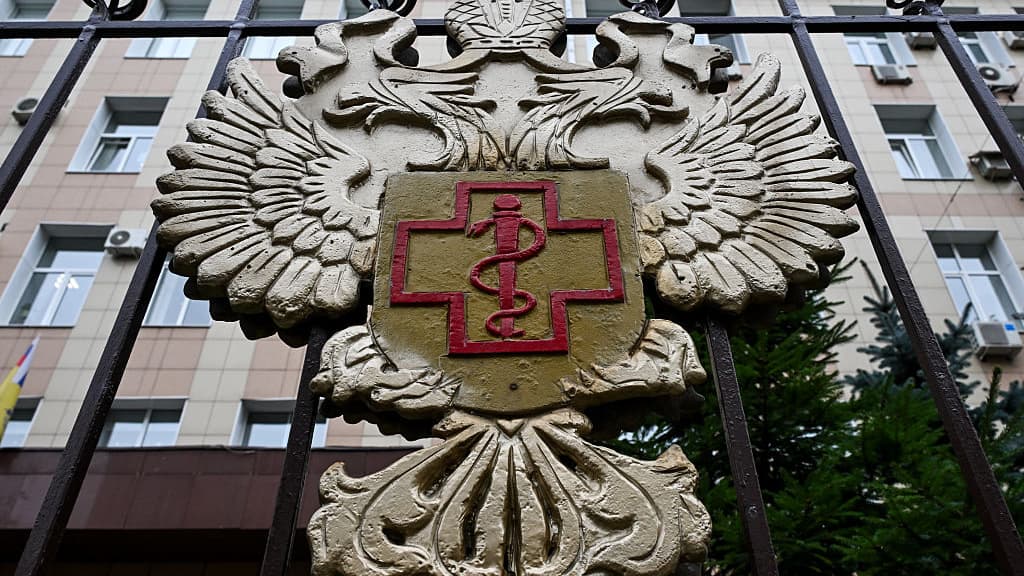
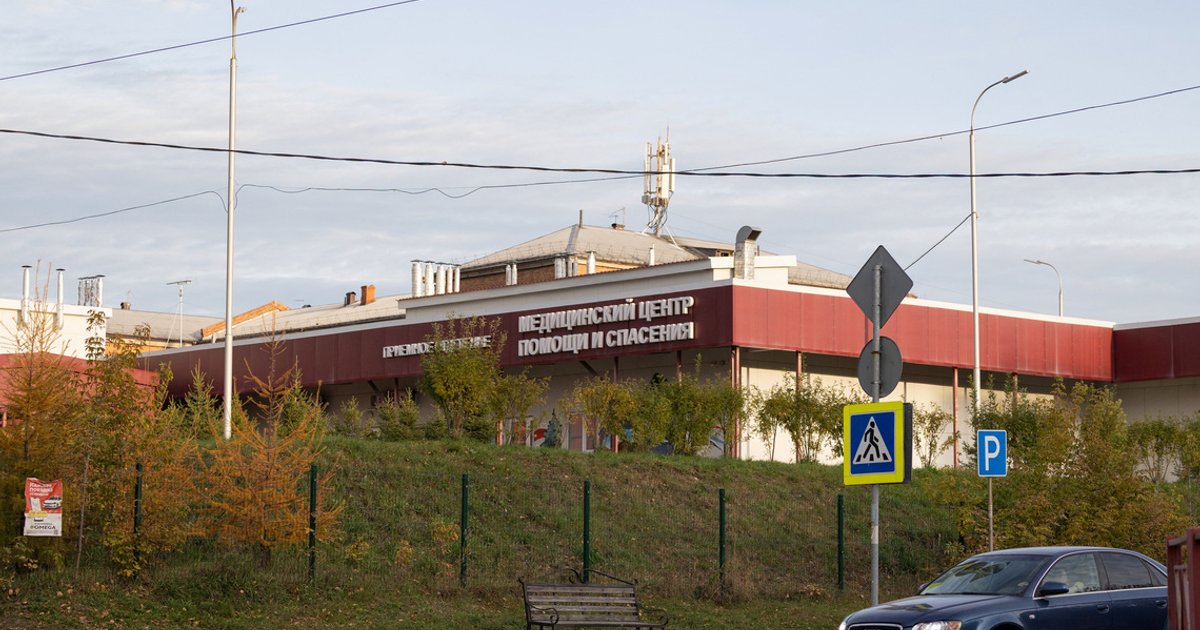
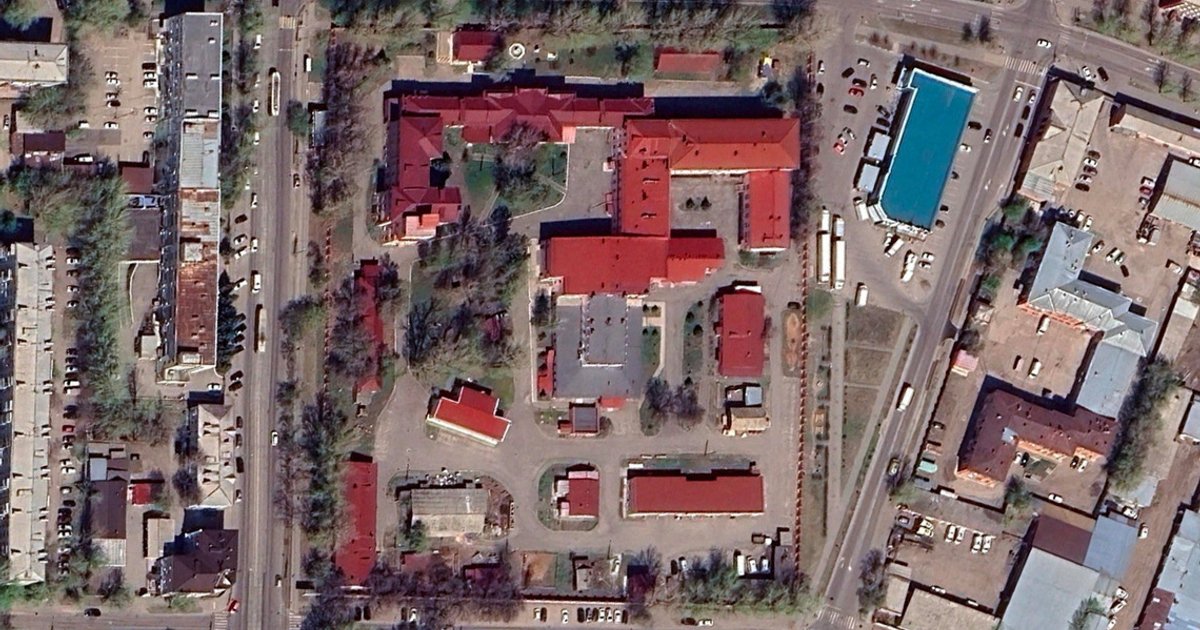
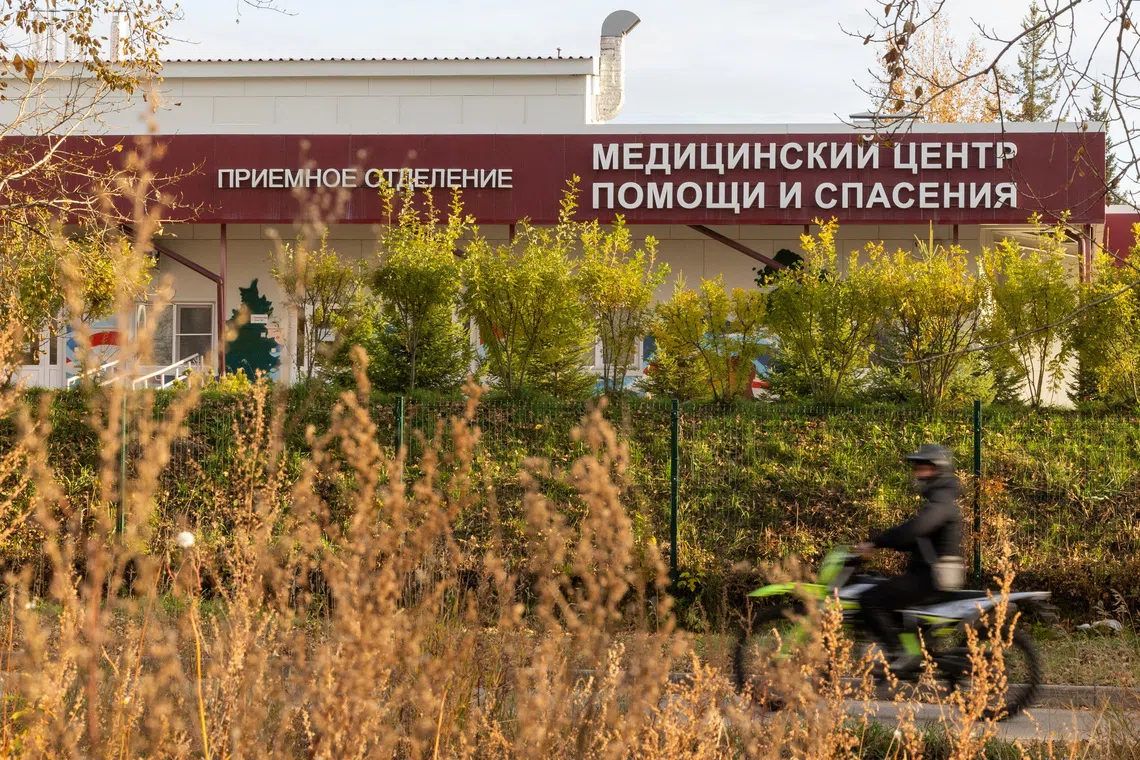
Photo via TIME

What Worries Experts About the Russia 'Plague' Incident

Read the original at TIME ↗
Cite

Greenwood, V., & Mosbergen, D. (2026, October 7). What Worries Experts About the Russia 'Plague' Incident. TIME. https://time.com/article/2026/10/07/what-worries-experts-about-the-russia-plague-incident/

Dated when The Aporia collected the article, usually within hours of publication. Check the original for its exact date and byline.

TIME · collected 2026-10-07 · by Veronique Greenwood, Dominique Mosbergen

Quick Summary

A laboratory worker died after developing pneumonia at a plague research institute in Siberia, raising concerns among experts despite Russian authorities claiming no plague bacteria were detected and dismissing reports of a broken test tube containing the pathogen. The WHO requested additional information following media reports of a second case of pneumonia of unknown cause. Public health specialists are wary due to the large-scale quarantine involving up to 200 people and hospital closures, suggesting that this incident may not be an ordinary lab accident but could involve more complex issues, including potential engineered pathogens or deliberate programs.
Written by AI on 2026-10-07, from this article's own text only (the story summary below draws on all the coverage).

AI analysis

Story summary

A 28-year-old laboratory assistant named Darya Shipilova died in early October after reportedly breaking a test tube containing potentially dangerous pathogens at the Irkutsk Anti-Plague Research Institute in Shelekhov, Russia. Despite extensive speculation that she may have contracted pneumonic plague, Russian authorities continue to maintain that her death was due to pneumonia of unknown origin and have not identified the specific pathogen involved. At least 197 people who had close contact with Shipilova were placed under quarantine or surveillance, while international health organizations like the CDC remain vigilant but assert that the risk to other countries is minimal. The incident has sparked concerns about Russia's transparency regarding biological research and safety protocols at such facilities.

Written for “Plague Outbreak In Siberia” on 2026-11-04, grounded in this article and the 113 other(s) covering the same event.

Story

📰 Plague Outbreak In Siberia
Health · 114 article(s) covering the same event. Compare every outlet's account →

Compared with similar articles

This article reads unscored and hedges 10% of its claims. Each row says how that neighbour differs.
The Straits Times
Hedges 1 of 13 claims Outlet record 66/100
The Straits Times
Hedges 1 of 10 claims Outlet record 66/100
Al Jazeera
Hedges 0 of 2 claims Outlet record 60/100
CBS News
Hedges 0 of 2 claims Outlet record 65/100
The Straits Times
Hedges 4 of 56 claims Outlet record 66/100
Al Jazeera
Hedges 19 of 69 claims Outlet record 60/100
Washington Examiner
Hedges 1 of 27 claims Outlet record 69/100
The Straits Times
Hedges 2 of 19 claims Outlet record 66/100
The Independent
Hedges 8 of 53 claims Outlet record 59/100
How this article was measured signals, leaning charts, publisher record, byline, topics and claims

Signals How these are calculated →

Claims extracted
62
sentences that state something as happening or true
Uncertain
10%
6 of 62 hedged ("reportedly", "may", "according to")
Leaning
withheld
no quote in the article backed the model's score
Publisher signals
59/100
TIME's corrections and hedging, across everything collected from it. Not a measure of accuracy.
Outlets on this story
114
Health
Same framing elsewhere
1
articles that frame the event the way this one does
Analyzed 2026-10-07 · how these are computed

How this is being covered How these are calculated →

Article leaning vs. publisher reliability
Source leaning vs. consistency

Publisher

TIME · 815 article(s) · 2 correction(s) detected
Running correction rate · 2 correction(s)

Who wrote this

Veronique Greenwood
10 article(s) here · 1 carrying a prediction
🔮 If he’d been hit, the injuries could have been severe, as Schroeder, who is a pediatrician and research scientist at Lucile Packard Children’s Hospital Stanford, well knows.
🔮 Every so often, after a marathon, headlines will pop up about a marathon runner collapsing and dying during or shortly after the race.
2026-10-30 · assertive framing · Is Running a Marathon Good for Your Heart?
🔮 Uncovering the links between certain infections and cancers raises the hope that by preventing infection, one could prevent certain malignancies.
2026-10-13 · assertive framing · These Infections Are Linked to 12% of New Cancer Cases
🔮 At the same time, Russian authorities have reportedly quarantined as many as 200 people, which public-health experts say would be an unusual response to an isolated case of pneumonia.
2026-10-07 · assertive framing · What Worries Experts About the Russia 'Plague' Incident
🔮 They may include painful body aches as well as fever and can last up to 10 days.
2026-10-02 · assertive framing · What to Know About the Dengue Outbreak in the U.S.
🔮 Keeping active in older age pays dividends Encouraging older people to take it slowly might sound like reasonable advice, says Margaret Danilovich, a physical therapist and instructor at Northwestern University and an author of the new paper.
2026-09-30 · assertive framing · Walking Faster May Help Reverse Frailty
🔮 As millions of people aged 60 and older received the shots, researchers watched and waited to see whether the efficacy numbers seen in clinical trials, which were quite high, would be mirrored in the real world.
2026-09-21 · assertive framing · RSV Vaccines Are Highly Effective in Older Adults
🔮 “There might be some danger, and we need to respond.”
2026-09-21 · mixed framing · Can ‘Pink Noise’ Help You Sleep Better?
🔮 Recent research has found that might be a problem.
2026-09-12 · assertive framing · Nighttime Light Exposure Is Linked to Heart Changes
🔮 The store feels like it’s on the far side of the Amazon, or maybe the Gobi.
2026-08-28 · assertive framing · How Your Body Adapts to Changing Temperatures
Also by Veronique Greenwood
Nothing else under this byline is closely related to this article, so these are simply their most recent.
All 10 articles by Veronique Greenwood →
Dominique Mosbergen
2 article(s) here · 1 carrying a prediction
🔮 That could be problematic for health, since sunlight benefits us in many ways.
2026-11-02 · assertive framing · The Surprising Link Between Sunlight and Blood Sugar
🔮 At the same time, Russian authorities have reportedly quarantined as many as 200 people, which public-health experts say would be an unusual response to an isolated case of pneumonia.
2026-10-07 · assertive framing · What Worries Experts About the Russia 'Plague' Incident
Also by Dominique Mosbergen
Nothing else under this byline is closely related to this article, so these are simply their most recent.

Topics

Russia Russian WHO the Pandemic Center the World Health Organization

Subjects

Nuzzo PERSON · 6× Jha PERSON · 3× Russian NORP · 3× Russia GPE · 2× WHO ORG · 2× Ashish K. Jha PERSON · 1× Jennifer Nuzzo PERSON · 1× the Brown University School of Public Health ORG · 1× the Pandemic Center ORG · 1× the World Health Organization ORG · 1×

Narrative

This doesn’t look like the average lab accident The pattern of events doesn’t fit neatly with the explanation that a lab accident with a known bacterium sickened the worker, says Jennifer Nuzzo, director of the Pandemic Center at the Brown University School of Public Health.
framing: assertive · carried by 1 article(s) · first seen 2026-10-07
🔮 At the same time, Russian authorities have reportedly quarantined as many as 200 people, which public-health experts say would be an unusual response to an isolated case of pneumonia.
2026-10-07 · TIME
What Worries Experts About the Russia 'Plague' Incident · assertive framing

Claims (62 extracted, 6 hedged)

A laboratory worker in a plague research institute in Siberia died last week after developing pneumonia. asserted
worker → die → pneumonia
Since then, local reports suggesting that she broke a test tube containing plague bacteria have fueled speculation about how she became ill. asserted
she → suggest → speculation
Russian authorities disputed that account and told the World Health Organization (WHO) that plague had not been detected in her tests nor in those of her close contacts. asserted
plague → dispute → contacts
At the same time, Russian authorities have reportedly quarantined as many as 200 people, which public-health experts say would be an unusual response to an isolated case of pneumonia. uncertain
experts → quarantine → pneumonia
On Tuesday evening, the WHO asked Russia for more information following media reports of a second case of pneumonia of unknown cause. asserted
WHO → ask → cause
Researchers who work in public-health policy and infectious diseases have been watching this rapidly evolving and opaque situation with concern. asserted
who → work → concern
Here’s what worries them. asserted
worries → ’ → them
This doesn’t look like the average lab accident The pattern of events doesn’t fit neatly with the explanation that a lab accident with a known bacterium sickened the worker, says Jennifer Nuzzo, director of the Pandemic Center at the Brown University School of Public Health. asserted
Nuzzo → look → Health
In labs that study Yersinia pestis, the bacterium that causes plague, protocols are in place to deal with accidental exposure. asserted
protocols → study → exposure
Wearing personal protective equipment and working under a fume hood provides some protection. asserted
Wearing → wear → protection
But if someone finds they’ve been exposed, they would take antibiotics, which is an effective treatment for naturally occurring plaque bacteria. asserted
which → find → bacteria
You don't die, typically,” says Nuzzo. asserted
Nuzzo → die → ?
A lab exposure “would be a regrettable accident that sometimes occurs.” asserted
that → occur → ?
That seems out of sync with the substantial response on the part of Russian authorities. asserted
That → seem → authorities
“The magnitude and severity of that response is also worth looking at,” she says, referring to reports that up to 200 people are under observation and that local hospitals have been closed. asserted
hospitals → look → observation
But I would feel more confident in what was going on if I knew specifically what she was tested for and what came back negative.” asserted
what → feel → what
By this time, Nuzzo continues, “they should have a full sequence”—meaning the pathogen that killed the lab worker should be identified. asserted
that → continue → worker
Much is unknown about the situation, and some experts have said it’s worth considering the possibility that an engineered pathogen, rather than a naturally occurring one, could be involved. uncertain
pathogen → say → possibility
Dr. Ashish K. Jha, who coordinated the White House’s COVID response under President Joe Biden, wrote on X on Oct. 4 that “an accidental release from a deliberate program” was a scenario he had long worried about. asserted
he → coordinate → program
Russia has a long history of bioengineering pathogens. asserted
Russia → have → pathogens
After the fall of the Soviet Union, that nation’s programs were officially shuttered, but the current situation is unclear. uncertain
situation → shutter → Union
“You can't help but worry that there is something more here than meets the eye,” Jha tells TIME. asserted
Jha → help → TIME
“What I will say from my conversations with friends in the [Trump] Administration is that they've been very worried about this… asserted
they → say → this
[But] they're not getting a lot of information and data.” asserted
they → get → information
”I'm going to say something that's going to sound incredibly naive, but I'll say it: asserted
I → go → it
What I hope is that the Russians will be very forthcoming and transparent about what was going on in this lab, but one can imagine that they may not be,” Jha says. uncertain
Jha → hope → lab
“If it's plague, breathe a sigh of relief, because we know what to do about plague,” says Nuzzo. asserted
Nuzzo → breathe → plague
“We have a clear solution… asserted
We → have → solution
The worry is it's not that, it is something different, something for which we don't have easy solutions. asserted
we → have → solutions
No, Nuzzo and Jha agree. asserted
Nuzzo → agree → ?
We are in a worse situation now compared to pre-COVID times, Nuzzo says. asserted
Nuzzo → compare → times
“The protections we had in 2019, early 2020–there are now fewer of them, and we are more vulnerable now than we were then,” Nuzzo says, pointing to reduced monitoring and less information flow between countries. asserted
Nuzzo → have → countries
“This is why countries need to fund and maintain overseas scientific engagements, because then they know the actors, they know their motivations, they know what's normal. asserted
what → need → motivations
It's also why you want to have a strong, capable, and relied-upon WHO, because sometimes they're the best entity to have the conversations to surface the information.” asserted
they → want → information
Jha also flags the lack of monitoring: “The biggest weakness we have is we have almost no biodetection system in our own country.” asserted
we → flag → country
If someone in Siberia was infected, got on a plane, and flew to New York City, “we would not know. asserted
we → infect → City
We just need a much better global monitoring system on this.” asserted
We → need → this
Jha and a colleague from the Biden White House, Nikki Romanik, have started a public benefit corporation to build a monitoring system that draws on search and social media information, clinical information from hospitals, and wastewater sequencing. asserted
that → start → hospitals
Wastewater monitoring typically looks for hand-picked pathogens, such as RSV or COVID-19. asserted
monitoring → look → RSV
“Our strategy is you flip it, you sequence everything in the wastewater and you look for anything that doesn't belong. asserted
that → flip → anything
…and 22 more, not listed.

💬Give feedback · no sign-in needed

No sign-in needed for now. Your note is sent without a name, so it cannot be answered.

🕘History 🎫Support