Photo via Toronto Star

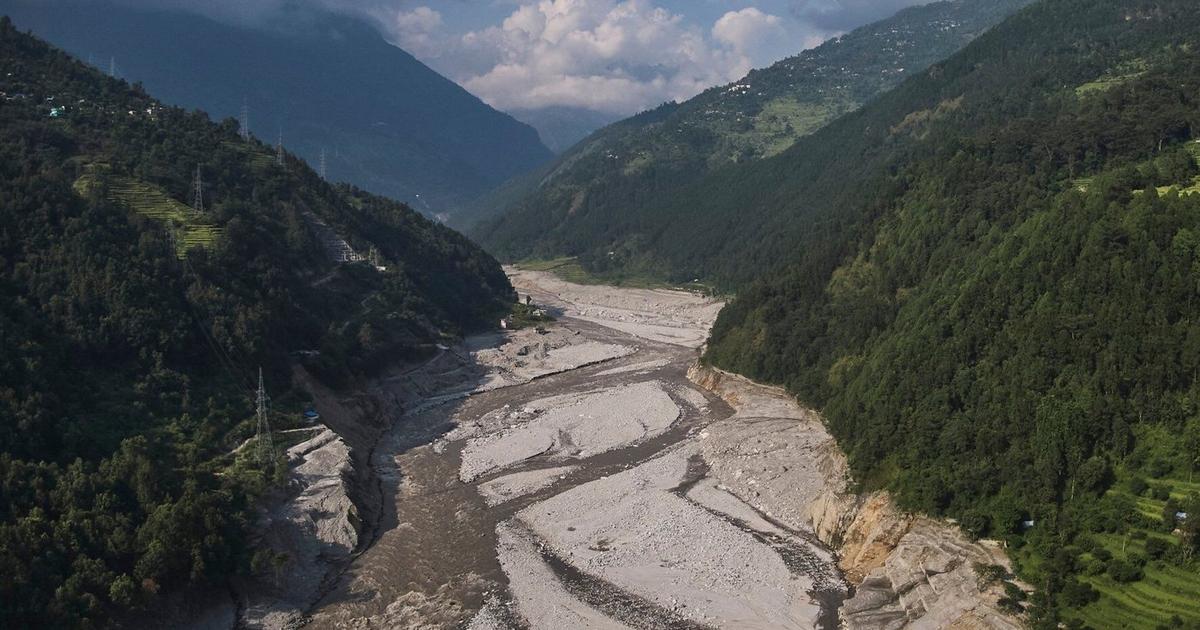
In drought-stricken Sri Lanka, farmers watch wells empty and wildlife crowd shrinking water holes

Read the original at Toronto Star ↗
Cite

Arasu, S., & Jayawardena, E. (2026, October 8). In drought-stricken Sri Lanka, farmers watch wells empty and wildlife crowd shrinking water holes. Toronto Star. https://www.thestar.com/news/world/in-drought-stricken-sri-lanka-farmers-watch-wells-empty-and-wildlife-crowd-shrinking-water-holes/article_d0ced7b3-2a1b-53aa-9a0c-9a4b0dfef803.html

Dated when The Aporia collected the article, usually within hours of publication. Check the original for its exact date and byline.

Toronto Star · collected 2026-10-08 · by Sibi Arasu, Eranga Jayawardena

Quick Summary

Samantha Pushpakumara, a farmer in Medirigiriya, Sri Lanka, describes the struggles he faces due to severe drought that has persisted for months. The lack of rainfall, exacerbated by El Niño and likely climate change, has left reservoirs at one-third capacity and prompted water rationing across many parts of the country. This drought not only affects farmers like Pushpakumara but also impacts wildlife, with authorities resorting to using water tankers to replenish dwindling watering holes in wildlife reserves.
Written by AI on 2026-10-08, from this article's own text only (the story summary below draws on all the coverage).

AI analysis

Story summary

In drought-stricken Sri Lanka, farmers like Samantha Pushpakumara are facing severe water shortages after returning to their villages following a decades-long civil war. The country has been without significant rainfall for months, affecting reservoirs and farming communities that rely on seasonal monsoons. Warmer temperatures due to both natural phenomena like El Niño and human-caused climate change have exacerbated the situation, leaving farmers feeling trapped between water scarcity and heat stress. Climate experts attribute the lack of rain partly to a strong El Niño, which disrupts global weather patterns, and warmer temperatures driven by climate change. Sri Lanka typically receives up to 30% of its rainfall from the southwest monsoon season, but this year's absence of rains has left farmers worried about their future livelihoods.

Written for “Sri Lanka Drought Crisis” on 2026-11-01, grounded in this article and the 0 other(s) covering the same event.

Story

📰 Sri Lanka Drought Crisis
Environment · 1 article(s) covering the same event.

Compared with similar articles

Nothing to compare against. No article is close enough to this one for the pipeline to have linked or judged the pair.
How this article was measured signals, leaning charts, publisher record, byline, topics and claims

Signals How these are calculated →

Claims extracted
54
sentences that state something as happening or true
Uncertain
4%
2 of 54 hedged ("reportedly", "may", "according to")
Leaning
not political
takes no side on a contested political question
Publisher signals
64/100
Toronto Star's corrections and hedging, across everything collected from it. Not a measure of accuracy.
Outlets on this story
1
Environment
Same framing elsewhere
1
articles that frame the event the way this one does
Analyzed 2026-10-08 · how these are computed

How this is being covered How these are calculated →

Article leaning vs. publisher reliability
Source leaning vs. consistency

Publisher

Toronto Star · 11011 article(s) · 28 correction(s) detected
Running correction rate · 28 correction(s)
2026-10-26
Correction
2026-10-24
Correction
2026-10-07
Correction
2026-09-24
Correction

Who wrote this

Sibi Arasu
8 article(s) here · 1 carrying a prediction
🔮 The fund’s board members will meet in December to consider more support requests.
🔮 When the decades-long civil war that forced Samantha Pushpakumara from his village in north-central Sri Lanka ended, he was finally able to return home to a life of farming that he thought would give his family a stable future.
🔮 El Niño-driven heat could cause half a million extra deaths, report says.
🔮 When funding for SERVIR-HKH ended, so did programs that monitored landslide forecasting, daily flooding, training programs and regional collaboration between countries.
🔮 This year’s powerful El Nino and the record global heat it’s driving, along with severe droughts, wildfires and shrinking water supplies, could lead to nearly half a million more deaths worldwide by the end of February, according to a research report released Wednesday.
🔮 A large 2015 Nepal earthquake may have weakened the rock years before the collapse, their analysis found.
🔮 But as they cleared debris from equipment buried by last week's catastrophic floods, there was hope the plant would not simply be rebuilt in the same place, beside the river that destroyed it.
Also by Sibi Arasu
Nothing else under this byline is closely related to this article, so these are simply their most recent.
All 8 articles by Sibi Arasu →
Eranga Jayawardena
1 article(s) here · 1 carrying a prediction
🔮 When the decades-long civil war that forced Samantha Pushpakumara from his village in north-central Sri Lanka ended, he was finally able to return home to a life of farming that he thought would give his family a stable future.
The only article under this byline in the corpus.

Topics

El Niño MEDIRIGIRIYA Sri Lanka Sri Lankan Sri Lanka’s

Subjects

Sri Lanka GPE · 5× MEDIRIGIRIYA GPE · 2× Sri Lanka’s GPE · 2× Gayana Krishanthi Hendawitharana PERSON · 1× Indika Nuwankumara PERSON · 1× Nuwankumara PERSON · 1× Pushpakumara PERSON · 1× Samantha Pushpakumara PERSON · 1× Sri Lankan NORP · 1×

Narrative

Climate experts say the lack of rain is likely due in part to a strong El Niño — a natural temporary warming of ocean waters that shifts weather patterns across the globe — combined with warmer temperatures driven partly by human-caused climate change.
framing: assertive · carried by 1 article(s) · first seen 2026-10-08
🔮 When the decades-long civil war that forced Samantha Pushpakumara from his village in north-central Sri Lanka ended, he was finally able to return home to a life of farming that he thought would give his family a stable future.

Claims (54 extracted, 2 hedged)

When the decades-long civil war that forced Samantha Pushpakumara from his village in north-central Sri Lanka ended, he was finally able to return home to a life of farming that he thought would give his family a stable future. asserted
he → force → future
That was until the rains didn’t come. asserted
rains → come → ?
Sri Lanka has been mired in drought for months, leading to severe water shortages that have left reservoirs dry and strained farming communities that depend on seasonal monsoons. asserted
that → mire → monsoons
Making matters worse, temperatures in many parts of the country have been higher than usual and high humidity has exacerbated the heat stress. asserted
humidity → make → stress
“We feel like we are being hit from every side,” Pushpakumara said. asserted
Pushpakumara → feel → side
“If there is no water and we have to give up farming, we will have nothing left to live on.” asserted
we → be → nothing
Climate experts say the lack of rain is likely due in part to a strong El Niño — a natural temporary warming of ocean waters that shifts weather patterns across the globe — combined with warmer temperatures driven partly by human-caused climate change. asserted
that → say → change
Sri Lanka receives rain from two main monsoon systems. asserted
Lanka → receive → systems
The southwest monsoon, which runs roughly from May to September, normally supplies up to 30% of the country’s annual rainfall, but this year there has been little rainfall through late September. uncertain
which → run → September
“We cannot say exactly whether it’s due to climate change, since we need more evidence. asserted
we → say → evidence
But these kinds of events are increasing in recent years,” said Gayana Krishanthi Hendawitharana, a climate scientist at Sri Lanka’s weather department. asserted
Hendawitharana → increase → department
Recent showers have brought some relief to parts of the island. asserted
showers → bring → island
However, climate experts say scattered rain will not be enough to restore reservoirs and groundwater after months of dryness. asserted
rain → say → dryness
The country’s 74 reservoirs have hovered around one-third full in recent weeks, resulting in water rationing in many parts of the island. asserted
reservoirs → hover → island
And it isn’t only humans feeling the impact. asserted
it → feel → impact
The drought has also diminished water and food sources for wildlife in the country’s forests. asserted
drought → diminish → forests
Authorities are using water tankers and underground pipes to replenish watering holes inside some wildlife reserves. asserted
Authorities → use → reserves
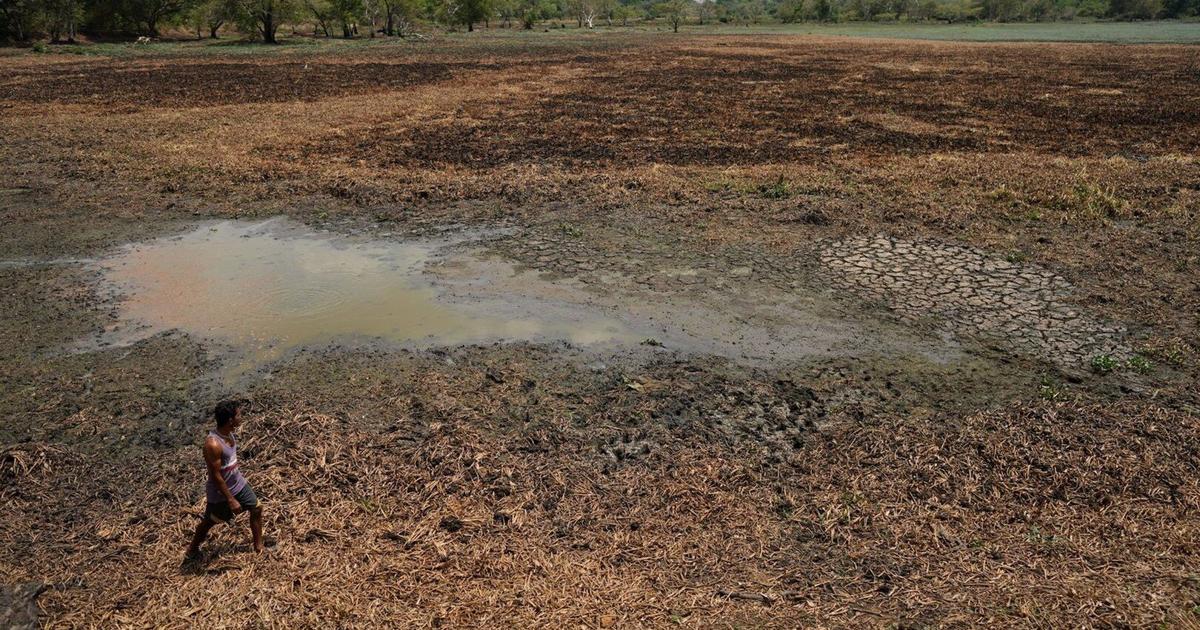
Fields without water and a landscape transformed In Medirigiriya, one of the most affected areas, rice farming is central to life. asserted
farming → transform → life
Roads run between villages and broad paddy fields, while small vegetable plots sit beside homes. asserted
plots → run → homes
During wetter years, rain fills irrigation tanks, and water stored there is released through the cultivation seasons. asserted
water → fill → seasons
This year, much of that landscape has been transformed. asserted
much → transform → landscape
Vegetable gardens that once provided food and income have withered. asserted
that → provide → food
Across exposed tank beds, cattle search for fodder. asserted
cattle → expose → fodder
In villages where household wells have failed, residents wait outside their homes with plastic barrels, bottles and jerrycans for water deliveries that are supplied for free by the Sri Lankan government and charities. asserted
that → fail → government
On a recent day, a truck fitted with a large black tank pulled up along a dirt road, and families gathered around it with their containers. asserted
families → fit → containers
For Indika Nuwankumara, a father of three, the drought has driven him into huge debt. asserted
drought → drive → debt
He said he’s struggling to repay a $1,500 loan he had taken for farming. asserted
he → say → farming
Without rain for four months, the rice, okra and eggplant he planted across his 8-acre (3.2-hectare) field have failed. asserted
he → plant → field
“I made a loss and am now struggling to repay the loan,” he said. asserted
I → make → loan
Nuwankumara said the intense heat has also made it harder to work in the fields. asserted
it → say → fields
“The daytime heat is unbearable,” he said. asserted
he → say → ?
“Even using an electric fan inside our houses is not helpful because it blows warm air.” asserted
it → use → air
Wildlife gathers around shrinking pools asserted
Wildlife → gather → pools
The search for water is also playing out inside Sri Lanka’s wildlife reserves such as Yala National Park in southeastern Sri Lanka. asserted
search → play → Lanka
Elephants, deer, water buffaloes, crocodiles and many types of birds including peacocks and cranes are among the wildlife that normally frequent watering holes to drink or cool off from the searing heat. asserted
that → include → heat
While the Menik River that supplies most of the 1,000-square-kilometer (386-square-mile) park still has flowing water, sections of the park have natural and artificial ponds that the animals drink from. asserted
animals → supply → that
Most of these have dried up. asserted
Most → dry → these
Wildlife officials say animals are suffering dehydration and heat stress. asserted
animals → say → dehydration
In the dry landscape on a recent day, spotted deer bent their heads toward muddy pools. asserted
deer → bend → pools
Elephants crossed parched ground and stood beside what remained of watering holes. asserted
what → cross → holes
…and 14 more, not listed.

💬Give feedback
🕘History 🎫Support