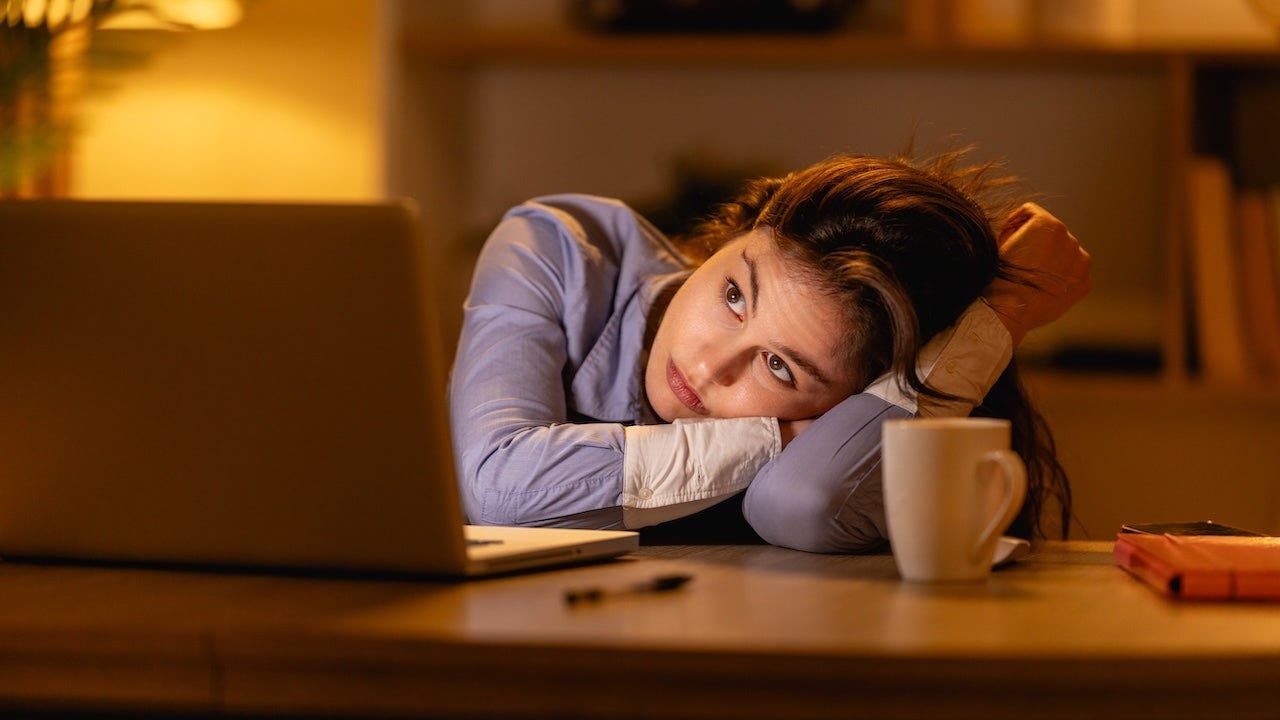
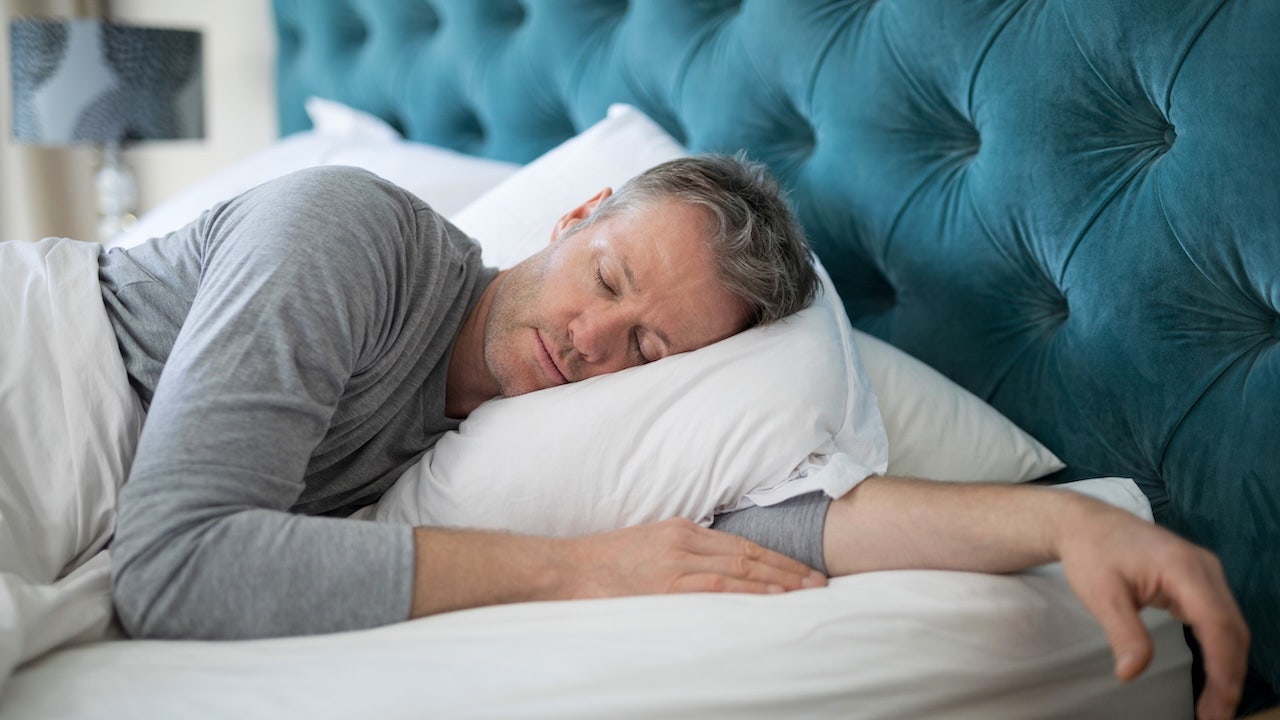
Photo via Fox News

Doctor reveals 4 hidden health risks of spending too much time indoors

Read the original at Fox News ↗
Cite

Rudy, M. (2026, October 8). Doctor reveals 4 hidden health risks of spending too much time indoors. Fox News. https://www.foxnews.com/health/doctor-reveals-4-hidden-health-risks-spending-too-much-time-indoors

Dated when The Aporia collected the article, usually within hours of publication. Check the original for its exact date and byline.

Fox News · collected 2026-10-08 · by Melissa Rudy

Quick Summary

Dr. John La Puma, a physician specializing in nature-based medicine, discusses the health risks associated with spending too much time indoors in an interview with Fox News Digital. He cites a survey indicating that nearly half of Americans spend less than two hours outdoors weekly and notes that humans typically spend about 93% of their lives inside, contributing to what he calls a "hidden health tax." La Puma identifies four primary issues caused by excessive indoor time: poor sleep due to lack of exposure to natural light, burnout from overuse of screens (dubbed "ultraprocessed time"), and the absence of distant views that can cause eye strain and fatigue. To mitigate these effects, he recommends spending about 10 minutes outdoors soon after waking each day and taking regular breaks to look out a window or step outside during work hours.
Written by AI on 2026-10-08, from this article's own text only (the story summary below draws on all the coverage).

AI analysis

Story summary

According to a recent survey from the Nature & Health Alliance involving researchers at Texas A&M University, nearly half of Americans spend less than two hours outdoors in an entire week. Dr. John La Puma, a California physician and expert in nature-based medicine, highlights the hidden health risks associated with spending too much time indoors, which he details in his book "Indoor Epidemic." Humans typically spend about 93% of their lives inside, leading to what La Puma calls a "hidden health tax," recommending that people aim for at least 7% of their time outdoors. Dr. La Puma identifies four main issues caused by excessive indoor activity: bad sleep quality, fatigue despite adequate rest, afternoon crashes, and nighttime insomnia. He emphasizes the importance of 17 minutes of intentional outdoor time daily to combat these effects, noting that natural light is many times brighter than typical indoor lighting and helps regulate the body’s circadian rhythm.

Written for “Hidden Health Risks Indoors” on 2026-11-02, grounded in this article and the 1 other(s) covering the same event.

Story

📰 Hidden Health Risks Indoors
Health · 2 article(s) covering the same event. See how they differ ↓

Compared with similar articles

This article reads unscored and hedges 10% of its claims. Each row says how that neighbour differs.
New York Post
Hedges 5 of 48 claims Outlet record 66/100
How this article was measured signals, leaning charts, publisher record, byline, topics and claims

Signals How these are calculated →

Claims extracted
48
sentences that state something as happening or true
Uncertain
10%
5 of 48 hedged ("reportedly", "may", "according to")
Leaning
not political
takes no side on a contested political question
Publisher signals
69/100
Fox News's corrections and hedging, across everything collected from it. Not a measure of accuracy.
Outlets on this story
2
Health
Same framing elsewhere
1
articles that frame the event the way this one does
Analyzed 2026-10-08 · how these are computed

How this is being covered How these are calculated →

Article leaning vs. publisher reliability
Source leaning vs. consistency

Publisher

Fox News · 6284 article(s) · 11 correction(s) detected
Running correction rate · 11 correction(s)

Who wrote this

Melissa Rudy
34 article(s) here · 1 carrying a prediction
🔮 Three in four Americans aged 50 and older would like to remain in their homes as they age, according to the AARP — and preserving that independence starts with daily habits.
🔮 "A more planned-out training protocol will get you to that point where you really start seeing the arms develop and change in shape."
🔮 "We encourage anyone who may have been exposed and is experiencing symptoms consistent with E. coli infection to seek immediate medical attention."
🔮 While some research has suggested that the fall time change could have some cardiovascular benefits, the abrupt loss of evening sunlight can suppress serotonin and melatonin production, which can lead to a depressed mood, according to Dr. John La Puma, a California physician and expert in nature-based medicine.
🔮 "If marijuana use is a regular part of life at home, children may start to see it as something that's normal and relatively harmless," he said, pointing to studies that show children whose parents use marijuana are more likely to use it themselves as they get older.
🔮 " What the research shows Polling and research in recent years suggests that traditional dating rules around age may be loosening.
🔮 "Maybe you're losing structure in your day-to-day eating … moving a lot less, taking fewer steps per day," he said of potential causes.
🔮 In most cases, early-stage lung cancer will not come with any symptoms, according to Robinson.
🔮 I was very, very upset that I couldn't see."
🔮 Certain medical conditions may signal early-onset Alzheimer’s disease several years before diagnosis, a new Finnish study suggests.
Also by Melissa Rudy
Nothing else under this byline is closely related to this article, so these are simply their most recent.
All 34 articles by Melissa Rudy →

Topics

Americans Fox News Digital La Puma Texas A&M University the Nature & Health Alliance

Subjects

La Puma PERSON · 8× Fox News Digital ORG · 2× Americans NORP · 1× California GPE · 1× EPA ORG · 1× John La Puma PERSON · 1× LaPuma PERSON · 1× Texas A&M University ORG · 1× the Nature & Health Alliance ORG · 1×

Narrative

"What you need to do is cross-ventilate, but that's tough to do in an office or conference room." The doctor said that getting outdoors gives the eyes a chance to focus at greater distances while providing a break from potentially stuffy indoor air.
framing: assertive · carried by 1 article(s) · first seen 2026-10-08
🔮 La Puma argues that a person’s environment can contribute to burnout, rather than viewing it solely as a matter of willpower.

Claims (48 extracted, 5 hedged)

Nearly half of Americans spend less than two hours outdoors in an entire week, according to a new national survey from the Nature & Health Alliance involving researchers at Texas A&M University. uncertain
half → spend → University
Dr. John La Puma, a California physician and expert in nature-based medicine, has focused on the potential health impacts of spending less time outdoors. asserted
Puma → base → time
In his book, "Indoor Epidemic," he discusses how humans spend about 93% of their lives inside, which comes with a "hidden health tax." asserted
which → discuss → tax
He claims the remedy is a simple 7% outdoor prescription. uncertain
remedy → claim → ?
"Many people don't realize that they're inhibited from feeling as good as they can, because they're exhausted even after a full night's sleep," La Puma told Fox News Digital. asserted
Puma → realize → Digital
"They need coffee to feel normal. asserted
They → need → coffee
They crash at two in the afternoon. asserted
They → crash → afternoon
They're wired at night. asserted
They → wire → night
They can't go to sleep, but their labs are normal. asserted
labs → go → sleep
" "And they come into the office saying, ‘Why do I feel so exhausted?’ asserted
I → come → office
It's the four Bs," he said. asserted
he → say → ?
The ‘4 Bs’ caused by too much indoor time No. 1: Bad sleep Outdoor light can be many times brighter than typical indoor lighting, La Puma noted, making it a powerful signal for setting the body’s internal clock, or circadian rhythm. asserted
it → cause → clock
"If you don't set your body clock, your body doesn't know what time it is, and it just goes to sleep whenever you can get to sleep instead of on time," he told Fox News Digital. asserted
he → set → Digital
Getting bright outdoor light soon after waking can help synchronize the body's sleep-wake cycle and support the natural rise in melatonin later in the evening, according to La Puma. uncertain
Getting → get → Puma
He recommends spending about 10 minutes outdoors within the first hour of waking, without sunglasses. asserted
He → recommend → sunglasses
No. 2: Burnout La Puma uses the term "ultraprocessed time" to describe hours lost to screens, scrolling and other digital distractions. asserted
Puma → use → screens
"Ultraprocessed time is kind of like ultraprocessed food," he said. asserted
he → say → food
"It’s not nutritious. asserted
It → ’ → ?
It’s synthetic. asserted
It → ’ → ?
It’s artificial. asserted
It → ’ → ?
It’s ubiquitous. asserted
It → ’ → ?
That includes time spent endlessly scrolling, he said, which can seem to simply "evaporate." asserted
which → include → time
La Puma argues that a person’s environment can contribute to burnout, rather than viewing it solely as a matter of willpower. asserted
environment → argue → willpower
Spending excessive time indoors can lead to an overload of screen exposure, he said, as people often turn to the same devices for work, entertainment and relaxation. asserted
people → spend → work
He noted that the body may not interpret screen time as true rest or escape. uncertain
body → note → rest
We are horizon-deprived as a species because indoors, we can't see more than 20 feet in front of us," La Puma said. asserted
Puma → deprive → us
"Your eyes need distance like your lungs need air." To combat burnout, he recommends getting up and going to the window and looking outside for a minute every hour. asserted
he → need → minute
"It relaxes your eyes, relaxes the muscles around your temples, reduces headache if you have it, improves energy and reduces fatigue," he said. asserted
he → relax → fatigue
"That's the beginning of being able to reverse burnout. asserted
That → reverse → burnout
Simply going outside during the workday can help to reverse burnout, LaPuma said. asserted
LaPuma → go → burnout
"Your eyes need distance like your lungs need air. asserted
lungs → need → air
" No. 3: Brain fog People who spend the day indoors may notice that they feel mentally foggy by the afternoon, La Puma said, particularly in poorly ventilated spaces where carbon dioxide can build up. uncertain
dioxide → spend → spaces
Indoor CO₂ levels can climb above 1,000 parts per million in poorly ventilated spaces, and some research has linked elevated levels with reduced cognitive performance. asserted
research → climb → performance
"So it's not that you're just making bad decisions in the afternoons — there's a biologic reason for it," La Puma said. asserted
Puma → make → it
"What you need to do is cross-ventilate, but that's tough to do in an office or conference room." The doctor said that getting outdoors gives the eyes a chance to focus at greater distances while providing a break from potentially stuffy indoor air. asserted
getting → need → air
The EPA notes that concentrations of some pollutants can be two to five times higher indoors than outdoors. asserted
concentrations → note → pollutants
No. 4: Belly fat When someone’s body clock is out of sync, it can disrupt the body’s normal cortisol rhythm, La Puma said. asserted
Puma → disrupt → rhythm
Cortisol, often called the stress hormone, naturally rises and falls throughout the day. asserted
Cortisol → call → day
Research has linked altered cortisol activity with greater abdominal and visceral fat, although the relationship is complex. asserted
relationship → link → fat
"Again, the way to improve your metabolism is to get daylight at the right time, in the right place, for the right duration — early in the morning especially," La Puma advised. asserted
Puma → improve → morning
…and 8 more, not listed.

💬Give feedback
🕘History 🎫Support