The Aporia
Robles, R. (2026, October 8). Is the Philippines using new anti-spying laws to silence critics? South China Morning Post. https://www.scmp.com/week-asia/politics/article/3370221/philippines-using-new-anti-spying-laws-silence-critics?utm_source=rss_feed
Robles, Raissa. “Is the Philippines using new anti-spying laws to silence critics?” South China Morning Post, 8 Oct. 2026, https://www.scmp.com/week-asia/politics/article/3370221/philippines-using-new-anti-spying-laws-silence-critics?utm_source=rss_feed.
Robles, Raissa. “Is the Philippines using new anti-spying laws to silence critics?” South China Morning Post, October 8, 2026. https://www.scmp.com/week-asia/politics/article/3370221/philippines-using-new-anti-spying-laws-silence-critics?utm_source=rss_feed.
Dated when The Aporia collected the article, usually within hours of publication. Check the original for its exact date and byline.
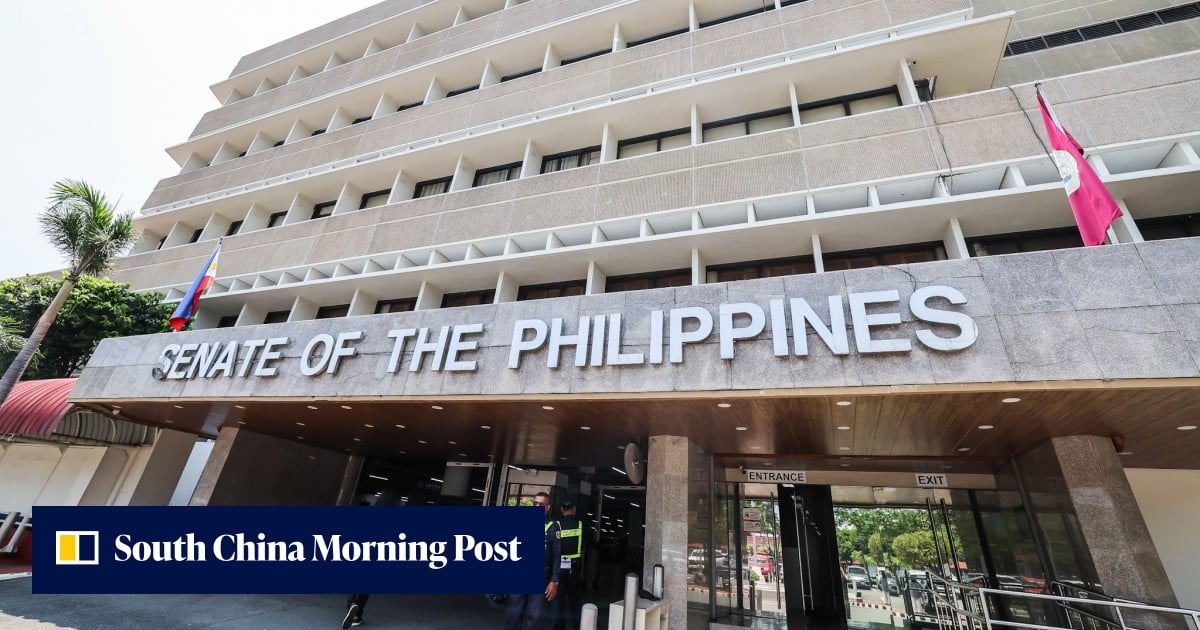
In September 2023, the Philippine House of Representatives approved a bill expanding the country’s espionage law to cover peacetime activities. The proposed updates, which could impose life sentences for broad offenses, have raised concerns among journalists and legal experts who fear the law might be used to stifle free expression and restrict public scrutiny of national issues. Senator Panfilo Lacson, former military official and creator of the 2020 Anti-Terrorism Act, has defended the need for these changes, stating that current laws do not address modern peacetime espionage adequately. The Senate is currently reviewing a similar version of the bill, with Lacson’s Senate Bill No 33 serving as the basis. Critics argue that such broad provisions could be weaponized against dissenters and critics of the government.