The Aporia
TOI World Desk. (2026, October 8). How a $5 million fundraising drive and Rockefeller gift helped create Great Smoky Mountains National Park. Times of India. https://timesofindia.indiatimes.com/world/us/in-1928-supporters-had-raised-5-million-for-great-smoky-mountains-national-park-but-rising-land-prices-stalled-the-effort-a-rockefeller-memorial-fund-matched-it-with-another-5-million-helping-make-the-park-possible/articleshow/134791518.cms
TOI World Desk. “How a $5 million fundraising drive and Rockefeller gift helped create Great Smoky Mountains National Park.” Times of India, 8 Oct. 2026, https://timesofindia.indiatimes.com/world/us/in-1928-supporters-had-raised-5-million-for-great-smoky-mountains-national-park-but-rising-land-prices-stalled-the-effort-a-rockefeller-memorial-fund-matched-it-with-another-5-million-helping-make-the-park-possible/articleshow/134791518.cms.
TOI World Desk. “How a $5 million fundraising drive and Rockefeller gift helped create Great Smoky Mountains National Park.” Times of India, October 8, 2026. https://timesofindia.indiatimes.com/world/us/in-1928-supporters-had-raised-5-million-for-great-smoky-mountains-national-park-but-rising-land-prices-stalled-the-effort-a-rockefeller-memorial-fund-matched-it-with-another-5-million-helping-make-the-park-possible/articleshow/134791518.cms.
Dated when The Aporia collected the article, usually within hours of publication. Check the original for its exact date and byline.
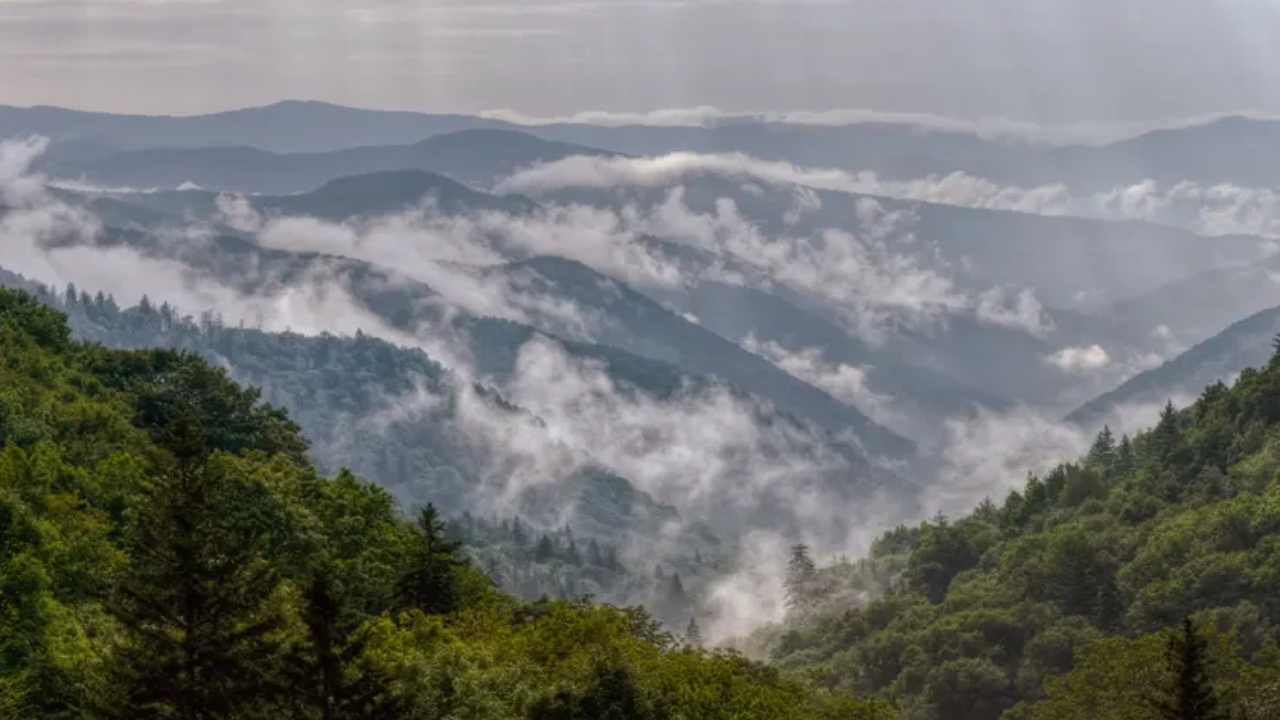
Great Smoky Mountains National Park, spanning over 522,000 acres along the Tennessee-North Carolina border, faced significant challenges in its establishment due to rising land prices. By 1928, supporters had raised $5 million but found that costs had doubled, halting progress. A critical breakthrough occurred when the Laura Spelman Rockefeller Memorial Fund donated another $5 million, matching the funds already raised and enabling the acquisition of the remaining land needed for the park’s creation. The initiative aimed to protect the forests and mountains of the Southern Appalachians from commercial exploitation by timber and paper companies, which owned vast areas of forest, while also preserving the region's natural beauty and heritage for future generations.