The Aporia
Doescher, T. L. (2026, October 8). Federal deficit surged 12% last year. Even though tax collections grew, spending exploded faster. Washington Examiner. https://www.washingtonexaminer.com/opinion/columnists/4759787/federal-deficit-tax-collections-spending-debt/
Doescher, Tiana Lowe. “Federal deficit surged 12% last year. Even though tax collections grew, spending exploded faster.” Washington Examiner, 8 Oct. 2026, https://www.washingtonexaminer.com/opinion/columnists/4759787/federal-deficit-tax-collections-spending-debt/.
Doescher, Tiana Lowe. “Federal deficit surged 12% last year. Even though tax collections grew, spending exploded faster.” Washington Examiner, October 8, 2026. https://www.washingtonexaminer.com/opinion/columnists/4759787/federal-deficit-tax-collections-spending-debt/.
Dated when The Aporia collected the article, usually within hours of publication. Check the original for its exact date and byline.
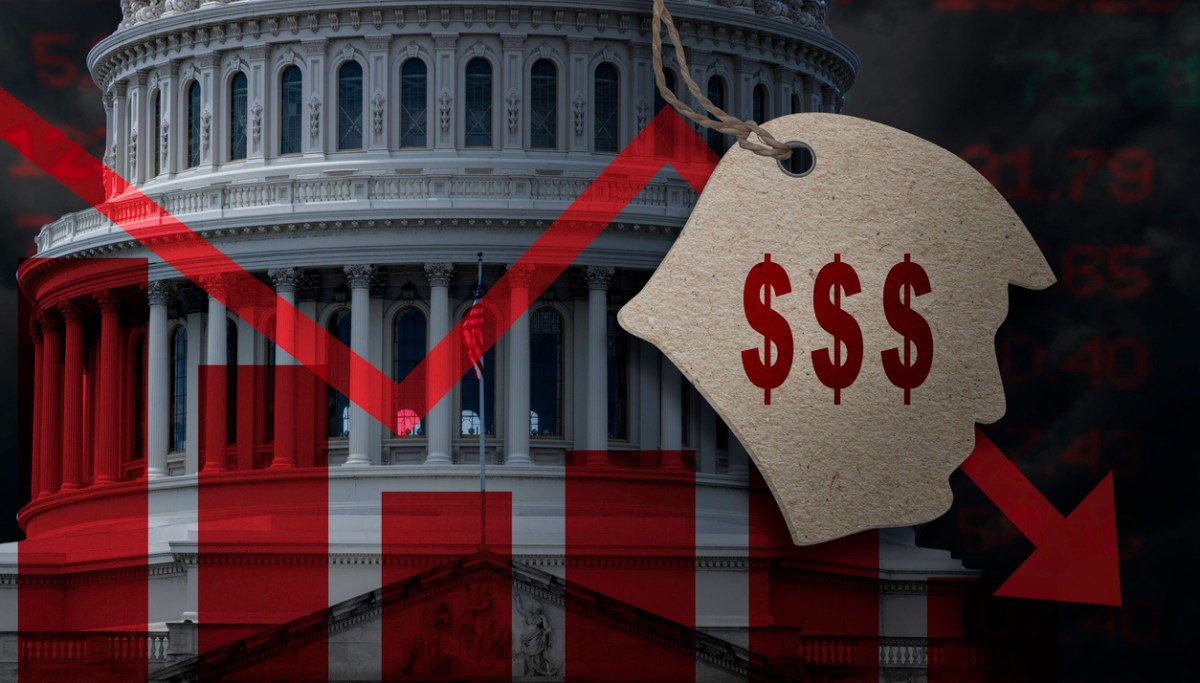
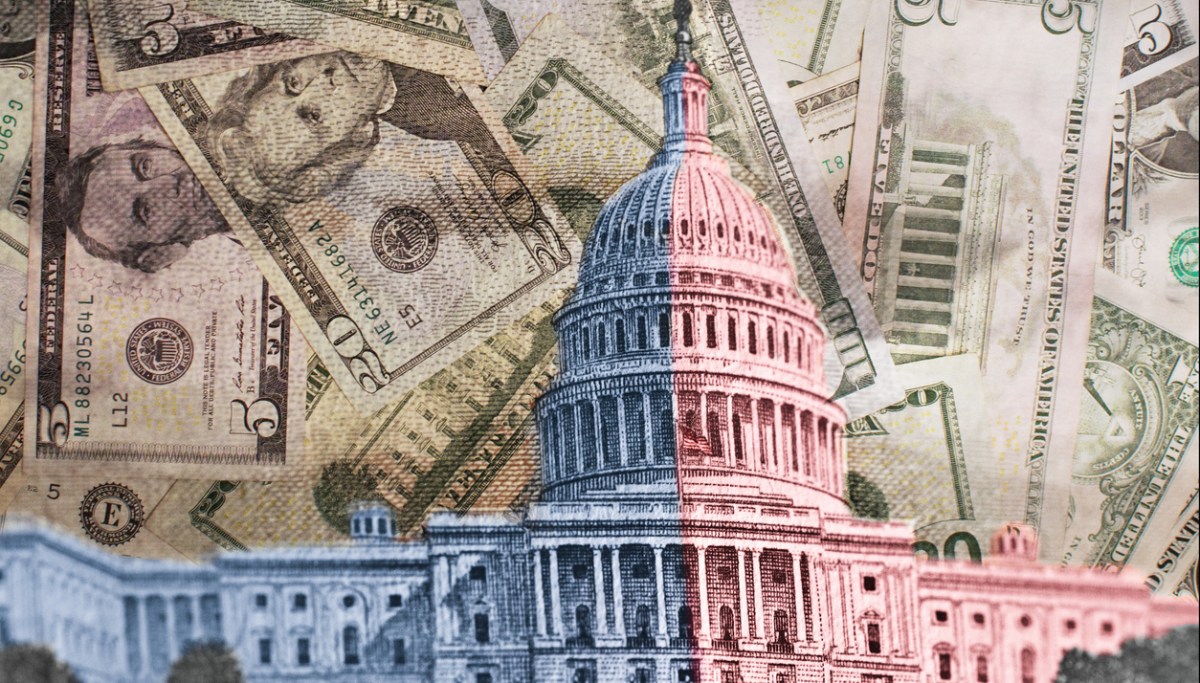
In FY 2026, the federal budget deficit in the U.S. surged by 12% to a record-high of $1.99 trillion, reversing a 4% drop seen during Donald Trump's second term. Although tax collections increased by 3%, with individual income and payroll taxes up significantly, spending continued to outpace revenue growth. The federal government spent a total of $7.4 trillion that year, marking a 6% increase from the previous fiscal year. Major drivers of this rise were mandatory programs: Social Security saw a 5% hike to nearly $1.7 trillion, while interest payments on the national debt, now the second-largest spending category at over $1.1 trillion, increased by 11% due to the country's $40 trillion debt load. Despite modest increases in discretionary spending and some cuts to subsidies for semiconductor manufacturing, EPA funding, and SNAP food stamps, mandatory spending pressures continued to strain the budget significantly.