The Aporia

Post Editorial Board. (2026, October 8). Rubio stands up for the West against enemies — both within AND without. New York Post. https://nypost.com/2026/10/08/opinion/rubio-stands-up-for-the-west-against-enemies-both-within-and-without/
Post Editorial Board. “Rubio stands up for the West against enemies — both within AND without.” New York Post, 8 Oct. 2026, https://nypost.com/2026/10/08/opinion/rubio-stands-up-for-the-west-against-enemies-both-within-and-without/.
Post Editorial Board. “Rubio stands up for the West against enemies — both within AND without.” New York Post, October 8, 2026. https://nypost.com/2026/10/08/opinion/rubio-stands-up-for-the-west-against-enemies-both-within-and-without/.
Dated when The Aporia collected the article, usually within hours of publication. Check the original for its exact date and byline.
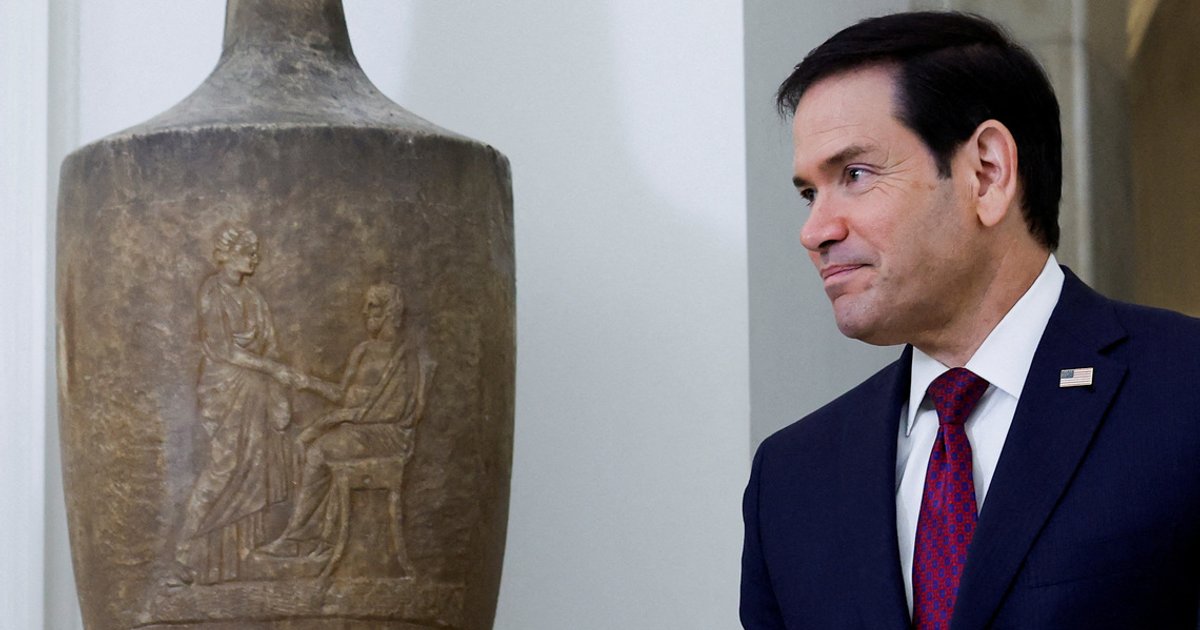
On October 7, 2026, US Secretary of State Marco Rubio delivered a speech in Athens near the Acropolis, calling on Western nations to return to their founding democratic values and civilizational roots. Rubio emphasized historical themes like ancient Greek virtues, linking them to President Trump’s "America First" agenda and urging for renewed ambition and power against contemporary threats from Russia, China, and Iran. The State Department framed his speech as a major address on democracy's future. However, his rhetoric drew criticism both domestically and internationally; an article in the Washington Examiner argued that Rubio overstated ancient Greece's influence, while Iranian officials dismissed his civilizational narrative as irrelevant to their current political context. Additionally, historian Ted Widmer critiqued the speech for ignoring modern issues like climate change and scientific research funding. Despite these criticisms, Rubio highlighted recent defense spending commitments by NATO members and stressed the importance of a strong alliance in confronting today's global challenges. The speech sought to reinvigorate Western confidence but faced significant pushback over its historical interpretation and current relevance.