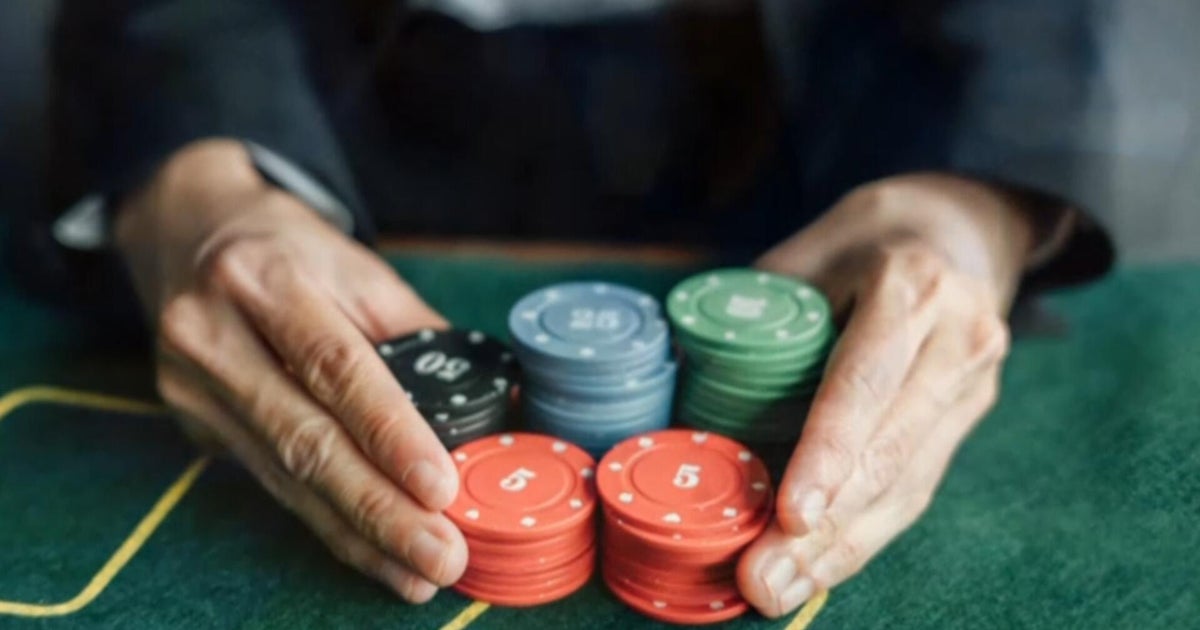
Photo via CBS News

Doctor explains how GLP-1 drugs could help reduce gambling, shopping addiction

Read the original at CBS News ↗
Cite

Doctor explains how GLP-1 drugs could help reduce gambling, shopping addiction. (2026, October 9). CBS News. https://www.cbsnews.com/video/doctor-explains-how-glp-1-drugs-could-help-reduce-gambling-shopping-addiction/

Dated when The Aporia collected the article, usually within hours of publication. Check the original for its exact date and byline.

CBS News · collected 2026-10-09

Quick Summary

Dr. Carolina Haass-Koffler, an associate professor of psychiatry at Brown University, appeared on "The Daily Report" to discuss the potential use of GLP-1 drugs in treating non-diet-related addictions such as gambling and shopping addiction. The article focuses on how these medications, traditionally used for diabetes and weight management, may have broader therapeutic applications due to their effects on brain chemistry.
Written by AI on 2026-10-09, from this article's own text only (the story summary below draws on all the coverage).

AI analysis

Story summary

Dr. Carolina Haass-Koffler, an associate professor of psychiatry at Brown University, appeared on CBS News' The Daily Report to discuss the potential use of GLP-1 drugs in treating various addictions, not just those related to overeating. Dr. Haass-Koffler explored how these medications, known for their benefits in managing diabetes and weight loss, might also help individuals struggling with gambling or shopping addiction by influencing brain chemistry associated with reward pathways. This could represent a significant breakthrough if further research confirms the effectiveness of GLP-1 drugs in treating non-food related compulsive behaviors.

Written for “GLP-1 Drugs For Addiction” on 2026-10-31, grounded in this article and the 0 other(s) covering the same event.

Story

📰 GLP-1 Drugs For Addiction
Health · 1 article(s) covering the same event.

Compared with similar articles

Nothing to compare against. No article is close enough to this one for the pipeline to have linked or judged the pair.
How this article was measured signals, leaning charts, publisher record, byline, topics and claims

Signals How these are calculated →

Claims extracted
1
sentences that state something as happening or true
Uncertain
100%
1 of 1 hedged ("reportedly", "may", "according to")
Leaning
not political
takes no side on a contested political question
Publisher signals
66/100
CBS News's corrections and hedging, across everything collected from it. Not a measure of accuracy.
Outlets on this story
1
Health
Same framing elsewhere
1
articles that frame the event the way this one does
Analyzed 2026-10-09 · how these are computed

How this is being covered How these are calculated →

Article leaning vs. publisher reliability
Source leaning vs. consistency

Publisher

CBS News · 4280 article(s) · 6 correction(s) detected
Running correction rate · 6 correction(s)

Who wrote this

No reporter is named on this article.

Topics

Brown University

Subjects

Brown University ORG · 1× Carolina Haass-Koffler PERSON · 1×

Narrative

Dr. Carolina Haass-Koffler, associate professor of psychiatry at Brown University, joins "The Daily Report" to explain how GLP-1 drugs could be used to treat addictions beyond excessive eating.
framing: speculative · carried by 1 article(s) · first seen 2026-10-09
🔮 Dr. Carolina Haass-Koffler, associate professor of psychiatry at Brown University, joins "The Daily Report" to explain how GLP-1 drugs could be used to treat addictions beyond excessive eating.

Claims (1 extracted, 1 hedged)

Dr. Carolina Haass-Koffler, associate professor of psychiatry at Brown University, joins "The Daily Report" to explain how GLP-1 drugs could be used to treat addictions beyond excessive eating. uncertain
drugs → join → eating
💬Give feedback
🕘History 🎫Support