The Aporia
Lu, F. (2026, October 9). Sacred splashes: ancient Chinese ritual of ‘elephant washing’ for good fortune. South China Morning Post. https://www.scmp.com/news/people-culture/trending-china/article/3370261/sacred-splashes-ancient-chinese-ritual-elephant-washing-good-fortune?utm_source=rss_feed
Lu, Fran. “Sacred splashes: ancient Chinese ritual of ‘elephant washing’ for good fortune.” South China Morning Post, 9 Oct. 2026, https://www.scmp.com/news/people-culture/trending-china/article/3370261/sacred-splashes-ancient-chinese-ritual-elephant-washing-good-fortune?utm_source=rss_feed.
Lu, Fran. “Sacred splashes: ancient Chinese ritual of ‘elephant washing’ for good fortune.” South China Morning Post, October 9, 2026. https://www.scmp.com/news/people-culture/trending-china/article/3370261/sacred-splashes-ancient-chinese-ritual-elephant-washing-good-fortune?utm_source=rss_feed.
Dated when The Aporia collected the article, usually within hours of publication. Check the original for its exact date and byline.
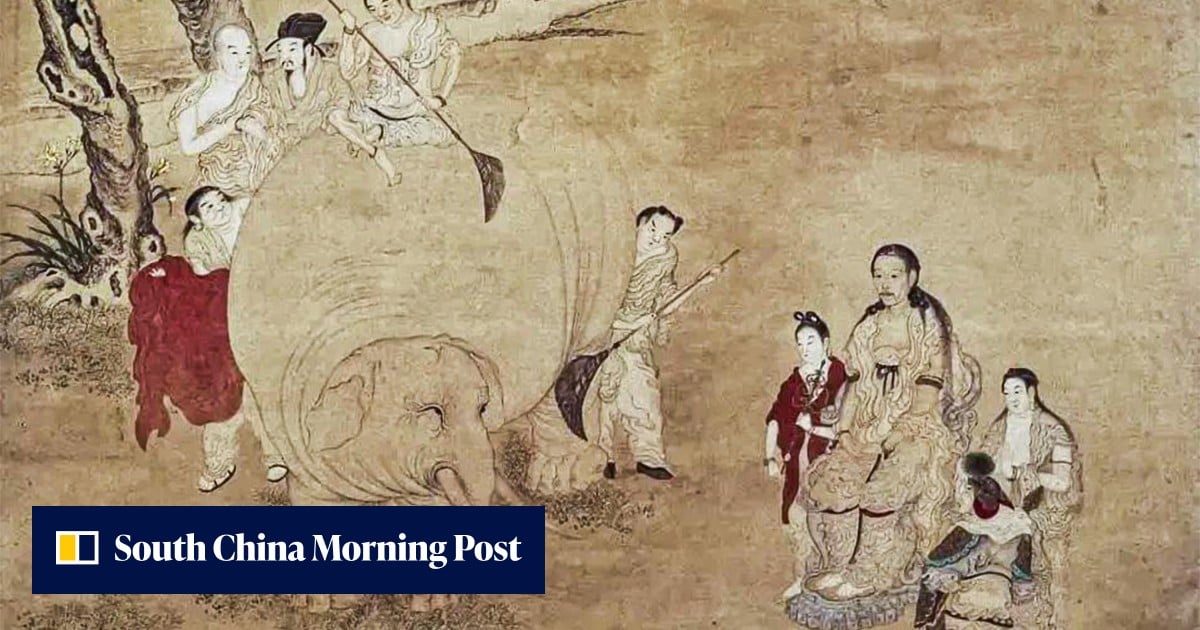
In ancient China, royal families would wash elephants as part of a ritual to pray for good fortune. This practice was linked to the Chinese word for elephant, xiang, which sounds like the word for auspiciousness or good fortune. The tradition began during the Han dynasty (202 BC–220 AD) when elephants were presented as tribute to the royal court and continued until the late Qing dynasty. However, the ritual abruptly ended after a parade elephant went rogue, crushing a general’s carriage and killing a eunuch. Elephants had been documented in China since around 4000 BC, but over time they migrated southward as their habitat changed.