The Aporia
Zhen, L. (2026, October 9). Chinese researchers make Arctic-to-Antarctic call using rival to Musk’s Starlink. South China Morning Post. https://www.scmp.com/news/china/military/article/3370374/chinese-researchers-make-arctic-antarctic-call-using-rival-musks-starlink?utm_source=rss_feed
Zhen, Liu. “Chinese researchers make Arctic-to-Antarctic call using rival to Musk’s Starlink.” South China Morning Post, 9 Oct. 2026, https://www.scmp.com/news/china/military/article/3370374/chinese-researchers-make-arctic-antarctic-call-using-rival-musks-starlink?utm_source=rss_feed.
Zhen, Liu. “Chinese researchers make Arctic-to-Antarctic call using rival to Musk’s Starlink.” South China Morning Post, October 9, 2026. https://www.scmp.com/news/china/military/article/3370374/chinese-researchers-make-arctic-antarctic-call-using-rival-musks-starlink?utm_source=rss_feed.
Dated when The Aporia collected the article, usually within hours of publication. Check the original for its exact date and byline.
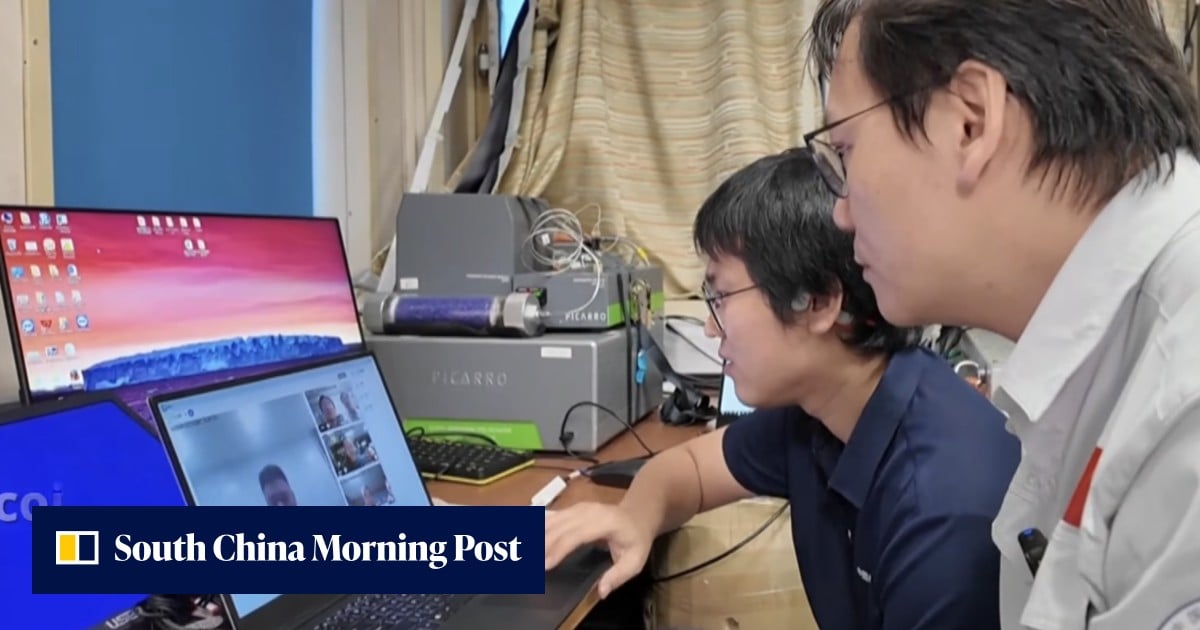
Chinese researchers successfully made a satellite video call between the Arctic and Antarctica using the Guowang constellation, which is seen as a rival to Elon Musk's Starlink network. This test marks the first public demonstration of Guowang’s capabilities and underscores China’s growing presence in low-Earth orbit communications. With only around 180 satellites currently in orbit compared to Starlink’s 11,000, the deployment of Guowang is still at an early stage. Beijing has been ramping up its satellite constellation development following the strategic use of Starlink by Ukraine during the Russian invasion. China also restricts foreign satellite services due to data security concerns.