The Aporia

Freeman, F. (2026, October 9). US imposes sanctions on International Criminal Court. BBC News. https://www.bbc.co.uk/news/articles/cj20vkkx3rdvo?at_medium=RSS&at_campaign=rss
Freeman, Florence. “US imposes sanctions on International Criminal Court.” BBC News, 9 Oct. 2026, https://www.bbc.co.uk/news/articles/cj20vkkx3rdvo?at_medium=RSS&at_campaign=rss.
Freeman, Florence. “US imposes sanctions on International Criminal Court.” BBC News, October 9, 2026. https://www.bbc.co.uk/news/articles/cj20vkkx3rdvo?at_medium=RSS&at_campaign=rss.
Dated when The Aporia collected the article, usually within hours of publication. Check the original for its exact date and byline.
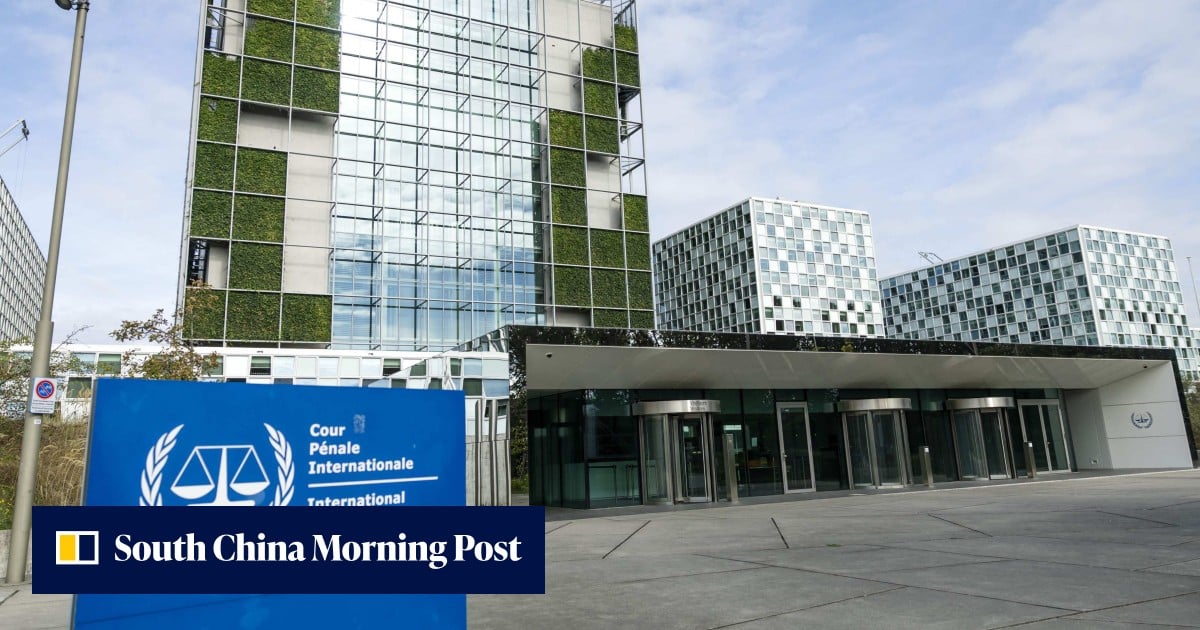
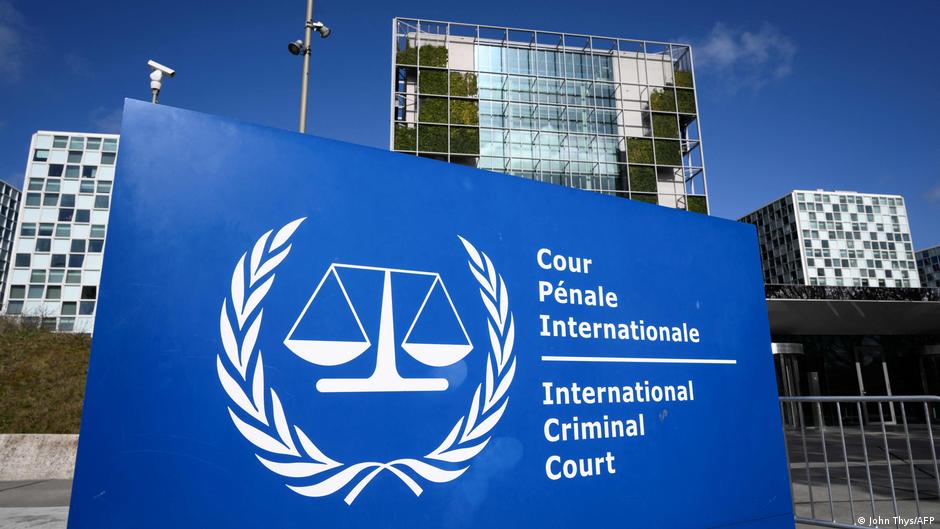
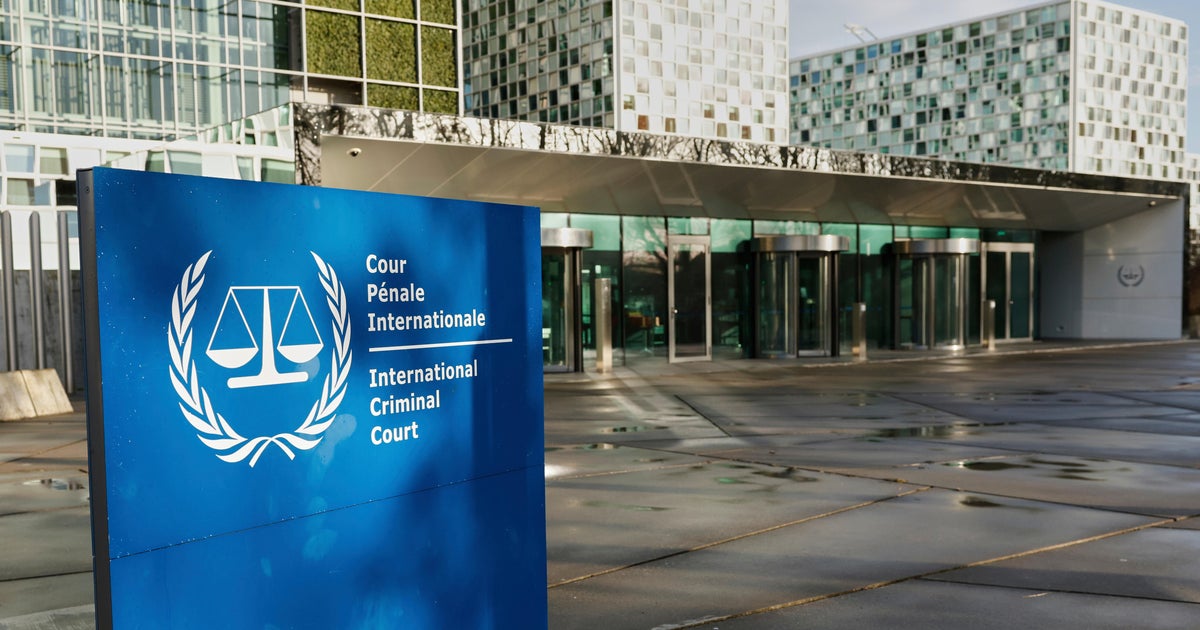
On October 9, 2026, the U.S. State Department imposed new sanctions on the International Criminal Court (ICC) in response to its attempts to charge American service members for war crimes. Secretary of State Marco Rubio announced these sanctions via a video address, declaring that the United States would ban transactions with what he called a "rogue court," aiming to cut off its funding and hinder its operations. The sanctions block any assets the ICC might have in U.S. jurisdictions and set a six-month timeline for U.S. companies to wind down business with the court.
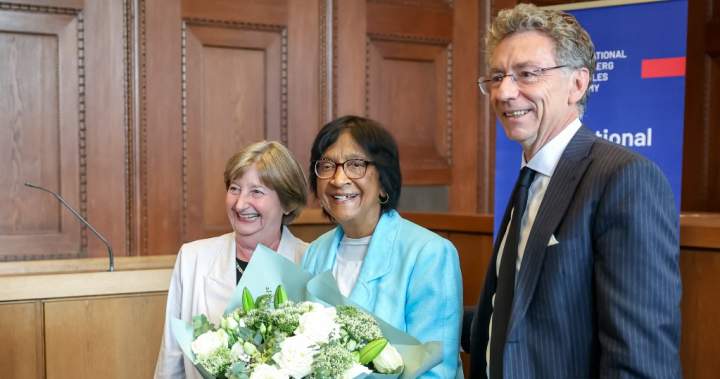
The move came just hours after former South African prosecutor Navi Pillay, who had led investigations into potential ICC charges against U.S. troops in Iraq and Afghanistan, was awarded the Nobel Peace Prize. The sanctions were met with condemnation from ICC Deputy Prosecutor Nazhat Shameem Khan, who stated that they would not halt the tribunal's work.
The Trump administration has long been hostile toward the court, having previously sanctioned its prosecutors and judges but now going further by potentially punishing companies providing services to the ICC itself. Pillay, in an interview on October 14, called these sanctions "illegal" and urged U.S. President Donald Trump to consult legal advisors about international law.