The Aporia
Daniele, U. (2026, October 10). How DNA ‘fingerprinting’ is keeping Malaysia’s green turtles safe from poachers. South China Morning Post. https://www.scmp.com/week-asia/health-environment/article/3370371/how-dna-fingerprinting-keeping-malaysias-green-turtles-safe-poachers?utm_source=rss_feed
Daniele, Ushar. “How DNA ‘fingerprinting’ is keeping Malaysia’s green turtles safe from poachers.” South China Morning Post, 10 Oct. 2026, https://www.scmp.com/week-asia/health-environment/article/3370371/how-dna-fingerprinting-keeping-malaysias-green-turtles-safe-poachers?utm_source=rss_feed.
Daniele, Ushar. “How DNA ‘fingerprinting’ is keeping Malaysia’s green turtles safe from poachers.” South China Morning Post, October 10, 2026. https://www.scmp.com/week-asia/health-environment/article/3370371/how-dna-fingerprinting-keeping-malaysias-green-turtles-safe-poachers?utm_source=rss_feed.
Dated when The Aporia collected the article, usually within hours of publication. Check the original for its exact date and byline.
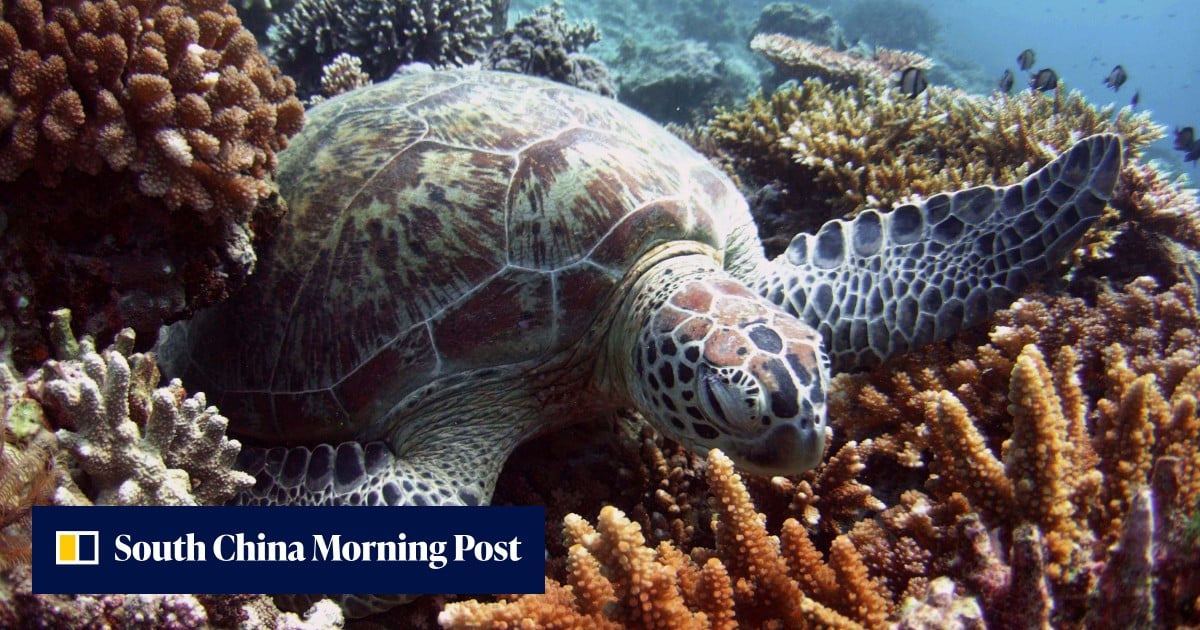
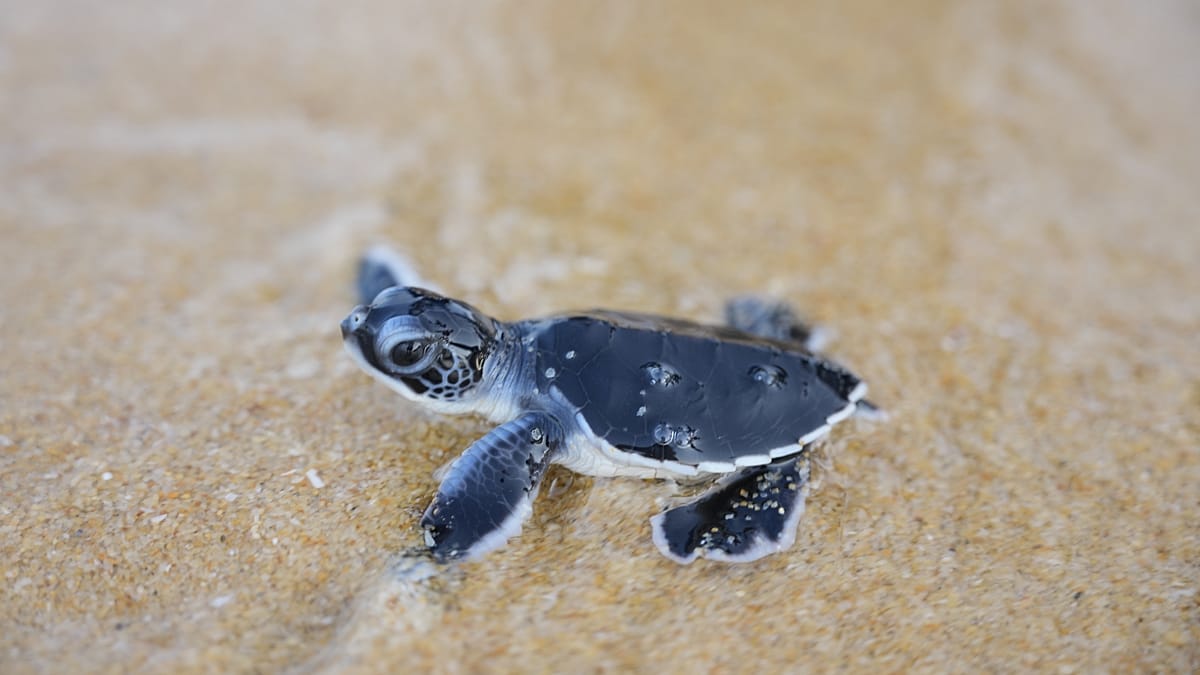
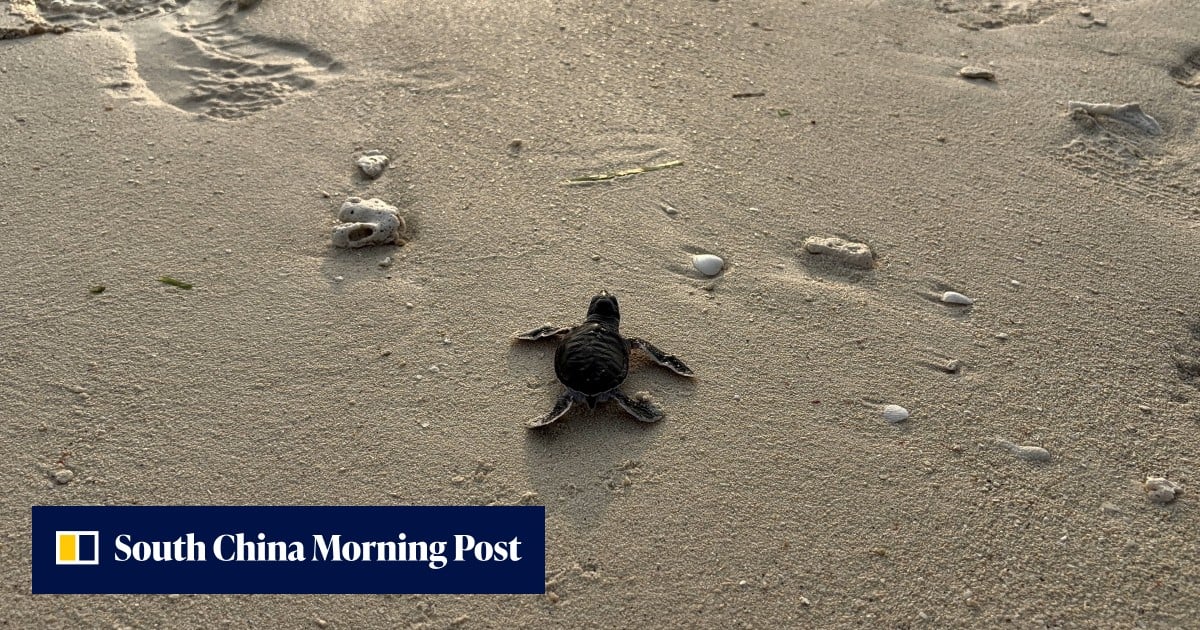
Malaysia's green turtle population has seen a significant recovery thanks to decades of conservation efforts. However, budget constraints, high fuel costs, and poaching pose new threats to this progress. On Mataking Island off Sabah’s east coast, tiny hatchlings emerge at dawn and make their way to the ocean for a journey that can span thousands of kilometres. Each year, tens of thousands of green turtles are born on Sabah's beaches, continuing a recovery trend. Despite these positive numbers, conservationists worry about the impact of poaching and financial pressures. Mataking Island, now a luxury diving retreat, features a sandbar called "Moses Crossing" that connects smaller islets where visitors can observe various sizes of green turtles grazing on seagrass among reefs.