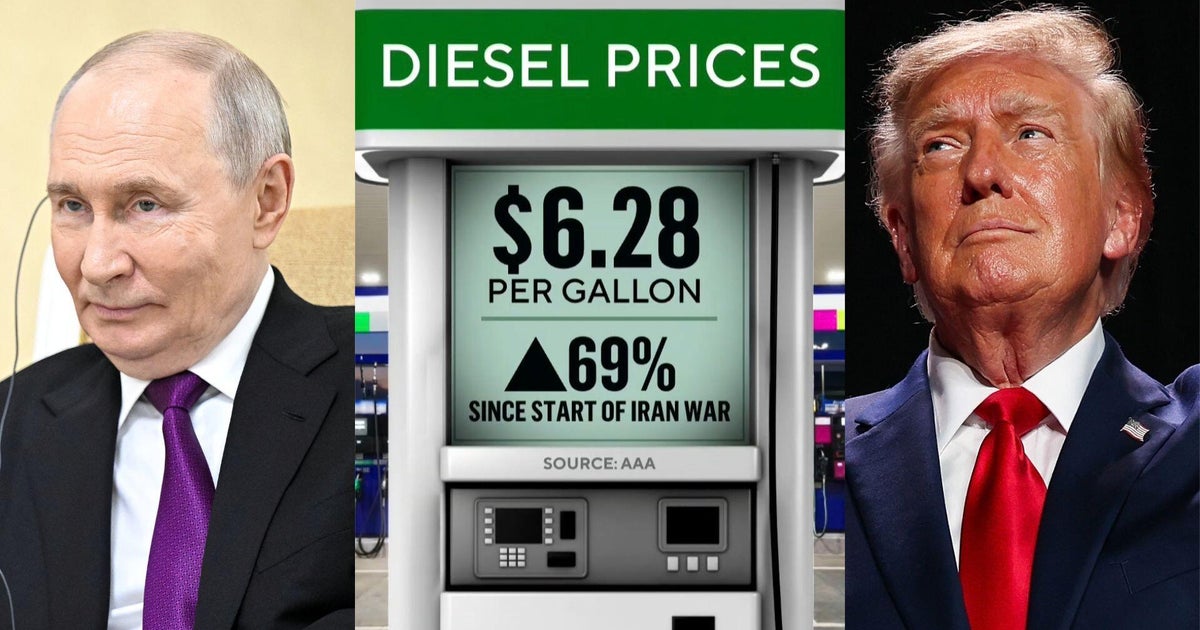
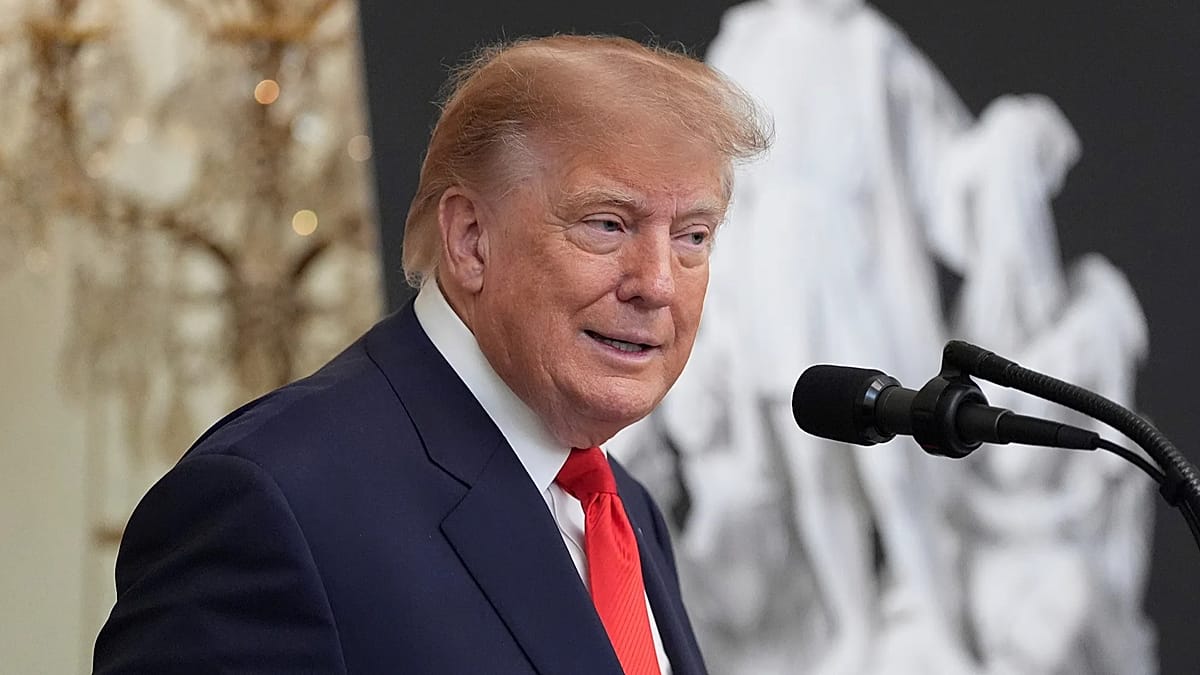
United States President Donald Trump says he has agreed a deal to release stocks of diesel fuel from Russia to try to ease high fuel costs in the US before November’s midterm elections.
asserted
he → say → elections
However analysts told Al Jazeera that the deal will likely have little effect on easing the global energy crisis while European countries could refuse to buy from Russia altogether.
uncertain
countries → tell → Russia
Recommended Stories
list of 3 items- list 1 of 3US stocks slide as oil prices fluctuate over renewed Iran war fears
- list 2 of 3Putin tells Trump peace talks are unlikely, cites Ukraine drone attacks
- list 3 of 3Russia kills 15 in Ukraine as US hosts ‘productive’ talks to end war
The agreement comes despite years of sanctions on Russia over its war on Ukraine, the latest of which were announced last month by the US and specifically targeted buyers of Russian oil.
asserted
latest → slide → oil
Here’s what we know:
asserted
we → ’ → what
What has Trump agreed with Putin?
asserted
Trump → agree → Putin
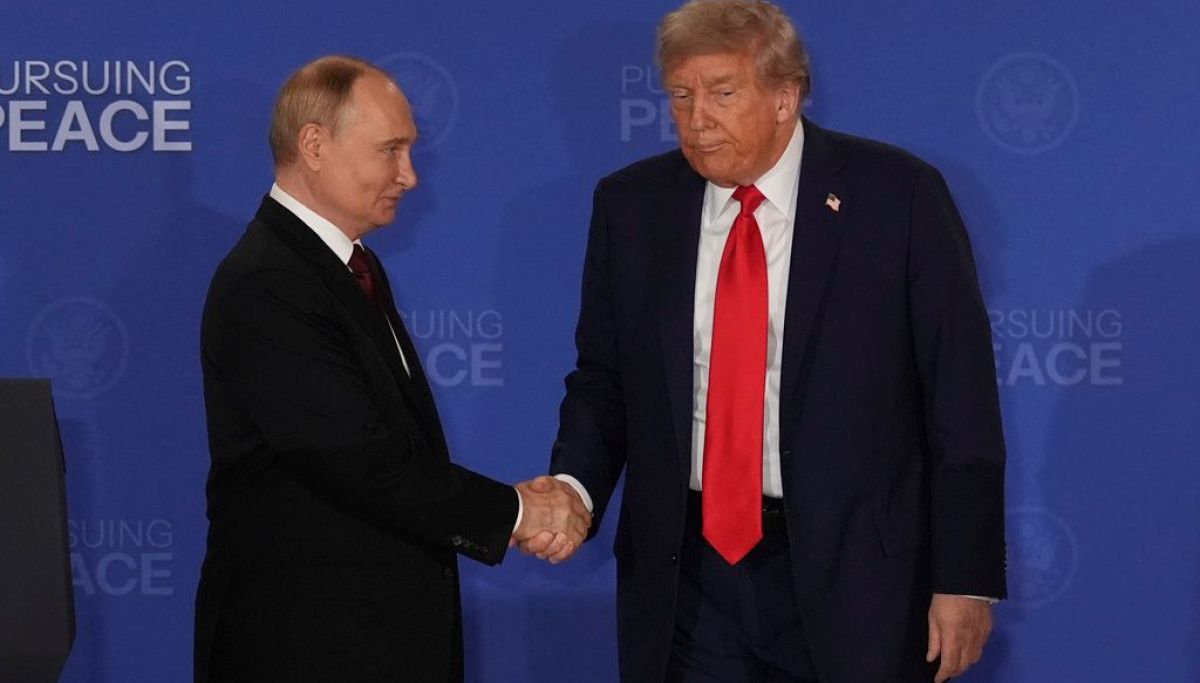
On Friday night, Trump announced on social media that after a “highly successful discussion” with Russian President Vladimir Putin, it had been agreed that Russia would “immediately” supply more than 300,000 tonnes of diesel fuel to the US and global marketplace.
asserted
Russia → announce → US
Another 500,000 tonnes would be released in November, and a further 1 million tonnes sometime after that, Trump said.
asserted
Trump → release → that
He added that, based on the current condition of its diesel refineries, Russia would then deliver another 3 million tonnes of diesel.
asserted
Russia → add → diesel
Trump claimed that this move, along with what he described as “total control” by the US of the Strait of Hormuz, would bring down diesel prices in the US and the rest of the world.
asserted
he → claim → world
“Lower prices for Americans, especially our Great Farmers, Ranchers, and Truckers, is my Greatest Priority,” he wrote in a post on his Truth Social platform.
asserted
he → write → platform
Trump later thanked Putin for the deal, telling reporters outside the White House on Friday: “To be honest, we have massive amounts of oil coming into our country, and it’s diesel which is what we want.”
asserted
we → thank → what
Putin said in a statement on Friday that Russia “confirmed its willingness to supply oil and petroleum products to the US market and global markets at large”.
asserted
Russia → say → market
Global fuel prices have surged as a result of both the US-Israel war on Iran and Russia’s war on Ukraine.
asserted
prices → surge → Ukraine
Tehran has largely closed off the Strait of Hormuz, through which 20 percent of the world’s oil and gas supplies had been shipped in peacetime, since the US and Israel first launched strikes on Iran in February.
asserted
US → close → February
The recent attack on Saudi Arabia’s East-West Pipeline, another key oil export route from the Gulf, as well as attacks by Yemen’s Houthis around the Red Sea and the Bab al-Mandeb strait have compounded supply disruptions.
Meanwhile, oil refineries and energy and port facilities have come under heavy attack in both Russia and Ukraine.
asserted
refineries → compound → Russia
Global fuel inventories have plummeted, and diesel prices reached record highs in both the US and Europe in September.
asserted
prices → plummet → September
Last week, the Group of Seven countries agreed to release 100 million barrels of emergency reserves of diesel and crude oil after a US pressure campaign on the European Union in which the Trump administration threatened a US ban on its diesel exports.
asserted
administration → agree → exports
Hamad Hussain, a climate and commodities economist at Capital Economics, told Al Jazeera last week that the impact of the G7 release “would be short-lived given that this is just a temporary solution to the supply crunch”.
asserted
this → tell → crunch
How has the diesel crisis affected the US?
asserted
crisis → affect → US
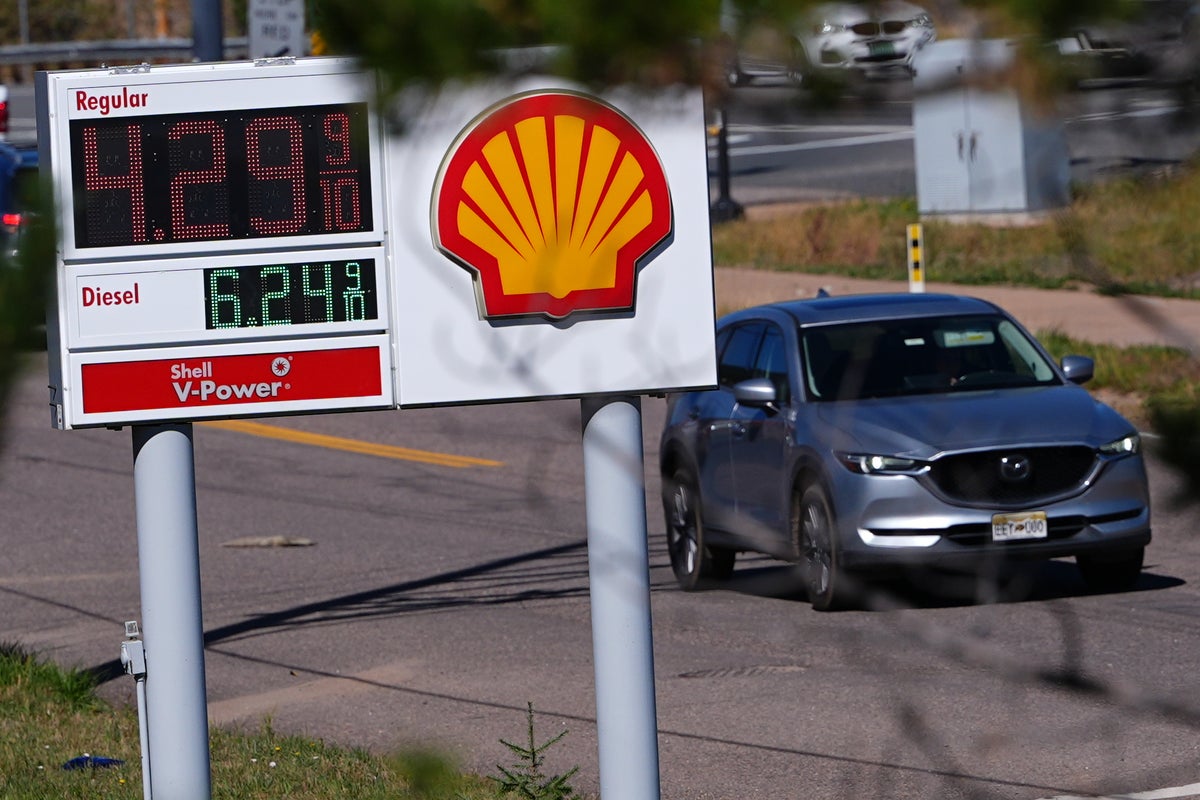
Surging diesel prices in the US saw the national average rise to a record $6.52 a gallon (3.79 litres) in September, more than twice the price from a year earlier.
asserted
average → surge → September
The national average is currently $6.20, according to the American Automobile Association (AAA).
uncertain
average → accord → Association
Its inventories have fallen sharply since the Iran war began and remain below normal levels despite refiners increasing their output.
asserted
refiners → fall → output
In September, US lawmakers and Trump floated restricting diesel exports in a bid to lower consumer costs.
asserted
lawmakers → float → costs
Trump also called on Ukrainian President Volodymyr Zelenskyy to halt attacks on diesel fuel targets, accusing him of causing a shortage after Ukraine ramped up its strikes on Russia’s oil industry this year, aiming to disrupt its energy industry, which it uses to fund its war effort.
asserted
it → call → effort
Trump did not single Russia out for similar treatment over its attacks on Ukraine’s energy infrastructure.
asserted
Trump → single → infrastructure
Trump is particularly concerned about bringing down the price of diesel before the US midterm elections.
asserted
Trump → bring → elections
The Iran war is already deeply unpopular and many small-business owners in his MAGA (Make America Great Again) support base rely on diesel being affordable.
asserted
diesel → make → base
Consumers are feeling the effects of rising prices as diesel is used by truckers to transport food and products and by farmers operating machinery.
asserted
diesel → feel → machinery
The latest Pew Research Center polling indicated that the economy is the most important issue for 84 percent of registered voters.
asserted
economy → indicate → voters
States that voted for Trump and typically support candidates from his Republican Party, like Iowa and Kansas, are now seen as battlegrounds in the November 3 elections, putting Trump under pressure to avoid a Republican defeat.
What does this mean for US sanctions on Russian oil?
The US banned imports of Russian oil and gas in 2022 under the Biden administration in response to the invasion of Ukraine in February that year.
A sweeping Russian sanctions law passed in Congress last month and signed by Trump also targets countries that buy Russian oil and gas.
asserted
that → vote → oil
Sanctioning Russia and Iran Act of 2026 expanded existing sanctions and aimed to pressure Putin by targeting officials, banks and shadow tankers that facilitate the Russian energy trade.
asserted
that → sanction → trade
It also gave Trump the power to impose 100 percent tariffs on the top five importers of Russian oil and natural gas.
asserted
It → give → oil
After Trump’s announcement on Friday, the US Department of the Treasury said the Office of Foreign Assets Control was “immediately issuing a temporary general license to allow the supply of Russian diesel to the global market”.
asserted
Office → say → market
Isn’t Russia having a fuel crisis of its own?
asserted
Russia → have → own
Yes, it is, giving analysts reason to doubt that Russia will be able to release as much diesel as Trump is promising.
asserted
Trump → give → diesel
Neil Atkinson, former head of the International Energy Agency’s oil industry and markets division, told Al Jazeera that he is sceptical about Russia being able to do this.
asserted
Russia → tell → this
“In the very short term, it’s very hard to see how Russia can deliver the volumes that are talked about in the deal other than at the expense of its domestic market,” he said.
asserted
he → ’ → market
But Russian diesel and gas exports in the third quarter of this year were at 190,000 barrels per day compared with 690,000 barrels per day in the second quarter and 850,000 barrels per day in the first quarter, explained Michelle Wiese Bockmann, a maritime intelligence analyst with the shipping analytics company Windward, citing data from the commodities tracker Vortexa.
asserted
Bockmann → compare → tracker
Russia, therefore, banned diesel exports in July in a bid to meet domestic demand and in late September expanded the ban until the end of October.
asserted
Russia → ban → October
Ukraine’s attacks on Russian energy facilities have also contributed to the fuel crisis in Russia.
asserted
attacks → contribute → Russia
…and 26 more, not listed.
 The Aporia