Photo via TIME

Iran Threatens to Target U.S. Energy Assets in Gulf If U.S. Strikes Again

Read the original at TIME ↗
Cite

Jeyaretnam, M. (2026, September 8). Iran Threatens to Target U.S. Energy Assets in Gulf If U.S. Strikes Again. TIME. https://time.com/article/2026/09/08/iran-us-war-strait-of-hormuz-gulf-targets/

Dated when The Aporia collected the article, usually within hours of publication. Check the original for its exact date and byline.

TIME · collected 2026-09-08 · by Miranda Jeyaretnam

Quick Summary

Iran's Parliament Speaker Mohammad Bagher Ghalibaf warned that if the US launches new attacks on its assets, Iran could target US oil and gas interests in the Gulf. Ghalibaf claimed that American companies' exposure to potential strikes is significant due to their sprawling facilities in the region. The warning comes as Iran seeks greater leverage amid ongoing economic pressure from the US. Iran has announced plans for a new "exclusion zone" in the Persian Gulf, where vessels entering the area would be subject to Iranian sanctions.
Written by AI on 2026-09-08, from this article's own text only (the story summary below draws on all the coverage).

AI analysis

Story summary

Mohammad Ghaemi, an analyst, stated that Iran views its military actions primarily as a means for coercive negotiation rather than as a standalone objective. Iran's foreign minister is set to meet with Gulf state ministers in Oman next week to discuss ensuring the safety of commercial shipping through the Strait of Hormuz, though any agreement would likely require U.S. approval due to the ongoing naval blockade against Iran.

U.S. President Donald Trump declared that the war with Iran will end immediately after the midterms on November 3, asserting his defense of military actions aimed at preventing Tehran from developing a nuclear weapon. Despite these assurances, rising oil prices—Brent crude reached over $100 per barrel—are expected to negatively impact Republicans' electoral chances in upcoming midterms.

Vice President J.D. Vance confirmed that the U.S. is investigating reports of civilian casualties during a recent strike on a wedding celebration in Iran's Kuhestak region, where at least five people were killed and dozens injured. Iranian state media reported the incident, while Reuters independently verified footage showing a residential building attack during a wedding.

The United States and Iran have exchanged missile and drone attacks this week after an earlier lull in hostilities since July. Reports indicate that six Iranian military personnel, including three pilots, died in U.S.-led airstrikes; however, the U.S. has expressed skepticism about these casualty claims from Iranian state media. The investigation into the wedding strike is ongoing.

Oil prices surged following escalating conflicts between the United States and Iran. Brent crude reached its highest since May 22 at $101.21 per barrel on September 9, while West Texas Intermediate settled at $96.05. Despite these price increases, major oil companies like Chevron Corporation, TotalEnergies SE, Exxon Mobil Corporation, Eni S.p.A., and BP p.l.c. have been trading assets rather than adding new drilling operations in response to geopolitical tensions.

Written for “Iran Attacks After US Hits Tankers” on 2026-10-30, grounded in this article and the 107 other(s) covering the same event.

Story

📰 Iran Attacks After US Hits Tankers
Politics · 108 article(s) covering the same event. See how they differ ↓

Compared with similar articles

This article reads unscored and hedges 13% of its claims. Each row says how that neighbour differs.
ABC News (US)
Hedges 1 of 3 claims Outlet record 70/100
NBC News
Hedges 5 of 16 claims Outlet record 60/100
Semafor
⚖️ Leans right Hedges 0 of 3 claims Outlet record 60/100
“Article A discusses the US's economic pressure campaign on Iran and its impact on oil prices, while Article B reports on a threat from Iran to target US energy assets in response to potential US attacks.”
Euronews
⚖️ Leans left Hedges 2 of 8 claims Outlet record 60/100
“Article A discusses Iran's threat against U.S. energy assets, while Article B reports on a specific attack on an Iranian commercial ship in the Strait of Hormuz resulting in casualties.”
CBS News
Hedges 15 of 162 claims Outlet record 66/100
“The second article reports a threat from Iran, but does not mention any new attacks or incidents having occurred since the first article's report on September 3.”
NPR
⚖️ Leans strongly right Hedges 2 of 20 claims Outlet record 60/100
“Article A describes a recent attack on U.S. ships by Iran, while Article B discusses a potential future threat from Iran and does not mention any new attack or incident”
The Globe and Mail
Hedges 0 of 2 claims Outlet record 52/100
“The two articles cover different incidents, with Article A reporting a US military strike on Iranian oil tankers and Article B discussing Iran's potential retaliation threat against US energy assets”
The Hindu
⚖️ Leans right Hedges 1 of 18 claims Outlet record 60/100
“Article A describes the U.S. destroying three Iranian oil tankers on September 5, while Article B is a statement from Iran's Parliament Speaker warning of potential retaliation if the U.S. strikes again, without mentioning any specific incident”
The Straits Times
⚖️ Leans strongly right Hedges 2 of 26 claims Outlet record 66/100
“Article B is a reaction to potential future attacks, while Article A describes an actual attack that has already occurred on September 5”
The Hindu
⚖️ Leans left Hedges 0 of 7 claims Outlet record 60/100
How this article was measured signals, leaning charts, publisher record, byline, topics and claims

Signals How these are calculated →

Claims extracted
39
sentences that state something as happening or true
Uncertain
13%
5 of 39 hedged ("reportedly", "may", "according to")
Leaning
withheld
no quote in the article backed the model's score
Publisher signals
59/100
TIME's corrections and hedging, across everything collected from it. Not a measure of accuracy.
Outlets on this story
108
Politics
Same framing elsewhere
1
articles that frame the event the way this one does
Analyzed 2026-09-08 · how these are computed

How this is being covered How these are calculated →

Article leaning vs. publisher reliability
Source leaning vs. consistency

Publisher

TIME · 770 article(s) · 2 correction(s) detected
Running correction rate · 2 correction(s)

Who wrote this

Miranda Jeyaretnam
22 article(s) here · 1 carrying a prediction
🔮 A spokesperson for China’s Foreign Ministry said on Tuesday, before Mbappé’s apology, that “words and deeds that hurt the feelings of the Chinese people will naturally be met with opposition from all sectors of Chinese society.”
🔮 Bolsonaro is being investigated for alleged links to a Brazilian lawyer, Willer Tomaz, who is accused of laundering more than $1 billion through a fraud scheme, the New York Times reported.
🔮 According to court documents filed earlier this month and unsealed on Monday, federal prosecutors are accusing Comey of “willfully” mishandling information related to national defense in October 2016, resulting in the information appearing in media reports. “Having reason to believe such information could be used to injure the United States and to the advantage of any foreign nation,” the court document said Comey “knowingly and willfully communicated, delivered, transmitted, and caused that information to be communicated, delivered, and transmitted to a person not entitled to receive it.” The inquiry is the latest attempt to prosecute Comey, who is a prominent critic of President Donald Trump.
🔮 “Without immediate Federal action, United States defense capabilities will remain vulnerable to disruption.”
🔮 Sally Rooney’s publisher said the Irish author will no longer sell her books in the U.K. after the country banned a pro-Palestinian group she promised to financially support.
🔮 At a rally in Clarksville, Tenn., on Saturday evening, Trump suggested the Atlantic or Pacific Ocean could be renamed in the country’s—or his—honor.
🔮 The university’s President Michael Kotlikoff said on Saturday in a video message to the university community that the school would take “a serious look at the role of fraternities and sororities in campus life” among other steps aimed at creating a safer campus environment.
🔮 Her attorney has separately criticized authorities’ handling of the criminal investigation, although observers say what’s known as the “voluntary intoxication loophole” in state law could limit what prosecutors are able to charge.
🔮 “People are buying alcohol maybe at cheaper places and they come and drink in this place.
2026-09-28 · assertive framing · South Africa Rocked by 3 Mass Shootings: What to Know
🔮 Part of this may be recognition that better understanding is a positive,” says Ja-Ian Chong, associate professor of political science at the National University of Singapore.
2026-09-24 · assertive framing · Surveys Show More Americans Warming to China
Also by Miranda Jeyaretnam
Nothing else under this byline is closely related to this article, so these are simply their most recent.
All 22 articles by Miranda Jeyaretnam →

Topics

Iran Iranian Parliament Tehran U.S.

Subjects

U.S. GPE · 16× Iran GPE · 13× Iranian NORP · 9× Tehran GPE · 3× IRGC ORG · 2× American NORP · 1× Ghalibaf PERSON · 1× Mohammad Bagher Ghalibaf PERSON · 1× Parliament ORG · 1× Pete Hegseth PERSON · 1×

Narrative

Responding to U.S. Defense Secretary Pete Hegseth’s warning that “if Iran shoots at U.S. ships, we will destroy (and sink) their oil tankers,” Iranian Parliament Speaker Mohammad Bagher Ghalibaf said: “It’s simple: the oil and gas production chain here is sprawling, accessible, and exposed.
framing: assertive · carried by 1 article(s) · first seen 2026-09-08
🔮 Iran warned on Monday that it could target U.S. oil and gas interests in the Gulf if the U.S. launches any new attacks on its assets.

Claims (39 extracted, 5 hedged)

Iran warned on Monday that it could target U.S. oil and gas interests in the Gulf if the U.S. launches any new attacks on its assets. uncertain
U.S. → warn → assets
Responding to U.S. Defense Secretary Pete Hegseth’s warning that “if Iran shoots at U.S. ships, we will destroy (and sink) their oil tankers,” Iranian Parliament Speaker Mohammad Bagher Ghalibaf said: “It’s simple: the oil and gas production chain here is sprawling, accessible, and exposed. asserted
chain → respond → tankers
American oil and gas companies across these waters and facilities share that exposure.” asserted
companies → share → exposure
“Strike our assets and you get struck,” he added. asserted
he → strike → assets
“We’ve already proven it.” asserted
We → prove → it
Ghalibaf’s warning comes as Tehran seeks greater leverage amid Washington’s ongoing economic pressure campaign and stalled efforts to negotiate an end to the war that the U.S. and Israel launched on Feb. 28. asserted
U.S. → come → Feb.
Mohsen Rezaei, Iran’s Supreme National Security Council Secretary, told Iranian state TV on Sunday that Tehran has concluded “new strategies must be adopted in the war, in negotiations, and in confronting the blockade.” asserted
strategies → tell → blockade
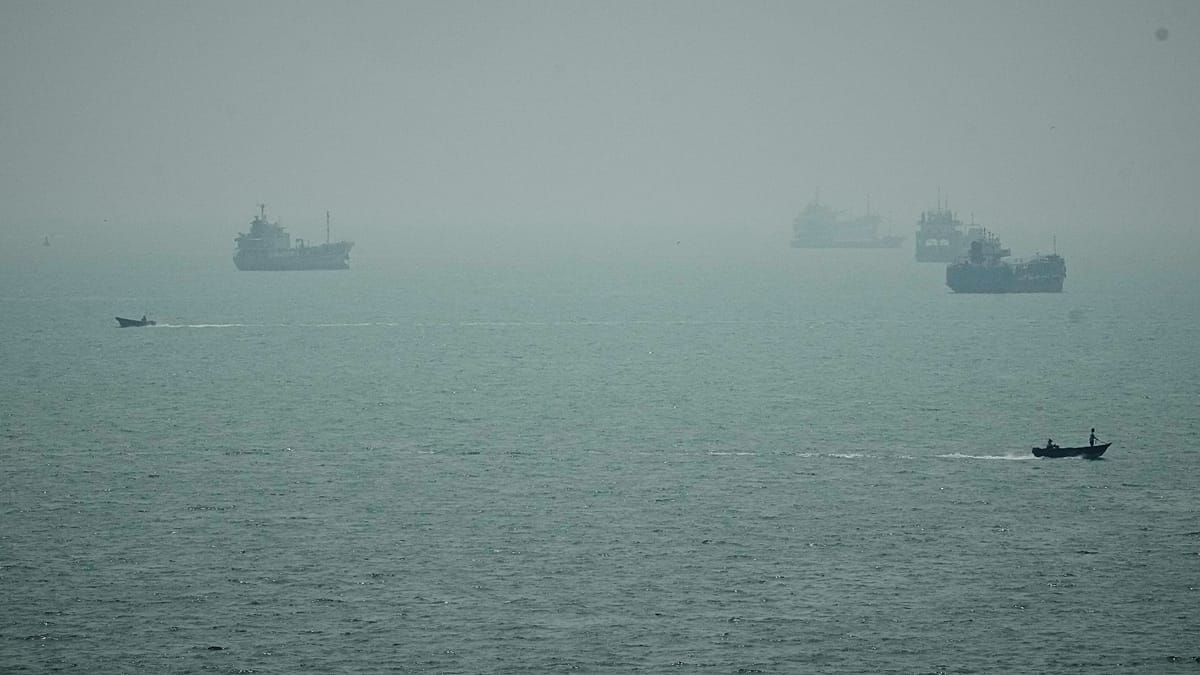
Among the measures planned is a new “exclusion zone” in the Persian Gulf and Gulf of Oman. asserted
zone → plan → Oman
The zone would begin at the blockade line, extend through the Strait of Hormuz, and continue into the Persian Gulf, Rezaei said. asserted
Rezaei → begin → Gulf
Vessels entering the zone to transit the Strait would be placed on an Iranian sanctions list. asserted
Vessels → enter → list
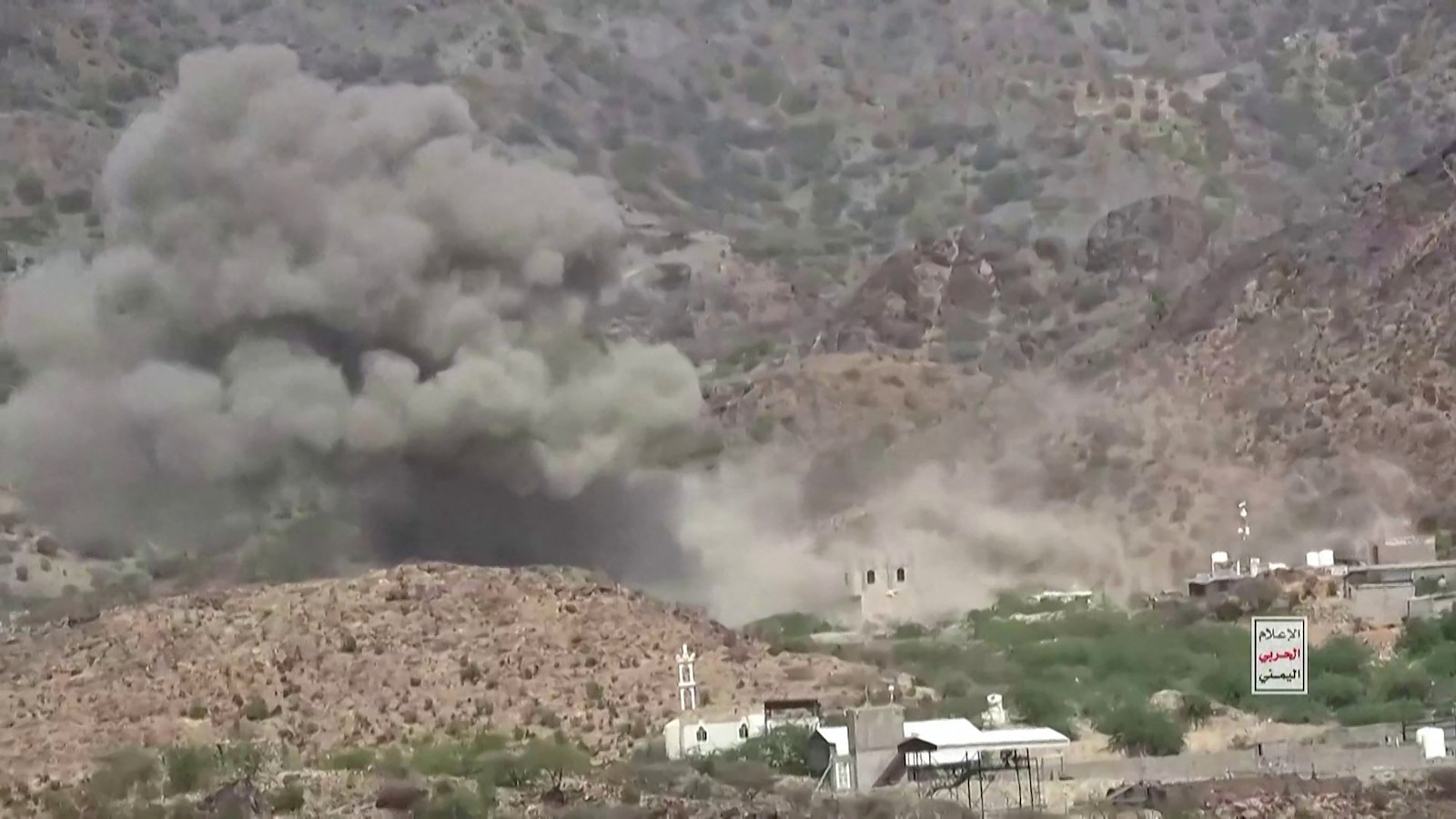
The latest flare-up began Saturday, when Iran’s Islamic Revolutionary Guard Corps (IRGC) attacked U.S. warships in the region. asserted
Corps → begin → region
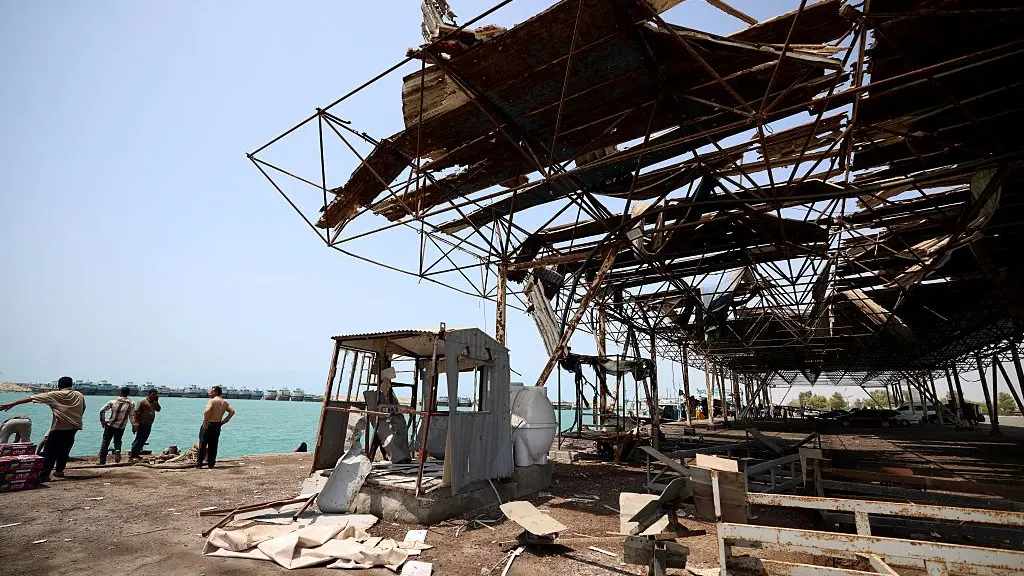
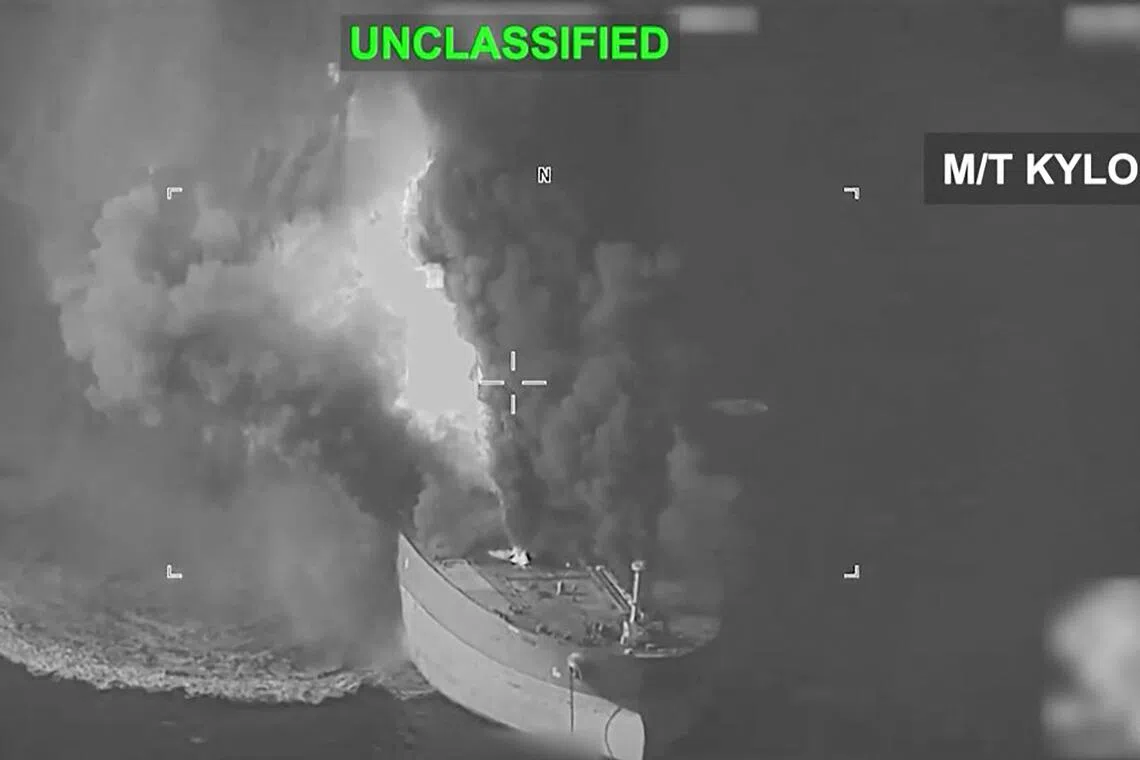
The U.S. responded by striking three Iranian oil tankers, including one near Kharg Island, Iran’s main oil export hub. asserted
U.S. → respond → Island
The U.S. and Iran have for the past week exchanged a flurry of attacks, ending a brief respite in active hostilities. asserted
U.S. → exchange → hostilities
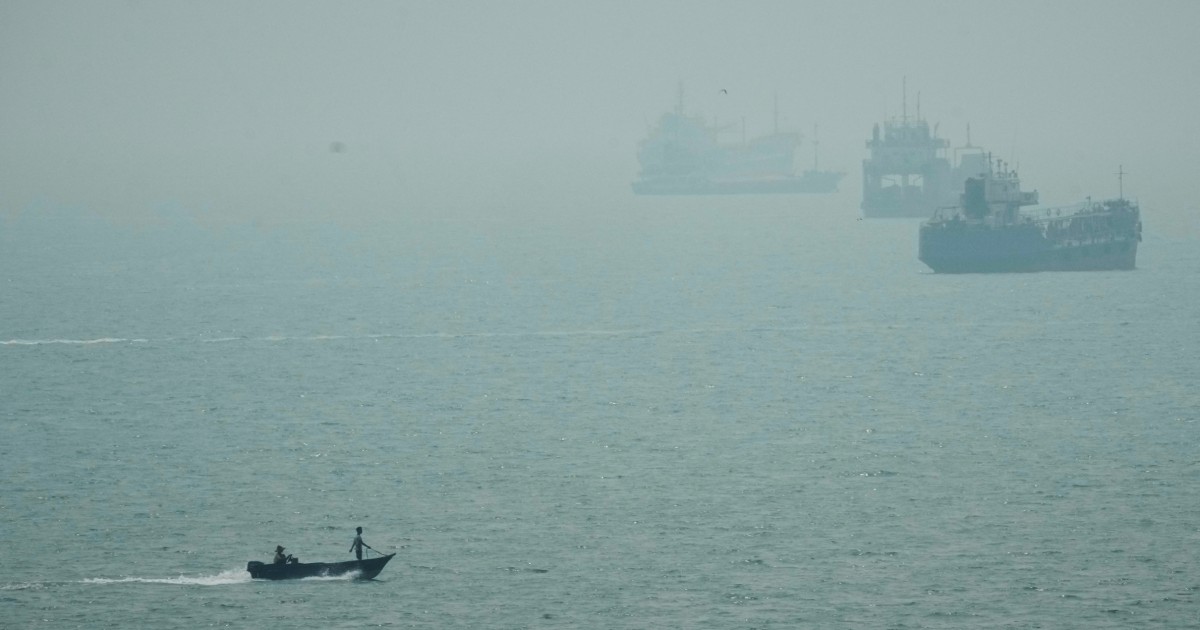
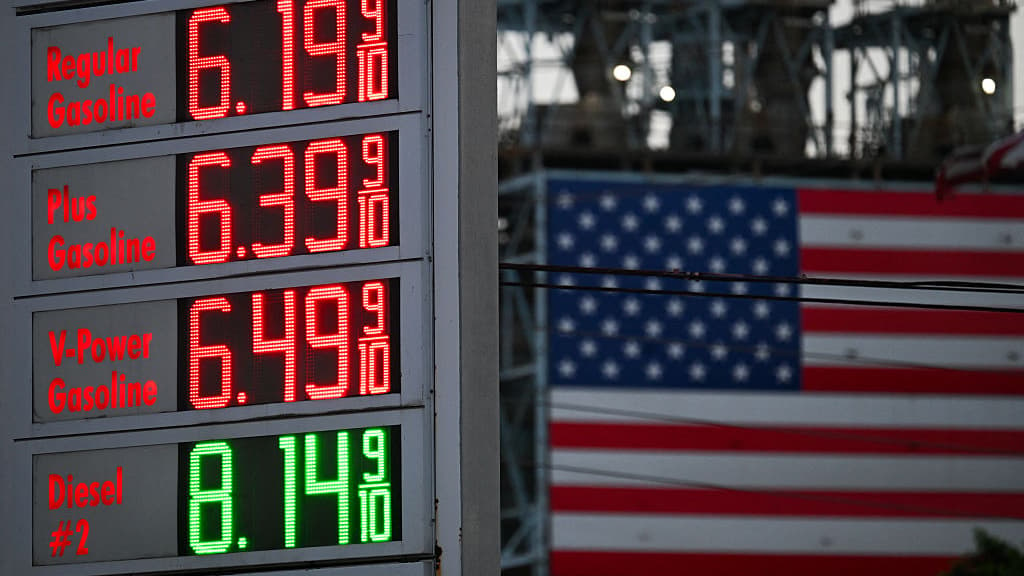
Oil prices reached near six-week highs on Monday as commercial traffic through the Strait of Hormuz, a narrow waterway through which a fifth of global oil and liquefied natural gas shipments flowed before the war, has fallen sharply. asserted
fifth → reach → war
Negotiations remain at a standstill Diplomatic efforts between the U.S. and Iran have stalled. asserted
efforts → remain → U.S.
The two countries signed a Memorandum of Understanding (MOU) on June 17, agreeing to reopen the Strait of Hormuz and engage in technical talks to end the war. asserted
countries → sign → war
But the truce was short-lived. asserted
truce → live → ?
After a commercial vessel was struck in the Strait in late June, the U.S. attacked Iranian missile storage and radar sites, prompting Iran to retaliate against U.S. military installations in the region. asserted
U.S. → strike → region
Intermittent attacks continued in July, and fighting resumed in late August after a brief, informal pause. asserted
fighting → continue → pause
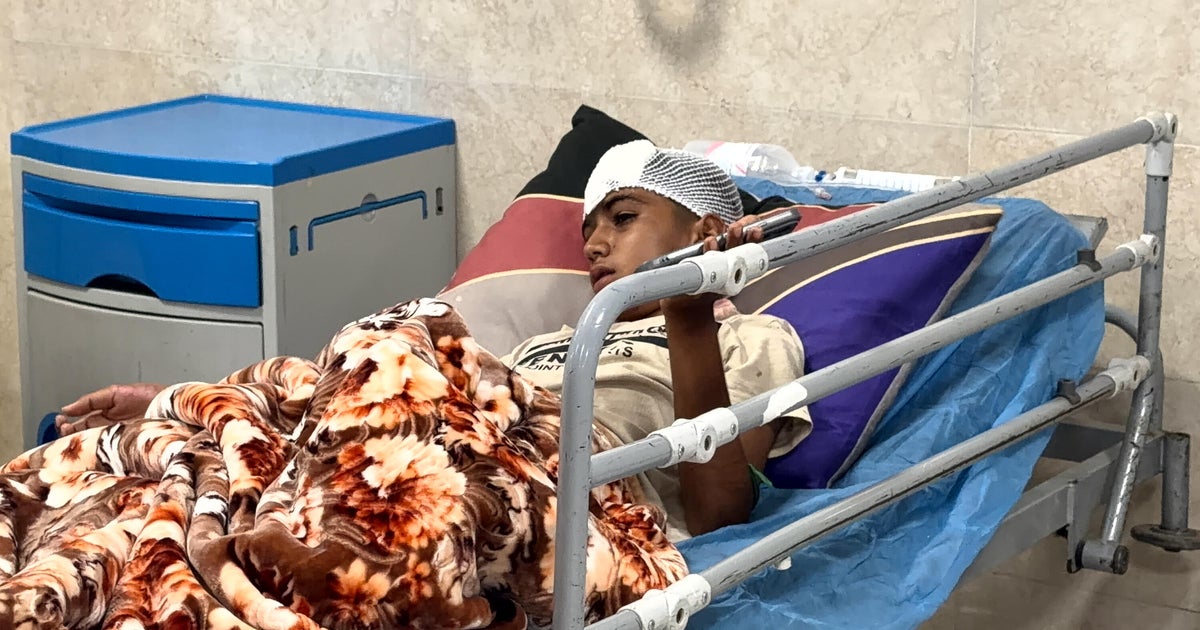
The Trump Administration has said it is investigating a U.S. strike last week on a family compound in southern Iran where a wedding celebration was underway, killing at least five people and wounding more than 60, according to Iranian state media. uncertain
celebration → say → media
No new formal negotiations have been announced since the MOU’s 60-day deadline expired on Aug. 17. asserted
deadline → announce → Aug.
Although some of Iran’s top officials, including President Masoud Pezeshkian, have signaled a willingness to return to the MOU and resume talks with the U.S., the two countries’ positions remain far apart. asserted
positions → include → U.S.
The U.S. wants to significantly restrict or dismantle Iran’s nuclear program and guarantee unrestricted commercial passage through the Strait of Hormuz. asserted
U.S. → want → Hormuz
Iran has called for broad sanctions relief, access to frozen assets, an end to the U.S. naval blockade of Iranian ports, and a role in managing the Strait. asserted
Iran → call → Strait
Hard-liners in Iran have shown little appetite for compromise on those red lines, and analysts previously told TIME that Iranian leaders may believe time is on their side, with Tehran prepared to absorb further economic and military pressure in hopes that rising energy prices will eventually prove too politically costly to U.S. President Donald Trump. uncertain
prices → show → Trump
“The Iranian nation accepts neither threats nor coercion, nor negotiations whose outcome would be the weakening of the country’s rights,” Hossein Taeb, head of the IRGC’s Basij paramilitary force, said on Monday. asserted
Taeb → accept → Monday
“Negotiations are for securing the nation’s rights, not surrendering them.” asserted
Negotiations → secure → them
While Trump faces domestic pressure to rein in gas prices and avoid an open-ended war in the Middle East ahead of the November midterms, he has also appeared determined to secure an outcome he can present as a victory. asserted
he → face → victory
“I’m not trying to force Iran to the bargaining table,” Trump posted on Truth Social last week. asserted
Trump → try → Social
“I like our position now much better, with almost total control of the Hormuz Strait, and their economy totally collapsing. asserted
economy → like → Strait
They are just playing out the inevitable.” asserted
They → play → inevitable
Iran considers new tactics Iran is planning to establish a new restricted zone to amp up global economic pressure and force an end to the U.S. blockade. asserted
Iran → consider → blockade
At the same time, Iran and Oman have agreed on a temporary shipping corridor through the Strait of Hormuz and are in talks on its future administration—an arrangement that could formalize Tehran’s role in managing the waterway against U.S. opposition. uncertain
that → agree → opposition
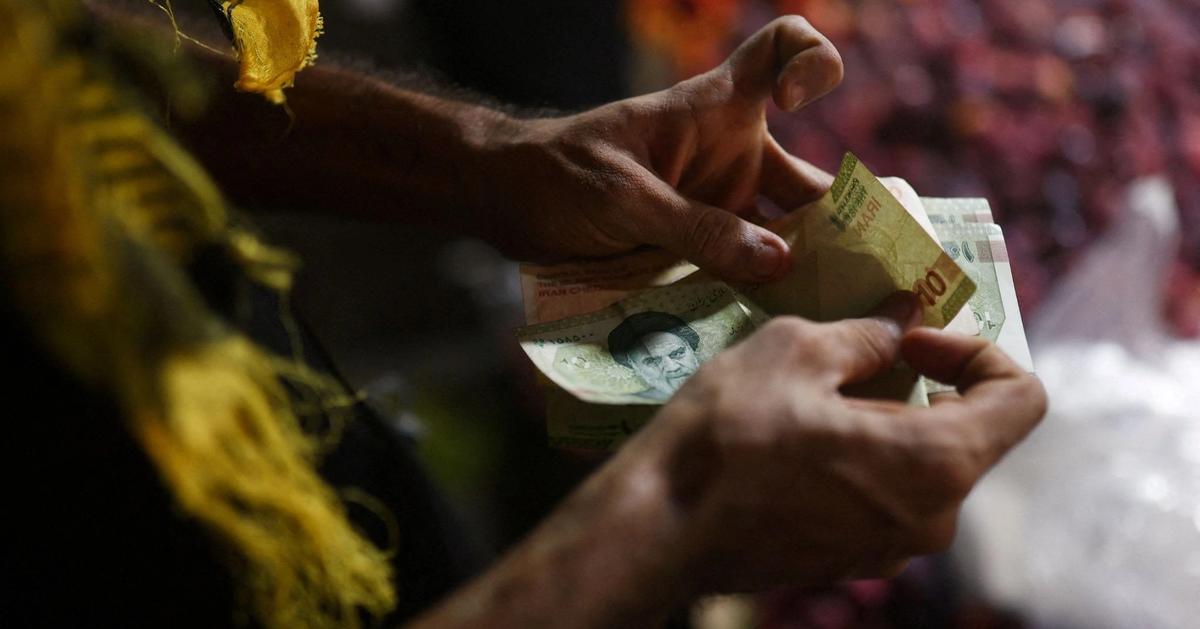
But Ghalibaf acknowledged in parliament on Sunday that Iran is struggling with sharp inflation, a collapsing rial, and high unemployment. asserted
Iran → acknowledge → inflation
Washington’s economic pressure campaign, which includes the naval blockade, sanctions on Iran, and the threat of secondary sanctions on Iran’s trading partners, has squeezed Tehran. asserted
which → include → Tehran
The International Monetary Fund estimates that inflation in Iran is near 70%. asserted
inflation → estimate → %
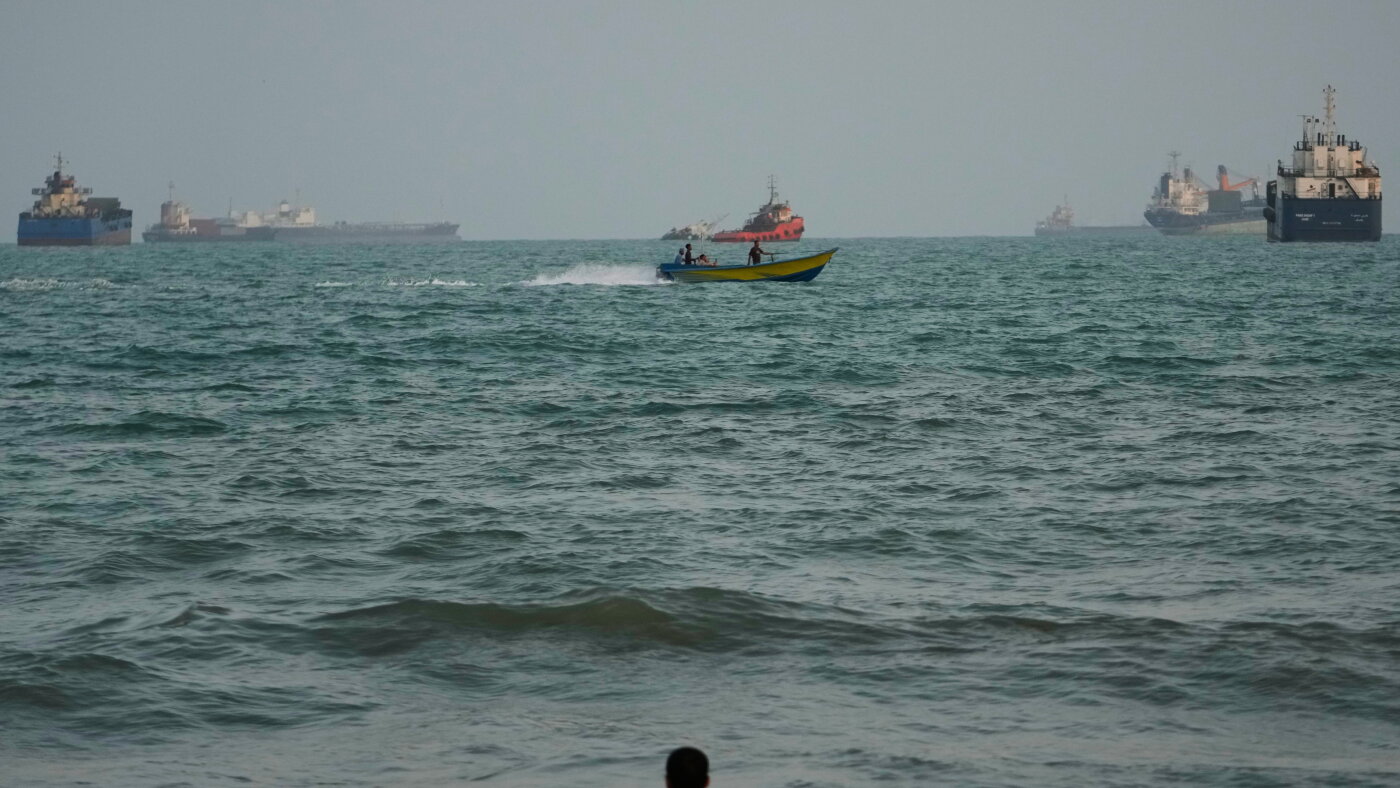
The Strait of Hormuz, which Iran began restricting at the start of the war, has been the country’s most important bargaining chip. asserted
Iran → begin → war
But that leverage may be weakening as Gulf states turn to routes that bypass the Strait and the U.S. escorts shipments through the corridor. uncertain
U.S. → weaken → corridor
The conflict has also inflicted mounting costs on Iran’s own economy by trapping tens of millions of barrels of Iranian crude inside the Gulf. asserted
conflict → inflict → Gulf

💬Give feedback
🕘History 🎫Support