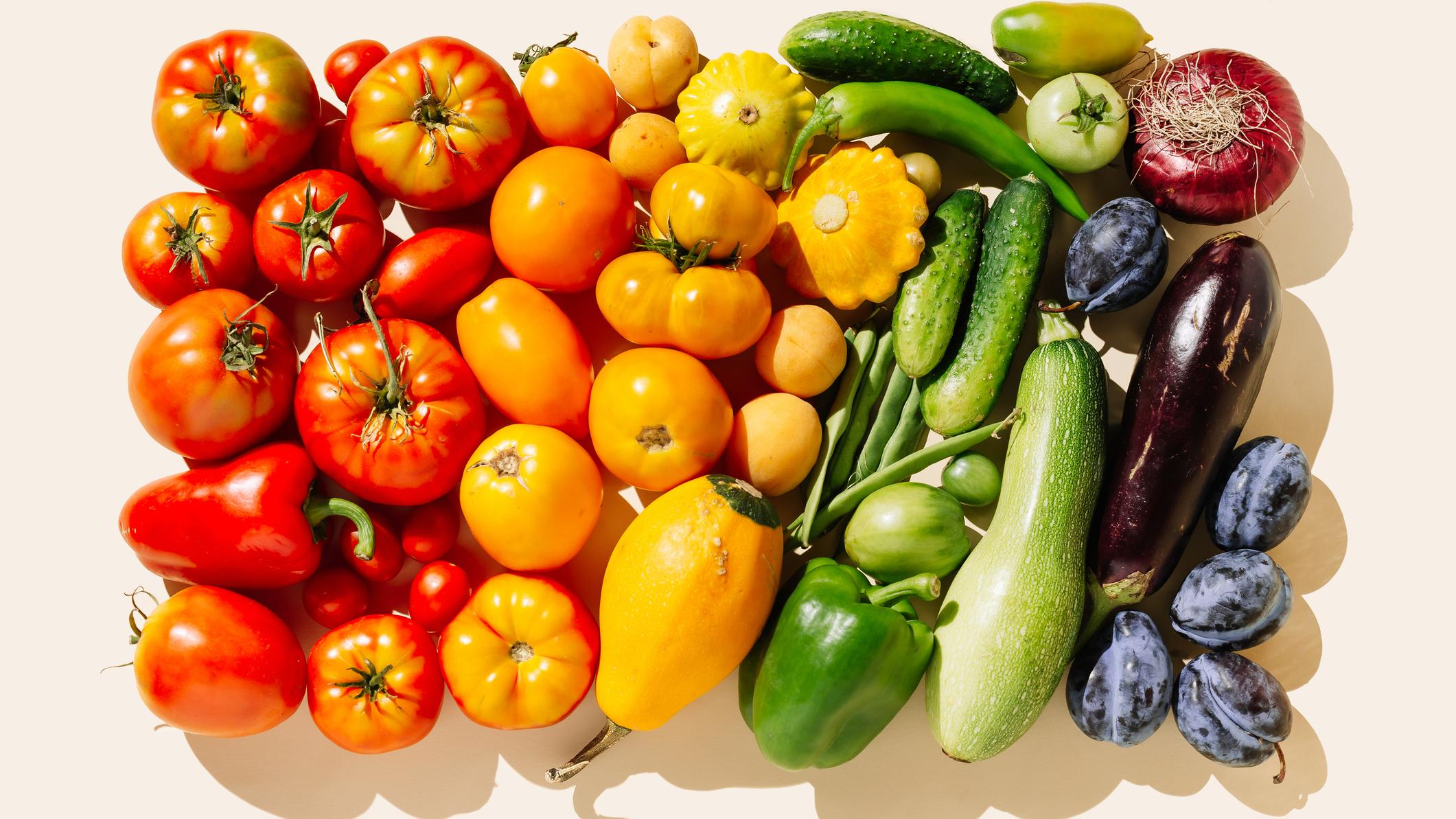
In fact, nutrition is one of the most powerful tools we have to prevent and manage chronic health conditions like heart disease, diabetes, and hypertension.
asserted
we → have → disease
The evidence is strong enough that the American Heart Association identifies eating better as one of Life’s Essential 8, the eight key factors for improving heart health.
asserted
Association → identify → health
So, why is it so hard for Americans to eat well?
asserted
Americans → eat → ?
Part of the problem is knowing what to eat as part of a healthy diet.
asserted
Part → know → diet
Nutrition can feel complicated, especially when health claims can be conflicting or confusing.
uncertain
claims → feel → ?
How much protein does one really need?
asserted
one → need → protein
But the fundamentals of a heart-healthy diet have been remarkably consistent for years: eat plenty of fruits and vegetables, prioritize healthy sources of protein, and choose whole grains while minimizing sodium, processed foods, and added sugar.
asserted
fundamentals → eat → sodium
This was reinforced in the most recent 2026 Dietary Guidance released by the American Heart Association.
asserted
This → reinforce → Association
Knowing what to eat and being able to eat that way are, however, not the same thing.
asserted
Knowing → know → what
Eating a healthy diet is not simply a matter of individual choice; it also depends on whether you can afford healthier foods, which often cost more.
asserted
which → eat → more
Nearly 1 in 7 U.S. households struggled with having enough food to eat at some point in 2024, according to the latest USDA data.
uncertain
households → struggle → data
Even foods that seem healthy can contain unhealthy ingredients.
asserted
that → seem → ingredients
A salad may seem like an obviously healthy choice, yet it can contain a surprising amount of sodium and saturated fat if it has processed meat, cheese, and dressing.
uncertain
it → seem → meat
, it is not surprising that nearly seven in 10 adults exceed the recommended intake of sodium of 2,300 milligrams per day.
asserted
adults → exceed → day
As a preventive cardiologist and one of the authors of the 2025 high blood pressure guideline by the American Heart Association and American College of Cardiology, I know how compelling the data are to support a low-sodium diet to manage high blood pressure.
asserted
data → know → pressure
Yet every day, I see that simply recommending a low-sodium diet to patients is not enough to get them to adopt it.
asserted
them → see → it
What if you could get low-sodium meals delivered to manage your blood pressure just as easily as you can pick up a prescription refill for your blood pressure-lowering medication?
uncertain
you → get → medication
That is the idea behind a growing movement known as Food Is Medicine.
asserted
That → grow → Medicine
In addition to nutritional advice, medically tailored meals can help prevent and treat chronic diseases.
asserted
meals → tailor → diseases
In response to a congressional directive, the Department of Health and Human Services developed a Food is Medicine initiative to coordinate federal efforts and provide a roadmap for the integration of nutrition into health care.
asserted
Department → develop → care
Yet evidence gaps remain: which approaches work, for whom, and at what cost?
asserted
approaches → remain → whom
We must answer these questions with the same rigor we expect for drugs.
asserted
we → answer → drugs
This is exactly what the American Heart Association’s Health Care by Food initiative, launched with support from the Rockefeller Foundation, is aiming to do.
asserted
initiative → launch → Foundation
This initiative is funding the research needed to determine how to make healthy food programs in health care systems accessible, affordable, and scalable.
asserted
programs → fund → systems
In a recent randomized clinical trial of 206 adults living with heart failure in the Navajo Nation, a meal program reduced the likelihood that patients would be hospitalized or visit an emergency department within 90 days by about 30%.
asserted
patients → live → %
We also need to do better at teaching nutrition in medical schools.
asserted
We → need → schools
In 2026, HHS and the Department of Education announced a new initiative for medical schools to deliver at least 40 hours of nutrition education in U.S. medical schools.
asserted
schools → announce → schools
Because healthy nutrition is important for every patient, every doctor needs to learn and know this information.
asserted
doctor → need → information
In addition to change at the individual patient level, changing the health of our population will require changing the food environment around us.
asserted
changing → change → us
While this may seem like a daunting task, one of the best examples of success in improving population health comes from Finland.
uncertain
one → seem → Finland
More than 50 years ago, North Karelia, a rural region in eastern Finland, faced a cardiovascular crisis.
asserted
Karelia → face → crisis
The problem was so severe that local representatives petitioned the government to take action.
asserted
representatives → petition → action
The North Karelia project was born.
asserted
project → bear → ?
Public campaigns focused on dietary changes, including replacing butter and full-fat dairy with healthier fats as well as increased vegetable and fruit intake.
asserted
campaigns → focus → fats
Food manufacturers changed their products, and schools changed what was served.
asserted
what → change → products
Over the next several decades, coronary heart disease mortality in eastern Finland fell by more than 80% among working-age adults.
asserted
mortality → fall → adults
We can also learn from U.S. public-health success stories.
asserted
We → learn → stories
Simply urging people to drive carefully was not enough: beginning in the 1960s, the U.S. adopted a broader approach that combined safer vehicle and road design—including seatbelts and later air bags—with safety laws and enforcement.
asserted
that → urge → laws
Despite a tenfold increase in miles driven, the motor-vehicle death rate fell by 90% per mile traveled between 1925 and 1997, according to the Centers for Disease Control and Prevention.
uncertain
rate → drive → Control
According to the American Heart Association’s 2026 Heart Disease and Stroke Statistics report, which my colleagues and I published this year in Circulation, poor-quality diet is one of the most common risk factors for heart disease.
uncertain
diet → accord → disease
…and 4 more, not listed.
 The Aporia