The Aporia
View, T. H. (2026, October 11). Police fire scene investigators face same health risks as firefighters. The Sydney Morning Herald. https://www.smh.com.au/national/nsw/police-fire-scene-investigators-face-same-health-risks-as-firefighters-20261012-p614h8.html?ref=rss&utm_medium=rss&utm_source=rss_feed
View, The Herald's. “Police fire scene investigators face same health risks as firefighters.” The Sydney Morning Herald, 11 Oct. 2026, https://www.smh.com.au/national/nsw/police-fire-scene-investigators-face-same-health-risks-as-firefighters-20261012-p614h8.html?ref=rss&utm_medium=rss&utm_source=rss_feed.
View, The Herald's. “Police fire scene investigators face same health risks as firefighters.” The Sydney Morning Herald, October 11, 2026. https://www.smh.com.au/national/nsw/police-fire-scene-investigators-face-same-health-risks-as-firefighters-20261012-p614h8.html?ref=rss&utm_medium=rss&utm_source=rss_feed.
Dated when The Aporia collected the article, usually within hours of publication. Check the original for its exact date and byline.
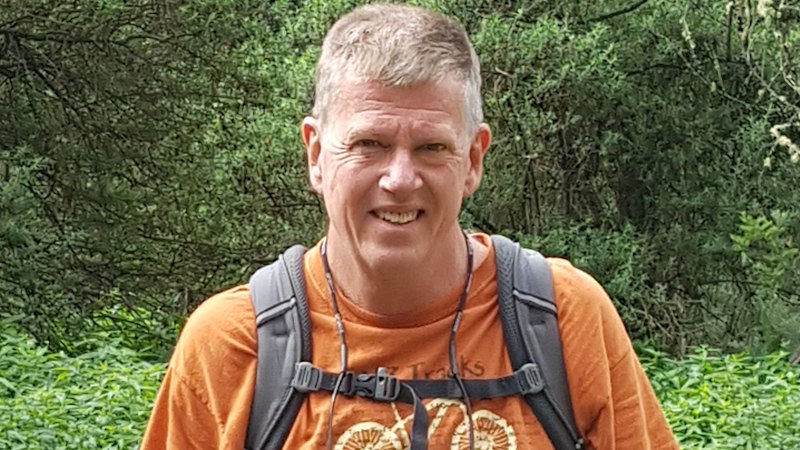
In New South Wales, NSW Police fire scene investigators face significant health risks comparable to firefighters but lack the same automatic coverage for cancer-related illnesses. This issue was highlighted by journalist Riley Walter in an article about Mark Bransgrove and Stephen Horn, both of whom died from bladder cancer after decades of exposure to carcinogenic substances at crime scenes. Bransgrove worked in crime scene investigations for 17 years, while Horn had a 44-year career in the field before his death. Despite policy changes by NSW Police in the early 2000s that introduced better protective equipment for forensics officers, both men were exposed to hazardous materials during their earlier service periods. A report by Sydney occupational hygienist Alan Rogers concluded that Bransgrove’s cancer was likely caused by his work environment, but similar claims about Horn's case have not been officially recognized. This discrepancy leaves grieving families without proper recognition and financial support for the cost of their loved ones’ service, highlighting a gap in protection for police first responders.