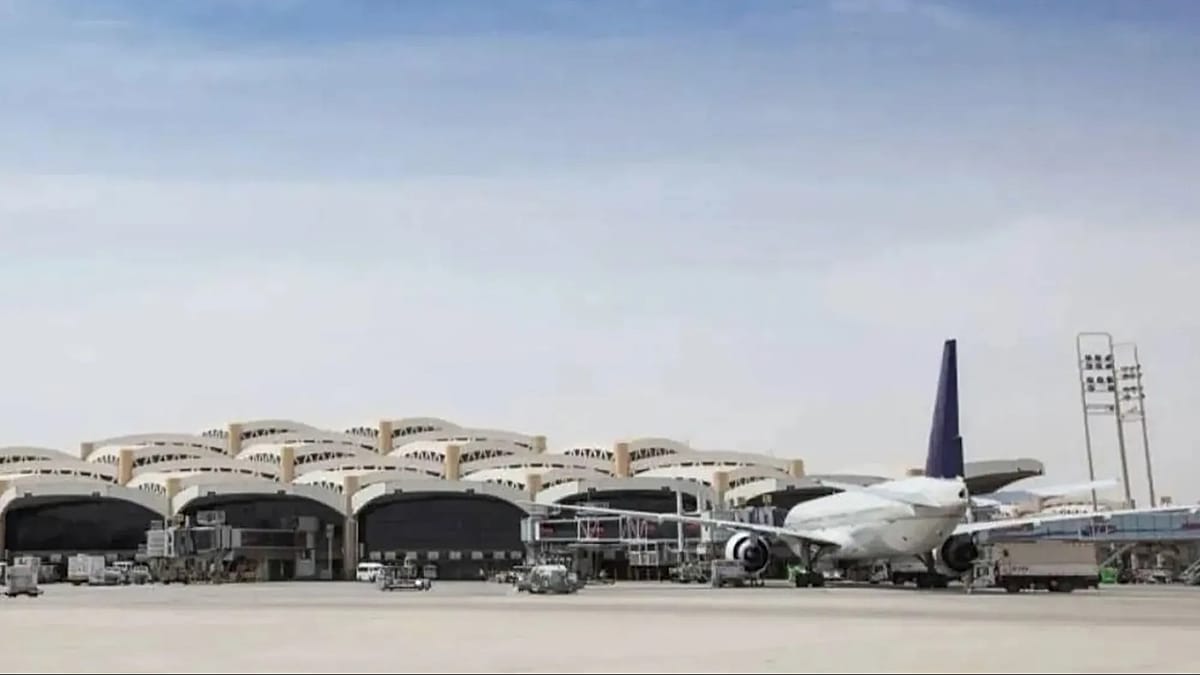
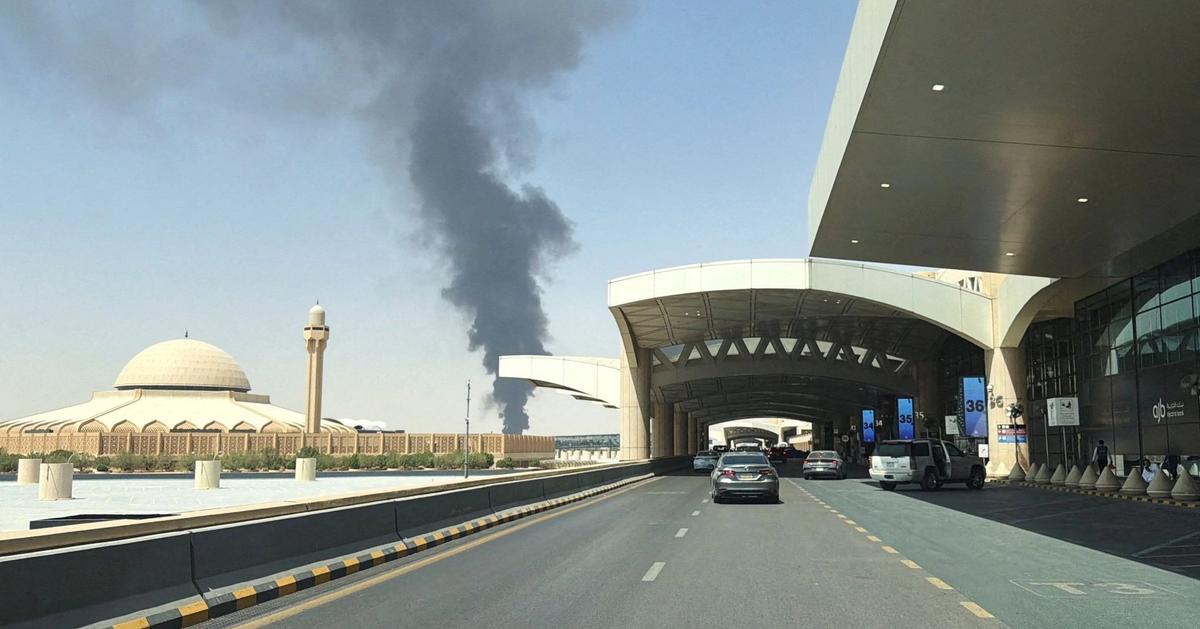
On Saturday, Houthi rebels launched a shocking and deadly attack on Saudi Arabia’s capital city, Riyadh.
asserted
rebels → launch → city
At the time of writing, the missile strike on King Khalid international airport has killed at least 13 people and left 300 injured, marking a significant turn in a regional conflagration that is only getting more intense.
asserted
that → kill → conflagration
It was the single most deadly attack on any Gulf country since the US and Israel launched their war on Iran in February.
asserted
US → launch → February
In Saudi Arabia, a country that is unaccustomed to such fatalities, the death toll is bewilderingly high and likely to prompt a bloody response.
asserted
toll → prompt → response
Over the past year, the Gulf has entered a new era of instability that is not temporary and cannot be reversed.
asserted
that → enter → instability
This may feel like an overstatement – casualties have been relatively low, after all, compared with Gaza and Iran – but the gradual erosion of peace and security in places such as Saudi Arabia, Qatar and the UAE has changed the region more dramatically than its leaders would like to acknowledge.
The first audacious and unthinkable thing happened just over a year ago, when Iran fired missiles at an airbase in Qatar that hosts American troops, in retaliation for US strikes on Iranian nuclear facilities.
uncertain
that → feel → facilities
Lighting up Doha’s skies and scattering shrapnel, it was a dismaying moment for the Qataris, who have tried to maintain good relations with Iran.
asserted
who → light → Iran
But even then there was a degree of warning and coordination that signalled this was a face-saving measure on the part of the Iranians.
asserted
this → be → Iranians
Yet later in 2025, with no similar warning or choreography, Israel struck Doha, targeting Hamas members and killing five Palestinians and one Qatari.
asserted
Israel → strike → Palestinians
That was the beginning of the end of a longstanding norm and expectation – that there was a sanctity to Gulf lives and sovereignty, one secured by the management of the relationship with Iran and alliances with the US.
asserted
That → be → US
Then came Donald Trump and Benjamin Netanyahu’s war on Iran, which drew the Gulf once and for all into the fray.
asserted
which → come → fray
In retaliation for what Iran perceives to be political, military and logistical support for the offensive against it, Tehran struck Saudi Arabia, Qatar, the UAE, Bahrain, Kuwait and Oman.
asserted
Tehran → perceive → Arabia
Iran targeted military sites, energy facilities, desalination plants – an entire infrastructure that underpins the economies of these countries.
asserted
that → target → countries
Much damage was inflicted by the suspension of normal life, the shuttering of schools for months, the closure of airports and airspace.
asserted
damage → inflict → airports
The most disastrous consequence of all, from the perspective of Gulf rulers, has been the way the attacks have disrupted the integration of these countries into the cosmopolitan international community as places for tourism, entrepreneurs, sports and entertainment.
asserted
attacks → disrupt → tourism
They spent billions in securing Formula One, golf and boxing franchises and tournaments, only for a flurry of cheap drones to put it all at risk.
asserted
flurry → spend → risk
The result is a fractious unravelling that has reactivated hostilities that had laid dormant.
asserted
that → unravel → hostilities
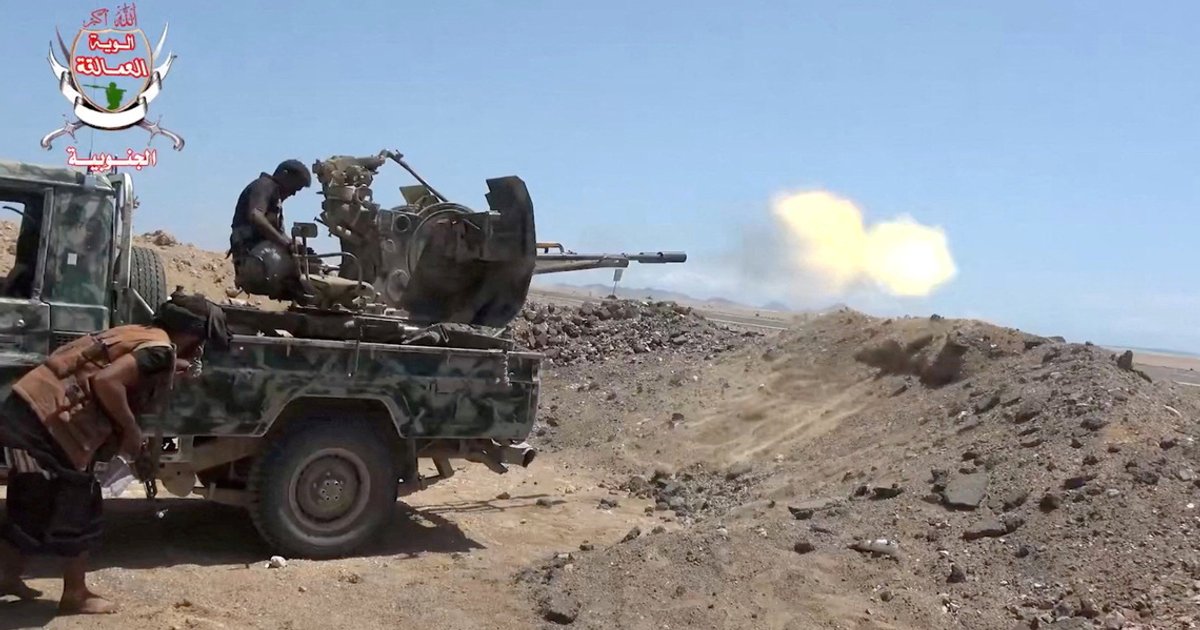
Yemen’s civil war began in 2014 when Iran-backed Houthi rebels, in aspiration to greater autonomy in the minority Shia homelands, took over the capital city, Sana’a.
asserted
rebels → begin → city
In 2015, a coalition of countries led by Saudi Arabia led a brutal campaign to dislodge the Houthis from territories they had gained, intensifying a grinding civil war that killed hundreds of thousands and triggered a humanitarian catastrophe.
asserted
that → lead → catastrophe
The war deescalated in 2022 with a de facto but unformalised division of the country between the Houthis and an internationally recognised, Saudi-backed government; the ceasefire was followed by rapprochement between Saudi Arabia and Iran.
asserted
ceasefire → deescalate → Arabia
But the 2026 war against Iran opened up strategic opportunities and stirred political loyalties, triggering a surge of Houthi advancement in Yemen.
asserted
war → open → Yemen
The closure of the strait of Hormuz, for example, shifted more commercial traffic along Yemen’s coastline, prompting the Houthis to make advances and seize territory in order to gain control of the now crucial Bab al-Mandab strait in the Red Sea.
asserted
closure → shift → Sea
Tensions came to a head five months after the start of the war, with Saudi Arabia escalating strikes against the Houthis, and the Saudi-backed government bombing its own airport in Sana’a to prevent an Iranian plane from landing.
asserted
government → come → plane
These developments are not just the result of a mischievous group seizing the moment, acting as spoiler in a bigger contest between Iran and the west.
asserted
group → seize → Iran
The Houthis are backed by Iran, but they are not empty proxies for Iran; they have domestic ambitions and sharp regional animosities, particularly against the House of Saud, which they see an imperious and arrogant master to whom they shall never submit.
asserted
they → back → whom
A senior Houthi official said that Saturday’s attack took place “so that the world understands” that Yemeni civilian infrastructure has been, and is being, targeted by the Saudis, gesturing towards that sense that Riyadh treats Yemeni lives as cheap.
asserted
Riyadh → say → lives
From another perspective, what we are witnessing in the region is another consequence of Hamas’s 7 October attacks on Israel, and what followed in Gaza, Lebanon and Iran.
asserted
what → witness → Gaza
The final piece that was stabilising the region’s tense equilibriums fell away when Trump decided that the safety and security of the US’s Gulf allies was secondary to his Iran “excursion”, as he called it.
asserted
he → stabilise → it
The limits of relying on the US security umbrella became clear both to allies and enemies.
asserted
limits → rely → allies
Last month, the Trump administration refused to extend military assistance to Saudi Arabia to fight the Houthis, after a meeting of US officials with the Houthis, who assured them that they would not attack US ships in the Red Sea, only Saudi vessels.
asserted
they → refuse → Sea
What is upon Saudi Arabia now is a long, intractable war with a resourceful and impassioned antagonist, one willing to sustain a high degree of pain in ways that Riyadh can’t match without orienting itself entirely towards war.
asserted
Riyadh → sustain → war
If the 2015 campaign is anything to go by, it will claim thousands of lives with only a remote possibility of a decisive outcome.
uncertain
it → go → outcome
And so Saudi, and the entire Gulf, are pulled further into the relentless storm.
asserted
Saudi → pull → storm
Trump cannot bring the Iran war to an end, Gaza remains an open wound, Israel continues to strike and occupy parts of Lebanon.
asserted
Israel → bring → Lebanon
The Houthi resurgence represents a new reality in a region that is bewildered and losing lives and capital, stuck between old alliances that no longer work and new hostilities that are too calamitous to confront.
asserted
that → represent → alliances
 The Aporia