Photo via Toronto Star

NATO commander says the alliance does not want war but is 'ready to fight tonight'

Read the original at Toronto Star ↗
Cite

Burrows, E. (2026, October 12). NATO commander says the alliance does not want war but is 'ready to fight tonight'. Toronto Star. https://www.thestar.com/news/world/europe/nato-commander-says-the-alliance-does-not-want-war-but-is-ready-to-fight-tonight/article_e49b6689-f7b4-5a4d-8442-2f249a1b2667.html

Dated when The Aporia collected the article, usually within hours of publication. Check the original for its exact date and byline.

Toronto Star · collected 2026-10-12 · by Emma Burrows

Quick Summary

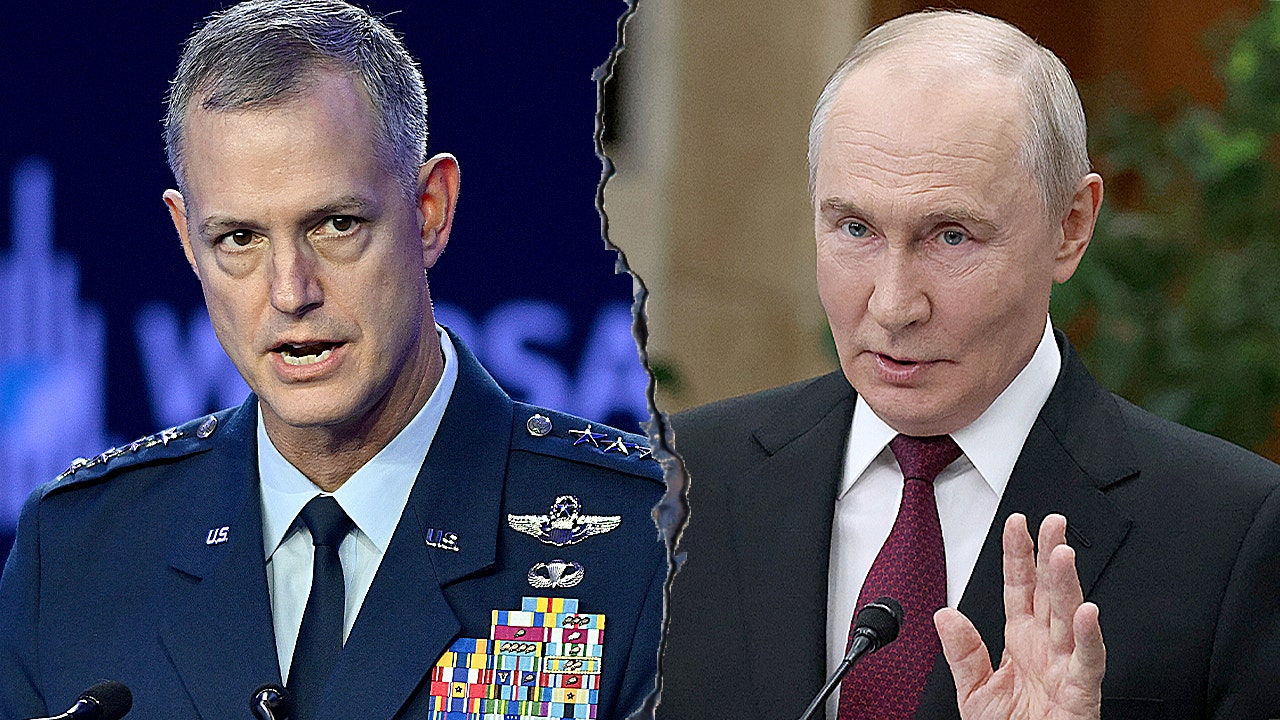
At the Warsaw Security Forum in Poland, NATO’s Supreme Allied Commander U.S. General Alexus Grynkewich stated that the alliance is prepared for immediate military action if attacked by Russia. He outlined a “Theory of Victory” involving comprehensive defense measures across land, sea, and air to counter any Russian aggression and emphasized the importance of unity among NATO members in response to recent covert attacks attributed to Russia, such as arson incidents in Estonia and attempts at sabotage in Germany. Grynkewich stressed that while he does not see an imminent conflict, readiness for war is crucial to maintaining peace and deterring potential aggressors.
Written by AI on 2026-10-12, from this article's own text only (the story summary below draws on all the coverage).

AI analysis

Story summary

At the Warsaw Security Forum in Poland, NATO’s Supreme Allied Commander U.S. General Alexus Grynkewich warned that NATO is prepared for a potential conflict with Russia by stating they are “ready to fight tonight” if attacked. He emphasized NATO's strategy of "blocking, blunting and breaking" enemy forces and said the alliance would dismantle Russian support systems completely in case of an attack. This comes amid increased covert activities from Russia against European nations, such as arson attacks on Estonian defense companies and failed attempts at disrupting Ukrainian aircraft in Germany. General Grynkewich stressed NATO’s readiness while also highlighting the importance of open communication to prevent misunderstandings that could lead to conflict.

Written for “NATO Russia Warning” on 2026-11-03, grounded in this article and the 1 other(s) covering the same event.

Story

📰 NATO Russia Warning
Politics · 2 article(s) covering the same event. See how they differ ↓

Compared with similar articles

This article reads leans right and hedges 24% of its claims. Each row says how that neighbour differs.
Fox News
Hedges 4 of 36 claims Outlet record 69/100
The Free Press
Hedges 1 of 3 claims Outlet record 97/100
“The articles discuss similar themes but cover different aspects and times of preparation for potential conflict, with Article A focusing on NATO's readiness statement and Article B detailing Baltics' specific preparations.”
Evening Standard
⚖️ Leans strongly right further right than this Hedges 0 of 17 claims Outlet record 64/100
“The articles describe different perspectives and events related to NATO-Russia tensions, with Article A focusing on NATO's readiness for a potential attack and recent covert activities by Russia, while Article B features comments from a retired general about long-term Russian goals against NATO.”
Al Jazeera
Hedges 0 of 9 claims Outlet record 60/100
“Article A describes a statement made by NATO's top commander on October 12, emphasizing readiness to fight if attacked. Article B discusses a broader strategic shift and presentation of a 'theory of victory' by NATO on October 13.”
CBC News
⚖️ Leans right Hedges 5 of 53 claims Outlet record 60/100
“Article A discusses NATO's readiness for war following recent covert attacks, while Article B focuses on the growing drone campaign and uncertainty in NATO skies.”
Daily Mail
Hedges 5 of 32 claims Outlet record 69/100
“The articles discuss different perspectives on NATO's readiness and Russia's potential actions but describe distinct events and statements.”
How this article was measured signals, leaning charts, publisher record, byline, topics and claims

Signals How these are calculated →

Claims extracted
34
sentences that state something as happening or true
Uncertain
24%
8 of 34 hedged ("reportedly", "may", "according to")
Leaning
Leans right
of the writing, not the subject · beta estimate
Publisher signals
64/100
Toronto Star's corrections and hedging, across everything collected from it. Not a measure of accuracy.
Outlets on this story
2
Politics
Same framing elsewhere
1
articles that frame the event the way this one does
Analyzed 2026-10-12 · how these are computed

How this is being covered How these are calculated →

Article leaning vs. publisher reliability
Source leaning vs. consistency

Publisher

Toronto Star · 11187 article(s) · 28 correction(s) detected
Running correction rate · 28 correction(s)
2026-10-26
Correction
2026-10-24
Correction
2026-10-07
Correction
2026-09-24
Correction

Who wrote this

Emma Burrows
6 article(s) here · 1 carrying a prediction
🔮 The U.K. will likely face artificial intelligence cyberattacks on its critical infrastructure by 2028 as criminals and states, including China and Russia, increasingly use AI in their cyber activity, Britain's cyber chief warned Tuesday.
🔮 The vulnerabilities opened sites to a host of potential security concerns The official website for PHP and several other organizations and agencies released security advisories Wednesday urging PHP users to patch two critical vulnerabilities or shut down their sites if they couldn’t update them immediately.
🔮 WARSAW, Poland (AP) — NATO’s top military commander said the alliance is “ready to fight tonight” if it is attacked, as European officials warn Russia could test NATO’s defenses with increased covert attacks or a limited military incursion.
🔮 Stringer warned that Nato members need to be aware of the “febrile environment” and careful in their response because Putin would like to provoke the alliance into an “overreaction.”
🔮 Stringer warned that NATO members need to be aware of the “febrile environment” and be careful in their response because Putin would like to provoke the alliance into an “overreaction.”
🔮 Stringer warned that NATO members need to be aware of the “febrile environment” and careful in their response because Putin would like to provoke the alliance into an “overreaction.”
Also by Emma Burrows
Nothing else under this byline is closely related to this article, so these are simply their most recent.
All 6 articles by Emma Burrows →

Topics

NATO Russia Russian U.S. WARSAW

Subjects

NATO ORG · 17× Russia GPE · 11× Grynkewich PERSON · 8× European NORP · 4× Russian NORP · 4× U.S. GPE · 4× Ukraine GPE · 3× WARSAW GPE · 3× Denmark GPE · 2× Moscow GPE · 2×

Narrative

Earlier this year, the U.S. president said he was pulling American troops from Europe and his war with Iran has led to critical shortages of advanced air defense missiles in Europe. “Ultimately it’s a political decision,” as to where troops are deployed but “no one should question the U.S. commitment to the alliance,” Grynkewich said.
framing: mixed · carried by 1 article(s) · first seen 2026-10-12
🔮 WARSAW, Poland (AP) — NATO’s top military commander said the alliance is “ready to fight tonight” if it is attacked, as European officials warn Russia could test NATO’s defenses with increased covert attacks or a limited military incursion.

Claims (34 extracted, 8 hedged)

WARSAW, Poland (AP) — NATO’s top military commander said the alliance is “ready to fight tonight” if it is attacked, as European officials warn Russia could test NATO’s defenses with increased covert attacks or a limited military incursion. uncertain
Russia → say → attacks
European nations have in recent months faced an escalation of covert Russian activity, including an arson attack on an Estonian defense company and a failed attempt to attack a Ukrainian aircraft at a German airport. asserted
nations → face → airport
If Russia decides to attack NATO, the alliance will respond by using sensors, autonomous systems and military force to stop any assault, NATO’s Supreme Allied Commander U.S. General Alexus Grynkewich said in Warsaw Monday. asserted
Grynkewich → decide → Warsaw
Grynkewich spoke at the Warsaw Security Forum to set out what he called NATO’s “Theory of Victory.” asserted
he → speak → Victory
The NATO commander said he does not believe that a conflict is imminent or inevitable and that the most effective way to preserve peace is to prepare for war and to maintain open lines of communication to “resolve misunderstandings.” asserted
way → say → misunderstandings
NATO will break the enemy’s forces if necessary, Grynkewich says Grynkewich provided no specific details about what kind of attack NATO is preparing for, nor where, nor with what kind of forces. asserted
NATO → break → forces
But outlining what a response to a Russian attack could look like, Grynkewich said NATO’s combined land, sea and air forces will move to stop Moscow seizing territory and deny Russia the ability to hold ground. uncertain
Moscow → outline → ground
“My theory of victory is simple,” he told the Warsaw conference. asserted
he → tell → conference
“We will block the initial attack. asserted
We → block → attack
If the attack persists, we will blunt it and prevent any enemy advance. asserted
we → persist → advance
And if required, we will break the enemy’s forces and the operational war-fighting system arrayed against us. asserted
we → require → us
” That includes not just the attacking force but anything and everything that supports, sustains and controls it, he said. asserted
he → include → it
In recent weeks, senior European officials and intelligence services have warned that Russia may be planning to test the NATO alliance with increased covert attacks or even an incursion after a spate of sabotage incidents across the continent. uncertain
Russia → warn → continent
Denmark’s defense intelligence service specifically warned Russia could use such tactics to split the NATO alliance. uncertain
Russia → warn → alliance
But, at the same time, President Donald Trump has also sent shock waves through Europe by agreeing to a deal to buy diesel from Russia in a bid to try lower prices in the U.S. ahead of the midterm elections. asserted
Trump → send → elections
Earlier this year, the U.S. president said he was pulling American troops from Europe and his war with Iran has led to critical shortages of advanced air defense missiles in Europe. “Ultimately it’s a political decision,” as to where troops are deployed but “no one should question the U.S. commitment to the alliance,” Grynkewich said. asserted
Grynkewich → say → alliance
It is important, Grynkewich said, that alliance members coordinate a “coherent” response to Russian activity to make it clear to Moscow “where our red lines are.” asserted
lines → say → Moscow
The response to increased Russian malign activity and sabotage, he said, should be to double down on support for Ukraine. asserted
he → increase → Ukraine
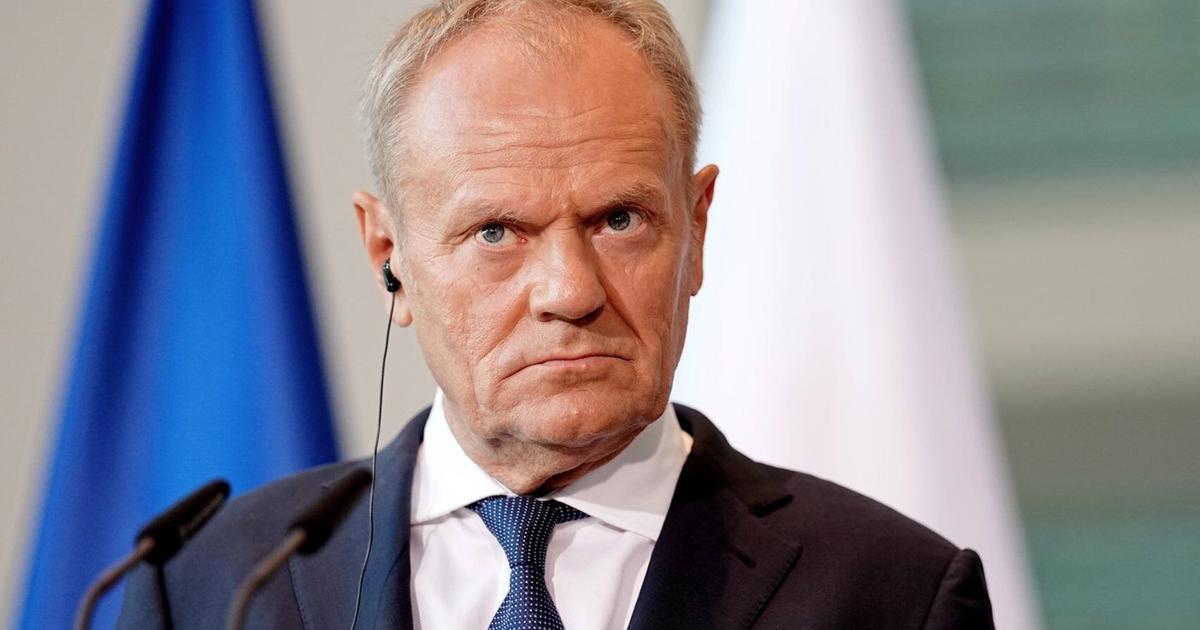
Some NATO countries still lack readiness to respond to threats While Polish Prime Minister Donald Tusk warned that Russia is planning to escalate with drone or rocket strikes on European allies supporting Ukraine, other countries have called for calm. asserted
countries → lack → calm
Denmark’s Defense Intelligence Agency said there is a “low but growing risk” that Russia will launch a limited military attack against one or several NATO countries bordering Russia. asserted
Russia → say → Russia
NATO does not seek war with anyone but will see a military attack coming and “is unlikely to be caught by surprise,” Grynkewich said. asserted
Grynkewich → seek → surprise
Although Grynkewich said NATO would defend against any attack by Russia using a network of sensors and autonomous systems, some NATO nations have previously struggled to perform in exercises simulating drone warfare. asserted
nations → say → warfare
They have also faced challenges detecting and responding to incursions of drones which have entered their airspace. asserted
which → face → airspace
Multiple attack drones have crashed in NATO countries bordering Russia, Ukraine and Belarus. asserted
drones → crash → Russia
And in May, residents in the Lithuanian capital Vilnius were told to seek shelter after a drone strayed into Lithuanian airspace. uncertain
drone → tell → airspace
When asked if NATO could deter Russia in the way Grynkewich described, his spokesperson, Col. Martin O’Donnell said NATO nations are increasingly deploying ground sensors and other technology to detect and counter drones. uncertain
nations → ask → drones
The network that connects systems to shoot down drones and sensors is in the process of being established, although they have not yet taken down any drones, he said. asserted
he → connect → drones
Western officials blame Moscow for more than 200 incidents since 2022 In September, Germany accused Russia of being behind a plot at Leipzig airport to use a drone laden with explosives to attack a Ukrainian aircraft. asserted
Germany → blame → aircraft
British officials also said they thwarted a Russian plot to target a drone facility outside London while Estonian officials said Russia was behind a fire at a defense company. asserted
Russia → say → company
The incidents are among at least 211 blamed on Russia by Western officials since Moscow’s invasion of Ukraine and tracked by The Associated Press. asserted
incidents → blame → Press
In its assessment released earlier in September, Denmark’s defense intelligence service suggested Russia could try to acquire Ukrainian drones and use them to attack Europe, in order to obfuscate any Russian involvement. uncertain
Russia → release → involvement
Tusk suggested Russia will likely pretend any attacks are “accidental” in order to “paralyze or at least weaken the motivation of NATO countries” to rush to the defense of a member state coming under attack. uncertain
attacks → suggest → attack
The Danish service said the aim of any such attack would be to divert European resources away from supporting Ukraine and sow division in NATO. asserted
aim → say → NATO
But both the Danish service and O’Donnell said while Russia is fighting in Ukraine, it would be difficult to launch an outright attack on NATO. asserted
it → say → NATO

💬Give feedback
🕘History 🎫Support