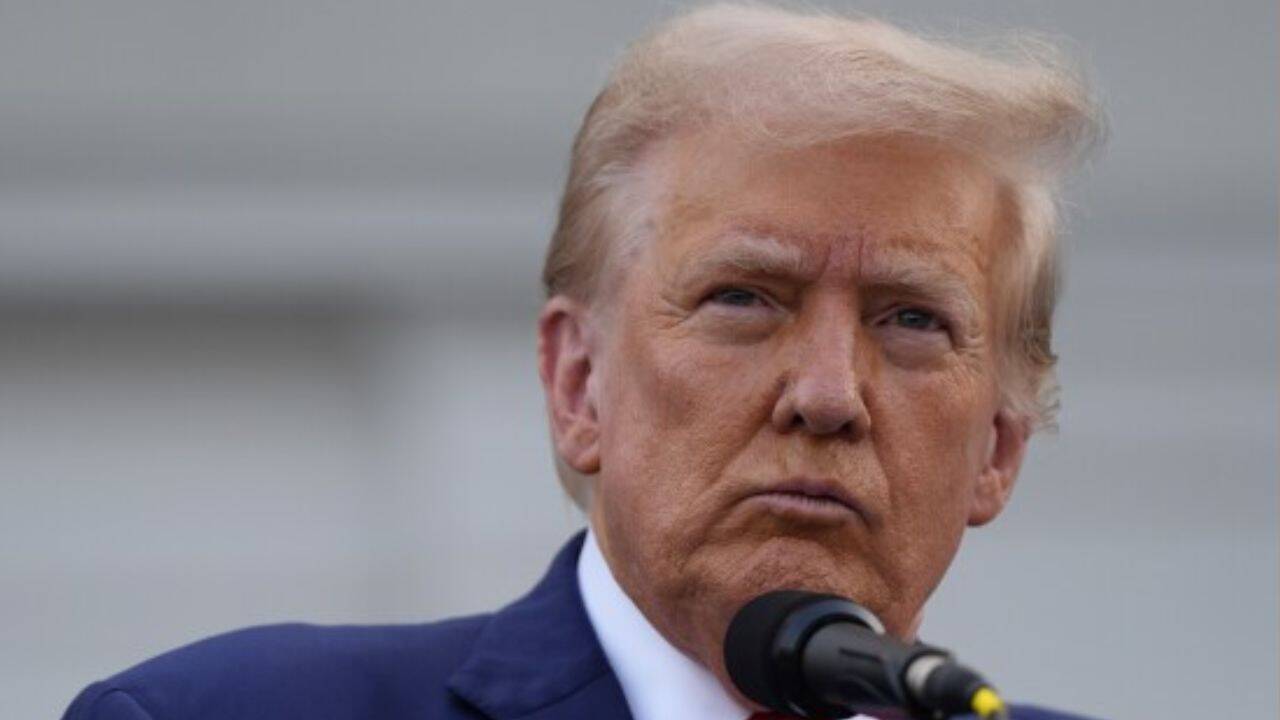
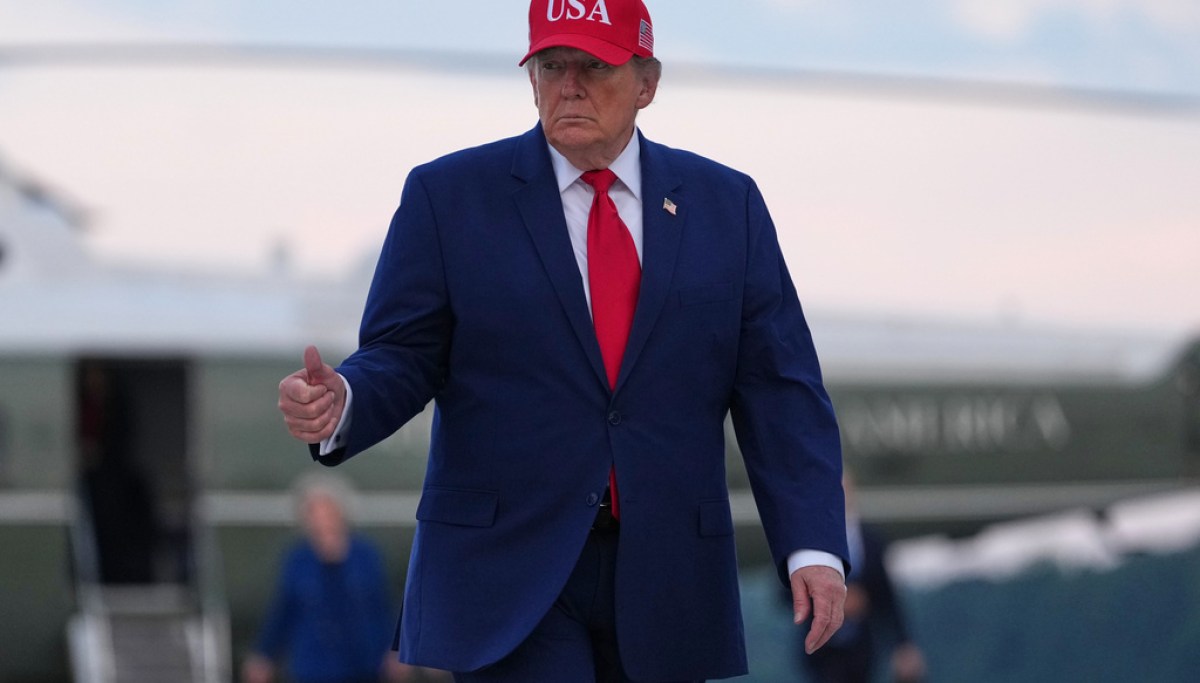
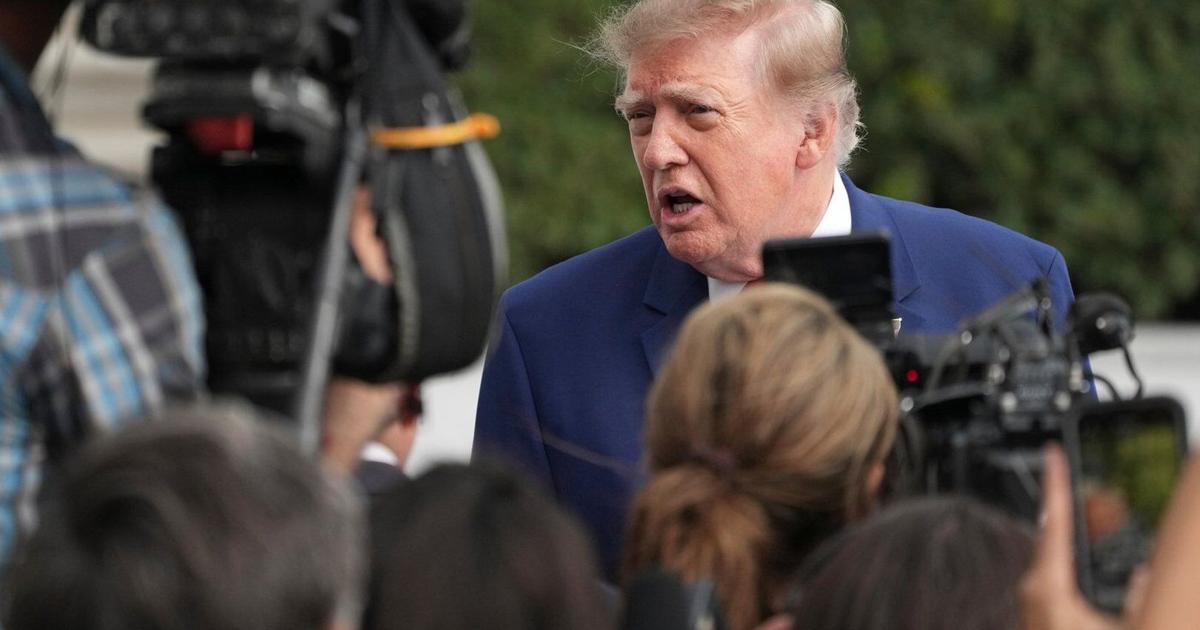
Steve Hayes is joined by Jonah Goldberg, David French, and Mike Nelson to discuss President Trump’s decision to lift sanctions on Russian diesel and the Pentagon’s planned execution of Fort Hood shooter Nidal Hasan.
asserted
Hayes → join → Hasan
The Agenda:
—The state of Ukraine’s defense
—Can Trump legally lift sanctions?
—Why Trump hates Zelensky
—Do voters care about Ukraine?
—Livestreaming Nidal Hasan’s execution
Show notes:
[instrumental music] Welcome to the Dispatch Podcast.
asserted
voters → lift → Podcast
On today's roundtable, we discuss the decision by the Trump administration to lift sanctions on Russian diesel, and we attempt to understand Trump's continued infatuation with, and appeasement of, Vladimir Putin.
asserted
we → discuss → Putin
And then the planned execution of Fort Hood shooter Nidal Hasan by firing squad, and Secretary of Defense Pete Hegseth's promise that the execution will be live-streamed.
asserted
execution → plan → Defense
I'm joined today by Dispatch editor-in-chief, Jonah Goldberg, Advisory Opinions guest host and New York Times columnist, David French, and retired Army Special Forces officer and Dispatch contributor, Mike Nelson.
asserted
I → join → chief
Let's dive in.
asserted
's → let → ?
Mike Nelson, I wanna start with you.
asserted
I → start → you
This has been a very busy several days with respect to the US position and the Trump administration's position on the war of aggression that Russia launched against Ukraine.
asserted
Russia → launch → Ukraine
We have seen sort of escalating rhetoric.
asserted
We → see → rhetoric
In fact, I think we talked about it on this podcast a couple times over the last several weeks.
asserted
we → think → weeks
Things seemed to be kind of simmering and moving to a boil, and then we saw this past week some pretty aggressive rhetorical attacks from Donald Trump on Volodymyr Zelenskyy, Zelenskyy defending himself, the Russians sort of sitting back and occasionally adding in a comment of delight at the
tensions between the United States and Ukraine.
asserted
Russians → seem → States
Can you just walk us through what's happened over the past week, and why is this happening now?
asserted
this → walk → week
What's going on?
asserted
What → go → ?
Well, we've seen over the past several months that Ukraine has done a lot of kind of creative approaches to attacking the Russian war machine that has attacked them, and it is continuing the war that, again, you know, despite the rhetoric that we saw over the past week, that one person has the ability to end, and that's Vladimir Putin.
asserted
that → see → ability
To that end, they have done a lot of innovations on the front line, the integration of new technologies and new tactics, but they've also integrated some of these deep strikes that we've seen over the past several months, targeting some of the Russian infrastructure that allows them to continue the war, most notably against the Russian oil infrastructure.
asserted
them → do → infrastructure
That, number one, denies Russia revenue that they use to support their forces, and it's also a direct input into the war.
asserted
it → deny → war
They need that fuel, they need those lubricants to be able to continue to move their tanks and BMPs and other machinery.
asserted
lubricants → need → tanks
So, uh, Ukraine has been very effective at targeting some of these capabilities and some of these facilities within Russia.
asserted
Ukraine → target → Russia
Now, what we've seen is since about end of February of this year, the price of diesel went up globally, most notably because of the US war in Iran.
asserted
price → see → Iran
A lot of that was because of diminished flow of energy supplies through the Strait of Hormuz, as Iran has pulled that lever as a means to try to exert pain on the global community.
asserted
Iran → pull → community
Much of that has been offset now.
asserted
Much → offset → that
We've been able to either escort shipping through the Strait of Hormuz or use other points of embarkation throughout the region,
asserted
We → escort → region
to the point where we are about 90% of pre-war oil exports or energy exports coming out of the region, we have returned to about 90% level.
asserted
we → come → level
What we haven't returned to is the number of refined products that are leaving the region, and largely that's because Iran, as part of their counter-response, hit oil infrastructure in Kuwait, Bahrain, the Emirates, Saudi Arabia, and we're seeing the Houthis are continuing to hit Saudi oil refineries as they have expanded the war to become a part of the, the Iranian coalition.
asserted
they → return → the
So these facilities that refine oil products into diesel fuel have diminished the overall global capacity or global supply and kept prices high.
asserted
that → refine → prices
Right now, about 60% of refined products are leaving the region compared to what they were pre-war.
asserted
they → leave → what
So this has had an incredible spike in prices on diesel fuel, which affects American farmers, affects trucking, uh, and shipping, which then affects the prices of goods all over because they're shipped via trucks that use diesel fuel.
asserted
that → have → fuel
This has obviously become a pressure point for the president going into the midterms, and the primary thing he hears, or at least is responsive to, is the idea that high gas prices are affecting his favorability and are potentially going to result in a blue wave.
asserted
prices → become → wave
He seems to be upset by that, frustrated by that, and looking for someone to blame, besides the fact that the war in Iran has not been resolved and has had greater effects regionally and globally than he anticipated.
asserted
he → seem → effects
So, who does he go to in, to express his frustration?
asserted
he → go → frustration
Volodymyr Zelenskyy, president of Ukraine, who he already has blamed at various points in time for the war that Russia started, where Zelenskyy is only defending his country.
asserted
Zelenskyy → blame → country
And instead of looking at the greater impacts to global diesel supplies coming out of the Gulf, he blames the smaller impact of Ukrainian strikes against Russian infrastructure.
asserted
he → look → infrastructure
The president has announced this glorious grand deal he made with Putin to import Russian diesel, 300,000 tons, I believe, was what was announced coming to the, the US markets, which I saw a calculation equates to about 14 hours worth of American demand.
asserted
calculation → announce → demand
So it will have
asserted
it → have → ?
 The Aporia