Six years after Regis Korchinski-Paquet fell to her death during a police call to her High Park apartment, a coroner’s inquest is examining her final moments, including whether her history of epilepsy and seizures played a role.
asserted
history → fall → role
In opening remarks Tuesday, Ontario coroner David Cameron laid out the aims of the inquest probing the 29-year-old woman’s 2020 death, which set off protests in Toronto streets and raised urgent public concerns about officers’ handling of calls involving mental health and epilepsy.
asserted
which → open → health
The central goal, Cameron told inquest jurors, is to establish what happened to Korchinski-Paquet and determine if police and emergency officials need to change how they handle similar incidents.
asserted
they → tell → incidents
Although the proceeding is not a criminal trial and will not lay blame, the inquest will not “shy away” from difficult subject matter, Cameron said.
asserted
Cameron → lay → matter
“We still ask tough questions.
asserted
We → ask → questions
We still need to know what happened.
asserted
what → need → ?
We still need to know what things went wrong, if any, and why,” Cameron said.
asserted
Cameron → need → ?
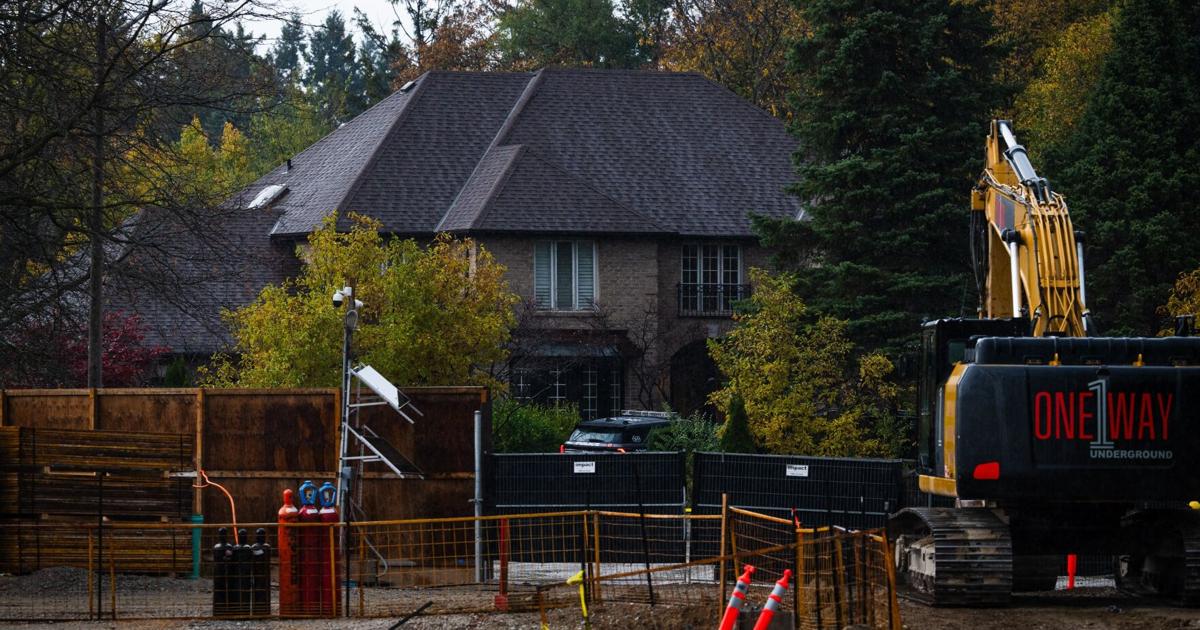
Korchinski-Paquet died on May 27, 2020 following what police called a “frantic” assault call to her family’s apartment in a highrise building on High Park Avenue.
uncertain
police → die → Avenue
The sudden death of the Afro-Indigenous woman came just 48 hours after the Minneapolis police killing of George Floyd, prompting calls for accountability amid a mounting global uprising over racism and policing.
asserted
death → come → racism
A criminal investigation by Ontario’s civilian police watchdog, the Special Investigations Unit (SIU), cleared all Toronto police officers of wrongdoing.
asserted
investigation → clear → wrongdoing
It concluded Korchinski-Paquet died after she lost her balance while trying to scale her balcony railing and step onto her neighbour’s balcony.
asserted
she → conclude → balcony
Inquest counsel Roger Shallow told jurors that one focus of the three-week inquest will be examining whether emergency responders are informed about a person’s history with epilepsy, and how they respond if their behaviour is influenced by “postictal delirium” — a state of confusion or agitation that can follow a seizure.
asserted
that → tell → seizure
Shallow said Korchinski-Paquet had a long-standing medical history of seizures and “often experienced symptoms of confusion, irritability, physically and verbally abusive behaviour, and episodic amnesia following a seizure.”
In the years before the May 2020 incident, there had been multiple calls for service to Korchinski-Paquet’s home and “some of these calls related to, or contained information that (Korchinski-Paquet) had a seizure,” Shallow said.
uncertain
Shallow → say → seizure
One of the witnesses set to testify at the inquest is Dr. Julien Hébert, a neurologist who specializes in epilepsy, Shallow said.
asserted
Shallow → set → epilepsy
Warning jurors that “some of the evidence will be difficult to hear,” Shallow provided a brief narrative of the events leading up to Korchinski-Paquet’s death, saying that police had been summoned to the home about a “rapidly developing and violent family disturbance that involved knives.”
Five 911 calls had been placed to first responders that evening, he said — one by Korchinski-Paquet’s mother, one from her brother, and three by Korchinski-Paquet herself.
asserted
he → warn → Paquet
The calls summoned six police officers and two paramedics to the scene, and what transpired in the following moments “is really central to this inquest,” Shallow said.
asserted
Shallow → summon → inquest
“I expect, after hearing the evidence, you’ll come to appreciate that all eight of those first responders had at least one thing in common: They were there to help,” Shallow said.
asserted
Shallow → expect → thing
In a statement read to inquest jurors Tuesday, Korchinski-Paquet’s family said they hoped the inquest would bring answers and assurance that “people experiencing a crisis receive a safe and compassionate response from first responders.”
asserted
people → read → responders
“We hope that what is learned here will help prevent other families from suffering a loss like ours,” the family statement said.
asserted
statement → hope → ours
Cameron noted that, although six years have passed since Korchinski-Paquet’s death, time doesn’t make the loss any easier.
asserted
loss → note → death
He acknowledged the inquest will cause her family and friends’ heartbreak to resurface.
asserted
heartbreak → acknowledge → ?
“Her life ended much too early,” Cameron said.
asserted
Cameron → end → ?
 The Aporia