Photo via Washington Examiner

The World Trade Center terrorist who got away

Read the original at Washington Examiner ↗
Cite

Cusack, B. (2026, September 11). The World Trade Center terrorist who got away. Washington Examiner. https://www.washingtonexaminer.com/news/crime/4722119/world-trade-center-terrorist-who-got-away-abdul-rahman-yasin/

Dated when The Aporia collected the article, usually within hours of publication. Check the original for its exact date and byline.

Washington Examiner · collected 2026-09-11 · by Bob Cusack

Quick Summary

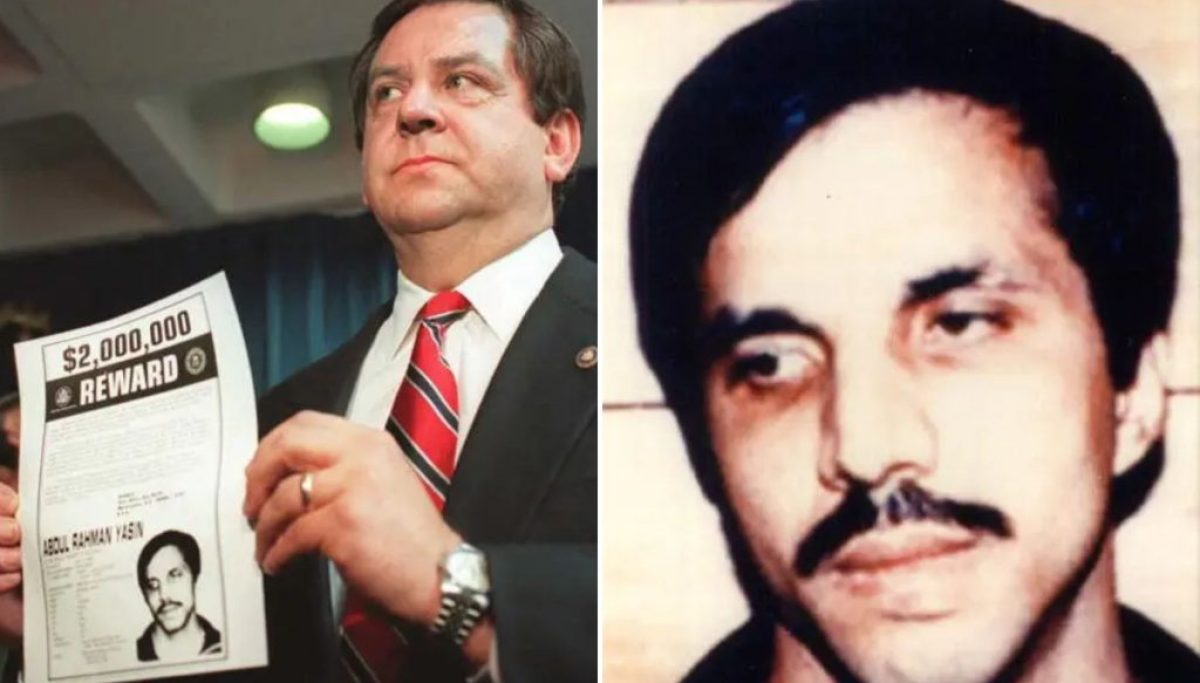
Abdul Rahman Yasin, an Iraqi-American born in Indiana, is still at large after being involved in the 1993 World Trade Center bombing that killed six people and injured over 1,000. The FBI searched his New Jersey apartment, found incriminating evidence, but let him go twice before he fled the US. According to the article, Yasin has been on the FBI's most wanted list for 25 years with a reward of up to $5 million, claiming he was manipulated by Ramzi Yousef, the mastermind behind the bombing. The story highlights the government's handling of Yasin's case, with some officials acknowledging it as a "mistake" or "great embarrassment" that he was let go.
Written by AI on 2026-09-11, from this article's own text only (the story summary below draws on all the coverage).

AI analysis

Story summary

On the 25th anniversary of the September 11 attacks, New York City's first Muslim mayor, Zohran Mamdani, faces controversy over his decision to attend memorial events despite calls from some victims' families and former Mayor Rudy Giuliani for him to stay away. Mamdani, who lost an older brother in the attacks, insists on honoring those affected by reading out names at Ground Zero. Meanwhile, nearly 110,000 signatures have been collected through a petition urging Mamdani not to attend, citing concerns over his past associations and appointments that some see as conflicting with the solemnity of the event. Despite this opposition, Mamdani is moving forward with plans to release more than 170,000 pages of documents related to air quality around Ground Zero in the months following 9/11, aiming to provide transparency on what the city knew about toxic conditions and how they handled it.

Written for “9/11 Memorial Controversies” on 2026-10-31, grounded in this article and the 169 other(s) covering the same event.

Story

📰 9/11 Memorial Controversies
Politics · 170 article(s) covering the same event. Compare every outlet's account →

Compared with similar articles

This article reads leans left and hedges 5% of its claims. Each row says how that neighbour differs.
National Post
⚖️ Leans strongly right further right than this Hedges 7 of 47 claims Outlet record 60/100
Al Jazeera
Hedges 6 of 57 claims Outlet record 60/100
The Hindu
Hedges 7 of 20 claims Outlet record 60/100
“The articles discuss entirely different topics and events, one about a fugitive involved in the World Trade Center bombing and the other about Medicare fraud.”
Semafor
⚖️ Leans left Hedges 0 of 2 claims Outlet record 60/100
“The articles discuss different aspects of pre-9/11 terrorist activities and investigations, not a single specific incident.”
BBC News
Hedges 7 of 127 claims Outlet record 68/100
“Article A is about a man named Omar al-Bayoumi and his alleged links to extremism, while Article B is about a man named Abdul Rahman Yasin and his involvement in the 1993 World Trade Center bombing.”
Washington Examiner
⚖️ Leans right further right than this Hedges 1 of 81 claims Outlet record 70/100
“Article A discusses the 9/11 terrorist attack on the World Trade Center, while Article B talks about a previous, separate attack in 1993, and only mentions 9/11 as a later development”
Zeteo
⚖️ Leans strongly left further left than this Hedges 0 of 14 claims
“Article A is commemorating the 25th anniversary of 9/11, while Article B is reporting on a separate incident from 1993, the World Trade Center bombing”
CBS News
⚖️ Leans left Hedges 0 of 3 claims Outlet record 66/100
“Article A describes the 1993 World Trade Center bombing, while Article B refers to the 9/11 terrorist attack in 2001”
Washington Examiner
Hedges 5 of 49 claims Outlet record 70/100
“Article A discusses Abdul Rahman Yasin and his role in the 1993 World Trade Center bombing, while Article B focuses on the events of 9/11 and subsequent conspiracy theories.”
How this article was measured signals, leaning charts, publisher record, byline, topics and claims

Signals How these are calculated →

Claims extracted
37
sentences that state something as happening or true
Uncertain
5%
2 of 37 hedged ("reportedly", "may", "according to")
Leaning
Leans left
of the writing, not the subject · beta estimate
Publisher signals
70/100
Washington Examiner's corrections and hedging, across everything collected from it. Not a measure of accuracy.
Outlets on this story
170
Politics
Same framing elsewhere
1
articles that frame the event the way this one does
Analyzed 2026-09-11 · how these are computed

How this is being covered How these are calculated →

Article leaning vs. publisher reliability
Source leaning vs. consistency

Publisher

Washington Examiner · 3836 article(s) · 7 correction(s) detected
Running correction rate · 7 correction(s)

Who wrote this

Bob Cusack
2 article(s) here · 1 carrying a prediction
🔮 But the universe of their scrutiny will go well beyond the executive branch and extend into the business community.
2026-10-29 · assertive framing · Who and what Democrats will go after if they win
🔮 After his arrest in 1995, Yousef vowed that the towers would be targeted again and fall at a later date.
2026-09-11 · assertive framing · The World Trade Center terrorist who got away
Also by Bob Cusack
Who and what Democrats will go after if they win
2026-10-29 · Washington Examiner
Nothing else under this byline is closely related to this article, so these are simply their most recent.

Topics

9/11 FBI Iraq New Jersey U.S.

Subjects

Yasin PERSON · 24× FBI ORG · 7× U.S. GPE · 7× Iraq GPE · 6× Yousef PERSON · 5× Kushner PERSON · 4× Iraqi NORP · 3× New Jersey GPE · 2× Abdul Rahman Yasin PERSON · 1× Indiana ORG · 1×

Narrative

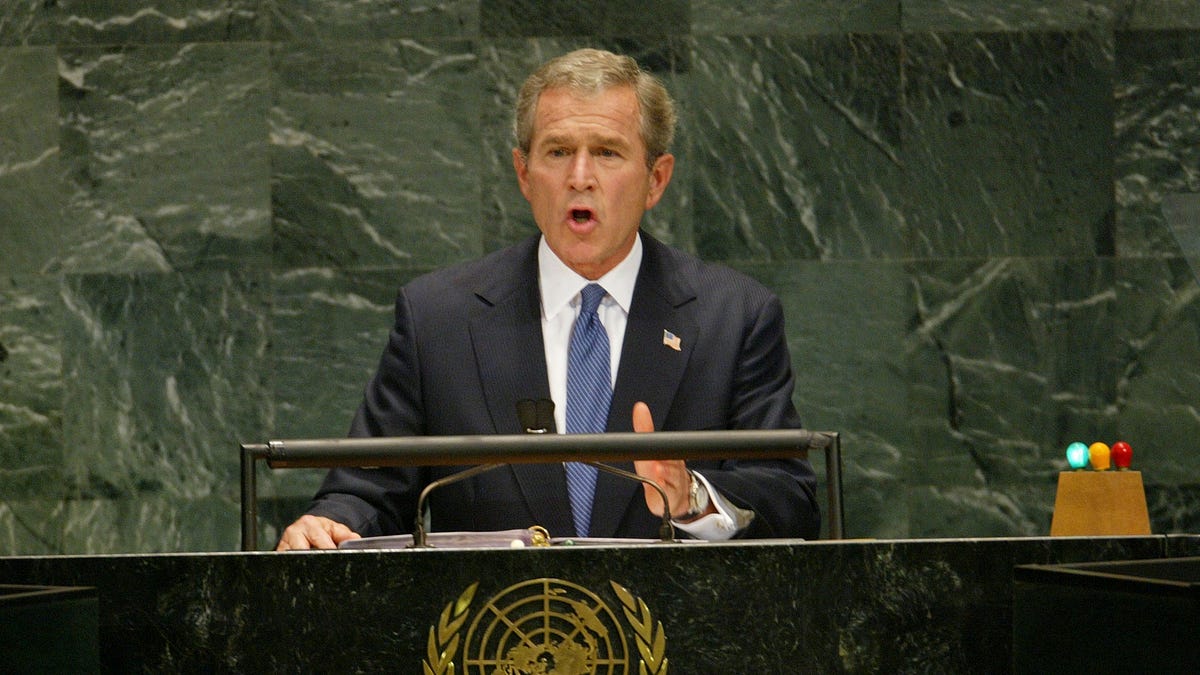
Former President George W. Bush, former Vice President Dick Cheney, CIA director James Woolsey, and some lawmakers cited Yasin in making the case that the Iraqi government was involved in 9/11.
framing: assertive · carried by 1 article(s) · first seen 2026-09-11
🔮 After his arrest in 1995, Yousef vowed that the towers would be targeted again and fall at a later date.
2026-09-11 · Washington Examiner
The World Trade Center terrorist who got away · assertive framing

Claims (37 extracted, 2 hedged)

A man born in Indiana who admitted playing a significant role in the first World Trade Center attack remains at large more than three decades after the 1993 bombing. asserted
who → bear → bombing
The story of Abdul Rahman Yasin is remarkable and baffling in a number of ways, most notably in how the Iraqi-American got away. asserted
American → get → ways
The FBI searched Yasin’s New Jersey apartment following the terrorist attack, found incriminating evidence, and subsequently let him go — twice. asserted
him → search → evidence
He then fled the United States, and years later, Bush administration officials cited Yasin, who was raised in Baghdad, as proof that Iraq was involved in 9/11. asserted
Iraq → flee → 9/11
In 2002, Yasin was interviewed by 60 Minutes, where he detailed how he helped put the massive bomb together that was put in a rented van and exploded in a garage in the North Tower. asserted
that → interview → Tower
Six people were killed, and more than 1,000 people were injured. asserted
people → kill → ?
After the CBS interview, Yasin has not been seen publicly. asserted
Yasin → see → interview
The U.S. invaded Iraq in March 2003. asserted
U.S. → invade → March
Yasin, who was born in 1960, has been on the FBI’s most wanted list for the last 25 years with a reward of up to $5 million. asserted
who → bear → million
Yasin claimed he was manipulated by Ramzi Yousef, the mastermind who built the bomb. asserted
who → claim → bomb
Yousef befriended Yasin when they both lived in an apartment complex in Jersey City, New Jersey. asserted
they → befriend → City
Initially, Yousef wanted to bomb Jewish neighborhoods in Brooklyn, but then opted to target the World Trade Center, according to Yasin. uncertain
Yousef → want → Yasin
The plan was for the bomb to trigger the North Tower to fall into the South Tower. asserted
bomb → trigger → Tower
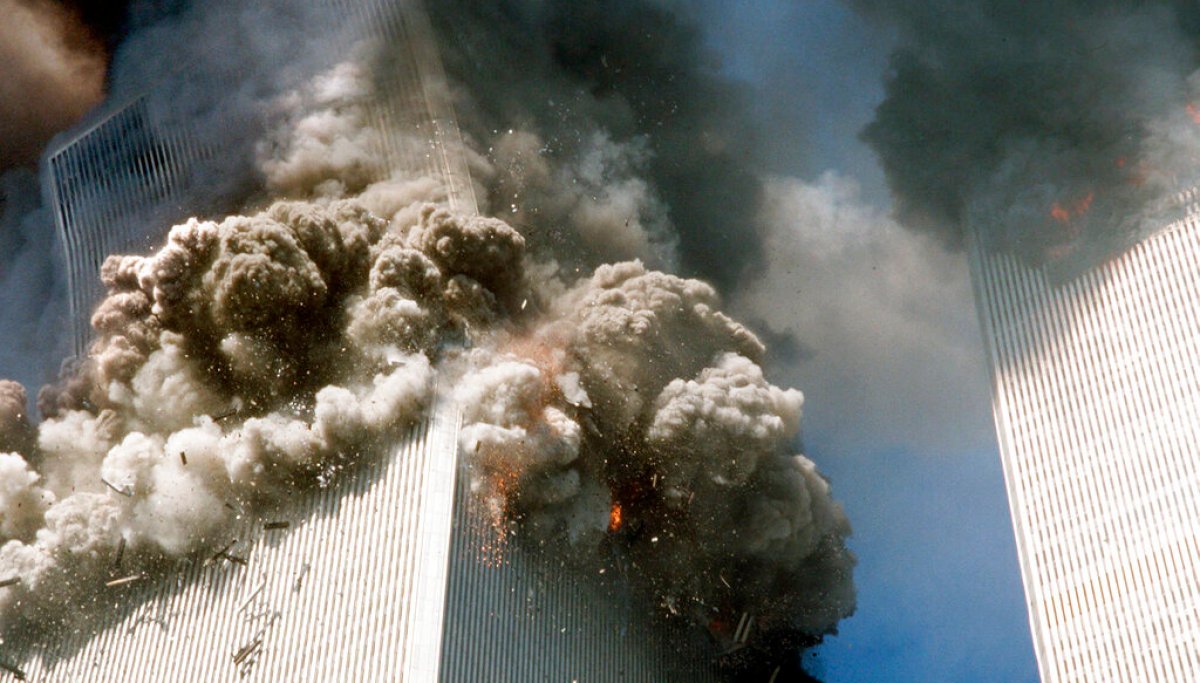
After his arrest in 1995, Yousef vowed that the towers would be targeted again and fall at a later date. asserted
towers → vow → date
Khalid Sheikh Mohammed, Yousef’s uncle, helped devise the 9/11 plot that took both towers down eight years later. asserted
that → devise → towers
The 1993 bombing should have been seen as a “wake-up call,” former New York Police Commissioner Ray Kelly said. asserted
Kelly → see → call
He and other national security experts lamented that more steps weren’t taken to prevent 9/11. asserted
steps → lament → 9/11
Yasin is said to be the only terrorist who was not apprehended in the 1993 bombing. asserted
who → say → bombing
Yet, Harvey Kushner, who worked on the 1993 case, disputes that claim. uncertain
who → work → claim
Kushner, a widely recognized terrorism expert who worked closely with the FBI in 1993, told the Washington Examiner that Yasin wasn’t the only one who dodged justice. asserted
who → recognize → justice
He mentioned there were unindicted co-conspirators, though they aren’t on the FBI’s most wanted list. asserted
they → mention → list
There were many opportunities for U.S. officials to arrest Yasin. asserted
officials → be → Yasin
The FBI said Yasin voluntarily gave them valuable information about the bombers, and that was part of the agency’s rationale not to detain him. asserted
that → say → him
Neil Herman, a former FBI official who helped lead the 1993 investigation, admitted to “60 Minutes” that letting Yasin go was a “mistake.” asserted
Yasin → help → Minutes
Kushner said letting Yasin slip away was a “great embarrassment” for the FBI. asserted
Yasin → say → FBI
Both Herman and Kushner indicated some within the bureau didn’t want to let Yasin go free. asserted
Yasin → indicate → bureau
Iraq arrested Yasin and offered him to the U.S. during the Clinton administration, though, because of incompetence or miscommunication, Yasin was not turned over. asserted
Yasin → arrest → incompetence
A month after 9/11, Iraq again told the U.S. it was willing to deliver Yasin, though distrust and a breakdown in negotiations again kept Yasin from being in U.S. custody. asserted
distrust → tell → custody
In his 60 Minutes interview, which was conducted from an Iraqi prison, Yasin said no one from Iraq told him to go to terrorize the U.S. asserted
one → conduct → him
Yasin also said he was “very sorry” for what he did. asserted
he → say → what
Former President George W. Bush, former Vice President Dick Cheney, CIA director James Woolsey, and some lawmakers cited Yasin in making the case that the Iraqi government was involved in 9/11. asserted
government → cite → 9/11
Then-Secretary of State Colin Powell, however, didn’t mention him when he delivered his historic 2003 address to the United Nations that spelled out the U.S. rationale for invading Iraq. asserted
that → mention → Iraq
The 9/11 Commission also doesn’t mention Yasin in its report. asserted
Commission → mention → report
While Yasin did help kill Americans, he wasn’t a major player in the Yousef scheme, Kushner said. asserted
Kushner → help → scheme
Twenty-five years after 9/11, there are some unanswered questions about the terrorist event that upended global politics, most notably whether Saudi Arabia was aware of the plot. asserted
Arabia → be → plot
Kushner said there are legitimate reasons why some information hasn’t yet been released to the public. asserted
information → say → public
Asked if that classified material is newsworthy, Kushner said it is and indicated more information will likely be released eventually in the years to come. asserted
information → ask → years

💬Give feedback
🕘History 🎫Support