Photo via Times of India

Hawaii’s 124-year-old red mangroves now threaten native waterbirds and waterways

Read the original at Times of India ↗
Cite

TOI Science Desk. (2026, September 11). Hawaii’s 124-year-old red mangroves now threaten native waterbirds and waterways. Times of India. https://timesofindia.indiatimes.com/science/nature/in-1902-hawaii-introduced-red-mangroves-to-stabilize-shorelines-124-years-later-the-invasive-trees-clog-waterways-and-degrade-habitat-used-by-endangered-native-waterbirds/articleshow/134054613.cms

Dated when The Aporia collected the article, usually within hours of publication. Check the original for its exact date and byline.

Times of India · collected 2026-09-11 · by TOI Science Desk

Quick Summary

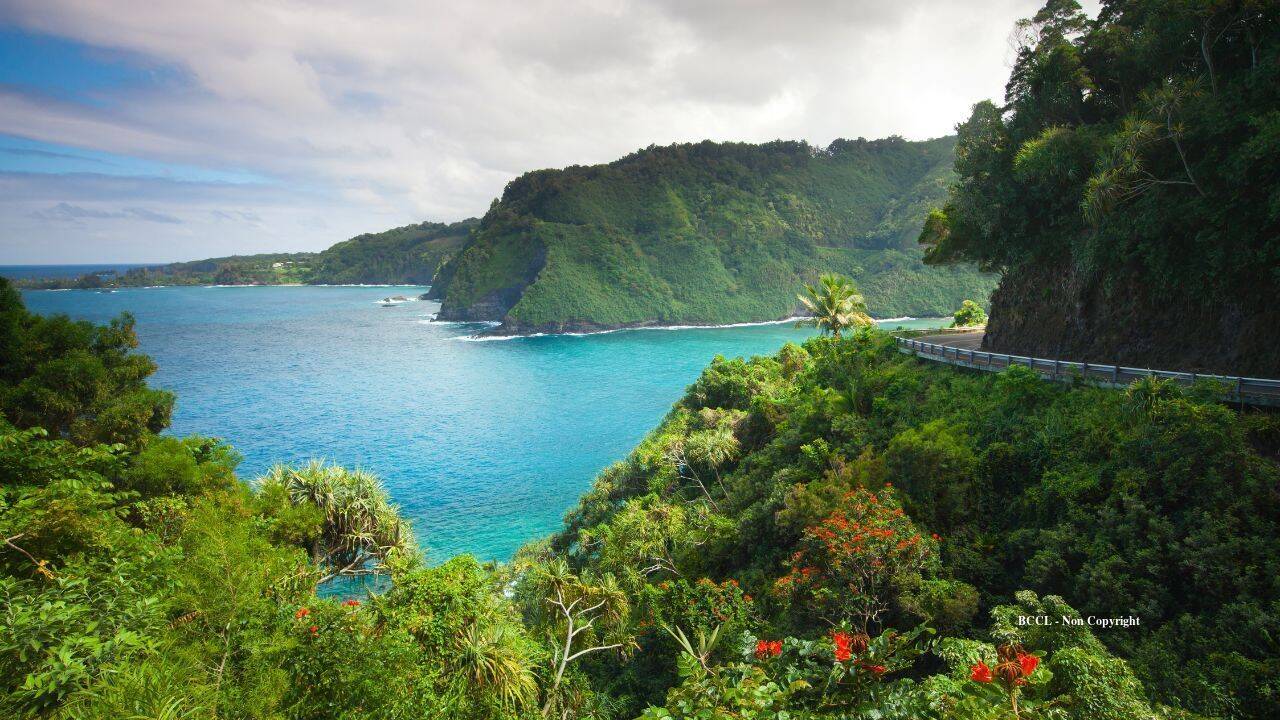
In 1902, red mangroves were introduced to Hawaii to stabilize shorelines and prevent erosion, but over a century later, they are now crowding out native plants and affecting habitats used by endangered Hawaiian waterbirds. The trees have spread across wetlands and estuaries, forming dense thickets that block waterways and alter water flow. According to the USGS and the Hawaii Department of Land and Natural Resources, the introduction of red mangroves is a cautionary tale about the unintended consequences of introducing non-native species. The article notes that Hawaii's coastal wetlands have been altered by the spread of the mangroves, which has had significant ecological impacts on native habitats and ecosystems.
Written by AI on 2026-09-11, from this article's own text only (the story summary below draws on all the coverage).

AI analysis

Story summary

In 1902, red mangroves were introduced to Hawaii with the intention of preventing erosion and stabilizing shorelines. However, over a century later, these trees have spread rapidly across the state's coastal wetlands, forming dense thickets that are now threatening native waterbirds and altering water flow. The invasive mangroves are crowding out native plants and blocking waterways used by endangered species such as the aeʻo and ʻalae keʻokeʻo, which rely on these habitats to survive. The USGS and Hawaii Department of Land and Natural Resources have warned that this situation serves as a reminder that introduced species can initially appear beneficial but ultimately cause long-lasting ecological problems.

Written for “Hawaii Red Mangrove Invasion” on 2026-11-02, grounded in this article and the 0 other(s) covering the same event.

Story

📰 Hawaii Red Mangrove Invasion
Environment · 1 article(s) covering the same event.

Compared with similar articles

Nothing to compare against. No article is close enough to this one for the pipeline to have linked or judged the pair.
How this article was measured signals, leaning charts, publisher record, byline, topics and claims

Signals How these are calculated →

Claims extracted
89
sentences that state something as happening or true
Uncertain
18%
16 of 89 hedged ("reportedly", "may", "according to")
Leaning
Leans left
of the writing, not the subject · beta estimate
Publisher signals
59/100
Times of India's corrections and hedging, across everything collected from it. Not a measure of accuracy.
Outlets on this story
1
Environment
Same framing elsewhere
1
articles that frame the event the way this one does
Analyzed 2026-09-11 · how these are computed

How this is being covered How these are calculated →

Article leaning vs. publisher reliability
Source leaning vs. consistency

Publisher

Times of India · 3892 article(s) · 2 correction(s) detected
Running correction rate · 2 correction(s)

Who wrote this

TOI Science Desk
302 article(s) here · 1 carrying a prediction
🔮 The mathematicians at the University of California, Davis, argue that the answer may already lie within Einstein’s own equations and that an invisible form of energy may not be needed at all.
🔮 The work will be carried out by the West Tennessee River Basin Authority, which is preparing a plan to restore the river and the land around it.
🔮 Cornell University scientists have developed genetically engineered tomato plants that turn red-purple when nitrogen becomes scarce, giving farmers a visible warning that crops may need fertiliser.
🔮 By studying these crystals and other mineral grains, scientists could establish the meteorite's age and identify later changes caused by water.
🔮 Centuries later, bronze objects found in Scandinavia would preserve chemical signatures consistent with the metals produced at this Spanish site, offering evidence of connections that may have crossed much of Europe.
🔮 Deposited impurities and staining may also have contributed, while low temperatures and humidity could cause the fabric to crack.
🔮 Two male king cobras meeting during the breeding season may engage in a prolonged contest, using their bodies to wrestle for control rather than relying on the venomous strikes associated with these snakes.
🔮 She explored whether an inexpensive device could capture airborne genetic material and support the detection of bacterial pathogens.
🔮 This control may help it maintain its orientation and move along a narrow path without losing its bearings.
🔮 The university says the sculpture will subsequently go on permanent display at its Turner Museum of Glass.
Wire or desk byline, not an individual reporter.
Also by TOI Science Desk
Nothing else under this byline is closely related to this article, so these are simply their most recent.
All 302 articles by TOI Science Desk →

Topics

Hawaii Hawaiian USGS elsewhereHawaii the Hawaii Department of Land and Natural Resources

Subjects

Hawaii GPE · 3× Hawaiian NORP · 3× USGS ORG · 1× elsewhereHawaii GPE · 1× the Hawaii Department of Land and Natural Resources ORG · 1×

Narrative

As explained by the Hawaii Department of Land and Natural Resources and research supported by the USGS, the story is a reminder that an introduced species can appear beneficial at first while creating ecological problems that last for generations.
framing: assertive · carried by 1 article(s) · first seen 2026-09-11
🔮 Their tangled roots could hold soil in place, reduce erosion and stabilise shorelines around vulnerable coastal areas.

Claims (89 extracted, 16 hedged)

In 1902, red mangroves were brought to Hawaii with an apparently practical purpose. asserted
mangroves → bring → purpose
Their tangled roots could hold soil in place, reduce erosion and stabilise shorelines around vulnerable coastal areas. uncertain
roots → hold → areas
At the time, the trees seemed like a useful solution for an island environment shaped by waves, storms and shifting sediment. asserted
trees → seem → waves
More than a century later, that decision has produced a very different legacy. asserted
decision → produce → legacy
Red mangroves have spread across wetlands and estuaries, forming dense thickets that block waterways, alter water flow and crowd out native plants. asserted
that → spread → plants
They are now affecting habitats used by endangered Hawaiian waterbirds, including the aeʻo and ʻalae keʻokeʻo. asserted
They → affect → aeʻo
As explained by the Hawaii Department of Land and Natural Resources and research supported by the USGS, the story is a reminder that an introduced species can appear beneficial at first while creating ecological problems that last for generations. asserted
that → explain → generations
A solution imported from elsewhereHawaii’s coastal wetlands have always been dynamic places. asserted
wetlands → import → ?
Freshwater streams meet the ocean, tides move through mudflats and lagoons, and native plants have adapted to changing salinity and water levels. asserted
plants → meet → levels
These wetlands also provide feeding and nesting habitat for species found nowhere else on Earth. asserted
wetlands → provide → Earth
When red mangroves were introduced in 1902, they were viewed through a practical lens. asserted
they → introduce → lens
They had dense root systems that could trap sediment and decrease erosion along the shoreline. uncertain
that → have → shoreline
On islands where land and infrastructure are concentrated along the coast, stabilising shorelines seemed like an obvious benefit. asserted
stabilising → concentrate → benefit
The trees were planted in areas where people wanted to hold soil in place and perhaps create more predictable coastal edges. asserted
people → plant → edges
The decision reflected a common approach to environmental management at the time. asserted
decision → reflect → time
Species were often moved from one region to another because they were useful for forestry, agriculture, erosion control or landscaping. asserted
they → move → forestry
There was little thought about whether the introduced plants would escape from the sites where they were intended to grow, or how they would interact with native ecosystems that had evolved without them. asserted
that → be → them
Their propagules, which are elongated seed structures that can float, can travel through tidal channels and establish in suitable mud. asserted
that → float → mud
Once rooted, the trees produce more propagules, allowing colonies to expand along shorelines, into estuaries and across wetland margins. asserted
colonies → root → margins
Hawaii’s warm climate and sheltered coastal areas provided favourable conditions for the species. asserted
climate → provide → species
Over time the mangroves expanded far from where they were planted. asserted
they → expand → time
Their roots formed dense networks in shallow water and their branches formed dense canopies above the wetland floor. asserted
branches → form → floor
These characteristics make mangroves successful in many parts of the world but in Hawaii, they may interfere with habitats that evolved without native mangrove forests. uncertain
that → make → forests
The trees alter the physical structure of wetlands, changing where water moves and where sediment settles. asserted
sediment → alter → wetlands
They can also transform open mudflats and shallow channels into closed, shaded thickets. asserted
They → transform → thickets
The same qualities that made red mangroves attractive for erosion control became the source of their ecological impact. asserted
mangroves → make → impact
Their roots trap sediment, but too much sediment can fill waterways. asserted
sediment → trap → waterways
Their shade protects the soil beneath them, but also reduces sunlight available to native wetland plants. asserted
shade → protect → plants
Their dense growth creates cover, but may remove the open spaces required by native birds. uncertain
growth → create → birds
native waterbirdsHawaii’s endangered waterbirds depend on a delicate mix of wetland conditions. asserted
waterbirds → depend → conditions
Species such as the aeʻo, or Hawaiian stilt, and the ʻalae keʻokeʻo, or Hawaiian coot, need shallow water, mudflats and open vegetation for feeding, nesting and raising young. asserted
Species → need → young
These birds forage in areas where they can see prey and move through the water easily. asserted
they → forage → water
As red mangroves expand, they reduce the availability of these open habitats. asserted
they → expand → habitats
Thick roots can limit bird movement within shallow channels. asserted
roots → limit → channels
Dense plants can block their view and access to feeding grounds. asserted
plants → block → grounds
Shifts in water depth and flow can also impact the invertebrates and small aquatic creatures that birds depend on for food. asserted
birds → impact → food
Wetlands are connected systems, and changes in one part of a wetland can impact conditions elsewhere. asserted
changes → connect → conditions
When mangrove roots trap sediment, they can gradually increase the wetland floor, change drainage patterns, and alter how tidal water enters and leaves. asserted
water → trap → patterns
This can reduce the variety of habitats available to birds and other wildlife. asserted
This → reduce → birds
For species already under pressure from habitat loss, predators, disease and human disturbance, the spread of an invasive tree adds another burden. asserted
spread → add → burden
…and 49 more, not listed.

💬Give feedback
🕘History 🎫Support