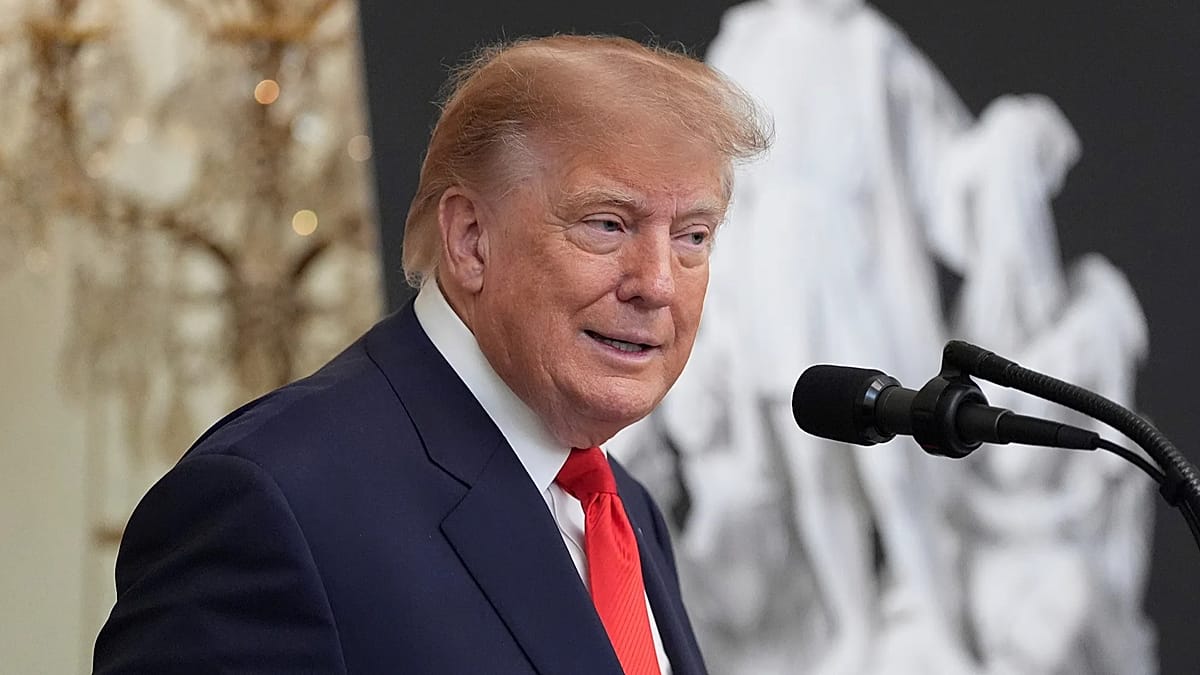
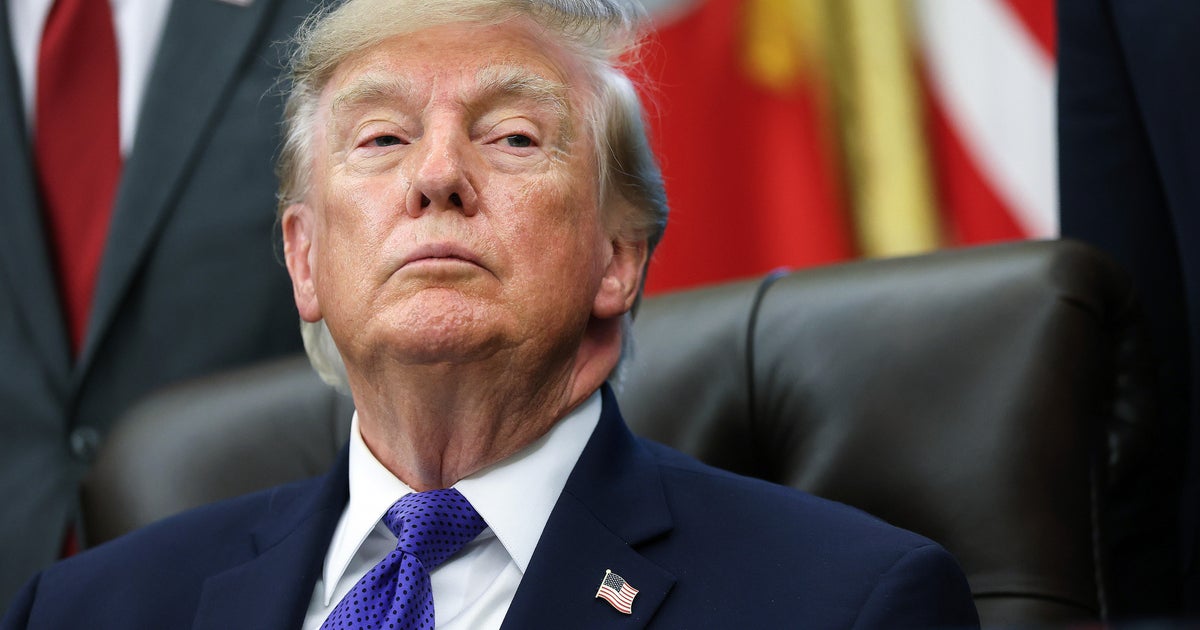
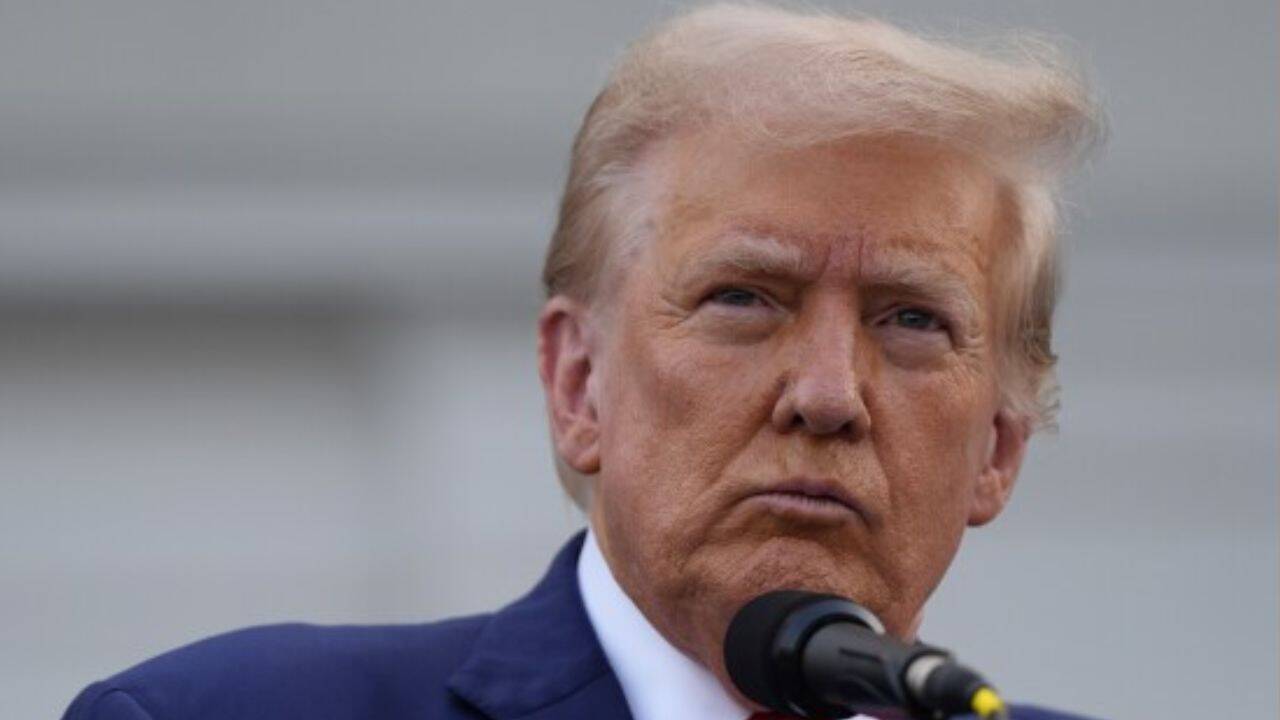
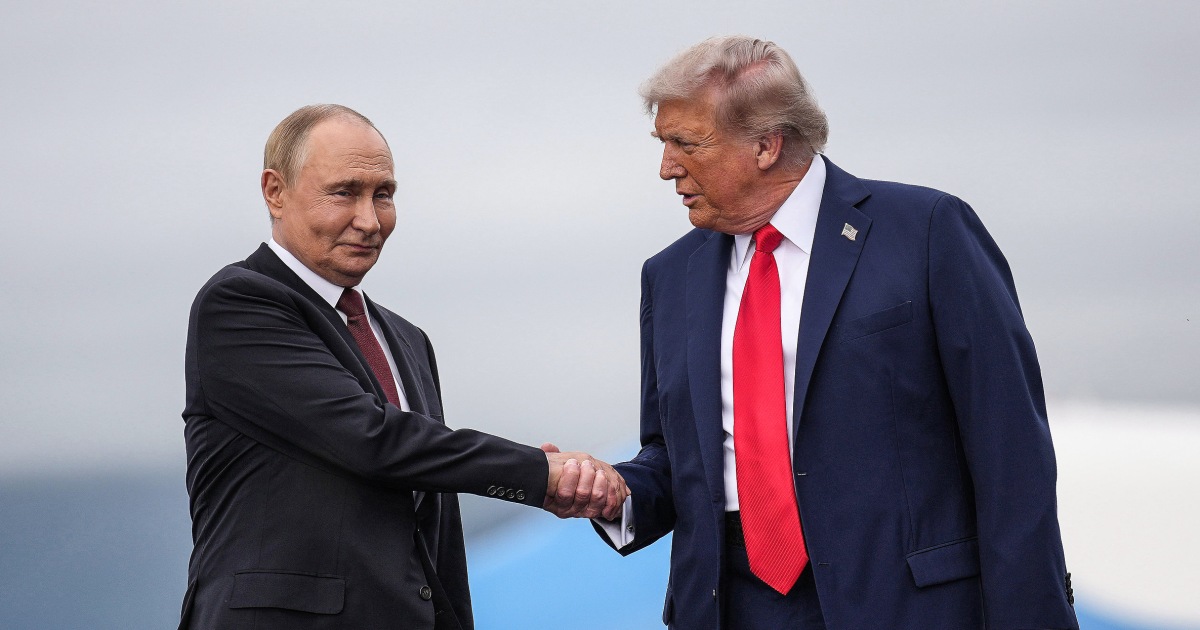
Facing criticism over the diesel deal with Russia, U.S. President Donald Trump said the fuel from Moscow’s refineries was meant to stabilise the global market, which has been hit by high prices.
asserted
which → face → prices
On October 9, Mr. Trump announced that Russia would supply more than 300,000 tons of diesel, followed by an additional 500,000 tons in November and 1 million tons “immediately thereafter.”
asserted
Russia → announce → November
To facilitate the shipments, the U.S. Treasury Department issued a temporary licence easing sanctions on Russian diesel shipments to global markets until April 7, 2027.
asserted
Department → facilitate → April
Also Read | U.S. Senators question legality of Trump’s decision to allow Russian oil imports
The move came ahead of the November congressional midterms in the US, as diesel prices surged amid supply disruptions caused by the Iran war.
asserted
prices → read → war
That's being released into the world.
asserted
That → release → world
That's not being released to us,” Mr. Trump told reporters here on Tuesday, amid a growing chorus against the surprise deal he announced last week after talks with Russian President Vladimir Putin.
asserted
he → release → Putin
Republicans and Democrats hit out at the deal, which Trump announced three weeks after the US Congress authorised him to impose sweeping sanctions on Russia and slapped tariffs on its key trading partners, including China and India.
asserted
Congress → hit → China
“That's a diesel deal that's going to be released into the world for the world market, because the world market suffered with high prices.
asserted
market → go → prices
And when you knock out diesel refineries, that’s not a great thing.
asserted
that → knock → refineries
But they are not releasing it to us.
asserted
they → release → us
They are releasing it to the entire world,” Mr. Trump said.
asserted
Trump → release → world
On Tuesday, a bipartisan group of U.S. senators wrote to Trump, terming the Russia deal a “gift to our adversary and a betrayal of our allies”.
asserted
group → write → allies
“The deal you struck with President Vladimir Putin on October 9 will not achieve just ends, nor will it benefit Americans,” the senators said.
asserted
senators → strike → Americans
The letter was signed by Democrats Richard Blumenthal, Chris Coons, Dick Durbin, Jack Reed, Jeanne Shaheen and Sheldon Whitehouse and Republicans Alan Armstrong, Susan Collins, John Cornyn, Mitch McConnell, Lisa Murkowski and Thom Tillis.
asserted
letter → sign → Blumenthal
"This deal is a gift to our adversary and a betrayal of our allies; it should be rescinded," the letter said.
asserted
letter → rescind → allies
Senators said they recognised the need to lower energy costs for Americans, but asserted that allowing Russian diesel into global markets will offer limited to no relief to Americans.
asserted
allowing → say → Americans
The deal “only provides Putin with more fuel to finance his war machine and enables Russia to continue its brutal attacks on Ukrainian civilians,” they said.
asserted
they → provide → civilians
“It will have a negligible impact on fuel prices, but the revenues the Kremlin will receive from this agreement will undoubtedly finance its desired war of attrition and advance its security cooperation with China, Iran, and North Korea,” the senators said.
asserted
senators → receive → China
Last month, Congress passed the Lindsey O. Graham Sanctioning Russia and Iran Act of 2026, which Mr. Trump swiftly signed into law.
asserted
Trump → pass → law
“Both chambers passed the legislation with resounding, bipartisan votes, clearly demonstrating our intent and granting you the authorities to broker a just and fair peace,” the senators said.
asserted
senators → pass → peace
They said these authorities require the president to apply economic pressure on Russia and the chief enablers of its war, particularly China, thereby enhancing the US negotiating position to bring a swift end to this ruinous conflict.
asserted
authorities → say → conflict
 The Aporia