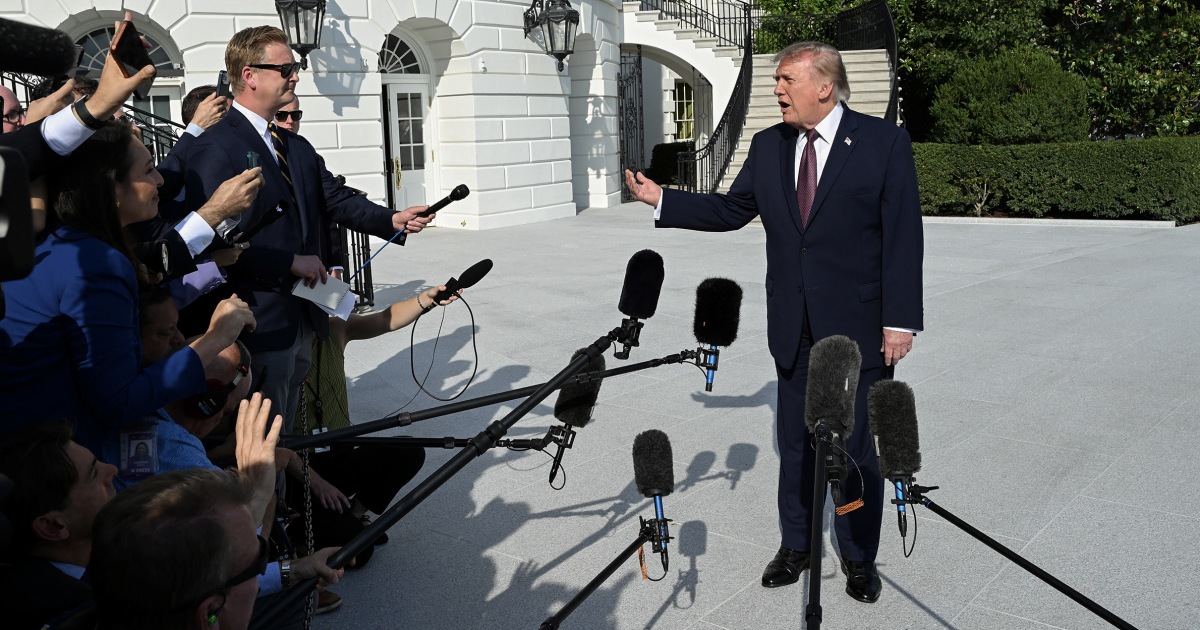
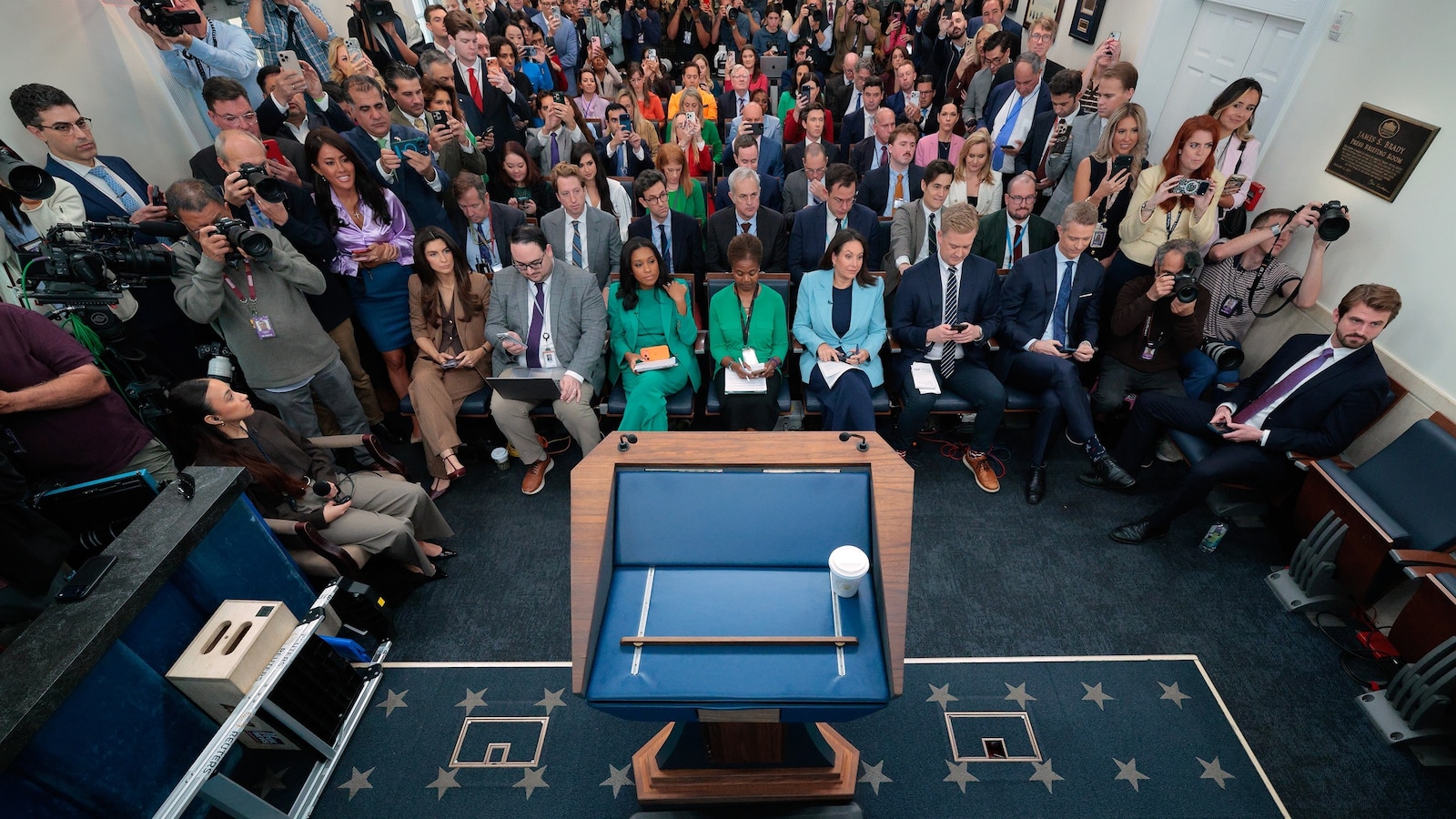
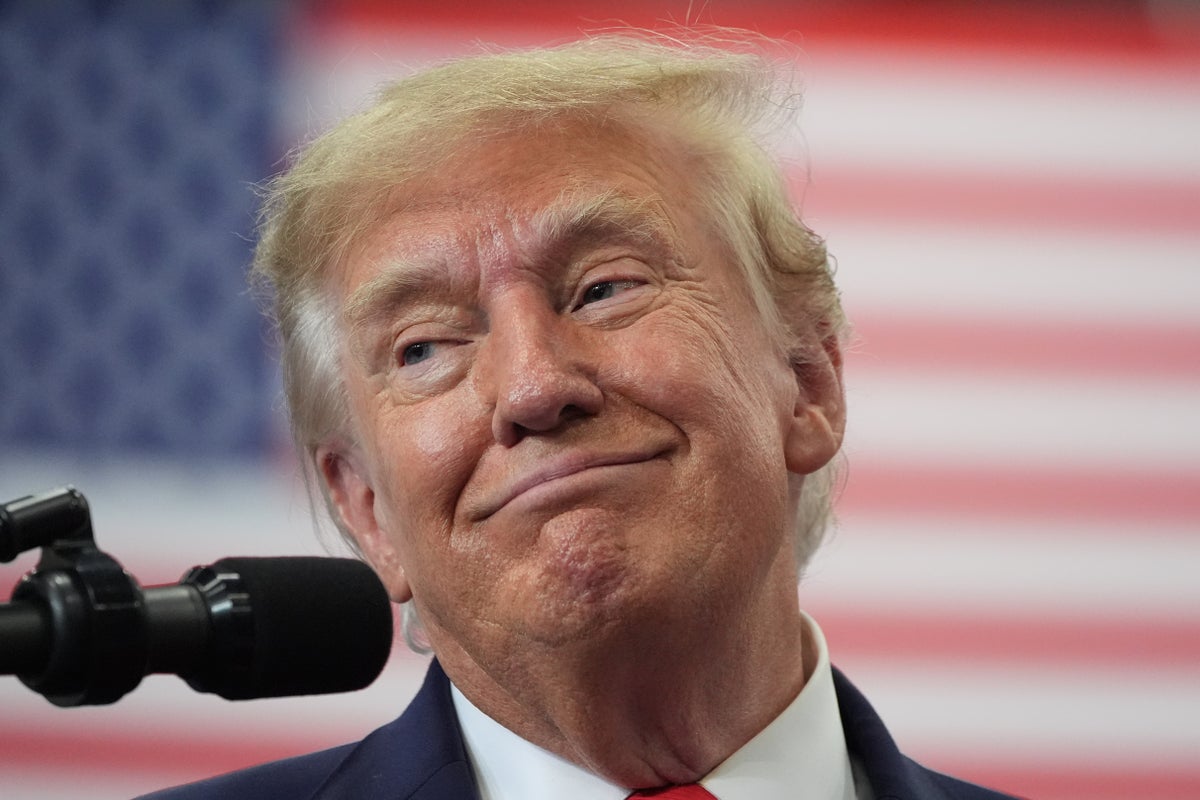
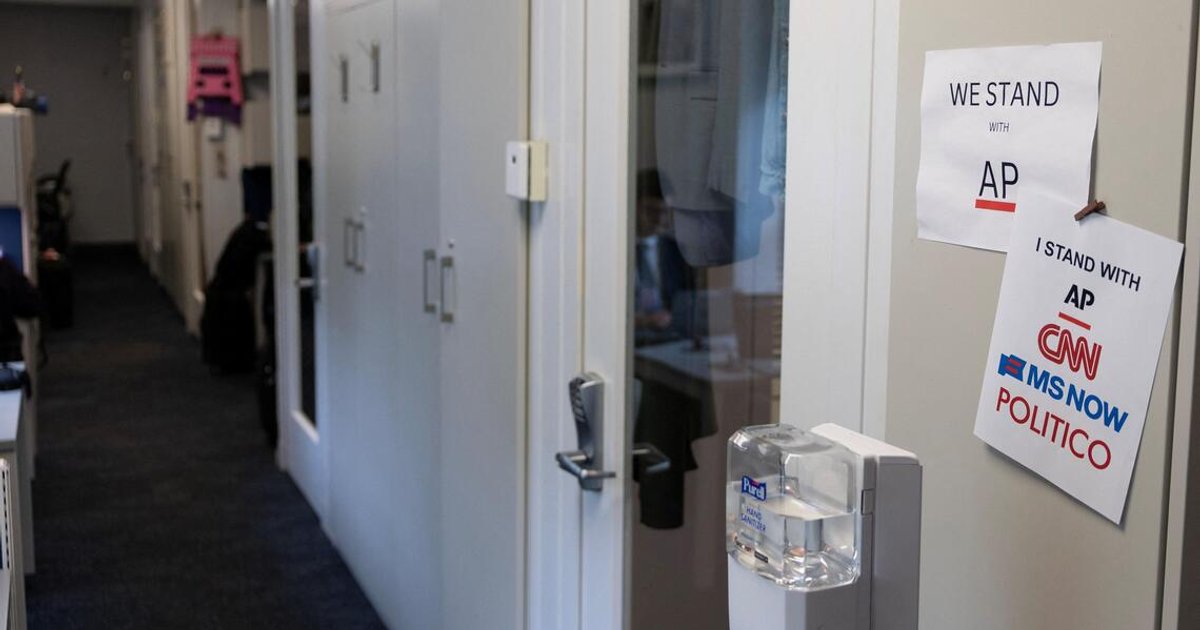
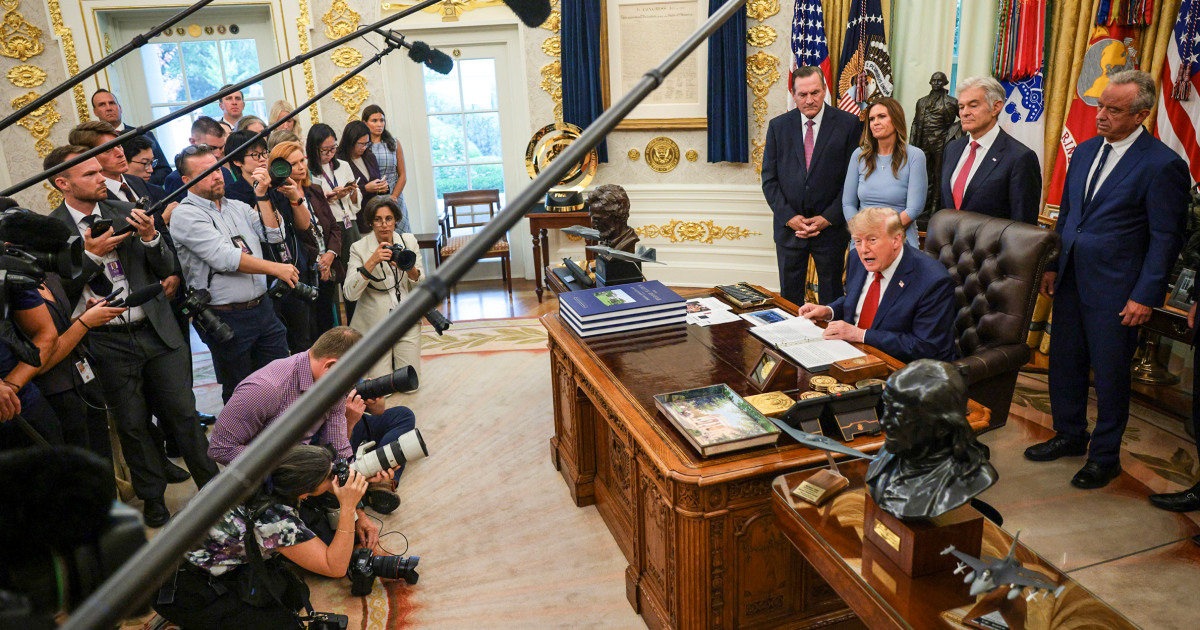
On September 18, 2026, President Trump posted on social media that he was "proud to announce that, effective immediately," he was "banning" CNN, MS NOW, and POLITICO "from the White House."
asserted
he → post → House
And sure enough, when reporters from those news organizations who hold "hard passes" allowing them to work there showed up the next day, they were denied entry.
asserted
they → hold → entry
So Plaintiffs—these three news outlets and three individual hard pass holders who work for them—promptly sued the President and several Executive Branch officials, alleging that Defendants were violating their rights under the Fifth and First Amendments.
asserted
Defendants → work → Amendments
They also moved for a temporary restraining order restoring their hard passes, which the Court granted.
asserted
Court → move → which
The Court found, under Sherrill v. Knight, 569 F.2d 124, 130–31 (D.C. Cir. 1977) and subsequent precedent, that Plaintiffs were likely to succeed on their claims that their hard passes were revoked without due process required under the Fifth Amendment, were likely to suffer irreparable harm without interim relief, and that the balance of the equities and the public interest tilted in their favor.
uncertain
balance → find → favor
The Court will grant that motion as well, finding that Plaintiffs are likely to succeed not only on their due process claim, but also on their two First Amendment claims.
uncertain
Plaintiffs → grant → claims
Still, no one should interpret the Court's decision to suggest that President Trump's concerns about accuracy and fairness in the media's reporting are unfounded, or that the government is powerless when its true aim is to protect national security when classified information is unlawfully disclosed.
asserted
information → interpret → security
That said, for the reasons explained below, the Court will extend the relief it already ordered, which will continue to preserve the status quo while this case proceeds.
asserted
case → say → quo
Unlike the decision granting the temporary restraining order, which was based only on plaintiffs' Due Process Clause rights, this decision also rules in favor of plaintiffs on First Amendment grounds.
asserted
decision → grant → grounds
An excerpt from the court's conclusion that the Administration likely unconstitutionally retaliated against plaintiffs based on their speech:
asserted
Administration → retaliate → speech
"[T]he First Amendment prohibits government officials from subjecting individuals to retaliatory actions after the fact for having engaged in protected speech."
asserted
Amendment → prohibit → speech
The government "may not deny a benefit to a person on a basis that infringes his constitutionally protected interests—especially, his interest in freedom of speech."
uncertain
that → deny → speech
And even "ordinarily permissible exercise[s] of discretion may become a constitutional deprivation if performed in retaliation for the exercise of a First Amendment right."
uncertain
exercise[s → become → right
…
[I]t is likely that President Trump's revocation of Plaintiffs' hard passes is the sort of action that would deter a reasonable reporter or news organization from publishing stories to which he objects.
asserted
he → deter → which
The revocation of Plaintiffs' hard passes matters a lot as to how, whether, and to what extent they can do their jobs.
asserted
they → matter → jobs
As Plaintiffs attest, a hard pass is crucial to covering the White House because it allows reporters "immediate, unescorted access to the areas of the White House complex designated for the press."
asserted
it → attest → press
Without hard passes, Plaintiffs would miss the newsworthy events that often happen at the White House with "little or no notice."
asserted
that → miss → notice
the D.C. Circuit characterized the loss of a hard pass without adequate process as implicating a separate constitutional interest.
asserted
Circuit → characterize → interest
And if a one-month suspension from the White House grounds is "an eon in today's news business," then it is likely that the open-ended ban here would chill a reporter's work.
asserted
ban → chill → work
President Trump's own comments suggest that he intended the revocation of Plaintiffs' hard passes to alter their reporting on him, bolstering the case that his action here is sufficient to deter a reporter of ordinary firmness from reporting in the same way she had before.
asserted
she → suggest → way
After explaining that he excluded Plaintiffs from the White House because they "purposely write negative news … to try and diminish the Republicans and a Republican administration," President Trump remarked that he is prepared to take "the ban … as far as you can," but that he would "love it" if they "could straighten themselves out."
uncertain
they → explain → themselves
Defendants also rely on an out-of-circuit case to argue that President Trump's decision to revoke Plaintiffs' hard passes and ban them from the White House grounds is insufficiently chilling to meet the second element of retaliation.
asserted
decision → rely → retaliation
In Baltimore Sun Co. v. Ehrlich (4th Cir. 2006), Maryland's governor prohibited anyone in that state's executive branch from speaking to a reporter and a columnist at a specific newspaper because his press office felt "that currently both are failing to objectively report on any issue dealing with [his] Administration."
asserted
both → prohibit → Administration
The Fourth Circuit found the directive at issue—which "select[ed] among reporters when granting interviews or providing access to nonpublic information"—"a pervasive feature of journalism" and "so commonplace" that to allow a retaliation claim to proceed would "plant the seed of a constitutional case in virtually every interchange."
uncertain
claim → find → interchange
When President Trump first declared that he was "banning" Plaintiffs from the White House, he said he was doing so "as a result of their constant 'reporting' of 'FAKE NEWS.'"
asserted
he → declare → NEWS
He wrote that Plaintiffs "shouldn't be able to constantly write or report FICTION and LIES when they're covering the President of the United States, the Trump Administration, or the United States of America."
asserted
they → write → America
The next day, when asked about whether there was any "particular reason" for the ban, he responded: "No … it's really just cumulative stories over the last two years….
asserted
it → ask → years
[T]hey purposely write negative news.
asserted
T]hey → write → news
And they do that because they want to try and diminish the Republicans and a Republican administration.
asserted
they → do → Republicans
And honestly, we've done a fantastic job.
asserted
we → do → job
We have more money coming into our country today than ever before."
asserted
We → have → country
His posts on September 21 also focused on "Fake News," and how Plaintiffs had "trivialize[d]" and "demean[ed]" his accomplishments, including that he had won re-election in a "LANDSLIDE."
asserted
he → focus → LANDSLIDE
His subsequent comments about the ban, including his interview with Time Magazine, again focused on his view that Plaintiffs had failed to give him proper credit for his achievements, including winning re-election in 2024.
asserted
Plaintiffs → include → 2024
"If I do the finest thing, if I found the cure to cancer, they would say, 'Why didn't he move quicker?" …
asserted
he → do → cancer
Defendants respond by arguing that, notwithstanding President Trump's other grievances with them, Plaintiffs have failed to show causation because President Trump or some other official "would have reached the same decision … even in the absence of the protected conduct."
asserted
Trump → respond → conduct
Defendants argue that their "alternative ground" for revoking Plaintiffs hard passes is Plaintiffs' failure to "maintain minimum professional journalistic standards by publishing classified and national security information."
asserted
ground → argue → information
…
[But f]irst, there is no evidence in the record that President Trump made the decision to revoke Plaintiffs' hard passes on national security grounds from the get-go, nor at any time has he directly stated that national security was the reason for his decision.
asserted
security → be → decision
When he announced the ban with his post on September 18, he did not mention national security.
asserted
he → announce → security
When he was asked later that day about the "particular reason" for his action, he did not mention national security.
asserted
he → ask → security
And while it is true, days later, that he used the phrase "national security" in subsequent social media posts about the ban, that expression appears to have been simply another way for him to describe Plaintiffs' alleged inaccuracies and unfairness in their reporting about topics like his achievements or electoral success.
asserted
him → use → achievements
…and 28 more, not listed.
 The Aporia