Photo via Times of India

6-year-old Nebraska boy finds rare fossil unseen in state for over 55 years

Read the original at Times of India ↗
Cite

TOI World Desk. (2026, October 16). 6-year-old Nebraska boy finds rare fossil unseen in state for over 55 years. Times of India. https://timesofindia.indiatimes.com/world/us/a-6-year-old-nebraska-boy-found-a-rare-200-million-year-old-marine-fossil-that-had-not-been-recorded-in-the-state-for-more-than-55-years/articleshow/134985532.cms

Dated from the outlet's own feed. Check the original for its byline.

Times of India · collected 2026-10-16 · by TOI World Desk

Quick Summary

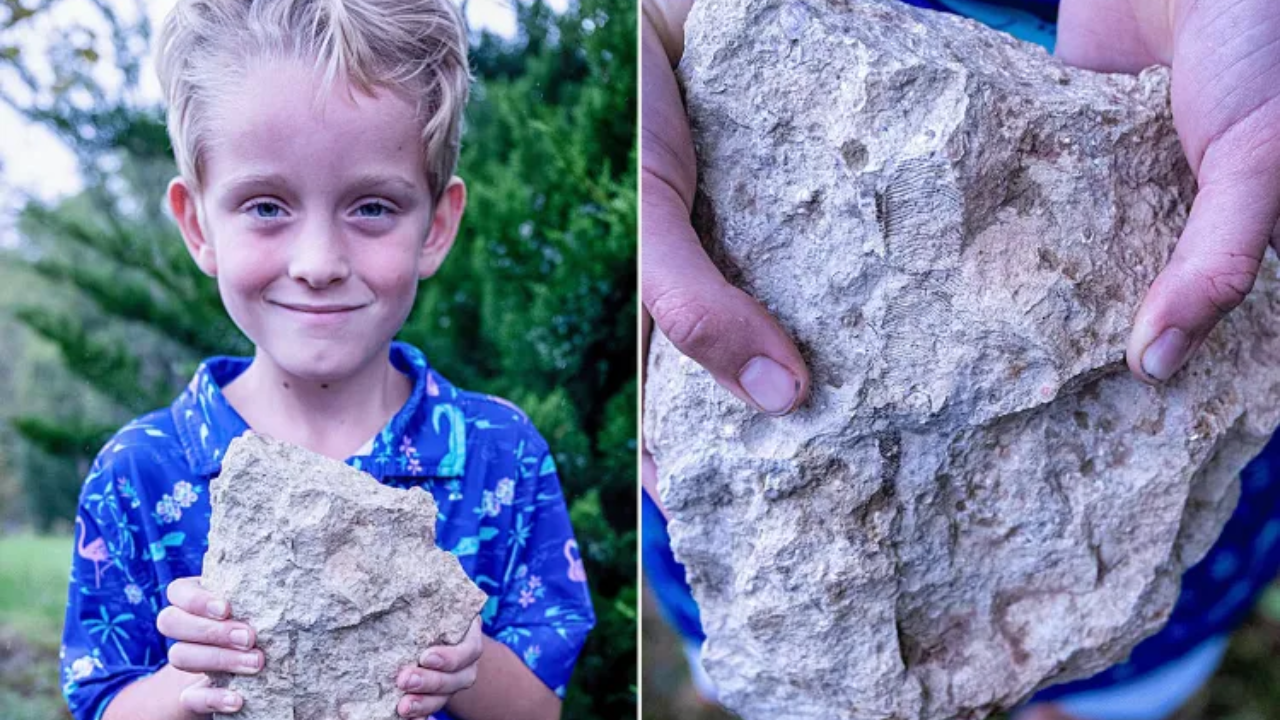
Leo Youngdahl, a six-year-old boy from Eagle, Nebraska, discovered an extremely rare conulariid fossil at Schramm Park State Recreation Area near Gretna. This fossil has not been documented in the state for over 55 years. Conulariids are ancient marine animals that lived between 200 million and 500 million years ago, known for their jellyfish-like body shape resembling an upside-down pyramid. The specimen was identified by experts including Shane Tucker from the University of Nebraska State Museum and geologist Bob Diffendal based on its distinctive herringbone pattern. Staff at Schramm Park plan to use the fossil in educational programs to inform visitors about these rare ancient fossils.
Written by AI on 2026-10-16, from this article's own text only (the story summary below draws on all the coverage).

AI analysis

Story summary

A six-year-old boy named Leo Youngdahl from Eagle, Nebraska, discovered a rare conulariid fossil at Schramm Park State Recreation Area near Gretna. This type of fossil has not been found in the state for over 55 years. Conulariids are ancient marine animals that lived approximately 200 million to 500 million years ago and their fossils are extremely rare due to the creatures' soft bodies and thin skeletons, which typically decompose before preservation. Leo was participating in a Rafting and Rocks event when he turned over a large rock and noticed an unusual pattern resembling snake scales on its underside. Kelly Ekue, an outdoor education specialist, recognized the significance of Leo's find immediately. The fossil will remain at Schramm Park for educational purposes.

Written for “Rare Fossil Found By Boy” on 2026-11-05, grounded in this article and the 0 other(s) covering the same event.

Story

📰 Rare Fossil Found By Boy
Science · 1 article(s) covering the same event.

Compared with similar articles

Nothing to compare against. No article is close enough to this one for the pipeline to have linked or judged the pair.
How this article was measured signals, leaning charts, publisher record, byline, topics and claims

Signals How these are calculated →

Claims extracted
28
sentences that state something as happening or true
Uncertain
11%
3 of 28 hedged ("reportedly", "may", "according to")
Leaning
not political
takes no side on a contested political question
Publisher signals
59/100
Times of India's corrections and hedging, across everything collected from it. Not a measure of accuracy.
Outlets on this story
1
Science
Same framing elsewhere
1
articles that frame the event the way this one does
Analyzed 2026-10-16 · how these are computed

How this is being covered How these are calculated →

Article leaning vs. publisher reliability
Source leaning vs. consistency

Publisher

Times of India · 4182 article(s) · 4 correction(s) detected
Running correction rate · 4 correction(s)

Who wrote this

TOI World Desk
1416 article(s) here · 1 carrying a prediction
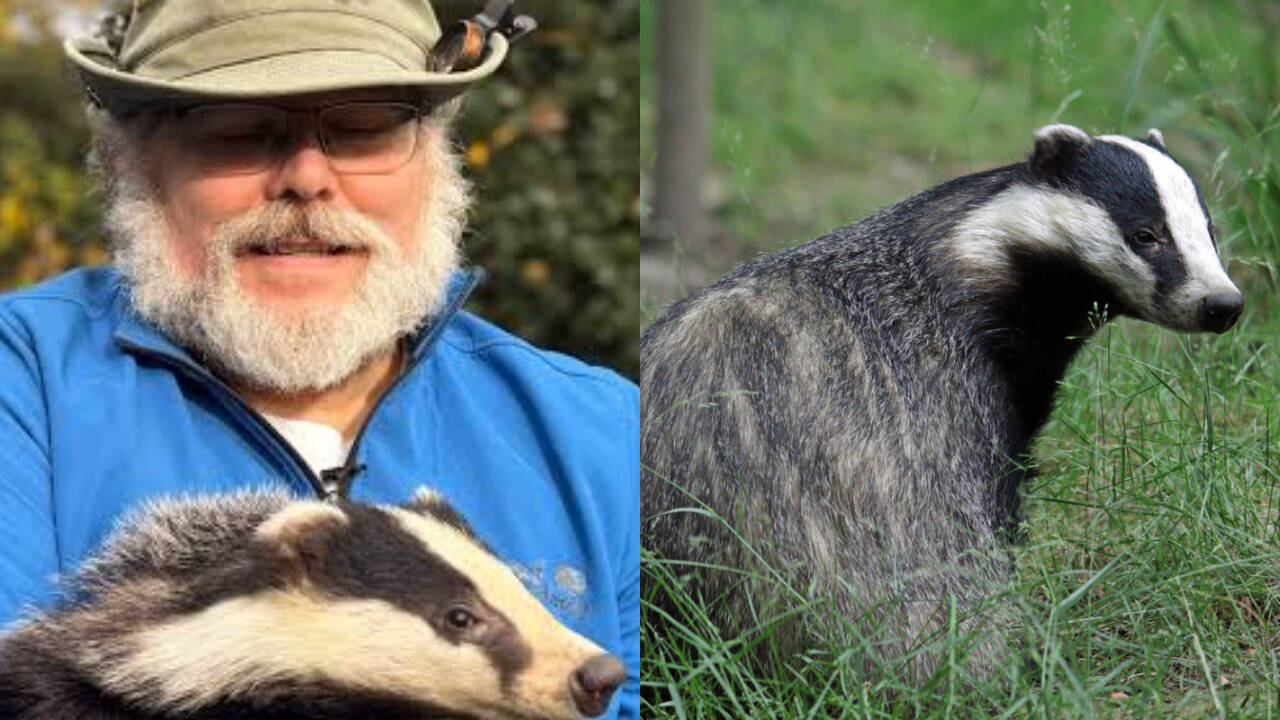
🔮 When Scottish ecologist Graeme Wilson rescued a starving badger cub from a cattle trough, he expected to nurse her back to health.
🔮 Despite the age difference, she described him as someone who loved life and could keep up with his younger friends.
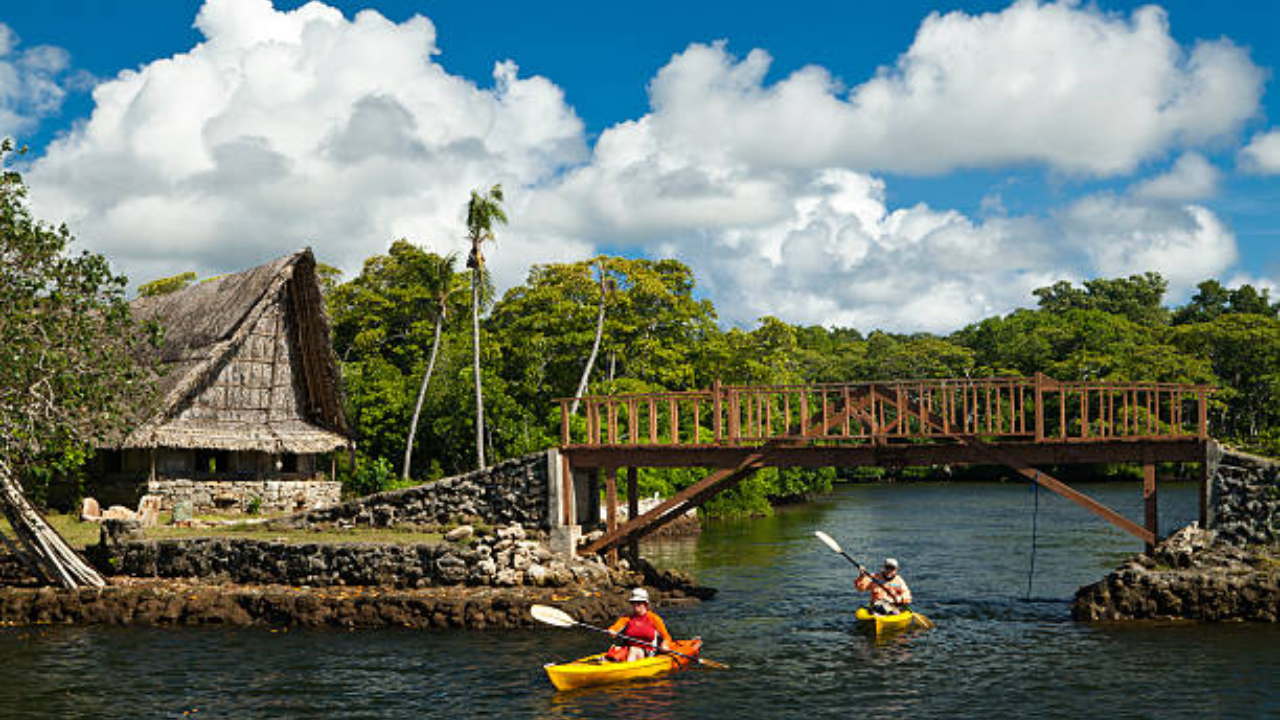
🔮 The group had set off on July 30 aboard a 20-foot skiff for what was expected to be a one-hour crossing between Murilo and Ruo, two islands in the Hall Islands of Micronesia's Chuuk state.
🔮 Three US states were set to carry out executions on Thursday, with Indiana preparing to execute a man convicted of killing two children in a house fire, while Florida and Alabama also scheduled lethal injections, the Associated Press reported.
🔮 Ellenbogen’s account of the watch and its acquisition was published in Magicol in May 1988, giving collectors a documented history of the object.
🔮 However, the latest inspection by The Washington Post suggests that the problems may not be entirely behind it.
🔮 The matter has not been settled, and the estate argues it could still change.
🔮 Racing owners sell horses for many practical reasons, from stable planning to bloodstock strategy, and few could have predicted that this particular three-year-old would become the central figure in a Melbourne Cup for the ages.
🔮 Speaking to Fox News on Tuesday, the POTUS claimed he had a 99 per cent approval rating in Israel and suggested he could pursue a political career there if his popularity in the United States declined.
🔮 The Brennan Center's 2026 survey also found that more than half of local election officials were concerned that threats, harassment and intimidation could make it harder to recruit and retain election workers.
Wire or desk byline, not an individual reporter.
Also by TOI World Desk
Nothing else under this byline is closely related to this article, so these are simply their most recent.
All 1416 articles by TOI World Desk →

Topics

Eagle Gretna Louisville Nebraska Outdoor Nebraska

Subjects

Leo PERSON · 7× Nebraska GPE · 4× Ekue PERSON · 3× Louisville ORG · 2× Outdoor Nebraska ORG · 2× Eagle ORG · 1× Gretna GPE · 1× Leo Youngdahl PERSON · 1× People ORG · 1× Weeping Water GPE · 1×

Narrative

PC: Nebraska Game and Parks Commission Why are conulariid fossils dating back 200 million to 500 million years so rare Conulariids lived in what is now Nebraska, as well as other parts of the world, between approximately 200 million and 500 million years ago.
framing: assertive · carried by 1 article(s) · first seen 2026-10-16
🔮 Their fossils are especially rare because the creatures had soft bodies and thin skeletons that typically broke apart before they could be preserved.
2026-10-16 · Times of India
6-year-old Nebraska boy finds rare fossil unseen in state for over 55 years · assertive framing

Claims (28 extracted, 3 hedged)

A six-year-old boy searching for fossils at a Nebraska park made a discovery not recorded in the state for more than 55 years. asserted
boy → search → years
Leo Youngdahl, who lives in Eagle, turned over a large rock at Schramm Park State Recreation Area near Gretna and found the imprint of a conulariid, an ancient marine animal with a jellyfish-like body shaped like an upside-down pyramid. asserted
who → live → pyramid
Conulariids lived in Nebraska between approximately 200 million and 500 million years ago. asserted
Conulariids → live → Nebraska
The only other known examples in the state were found in Louisville and Weeping Water. asserted
examples → know → Louisville
Staff plan to keep the fossil at Schramm for educational programmes. asserted
Staff → plan → programmes
How did a 6-year-old boy discover a rare marine fossil asserted
boy → discover → fossil
According to People, Leo was at a Rafting and Rocks event at Schramm Park State Recreation Area when he spotted a large rock and decided to turn it over. uncertain
he → accord → it
Outdoor Nebraska states that he hoped to find a crinoid fossil. asserted
he → state → fossil
Leo noticed an unusual pattern on the underside of the rock. asserted
Leo → notice → rock
It reminded him of the scales on a garter snake's belly. asserted
It → remind → belly
He showed it to Kelly Ekue, an outdoor education specialist at the nearby Schramm Education Centre, who immediately noticed something different about it. asserted
who → show → it
What did experts discover about the rare marine fossil Ekue has led programmes at the outcrop for over seven years, and there are six main types of fossils found there. asserted
Ekue → discover → fossils
She told Outdoor Nebraska that the fossil looked unlike any of the species she has seen. asserted
she → tell → species
The imprint was larger than the fossils typically found at the park. asserted
imprint → find → park
It also appeared almost fish-like, even though the rocks there contain fossils of marine invertebrates rather than fish. asserted
rocks → appear → fish
Ekue was unsure what Leo had uncovered, so she emailed a photograph to a geologist, who shared it with other experts. asserted
who → uncover → experts
People named two of them: Shane Tucker, a palaeontologist at the University of Nebraska State Museum, and the geologist Bob Diffendal. asserted
People → name → Museum
The experts identified the fossil as a conulariid, an ancient marine animal with a jellyfish-like body shaped like an upside-down pyramid. asserted
experts → identify → pyramid
PC: Nebraska Game and Parks Commission Why are conulariid fossils dating back 200 million to 500 million years so rare Conulariids lived in what is now Nebraska, as well as other parts of the world, between approximately 200 million and 500 million years ago. asserted
what → date → world
Their fossils are especially rare because the creatures had soft bodies and thin skeletons that typically broke apart before they could be preserved. uncertain
they → have → bodies
Researchers identified Leo's specimen by its distinctive herringbone-shaped pattern, which had left an imprint in the limestone. asserted
which → identify → limestone
According to Outdoor Nebraska, the only other known conulariid fossils found in the state were discovered more than 55 years ago in Louisville and Weeping Water. uncertain
fossils → accord → Louisville
How will the rare marine fossil help educate visitors The discovery was exciting for Leo for another reason. asserted
discovery → help → reason
He had never found a complete fossil before, especially one so large. asserted
He → find → fossil
He also recalled being told that his find was "rarer to find than a mammoth bone." asserted
find → recall → bone
Ekue said it was amazing that, among all the rocks in the Schramm outcrop, Leo picked up this one, recognised it as a fossil and thought to ask about it. asserted
Leo → say → it
Leo will not be taking the fossil home, and he does not mind. asserted
he → take → fossil
It will remain at Schramm, where staff plan to use it in educational programmes. asserted
staff → remain → programmes

💬Give feedback · no sign-in needed

No sign-in needed for now. Your note is sent without a name, so it cannot be answered.

🕘History 🎫Support