The Aporia
Simon, S. (2026, October 17). Perspective: Midterm money madness. NPR. https://www.npr.org/2026/10/17/nx-s1-5997474/perspective-midterm-money-madness
Simon, Scott. “Perspective: Midterm money madness.” NPR, 17 Oct. 2026, https://www.npr.org/2026/10/17/nx-s1-5997474/perspective-midterm-money-madness.
Simon, Scott. “Perspective: Midterm money madness.” NPR, October 17, 2026. https://www.npr.org/2026/10/17/nx-s1-5997474/perspective-midterm-money-madness.
Dated from the outlet's own feed. Check the original for its byline.
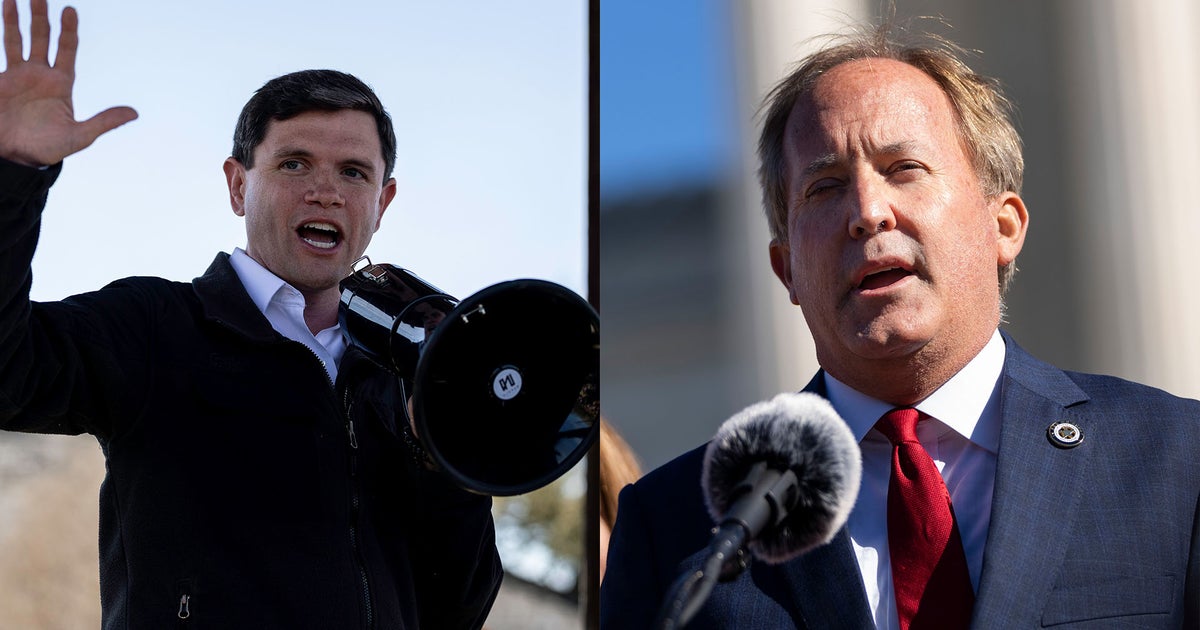
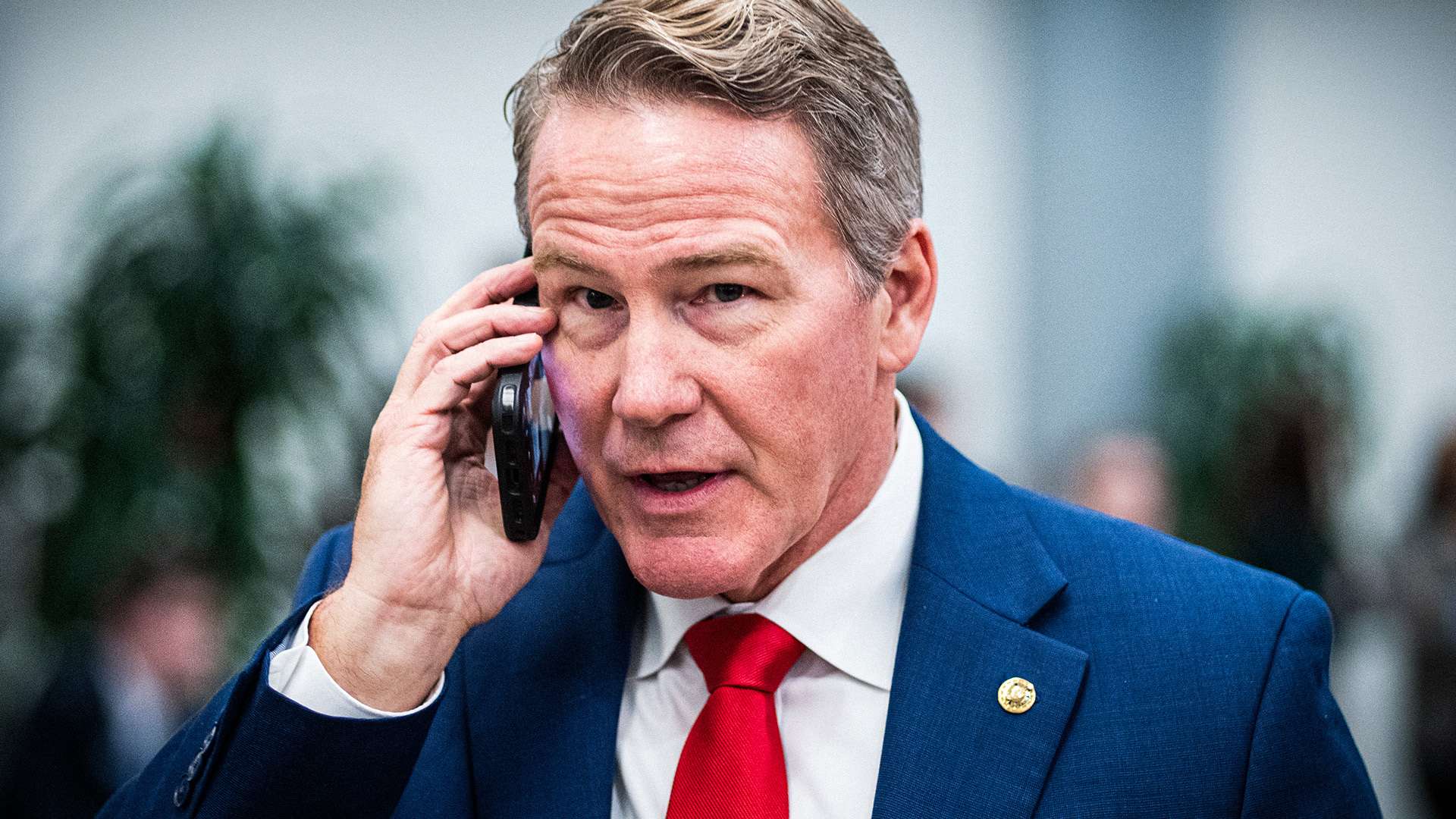
Campaign spending for the 2026 midterm elections surpassed $10 billion dollars as of mid-October, according to AdImpact. For instance, the Senate race in Ohio had already cost over $460 million, while Texas's Senate race exceeded half a billion dollars. Additionally, Michigan’s 7th congressional district race has seen nearly $60 million in advertising spending, making it the most expensive House race in the country.
The Supreme Court’s Citizens United decision in 2010 removed limits on donations to "super PACs," which can support or oppose candidates without direct coordination with campaigns. As a result, wealthy donors like Elon Musk and George Soros have directed significant funds into election spending; Musk alone contributed $276 million to Republican groups since July, while Soros donated over $100 million to Democrats.