Photo via TIME

Trump Wants Ukraine to Stop Striking Russian Refineries. What Would That Mean for the War?

Read the original at TIME ↗
Cite

Schneid, R. (2026, September 14). Trump Wants Ukraine to Stop Striking Russian Refineries. What Would That Mean for the War? TIME. https://time.com/article/2026/09/13/trump-wants-ukraine-to-stop-striking-russian-refineries-what-would-that-mean-for-the-war-/

Dated when The Aporia collected the article, usually within hours of publication. Check the original for its exact date and byline.

TIME · collected 2026-09-14 · by Rebecca Schneid

Quick Summary

President Donald Trump claimed on Monday that both Ukraine and Russia have agreed not to strike each other's energy infrastructure, as reported by Truth Social. However, as of midday Monday, neither country had confirmed this agreement. Ukrainian President Volodymyr Zelenskyy stated he would reciprocate if Russia promises to stop attacking Ukraine’s critical infrastructure but expressed skepticism about Russia adhering to any such deal. Trump initially called only on Ukraine to halt its attacks on Russian energy facilities and diesel fuel targets, arguing these strikes were causing a shortage. However, the current global diesel crisis is largely attributed to conflicts in the Middle East rather than actions between Russia and Ukraine.
Written by AI on 2026-09-14, from this article's own text only (the story summary below draws on all the coverage).

AI analysis

Story summary

In September 2023, despite US President Donald Trump's claim that Ukraine and Russia had agreed to stop targeting each other's energy infrastructure, both countries continued their attacks on such sites. President Volodymyr Zelenskyy of Ukraine stated his country would pause its strikes if the United States could ensure a genuine commitment from Moscow not to hit Ukrainian critical infrastructure. However, Zelenskyy expressed doubt about Russia’s willingness to adhere to any ceasefire agreements, citing previous violations. The conflict has caused significant damage to heating and power networks in Ukraine and disrupted both industry and daily life for civilians. Trump blamed rising global diesel prices on the Russia-Ukraine war rather than issues with Iran, aiming to address concerns ahead of upcoming US congressional elections.

Written for “Ukraine Russia Energy Truce Talks” on 2026-10-30, grounded in this article and the 14 other(s) covering the same event.

Story

📰 Ukraine Russia Energy Truce Talks
Politics · 15 article(s) covering the same event. Compare every outlet's account →

Compared with similar articles

This article reads unscored and hedges 14% of its claims. Each row says how that neighbour differs.
The Straits Times
Hedges 0 of 7 claims Outlet record 66/100
Al Jazeera
Hedges 6 of 38 claims Outlet record 60/100
Euronews
Hedges 1 of 22 claims Outlet record 60/100
The Straits Times
Hedges 1 of 20 claims Outlet record 66/100
National Post
Hedges 1 of 24 claims Outlet record 60/100
CBC News
Hedges 1 of 19 claims Outlet record 60/100
“The articles describe different events occurring at distinct times and involving different actions by Ukrainian officials and Russian strikes.”
ABC News (US)
Hedges 0 of 3 claims Outlet record 70/100
Deutsche Welle
Hedges 3 of 24 claims Outlet record 95/100
The Hindu
Hedges 2 of 15 claims Outlet record 60/100
“While both articles discuss President Trump's claims about Ukraine and Russia agreeing to stop striking energy targets, Article B clarifies that Zelenskyy denies having formally endorsed this agreement and expresses doubts about Russia's willingness to comply.”
The Straits Times
⚖️ Leans left Hedges 1 of 24 claims Outlet record 66/100
How this article was measured signals, leaning charts, publisher record, byline, topics and claims

Signals How these are calculated →

Claims extracted
90
sentences that state something as happening or true
Uncertain
14%
13 of 90 hedged ("reportedly", "may", "according to")
Leaning
withheld
no quote in the article backed the model's score
Publisher signals
59/100
TIME's corrections and hedging, across everything collected from it. Not a measure of accuracy.
Outlets on this story
15
Politics
Same framing elsewhere
1
articles that frame the event the way this one does
Analyzed 2026-09-14 · source text last changed 2026-09-14 · how these are computed

How this is being covered How these are calculated →

Article leaning vs. publisher reliability
Source leaning vs. consistency

Publisher

TIME · 770 article(s) · 2 correction(s) detected
Running correction rate · 2 correction(s)

Who wrote this

Rebecca Schneid
26 article(s) here · 1 carrying a prediction
🔮 It shifts the way that countries like Ukraine need to think about who they are willing to work with and how they weigh the potential costs.
🔮 William Diaz has a mantra: His only political party is his Venezuelan community.
🔮 Experts question whether it has the legal basis to do so—and if this intervention is a preview of how the Trump Administration might respond to unfavorable midterm results across the U.S. The DOJ, in its filing, expressed concern that there might be “voter confusion” stemming from the fact that two candidates on the ballot are named Dan Sullivan.
🔮 The legal battle over the Trump Administration’s plans to redevelop a golf course in Washington, D.C., escalated Monday after President Donald Trump said the Department of the Interior’s work would start “immediately”—despite a court order to temporarily halt tree removal.
🔮 The law, which was set to take effect Oct. 18, called for sanctions targeting Russian officials, financial institutions, and other entities, alongside tariffs of up to 100% on goods imported into the U.S. from major buyers of Russian crude oil or natural gas.
🔮 Why Trump’s wealth and the economy could matter in the midterms La Raja argues that the amount that constituents care about a politician’s enrichment or find it “unethical” often depends on how the country is doing overall.
🔮 Attendees wore purple ribbons and held signs that asked questions such as “Cornell, can you hear us now?” and “When will we start protecting survivors?”
🔮 “I began to understand that art could do more than inspire—it could preserve history and expand the way we see the world.”
🔮 President Donald Trump announced on Oct. 2 that 20.8 million eligible Medicare enrollees will receive a one-time $90 premium rebate from the government.
🔮 The Group of Seven (G7) countries said Friday that the nations would release 100 million barrels of oil and fuel products in the coming months, starting with “substantial” amounts of diesel.
Also by Rebecca Schneid
Nothing else under this byline is closely related to this article, so these are simply their most recent.
All 26 articles by Rebecca Schneid →

Topics

Russia Russian Truth Social U.S. Ukraine

Subjects

Russia GPE · 15× Ukraine GPE · 15× Trump PERSON · 8× Zelenskyy PERSON · 5× Russian NORP · 4× Ukrainian NORP · 3× Kyiv GPE · 2× Moscow GPE · 2× TIME ORG · 2× U.S. GPE · 2×

Narrative

The International Energy Agency has also identified the conflict in the Middle East as the principal source of the broader global supply shock, saying in June that global markets are dealing with “their largest supply disruption in history resulting from the near closure of the Strait of Hormuz.” The Strait of Hormuz, the vital passageway through which 20% of the world’s oil flowed prior to the war, was effectively closed by Iran after the U.S. and Israel coordinated attacks on the nation on Feb. 28.
framing: assertive · carried by 1 article(s) · first seen 2026-09-14
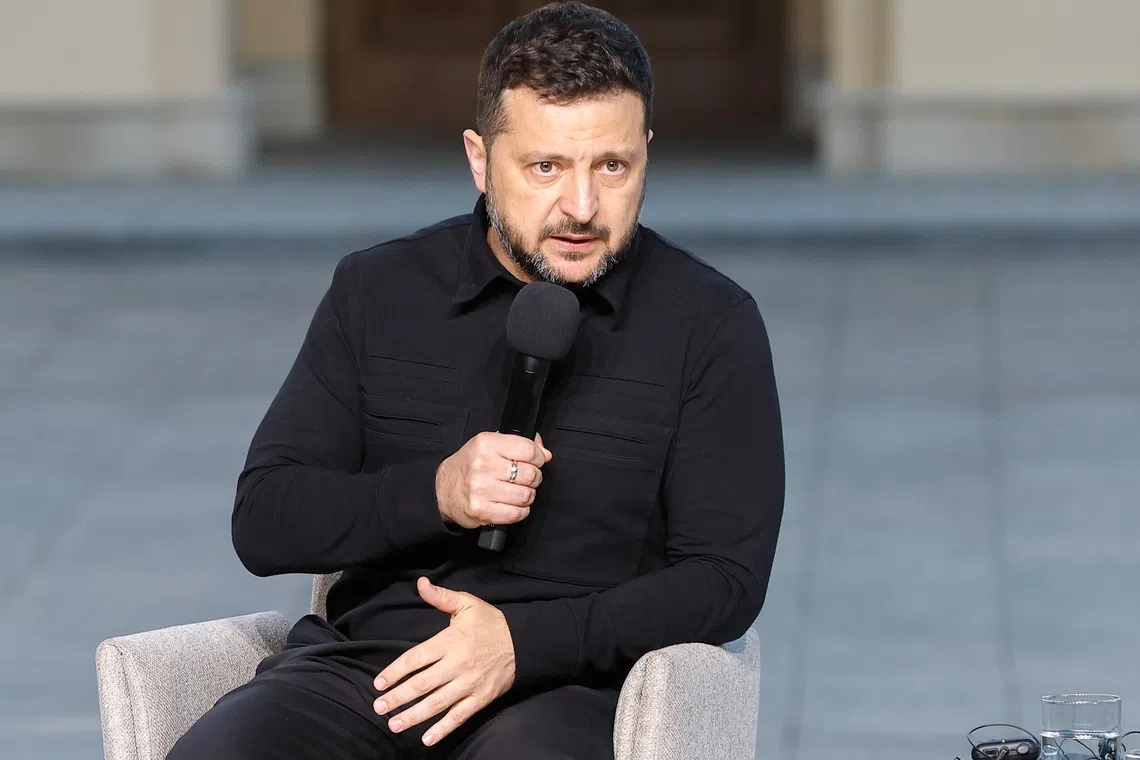
🔮 Ukrainian President Volodymyr Zelenskyy said that he was willing to reciprocate if Russia would agree to the de-escalation, as well.

Claims (90 extracted, 13 hedged)

President Donald Trump said Monday morning that Ukraine and Russia have both agreed not to strike targets that impact energy infrastructure. asserted
that → say → infrastructure
"Ukraine has agreed not to hit Russian Energy targets. asserted
Ukraine → agree → targets
Russia has agreed to do, likewise!" he wrote in a post on Truth Social. asserted
he → agree → Social
Neither Russia nor Ukraine had publicly confirmed the agreement as of midday Monday. asserted
Russia → confirm → midday
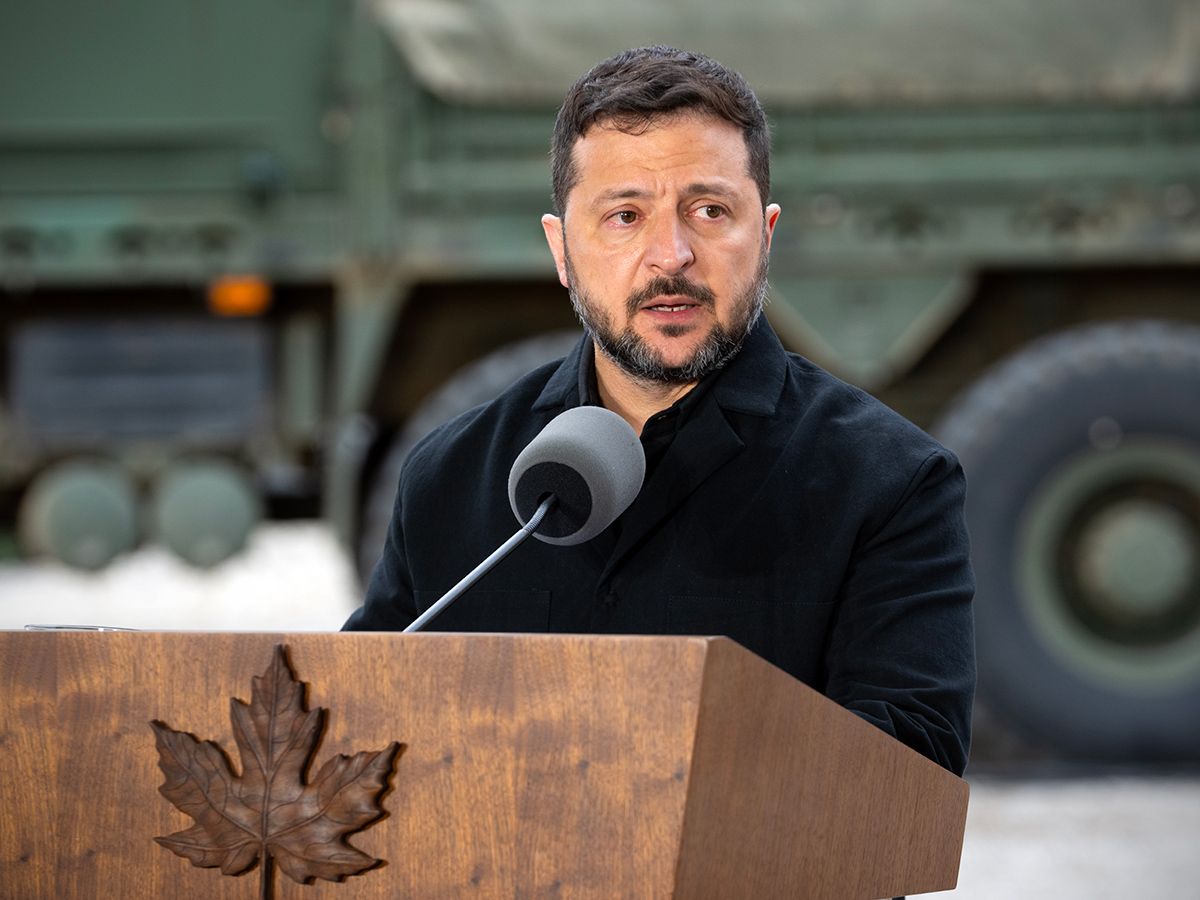
Ukrainian President Volodymyr Zelenskyy said that he was willing to reciprocate if Russia would agree to the de-escalation, as well. asserted
Russia → say → escalation
But he added that such an agreement would also require assurances from "partners," likely referring to the U.S. "If our partners are ready to ensure that Russia genuinely refrains from striking our electricity system, other energy facilities, critical infrastructure, and food supply routes, then, of course, we are ready to ensure a corresponding halt to our strikes," he wrote on X.com on Monday. asserted
he → add → Monday
However, he added: "Ukraine is not convinced that Russia is willing to abide by any agreement." asserted
Russia → add → agreement
Trump’s announcement broadened the demand he made a day earlier, when he called solely on Ukraine to halt its attacks on Russian energy facilities. asserted
he → broaden → facilities
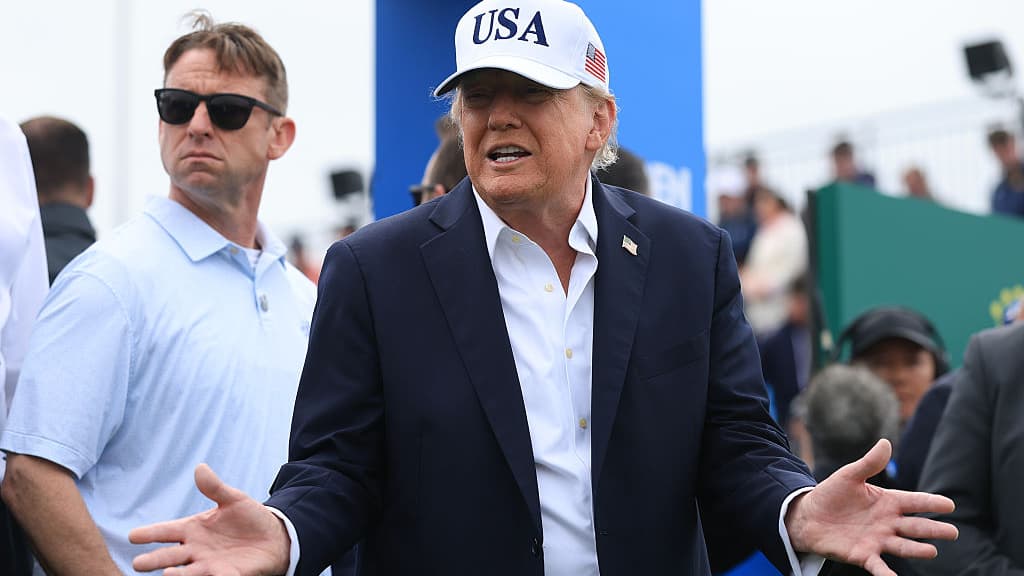
On Sunday, Trump said that Zelenskyy should halt strikes on Russia's diesel fuel infrastructure and refineries, claiming the attacks are contributing to a fuel shortage. asserted
attacks → say → shortage
“Mr. Zelenskyy has to do one thing. asserted
Zelenskyy → have → thing
He has to stop knocking out diesel fuel in Russia,” Trump told reporters during his scheduled visit to Ireland. asserted
Trump → have → Ireland
“Let him go after targets but not diesel fuel, because he’s causing a shortage.” asserted
he → let → shortage
For Ukraine, that would mean curtailing one of its principal means of imposing pressure on Moscow. asserted
that → mean → Moscow
Yet energy-market data indicates that the much larger source of the global diesel squeeze stems from the ongoing conflict in the Middle East, raising questions about how much Trump’s proposal would even impact the shortage—and what it could cost Kyiv. uncertain
it → indicate → Kyiv
Though the U.S.-Iran war has dramatically limited the distribution of oil since February, Trump said that it is not responsible for current shortages. asserted
it → limit → shortages
“This isn’t done by the Middle East,” Trump said. asserted
Trump → do → East
“This is done by what’s happening with Russia and Ukraine. asserted
what → do → Russia
So we spoke to Mr. Zelenskyy about it.” asserted
we → speak → it
Trump’s comments appeared to be referring to last week’s mediation efforts which saw U.S. envoys Steve Witkoff and Jared Kushner visiting Russia and Ukraine to discuss a path toward peace. asserted
Witkoff → appear → peace
Witkoff said afterward that he was “confident that there'll be a good resolution here.” asserted
he → say → ?
Washington’s intervention in the peace efforts had previously stalled last spring following the outbreak of war with Iran. asserted
intervention → stall → Iran
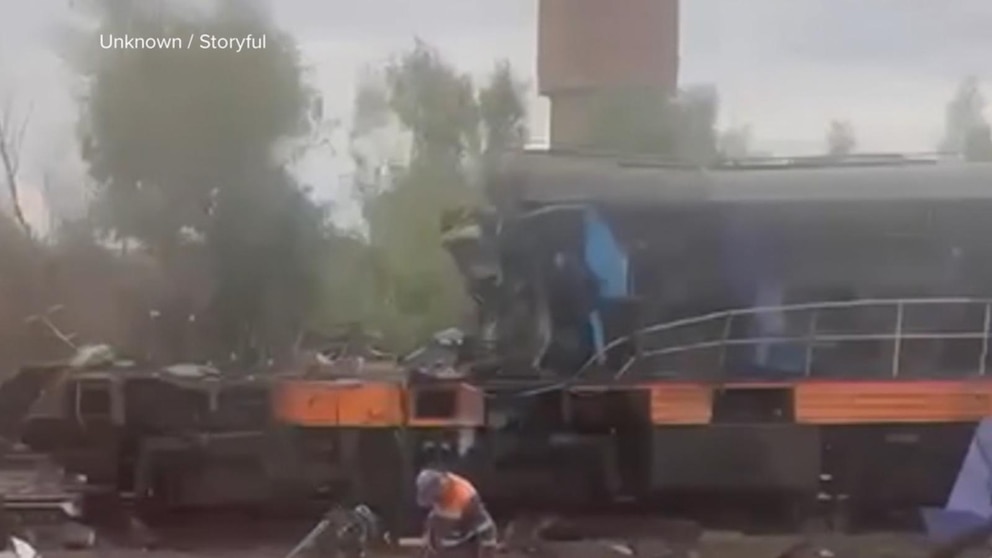
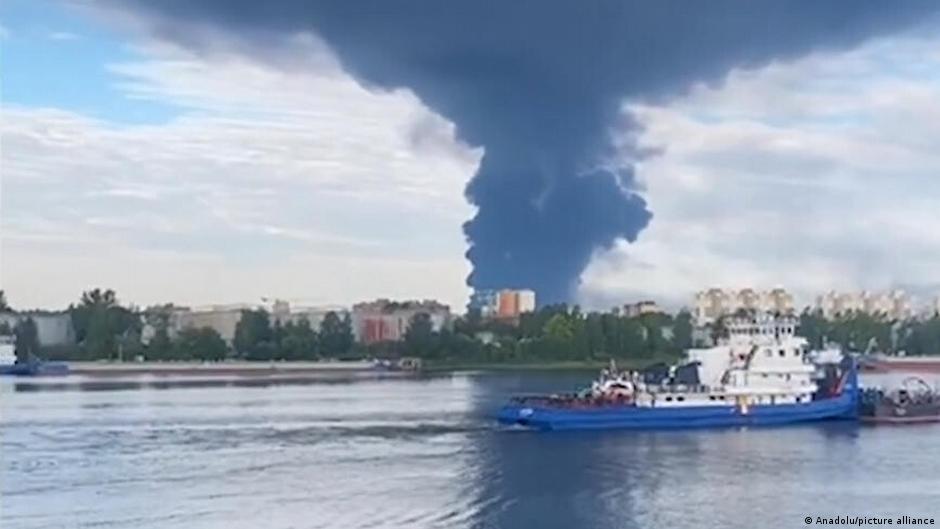
Throughout the summer, as Ukraine stepped up its long-range attacks, it increasingly set its sights on oil refineries. asserted
it → step → refineries
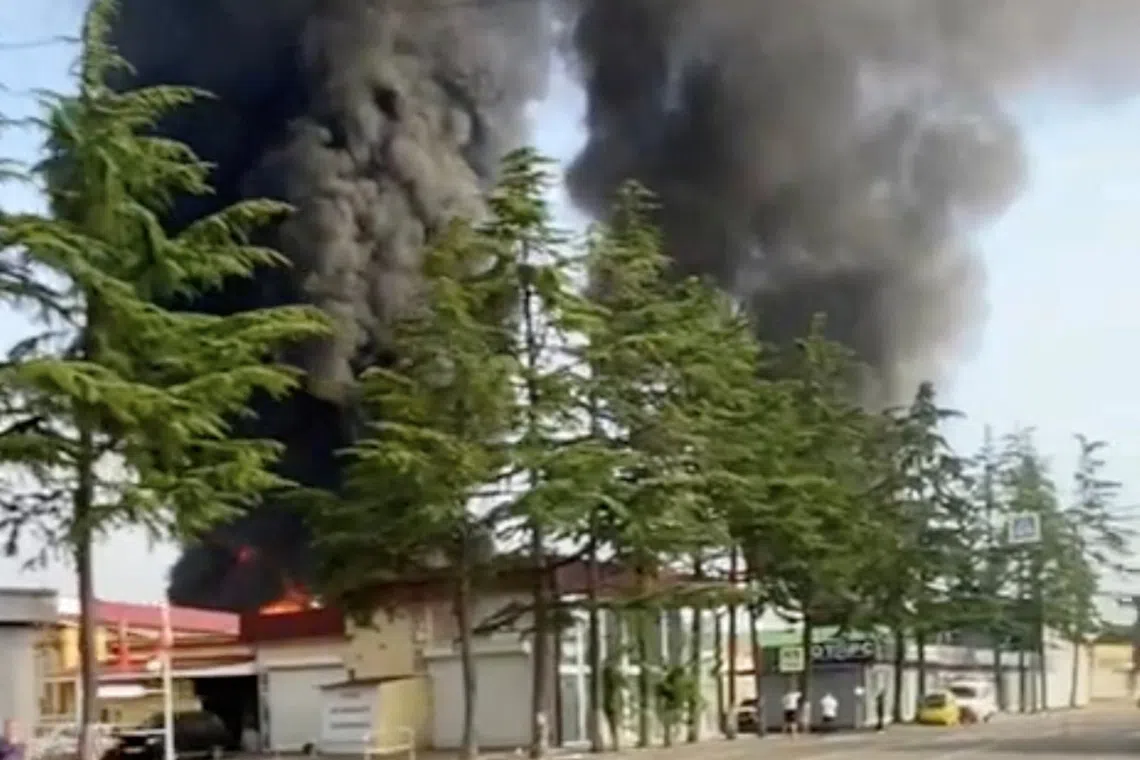
Overnight into Sept. 13, Ukraine targeted two Russian refineries—one of which, the Slavyansk Oil Refinery, is one of the “largest independent oil refineries in the south of the Russian Federation” according to the General Staff of the Ukrainian Armed Forces. uncertain
one → target → Forces
Zelenskyy has not publicly responded to Trump’s comments, but he has previously said that these refineries fund and fuel Russia’s war with Ukraine. asserted
refineries → respond → Ukraine
He said that his country’s attacks are meant to disrupt Moscow’s financing capacity. asserted
attacks → say → capacity
Olena Lennon, a Practitioner in Residence of National Security at the University of New Haven, says ending the attacks would deprive Kyiv of an unusually effective source of leverage. asserted
ending → say → leverage
“Taking away one of Ukraine’s most effective pressure points inside Russia—one that has actually put Russia on the back foot—would significantly weaken Ukrainian leverage and set Ukraine back, leading to more Ukrainian deaths,” Lennon tells TIME. asserted
Lennon → take → TIME
TIME has reached out to Zelenskyy’s office for comment. asserted
TIME → reach → comment
Disruptions to Russia’s oil refineries have undoubtedly impacted Russian fuel markets, as well as those in Central Asia. asserted
Disruptions → impact → Asia
When Ukraine intensified its attacks on Russia’s energy facilities in late 2025, the northern nation faced a domestic gasoline shortage estimated at around 20%. asserted
nation → intensify → %
It began instituting export restrictions. asserted
It → begin → restrictions
The disruption persisted, however, with Russian refinery runs reaching a 24-year low last month. asserted
runs → persist → low
Those restrictions then reverberated across Central Asia. asserted
restrictions → reverberate → Asia
According to the Carnegie Russia Eurasia Center, part of the Carnegie Endowment for International Peace, Central Asian nations saw a rise in retail gas prices as a result of Moscow’s restrictions—by as much as 25% year over year. uncertain
nations → accord → year
Some countries, like Kyrgyzstan and Tajikistan, turned to suppliers in China as a result. asserted
countries → turn → result
But Russia is only one contributor to a global fuel squeeze driven more substantially by disruptions in the Middle East. asserted
Russia → drive → East
The effects of that broader supply shock have been felt worldwide. asserted
effects → feel → shock
In Australia, the government launched an A$20 million National Fuel Security Campaign that encouraged citizens to voluntarily reduce fuel consumption as a result of shortages. asserted
that → launch → shortages
It ran from April to June. asserted
It → run → June
Fuel prices are set to rise again in the country as fighting once again ramps up. asserted
fighting → set → country
…and 50 more, not listed.

💬Give feedback
🕘History 🎫Support