 The Aporia
Huijing, L. (2026, September 14). The classic Chinese parenting playbook won’t survive the AI age. South China Morning Post. https://www.scmp.com/opinion/hong-kong-opinion/article/3366957/classic-chinese-parenting-playbook-wont-survive-ai-age?utm_source=rss_feed
Huijing, Lu. “The classic Chinese parenting playbook won’t survive the AI age.” South China Morning Post, 14 Sept. 2026, https://www.scmp.com/opinion/hong-kong-opinion/article/3366957/classic-chinese-parenting-playbook-wont-survive-ai-age?utm_source=rss_feed.
Huijing, Lu. “The classic Chinese parenting playbook won’t survive the AI age.” South China Morning Post, September 14, 2026. https://www.scmp.com/opinion/hong-kong-opinion/article/3366957/classic-chinese-parenting-playbook-wont-survive-ai-age?utm_source=rss_feed.
Dated when The Aporia collected the article, usually within hours of publication. Check the original for its exact date and byline.
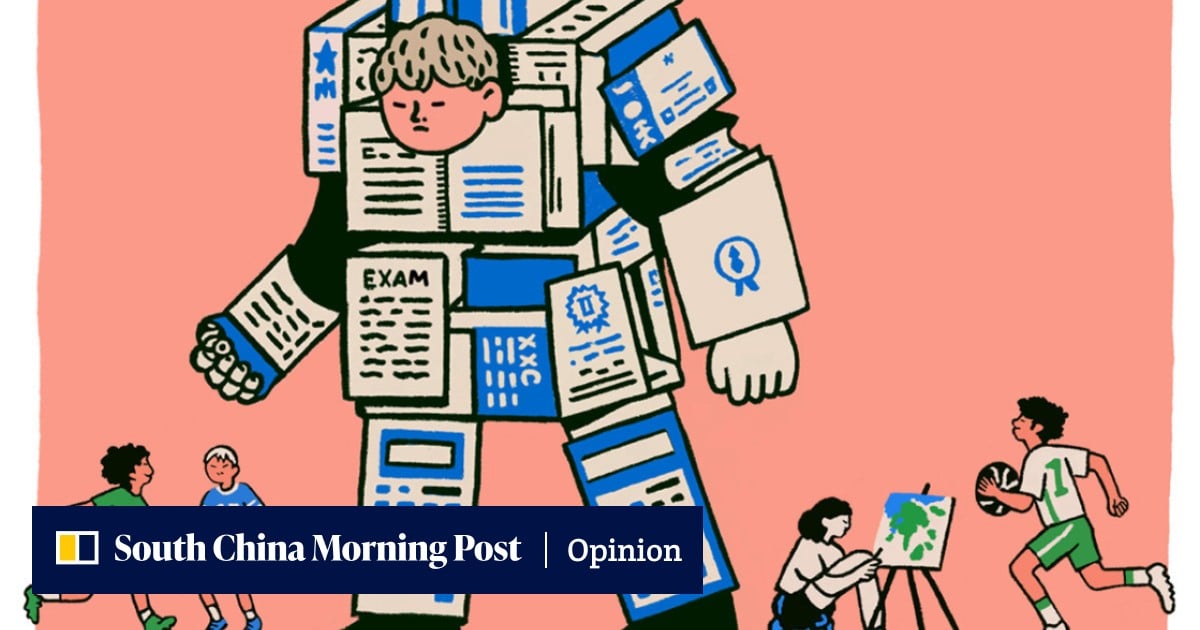
In the age of artificial intelligence, traditional Chinese parenting methods focused on strict control and academic achievement are becoming less effective. Lu Huijing highlights how parents like Ms Ng shuttle their children to various tutoring classes on weekends, hoping to boost academic performance. This trend is widespread across Chinese communities globally, with significant investments in time, money, and effort. However, psychologist David Geary argues that there are two types of cognitive abilities: biologically primary skills like speaking and counting, which develop naturally, and biologically secondary skills such as reading and writing, which require structured learning. The article suggests that fostering creativity, autonomy, and critical thinking—qualities stifled by overemphasis on achievement—will be crucial in the AI era.