The Aporia
Ruberry, B. (2026, September 14). Saudi Arabia eyes more tanker transits through Strait of Hormuz. Semafor. https://www.semafor.com/article/09/14/2026/saudi-arabia-eyes-more-tanker-transits-through-strait-of-hormuz
Ruberry, Brendan. “Saudi Arabia eyes more tanker transits through Strait of Hormuz.” Semafor, 14 Sept. 2026, https://www.semafor.com/article/09/14/2026/saudi-arabia-eyes-more-tanker-transits-through-strait-of-hormuz.
Ruberry, Brendan. “Saudi Arabia eyes more tanker transits through Strait of Hormuz.” Semafor, September 14, 2026. https://www.semafor.com/article/09/14/2026/saudi-arabia-eyes-more-tanker-transits-through-strait-of-hormuz.
Dated when The Aporia collected the article, usually within hours of publication. Check the original for its exact date and byline.
On September 7, 2026, an Iranian container ship was attacked near Hengam Island in the Strait of Hormuz by what state media called an “unidentified projectile,” leaving one person dead and four crew members wounded. This incident occurred as Iran prepared to meet with Gulf states in Oman to discuss shipping traffic safety in the Strait of Hormuz.
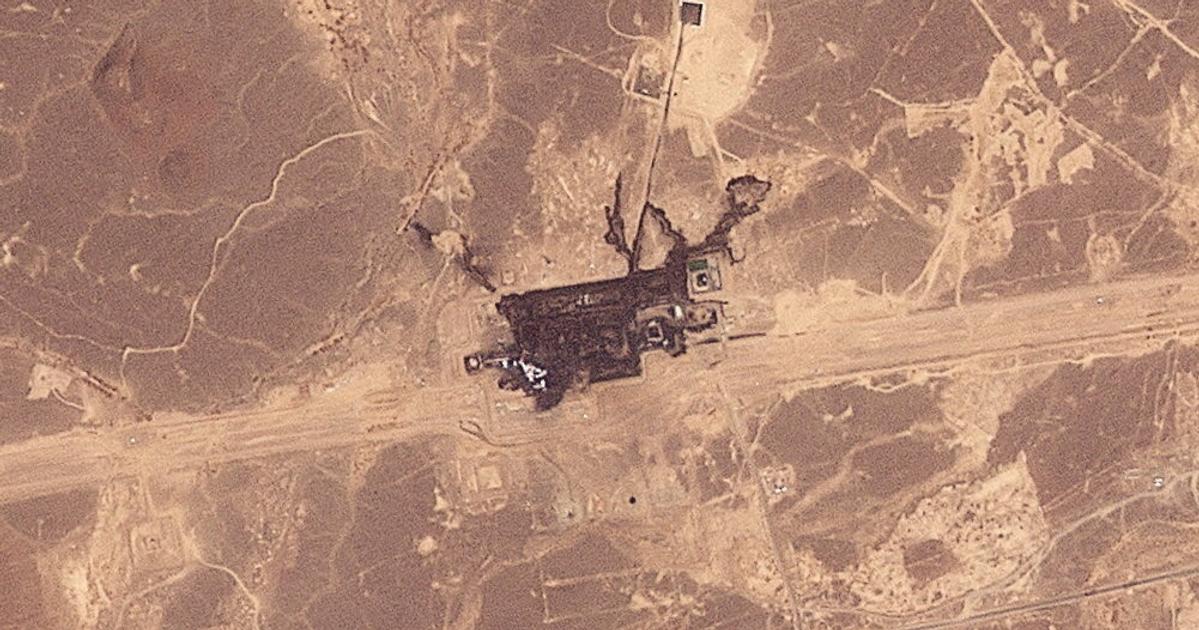
On September 12, a critical oil pipeline in Saudi Arabia, which had been moving 4-5% of global oil supplies since late February due to blockades at the Strait of Hormuz, was shut down after being struck by drones launched from Iraq. The attack caused injuries and forced Saudi Arabia to temporarily close the East-West pipeline.
In response to the drone attacks on September 12, Iraq's government confirmed the attacks originated from its territory but an umbrella group of Iran-backed militias in Iraq denied involvement. Iraqi Prime Minister Ali al-Zaiyadi dismissed a military commander as part of an investigation into the incident.
On September 18, oil company Saudi Aramco informed at least two European refining customers that they would receive no crude oil for October due to damage sustained during the drone attack on its pipeline.
These events have significantly impacted global oil markets and international relations, with Iran continuing to impede commercial traffic through the Strait of Hormuz and the Houthis advancing towards strategic locations in Yemen. The United States is grappling with how to address these challenges amidst ongoing conflicts and economic pressures. China's role in fueling tensions further complicates efforts to stabilize the region, leading to discussions between U.S. President Trump and Chinese leader Xi Jinping about potential resolutions. Trump aims to prioritize addressing Iran's influence over other trade issues during his meeting with Xi.