The Aporia

Miller, S. (2026, October 22). Citing 'challenges,' AIPAC halts endorsements and direct contributions to candidates. NPR. https://www.npr.org/2026/10/21/nx-s1-6011531/aipac-campaign-contributions-israel-democrats
Miller, Saige. “Citing 'challenges,' AIPAC halts endorsements and direct contributions to candidates.” NPR, 22 Oct. 2026, https://www.npr.org/2026/10/21/nx-s1-6011531/aipac-campaign-contributions-israel-democrats.
Miller, Saige. “Citing 'challenges,' AIPAC halts endorsements and direct contributions to candidates.” NPR, October 22, 2026. https://www.npr.org/2026/10/21/nx-s1-6011531/aipac-campaign-contributions-israel-democrats.
Dated from the outlet's own feed. Check the original for its byline.
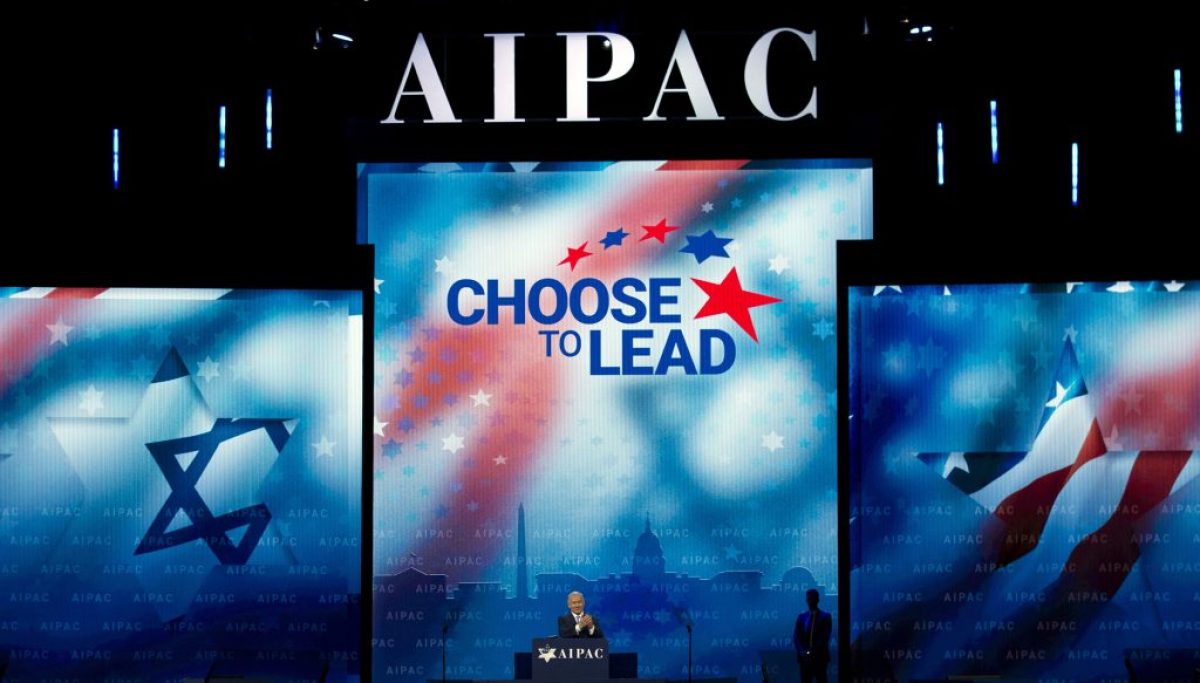
The American Israel Public Affairs Committee (AIPAC) announced on October 21 that it will no longer issue endorsements or make direct contributions to candidates running in US elections after three cycles of political giving. This decision, detailed in a press release and confirmed in a letter to members, is part of AIPAC's strategy to "expand individual giving and utilize new tools" amid growing challenges and resistance to its activities since it began endorsing and contributing directly five years ago.
Criticism over AIPAC’s stances on issues such as the wars in Gaza and Iran has led to mounting opposition from both sides of the political spectrum. Some candidates endorsed by AIPAC have faced tough criticism and decided not to accept financial contributions from the organization, reflecting shifting public opinion regarding the U.S.'s relationship with Israel.
AIPAC’s shift follows a significant period where its endorsements and direct support were met with increasing backlash, exemplified by Democratic candidate Dr Abdul El-Sayed's campaign in Michigan's Senate race. AIPAC spent $30 million supporting El-Sayed's opponent Haley Stevens, highlighting the controversial role of such endorsements in shaping electoral outcomes. Despite ceasing direct contributions and endorsements, AIPAC will continue mobilizing individual donors to influence elections indirectly.