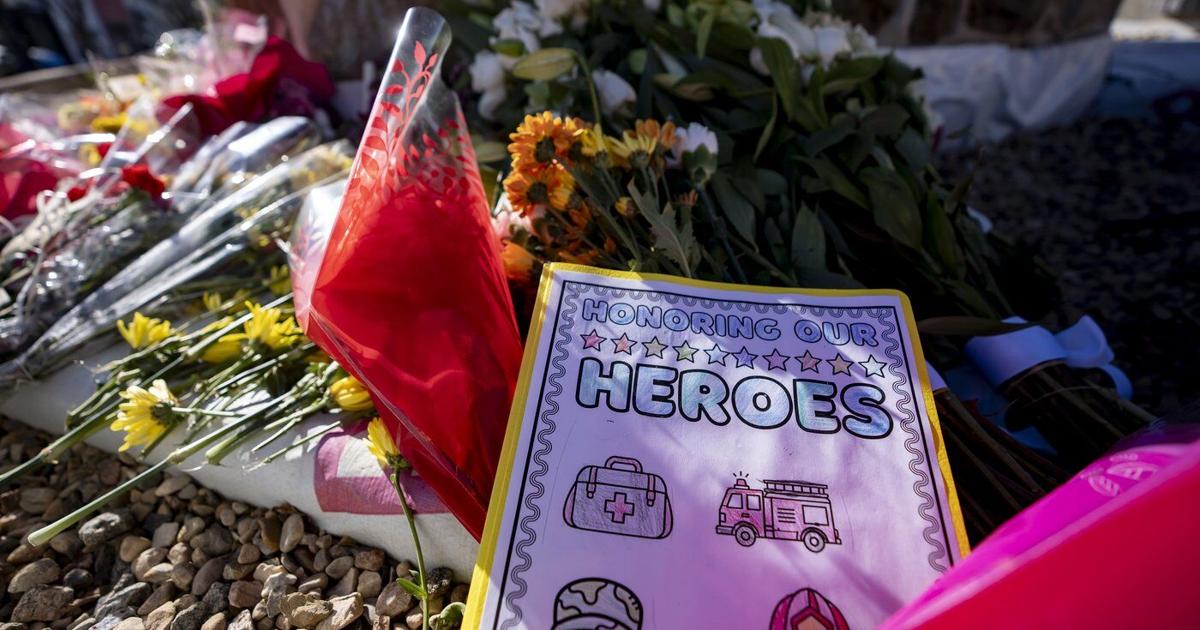
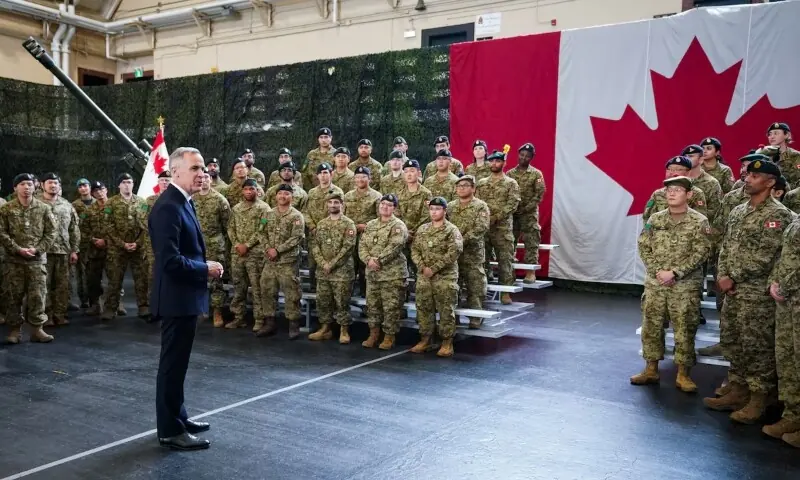
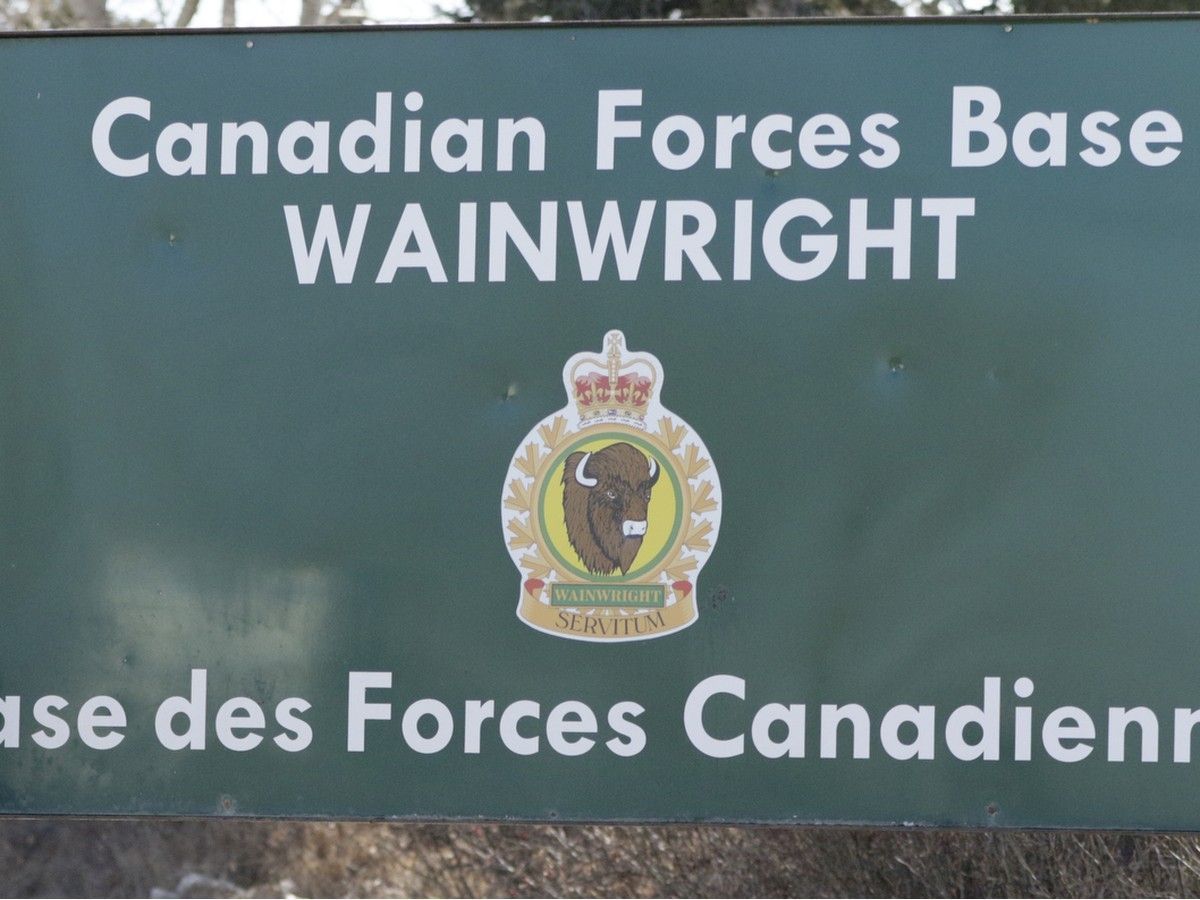
The fire that swept through Canadian Forces Base Wainwright over the weekend in Alberta killed four soldiers and injured 39 people, including 19 reported in critical condition.
asserted
that → sweep → condition
The thoughts of Canadians are with the families, the military community, the people of Wainwright and the responders who answered the call.
asserted
who → answer → call
But what happened after the fire deserves attention too.
asserted
happened → happen → attention
Wainwright’s hospital became a triage hub for what the town’s mayor described as the largest mass casualty event the community has ever seen.
asserted
community → become → event
Patients were also transferred to hospitals in Edmonton, Calgary and Red Deer.
asserted
Patients → transfer → Edmonton
The response mobilized 22 ground ambulances, six airplanes and two helicopters.
asserted
response → mobilize → ambulances
The Canadian Armed Forces relies on civilian systems for specialized services and mass casualty events.
asserted
Forces → rely → services
Thirteen months before Wainwright, Canada rehearsed the challenge of a casualty surge.
asserted
Canada → rehearse → surge
Its findings deserve action.
asserted
findings → deserve → action
The response to a mass-casualty event does not play out in an otherwise empty health-care system.
asserted
response → play → system
It competes with everyday care for staff, beds, transport and supplies.
asserted
It → compete → staff
The Canadian Institute for Health Information (CIHI) reports that hospital beds increased by only four per cent between 2014–15 and 2023–24 as Canada’s population grew by 13 per cent.
asserted
population → report → cent
Beds per capita fell by seven per cent.
asserted
Beds → fall → cent
These national figures don’t establish Alberta’s capacity on the day of the fire, but they show why having enough infrastructure, staff and expertise is so important.
asserted
having → establish → infrastructure
Alberta has two burn centres, in Edmonton and Calgary.
asserted
Alberta → have → Edmonton
But rural hospitals need staff, supplies and transportation to stabilize severely injured patients and move them safely to burn centres while continuing to serve their own communities.
asserted
hospitals → need → communities
Canada’s health-care system sits at the centre of what’s known as a polycrisis: several systems are under strain, each situation compounding the other.
Climate change is prolonging wildfire seasons.
asserted
change → sit → seasons
Inflation is squeezing budgets and supply chains.
asserted
Inflation → squeeze → budgets
Workforce shortages are persisting after the COVID-19 pandemic.
asserted
shortages → persist → pandemic
The flu season is surging.
asserted
season → surge → ?
The consequences of these crises affect health system response and care.
asserted
consequences → affect → response
Wainwright is experiencing its mass casualty event amid this ongoing polycrisis.
asserted
Wainwright → experience → polycrisis
The question is whether any system can absorb the next shock while still dealing with the last.
asserted
system → absorb → last
What Canada already learned
asserted
learned → learn → What
In September 2025, 79 people from health-care systems across the country, federal agencies and the Canadian Armed Forces gathered in Toronto for Exercise Canada Paratus.
asserted
people → gather → Paratus
Paratus assessed overseas casualties, but the lessons apply to all hazards.
asserted
lessons → assess → hazards
Four Canadian soldiers killed in a fast-moving fire during a training exercise in Alberta over
Led by key disaster management teams and leaders, the exercise simulated about 100 casualties a week arriving in provincial and territorial health-care systems in Canada from a war in Europe.
asserted
exercise → kill → Europe
Three findings are relevant to planning after Wainwright:
asserted
findings → plan → Wainwright
- Capacity: The report identified workforce challenges and the need to expand infrastructure, staffing and expertise for sustained casualty surges.
- Patient tracking:
asserted
report → identify → surges
Canada has no integrated system to follow casualties as they move between military and civilian care.
asserted
they → have → care
At Wainwright, the injured were dispersed across several hospitals within hours.
asserted
injured → injure → hours
- Governance: The report called for a federal–provincial–territorial health emergency and security authority with clear leadership, roles and decision rights.
asserted
report → call → leadership
Health care is defence infrastructure
NATO already recognizes the link between healthcare and defence.
asserted
NATO → recognize → healthcare
One of its seven baseline requirements for national resilience is the ability to manage mass casualties and disruptive health crises, including functioning civilian health systems and secure medical supplies.
asserted
One → manage → supplies
Canada’s allies already treat health-care systems as strategic infrastructure, alongside energy grids and supply chains.
asserted
allies → treat → grids
At the 2025 Hague NATO summit, allies agreed that up to 1.5 per cent of GDP within their new five per cent defence spending target could support resilience, including civil preparedness.
uncertain
cent → agree → preparedness
Finland’s comprehensive security model treats health security as a vital societal function, while Sweden’s total defence approach recognizes healthcare as essential to defence.
asserted
approach → treat → defence
Canada should seize this opportunity to make a clear case for health investments that strengthen defence readiness.
asserted
that → seize → readiness
5 steps Canada must take
Canada already has the diagnosis.
asserted
Canada → take → diagnosis
As the polycrisis deepens, sudden events like Wainwright will keep exposing the cost of failing to fill gaps.
asserted
events → deepen → gaps
…and 8 more, not listed.
 The Aporia