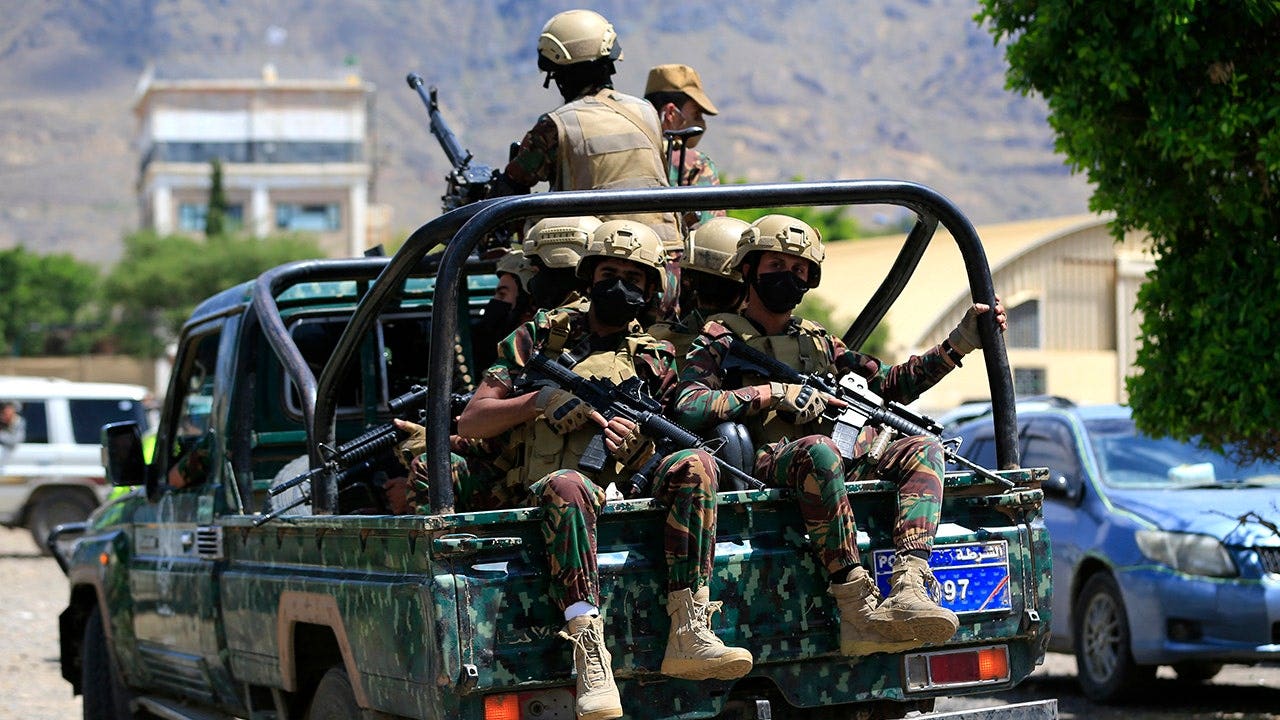
Photo via New York Post

Iran is now threatening world’s largest oil facility and vast pipeline after Houthi attacks escalate

Read the original at New York Post ↗
Cite

Reyes, R. (2026, September 15). Iran is now threatening world’s largest oil facility and vast pipeline after Houthi attacks escalate. New York Post. https://nypost.com/2026/09/15/world-news/how-the-houthis-attacks-on-saudi-arabia-dramatically-increase-oil-supply-risk/

Dated when The Aporia collected the article, usually within hours of publication. Check the original for its exact date and byline.

New York Post · collected 2026-09-15 · by Ronny Reyes

Quick Summary

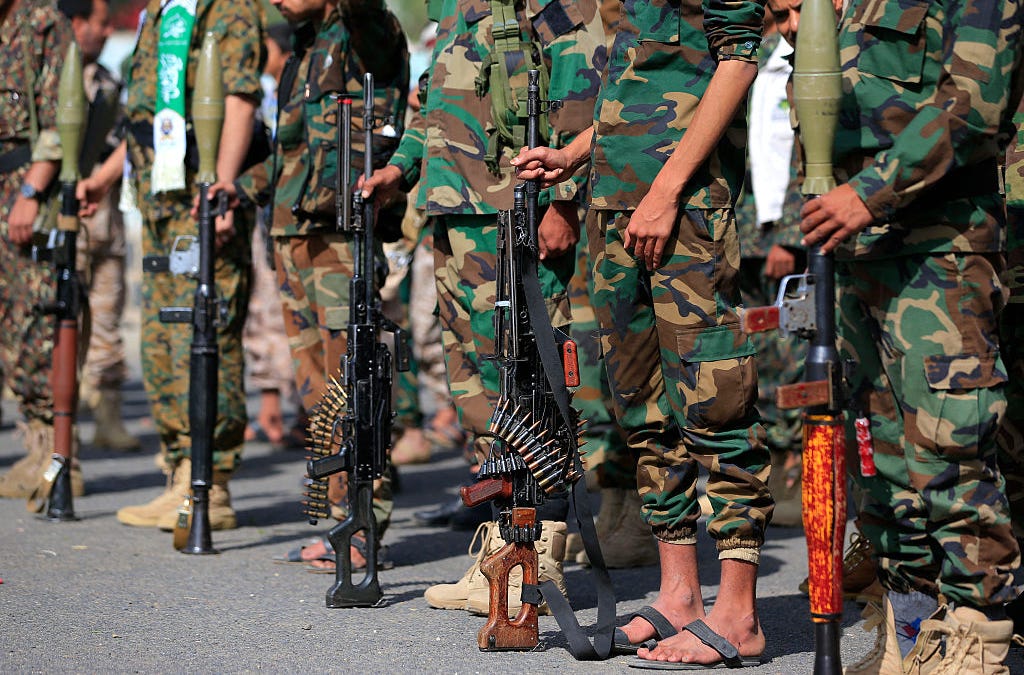
Iran-backed Houthi rebels have advanced along Yemen’s coast, gaining control over the strategic Bab al-Mandeb Strait. This development puts Saudi Arabia’s 745-mile-long pipeline and its Abqaiq oil processing plant at risk, which handles a significant portion of global energy supplies. Security experts warn that defending these large infrastructures from Houthi attacks is challenging. The situation escalated after Saudi-linked forces bombed a runway near Yemen’s capital, leading to renewed hostilities and maritime blockades imposed by the Houthis on all Saudi ships in the Red Sea. This conflict could disrupt oil shipments through the Bab al-Mandeb Strait, forcing vessels to take longer routes via Egypt’s Suez Canal or around Africa, significantly impacting global fuel supplies.
Written by AI on 2026-09-15, from this article's own text only (the story summary below draws on all the coverage).

AI analysis

Story summary

On September 7, 2026, an Iranian container ship was attacked near Hengam Island in the Strait of Hormuz by what state media called an “unidentified projectile,” leaving one person dead and four crew members wounded. This incident occurred as Iran prepared to meet with Gulf states in Oman to discuss shipping traffic safety in the Strait of Hormuz.

On September 12, a critical oil pipeline in Saudi Arabia, which had been moving 4-5% of global oil supplies since late February due to blockades at the Strait of Hormuz, was shut down after being struck by drones launched from Iraq. The attack caused injuries and forced Saudi Arabia to temporarily close the East-West pipeline.

In response to the drone attacks on September 12, Iraq's government confirmed the attacks originated from its territory but an umbrella group of Iran-backed militias in Iraq denied involvement. Iraqi Prime Minister Ali al-Zaiyadi dismissed a military commander as part of an investigation into the incident.

On September 18, oil company Saudi Aramco informed at least two European refining customers that they would receive no crude oil for October due to damage sustained during the drone attack on its pipeline.

These events have significantly impacted global oil markets and international relations, with Iran continuing to impede commercial traffic through the Strait of Hormuz and the Houthis advancing towards strategic locations in Yemen. The United States is grappling with how to address these challenges amidst ongoing conflicts and economic pressures. China's role in fueling tensions further complicates efforts to stabilize the region, leading to discussions between U.S. President Trump and Chinese leader Xi Jinping about potential resolutions. Trump aims to prioritize addressing Iran's influence over other trade issues during his meeting with Xi.

Written for “Houthis Attack Saudi Oil Facilities” on 2026-10-31, grounded in this article and the 39 other(s) covering the same event.

Story

📰 Houthis Attack Saudi Oil Facilities
Politics · 40 article(s) covering the same event. See how they differ ↓

Compared with similar articles

This article reads leans right and hedges 9% of its claims. Each row says how that neighbour differs.
CBC News
⚖️ Leans right Hedges 4 of 33 claims Outlet record 60/100
“The articles describe different events involving Iran-backed groups attacking Saudi infrastructure, but at different times and locations.”
Al Jazeera
Hedges 2 of 17 claims Outlet record 60/100
“The articles describe different phases of ongoing conflict involving Houthi rebels in Yemen and their impact on Saudi Arabian infrastructure. ARTICLE A discusses air strikes targeting Houthis along the Red Sea coast, while ARTICLE B reports on a subsequent escalation where Houthis threaten major oil facilities.”
The Free Press
⚖️ Leans strongly right further right than this Hedges 0 of 12 claims Outlet record 96/100
Washington Examiner
⚖️ Leans right Hedges 1 of 33 claims Outlet record 70/100
“The articles describe different events related to Iran's threats and actions in the region; one focuses on Houthi rebels' threats to Saudi oil infrastructure, while the other discusses U.S. military responses and oil prices.”
Semafor
⚖️ Leans left further left than this Hedges 3 of 14 claims Outlet record 60/100
“Article A discusses a specific threat to Saudi Arabia's oil infrastructure by Houthi rebels, while Article B focuses on broader market impacts and forecasts due to the Iran war.”
South China Morning Post
Hedges 0 of 1 claims Outlet record 64/100
“The articles describe different events: one about Houthi rebels threatening oil infrastructure and another about Iranian and Saudi officials debating at a forum.”
CBS News
⚖️ Centre further left than this Hedges 2 of 4 claims Outlet record 66/100
“Article A discusses threats to Saudi Arabia’s oil infrastructure by Houthi rebels backed by Iran, while Article B reports on a Coast Guard and FBI investigation of an oil tanker suspected of being hacked by Iranian cyber attackers. These are different specific incidents.”
ABC News (US)
Hedges 0 of 1 claims Outlet record 70/100
“The articles describe different incidents: one about Houthi threats to Saudi Arabia's oil infrastructure and another about cyberattacks targeting U.S.-bound oil tankers.”
New York Post
⚖️ Leans right Hedges 1 of 14 claims Outlet record 66/100
“The articles describe different attacks at separate locations and times: one targeting pipelines and an oil plant near Abqaiq, and another near Riyadh airport.”
How this article was measured signals, leaning charts, publisher record, byline, topics and claims

Signals How these are calculated →

Claims extracted
44
sentences that state something as happening or true
Uncertain
9%
4 of 44 hedged ("reportedly", "may", "according to")
Leaning
Leans right
of the writing, not the subject · beta estimate
Publisher signals
66/100
New York Post's corrections and hedging, across everything collected from it. Not a measure of accuracy.
Outlets on this story
40
Politics
Same framing elsewhere
1
articles that frame the event the way this one does
Analyzed 2026-09-15 · how these are computed

How this is being covered How these are calculated →

Article leaning vs. publisher reliability
Source leaning vs. consistency

Publisher

New York Post · 15411 article(s) · 35 correction(s) detected
Running correction rate · 35 correction(s)

Who wrote this

Ronny Reyes
64 article(s) here · 1 carrying a prediction
🔮 Netanyahu’s Likud party will retain the most seats in the Knesset, with Likud and his allies looking to secure 54 seats, according to preliminary results — down from the 60 he currently holds.
🔮 Prime Minister Benjamin Netanyahu trailed opposition leader Gadi Eisenkot in the Israeli election Tuesday, according to exit polls — but neither bloc appeared set to win enough seats to secure a clear majority.
🔮 The acceleration is evidence that Iran will not abandon its nuclear ambition despite ongoing peace talks with the US, retired four-star Gen. Jack Keane told Fox News.
🔮 Israeli-Arabs could sway the balance of power in Israel’s general elections next week as the country’s two major parties are predicted to fall short of a majority in the Knesset.
🔮 Brinksman would go on to hold top secret security clearance while working as an employee of a US government agency and later as a systems developer private contractor working for the same agency, prosecutors said.
🔮 Flora attended a mandatory court appearance on Saturday, with the wrestler set to return for a follow-up hearing next Monday, TMZ reported.
🔮 But the US blockade on Iran’s ports has prevented Tehran from replenishing its supplies, which shrunk to below 1 million barrels by Oct. 5 and is now virtually gone, according to the Kpler maritime analyst firm. “There’s no more oil to discharge to China anymore,” Homayoun Falakshahi, head of crude-oil analysis at Kpler, told the Wall Street Journal.
🔮 Local authorities will be alerted,” the alert read.
🔮 Aid flow from the European Union remains volatile after Slovakia and Hungary announced earlier this week that they would not participate in the bloc’s push to provide a nearly $80 billion aid package to Ukraine.
🔮 The goal is to get a peace deal that will favor the Kremlin, but also for Russia, China and the US to establish spheres of influence around the world, a former Moscow intelligence officer with knowledge of the talks told the Journal.
Also by Ronny Reyes
Nothing else under this byline is closely related to this article, so these are simply their most recent.
All 64 articles by Ronny Reyes →

Topics

Houthi Houthis Iran Saudi Yemen

Subjects

Saudi Arabia GPE · 6× Houthi NORP · 5× Houthis NORP · 5× Iran GPE · 5× Saudi NORP · 5× Yemen GPE · 3× ISW ORG · 2× Saudi Arabia’s GPE · 2× Abqaiq GPE · 1× Yemeni NORP · 1×

Narrative

Abqaiq stands as the world’s largest crude oil processing facility that is responsible for stabilizing about 7% of the world’s crude supply — that process involves separating out gases and impurities, allowing it to be safely stored and transported. Thomas Warrick, who served as deputy assistant secretary for counterterrorism policy at Homeland Security in Trump’s first term, called the plant the “Panama Canal” of the global energy markets while highlighting its importance during an attack on the facility in 2019.
framing: assertive · carried by 1 article(s) · first seen 2026-09-15
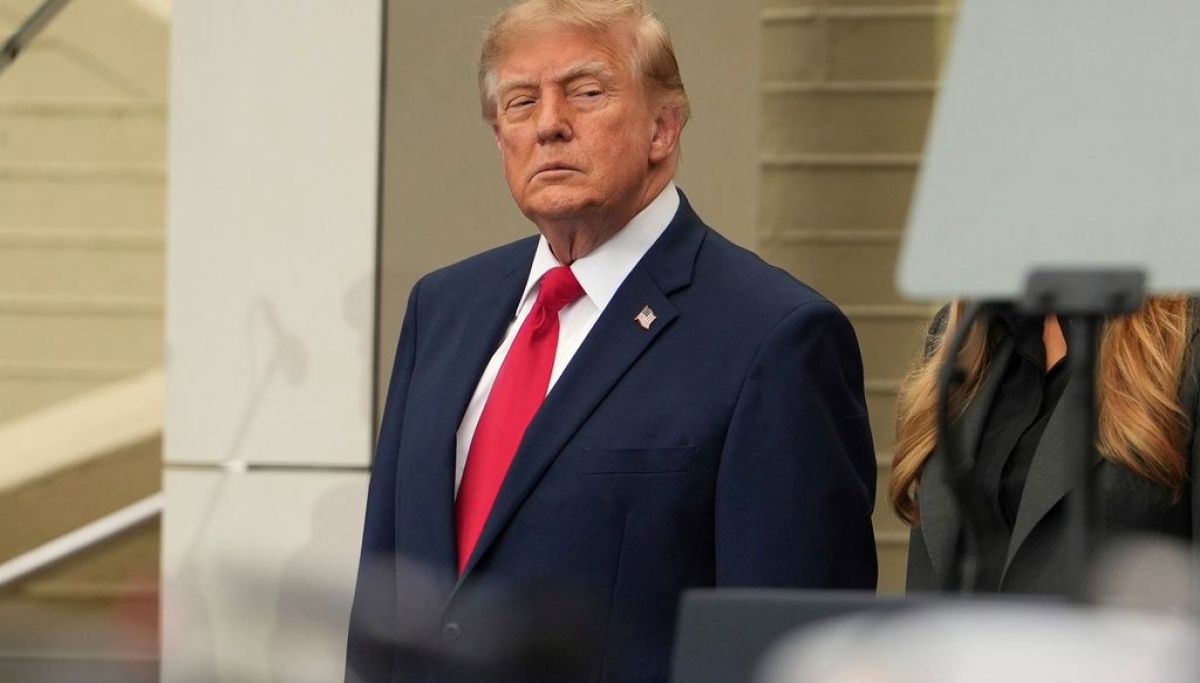
🔮 President Trump, meanwhile, has suggested that the expanded conflict is an internal issue for Yemen and Saudi Arabia that could be resolved quickly.

Claims (44 extracted, 4 hedged)

The Iran-backed Houthi rebels are now in a position to threaten Saudi Arabia’s 745-mile-long pipeline and the world’s largest oil processing plant — escalating the risk to global fuel supplies. asserted
rebels → back → supplies
The Houthis’ lightning advance through the Yemeni coast has allowed the Bab al-Mandeb Strait to fall under its control, with the terror group threatening the kingdom’s largest pipeline and the oil processing plant in Abqaiq, has been compared to “the Panama Canal of global energy markets” for its impact. asserted
group → allow → impact
The Houthis are already believed to have been behind the attack on the massive East-West pipeline, which along with Abqaiq and other oil facilities stand as easy targets for the rebels, according to security experts. uncertain
which → believe → experts
“There is an inherent problem in trying to defend large, fixed infrastructure from the Houthi attacks,” said Kelly Campa, the head of the Middle East team for the Institute for the Study of War. asserted
Campa → be → War
“Attacks on the pipeline are very concerning… and its clear that this is an Axis of Resistance effort to go after Saudi oil and impose more economic pains.” asserted
this → it → pains
President Trump, meanwhile, has suggested that the expanded conflict is an internal issue for Yemen and Saudi Arabia that could be resolved quickly. uncertain
that → suggest → Yemen
Why are the Houthis attacking? asserted
Houthis → attack → ?
The Houthi rebels rose to global prominence after they captured Yemen’s capital of Sanaa in 2014 as part of a bloody civil war between the Iran-backed terror group and the Saudi-backed federal government. asserted
they → rise → group
While a cease-fire was settled in 2022, the truce fell apart in July after Saudi-linked forces bombed a runway near the capital to keep an Iranian plane from landing. asserted
forces → settle → plane
The incident sparked repeated attacks on Yemen’s internationally recognized government and Saudi Arabia, with the terror group announcing a maritime blockade on all Saudi ships in the Red Sea. asserted
group → spark → Sea
Tehran and the Houthis had repeatedly warned that they would shut down the Bab al-Mandeb Strait if the US continued to strike Iran, with the rebel group unleashing thousands of fighters to the port city of Mokha over the weekend to cement their control of the waterway. asserted
group → warn → waterway
Why does the Houthi attack impact oil supplies? asserted
attack → impact → supplies
Ever since Iran effectively shut down the Strait of Hormuz, Saudi Arabia, one of the world’s largest exporters of crude, had redirected the bulk of its shipments through the Bab al-Mandeb Strait in the Red Sea, where $1 trillion worth of goods pass through each year. asserted
worth → shut → goods
The closure of the Strait would force oil and commercial tankers to divert north through Egypt’s Suez Canal, which would mean circumnavigating Africa and adding weeks to the ships’ journeys. asserted
which → force → journeys
With the Houthi attacks, Saudi Arabia’s crude exports through its main Red Sea port dropped to about 2.5 million barrels a day last month, down from 4.6 million barrels a day in July, according to the International Energy Agency. uncertain
exports → drop → Agency
Because the Bab al-Mandeb strait is narrower than the Strait of Hormuz, measuring only 20-miles wide, establishing a safe military escort route similar to the one being conducted off the coast of Oman would not be possible, the ISW warned. asserted
ISW → measure → Oman
Along with the naval attacks, the Houthis have also struck Saudi energy infrastructure, with an attack from Iran-backed Iraqi militias over the weekend hitting the critical East-West pipeline. asserted
attack → strike → pipeline
“It does send a message that goes beyond the Strait of Hormuz… that the Axis of Resistance can threaten energy markets in the region beyond the strait,” Campa said. asserted
Campa → send → strait
The massive East-West Pipeline runs across the entirety of Saudi Arabia, allowing the kingdom to move crude between the Persian Gulf and Red Sea. asserted
kingdom → run → Gulf
Saudi Arabia has rerouted about 4 million barrels of crude a day through the pipeline during the war, about 4% of the world’s oil supply. asserted
Arabia → reroute → supply
The ISW warned that Saudi Arabia would need to defend every point of the 745-mile-long pipeline “given that damage to a single segment along the pipeline would render the entire pipeline inoperable.” With the pipeline out of commission following the weekend attack, the Saudi port of Yanbu has only five to seven days of export currently available, industry insiders told The Guardian. asserted
insiders → warn → Guardian
What is the Abqaiq oil processing plant? asserted
plant → process → ?
Abqaiq stands as the world’s largest crude oil processing facility that is responsible for stabilizing about 7% of the world’s crude supply — that process involves separating out gases and impurities, allowing it to be safely stored and transported. Thomas Warrick, who served as deputy assistant secretary for counterterrorism policy at Homeland Security in Trump’s first term, called the plant the “Panama Canal” of the global energy markets while highlighting its importance during an attack on the facility in 2019. asserted
who → stand → 2019
The plant is notably part of the East-West pipeline network that is rerouting crude from the Strait of Hormuz, and its disruption would send further shocks to global oil prices. asserted
disruption → reroute → prices
Following the attack on the pipeline, the price for the Brent crude international benchmark soared to more than $109 per barrel on Monday, with even the US benchmark hitting $105 a barrel. asserted
benchmark → follow → 105
What is the US doing to stop the Houthis? asserted
US → do → Houthis
The US had launched a 53-day bombing campaign against the Houthis last year that ended in a cease-fire after retaliatory attacks from the rebel group. asserted
that → launch → group
President Trump appeared to be hesitant about sending more American forces to the region following a call from Saudi Crown Prince Mohammed bin Salman last week urging the US to get involved in the fight, sources told Reuters. asserted
sources → appear → Reuters
The president told the prince that the US would do everything it can to help with the exception of firing attacks, according to multiple reports. uncertain
it → tell → reports
Trump told reporters over the weekend that the Houthis had asked the US not to intervene with the situation and that the conflict would be worked out. “I can just say, it’s going to work out fine and dandy. asserted
it → tell → situation
It’s going to be very good,” Trump said of the talks. asserted
Trump → go → talks
The optimistic view stands in contrast to the president’s threats back in July that the US would “beat the f—ing s— out of” Iran and its proxies if they attack Saudi energy infrastructure. asserted
they → stand → infrastructure
The US has deployed intelligence and military advisers to the kingdom since the new conflict broke out, with Vice President JD Vance telling reporters on Sunday the US has been in talks with the Houthis. asserted
US → deploy → Houthis
“We’ve been engaged in direct conversations with the Houthis themselves,” Vance said. asserted
Vance → engage → Houthis
“We actually feel like we are on top of it. asserted
we → feel → it
It’s a very fluid and dynamic thing.” asserted
It → ’ → ?
With Post Wires Houthi forces captured the port city of Mokha and key strategic sites along Yemen's western coast in the past week. asserted
forces → capture → week
Ships lie anchored off the coast of Yemen in the Bab al-Mandeb Strait. asserted
Ships → lie → Strait
AFP via Getty Images The Houthis have been engaged in war with Yemen's internationally-backed government since 2014. asserted
Houthis → engage → 2014
Iran has been accused of arming and advising the Houthi rebel group, which is acting on behalf of the Islamic republic's wishes in Yemen. asserted
which → accuse → Yemen
…and 4 more, not listed.

💬Give feedback
🕘History 🎫Support